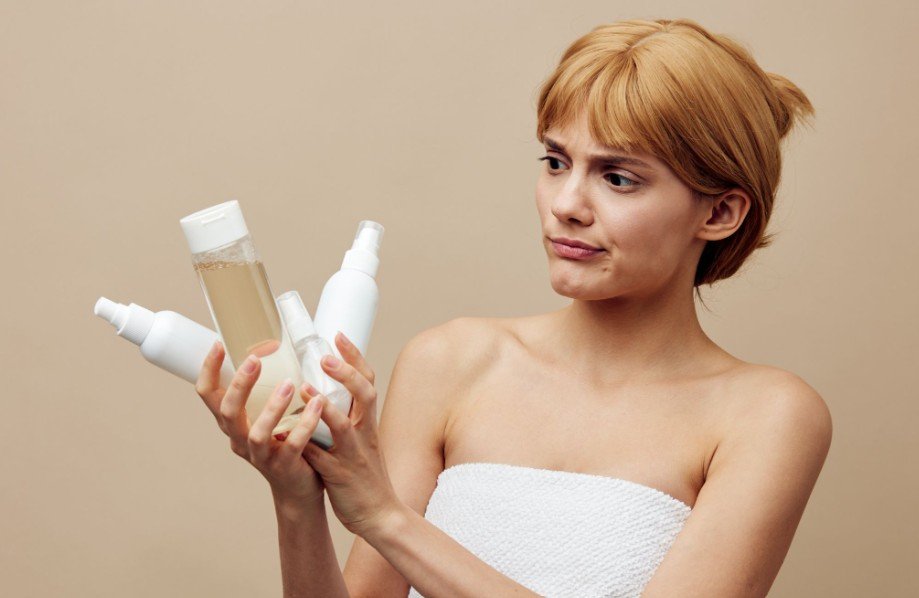
My bathroom shelf was full of promising formulas, yet my skin still felt dry—and occasionally sticky. The problem was not the products; it was the order in which I applied them. Once I learned how to layer body serum and body lotion, each formula finally had room to do its job.
Serum delivers targeted ingredients directly to clean skin, while lotion follows as the comforting layer that seals in hydration. The result is a smoother routine, fewer wasted products, and skin that feels moisturized rather than overloaded.
Does Body Serum Go Before or After Body Lotion?
Body serum generally goes before body lotion. A serum usually has a lightweight texture and delivers targeted ingredients for concerns such as dehydration, hyperpigmentation, rough texture, loss of firmness, or body blemishes. Applying it directly to clean skin helps distribute those ingredients evenly.
Body lotion follows as the moisturizing layer. Lotions typically combine water with humectants, emollients, and sometimes occlusive ingredients. They soften the skin, reinforce the moisture barrier, and reduce water loss.
Applying a thick lotion first may make it harder to spread a watery serum evenly. It can also cause rolling or pilling when the two formulas do not layer well.
What Is the Best Body Care Layering Order?
A complete post-shower body care routine typically follows this order: cleansing, occasional exfoliation, serum, lotion, optional body oil, and daytime sunscreen. Each product should have a clear purpose rather than making the routine unnecessarily complicated.
Step 1: Cleanse and Exfoliate Your Skin
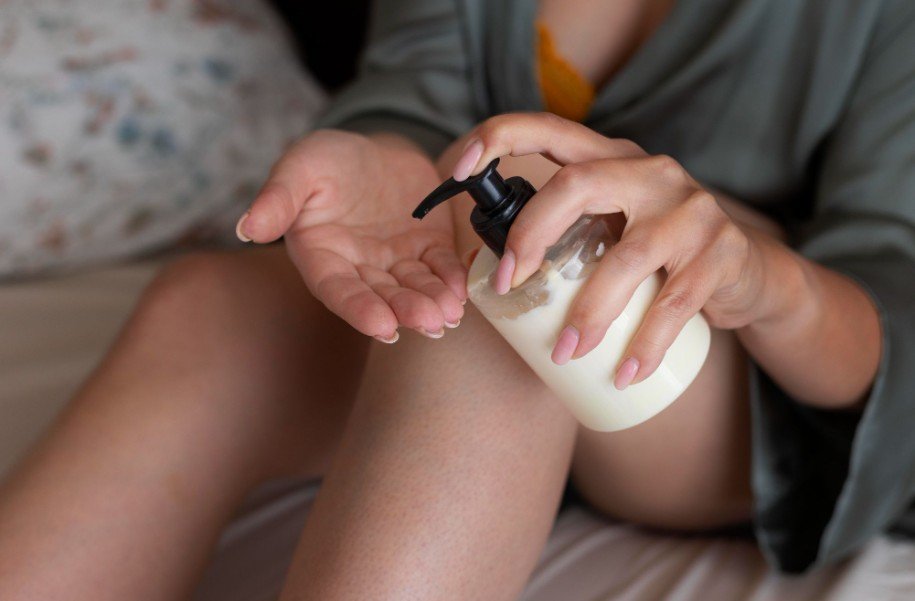
Begin with a gentle body wash and lukewarm water. Very hot showers may remove natural oils and leave the skin feeling tight, particularly during cold winters or in homes with strong indoor heating.
Exfoliate one to three times per week if your skin tolerates it. Chemical exfoliants such as lactic, glycolic, or salicylic acid can help remove accumulated dead skin and improve rough texture. Avoid pairing aggressive scrubbing with a strong exfoliating serum because the combination may cause redness and sensitivity.
Step 2: Leave the Skin Damp When Appropriate
After showering, gently pat the skin with a towel instead of rubbing it. Leave it slightly damp if you plan to use a hydrating body serum containing hyaluronic acid, glycerin, panthenol, or peptides. These humectants attract water and work well in a moisture-focused routine.
Damp skin is not ideal for every treatment. If your serum contains retinol, glycolic acid, or another potentially irritating active, follow its directions carefully. Applying these products to completely dry skin may reduce stinging. Do not apply strong treatments immediately after shaving or waxing unless the label confirms that it is safe.
Step 3: Apply Body Serum First
Smooth a thin layer of serum over the desired areas. You can apply a hydrating formula across your body or reserve a concentrated treatment for areas with dark spots, bumps, fine lines, roughness, or uneven texture.
Using more serum does not produce faster results. Excess product can remain sticky and make the next layer pill. Apply enough to create an even film, then massage it gently until it begins to absorb.
Step 4: Allow the Serum to Settle
Wait approximately 30 to 90 seconds before applying lotion. A 60-second pause works for many formulas, but you do not need to use a timer. Continue once the serum no longer feels extremely wet or slippery.
Allowing the first layer to settle prevents it from moving around when you massage lotion over it. It also reduces the chance of products rolling into small flakes.
Step 5: Lock In Moisture With Body Lotion
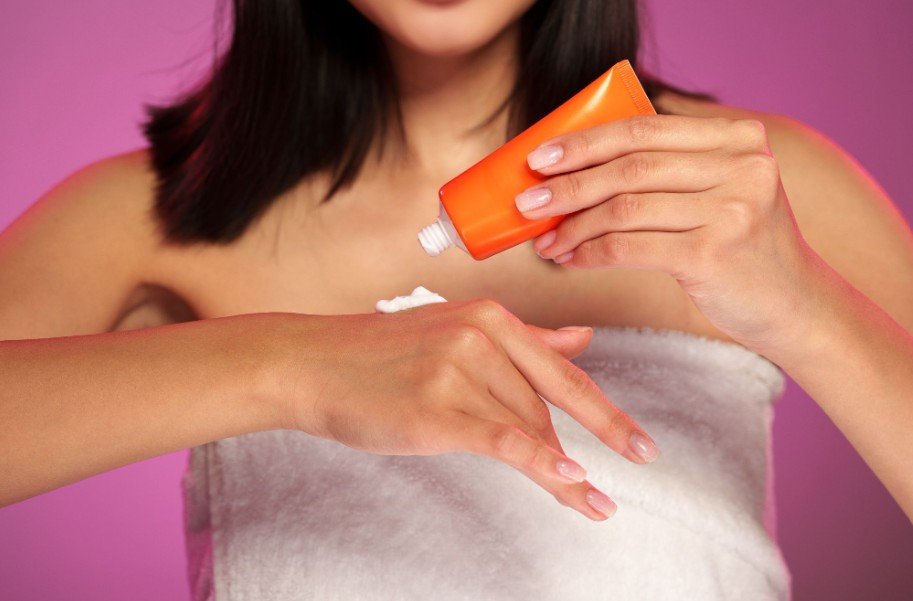
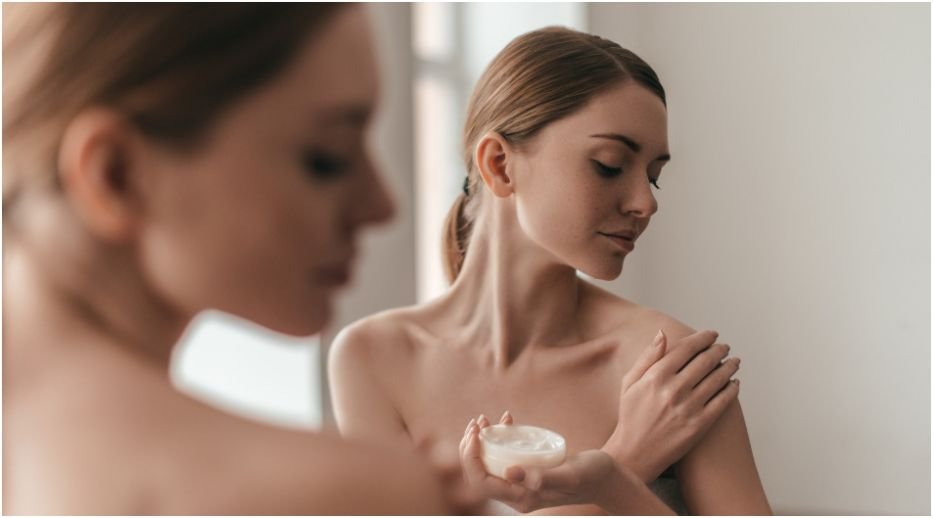
Apply lotion evenly over the serum. A lightweight, fast-absorbing lotion may feel best during humid summers, while a richer ceramide cream can provide greater comfort during cold or dry weather.
Pay extra attention to the elbows, knees, hands, and lower legs because these areas often become dry. Ingredients such as ceramides, shea butter, squalane, colloidal oatmeal, and fatty acids can support the skin barrier.
Anyone following a perfume layering routine for sensitive skin should allow the lotion to absorb fully before applying fragrance and avoid spraying scented products onto irritated or freshly exfoliated areas.
Step 6: Finish With Sunscreen During the Day
Apply broad-spectrum SPF 30 or higher to exposed skin when you plan to go outdoors. Cover commonly missed areas such as the neck, chest, shoulders, hands, and tops of the feet.
Sun protection becomes especially important when a body serum contains retinol, AHAs, or BHAs. These active ingredients may increase sun sensitivity, and unprotected exposure can work against your efforts to improve uneven tone.
Which Body Serum and Lotion Ingredients Work Together?
For intense hydration, pair a hyaluronic acid or glycerin serum with a lotion containing ceramides, shea butter, or squalane. The serum supplies water-binding ingredients, while the lotion softens the skin and limits moisture loss.
For smoothing and firming, a peptide serum can work well beneath a niacinamide or squalane lotion. Retinol may also improve the appearance of rough texture and fine lines, but it should be introduced gradually.
For brightening and dark spots, consider a vitamin C, niacinamide, or exfoliating acid serum followed by a simple lotion containing vitamin E, aloe, ceramides, or other barrier-supporting ingredients. Sunscreen remains essential when exposed skin is being treated.
Avoid stacking multiple strong actives in one routine. An AHA or BHA serum beneath an exfoliating lotion may cause over-exfoliation. Similarly, combining a retinol serum with a retinol lotion can increase dryness, peeling, and irritation.
How Should You Adjust the Routine for Your Skin Type?
Dry or dehydrated skin usually benefits from a humectant serum followed by a rich lotion or cream. During harsh US winters or in dry climates, a light layer of body oil can be added after lotion.
Sensitive skin needs fragrance-free products and a slower introduction schedule. Patch-test new active serums and begin using them once or twice per week.
Oily or blemish-prone skin still needs moisture. Choose a lightweight, noncomedogenic lotion and avoid heavy products under tight clothing. For rough, bumpy skin or keratosis pilaris, a serum containing lactic acid, salicylic acid, or urea may help, but it should be paired with a gentle moisturizer.
A simple body care routine for keratosis pilaris beginners can help introduce these exfoliating ingredients gradually while maintaining the hydration needed to protect the skin barrier.
Why Do Body Serum and Lotion Pill?
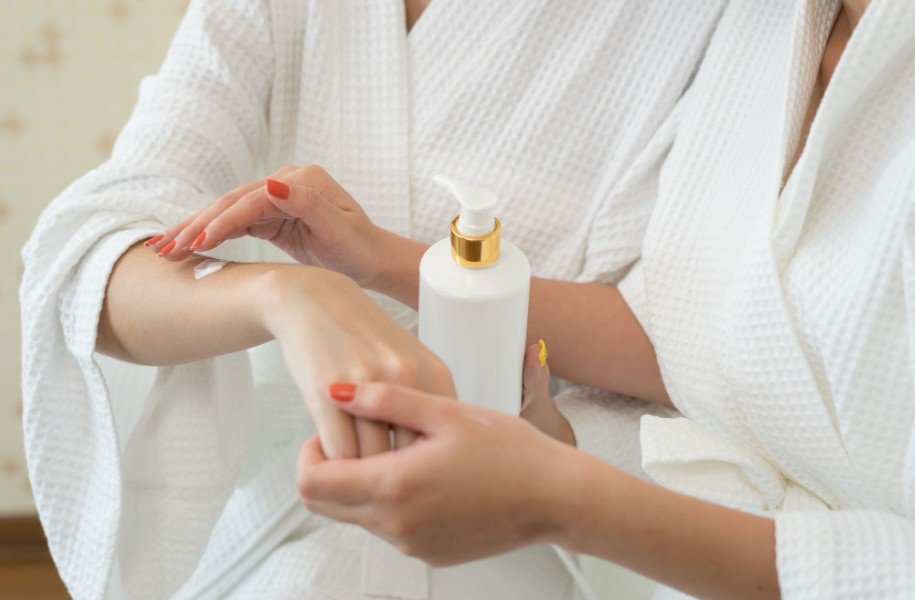
Pilling usually results from applying too much product, rubbing aggressively, or adding lotion before the serum settles. Incompatible film-forming ingredients may also cause products to roll off the skin.
Use thinner layers and gently press the lotion onto the skin before smoothing it. If the problem continues, test each product separately. One formula may pill even when used alone.
Mixing serum and lotion in your hand is not always a reliable solution. It may dilute the treatment or create uneven application. Layering them separately gives you greater control over the amount and placement of each product.
Frequently Asked Questions
1. How long should I wait between body serum and lotion?
Wait until the serum has mostly settled, which usually takes 30 to 90 seconds. The surface should no longer feel extremely wet.
2. Can I apply body serum and lotion every day?
Hydrating formulas can often be used daily. Retinol and exfoliating serums may need to start at once or twice weekly.
3. Should body serum go on wet or dry skin?
Apply hydrating serum to slightly damp skin. Apply retinol or strong exfoliating treatments according to the label, often on completely dry skin.
4. What is the easiest way to learn how to layer body serum and body lotion?
Start with clean skin, apply a thin serum layer, allow it to settle, and finish with lotion. Use sunscreen on exposed areas during the day.
Building a Better Layered Body Care Routine
After testing different application methods, I have found that how to layer body serum and body lotion matters more than using large amounts of either product. Serum should deliver the targeted treatment, while lotion should provide lasting moisture and barrier support.
The most effective routine is also the one your skin can tolerate consistently. Choose complementary ingredients, introduce strong actives gradually, and adjust the lotion texture for your climate. This practical approach can keep the skin feeling smooth, hydrated, and comfortable throughout the year.