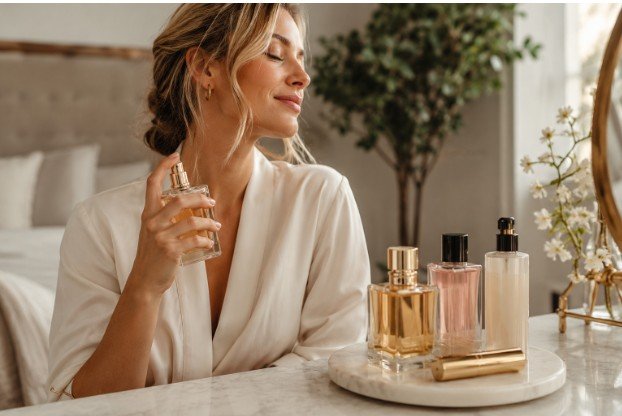
I used to think a perfume either worked on its own, or it didn’t. Then I noticed how the same fragrance could smell softer after a shower, warmer on a cold day, or surprisingly sweet beside a scented body oil. The difference wasn’t always a new bottle. Sometimes it was the order I applied what I already owned.
I started treating fragrance as a small routine rather than a single spray. A little skin prep, one oil, and a perfume with notes that made sense together could create a scent that felt more personal. The trick was knowing when to stop, because adding more products does not automatically make a fragrance better.
Why Body Oils and Perfume Work Well Together
Scented body oils add moisture and fragrance. Their aroma may sit close to the skin, while perfume brings its own top, heart, and base notes. When the profiles complement each other, the result can feel rounded rather than competitive.
Oil is not a guaranteed fix for longevity. Wear time depends on formula, concentration, skin, weather, and application. Treat it as a comfortable base, not a promise that perfume will last all day.
How to Build a Fragrance Layering Routine

Start with clean, hydrated skin
After showering, gently dry your skin and apply body oil while it still feels slightly damp, if the label allows. You do not need hot water or open pores for fragrance to work. Start with clean skin and add moisture before perfume.
Choose an unscented oil when you want perfume to lead. A scented oil can add character, but should not overwhelm it. If your skin is sensitive, check the ingredients and test a small area first.
Let the oil settle, then apply perfume
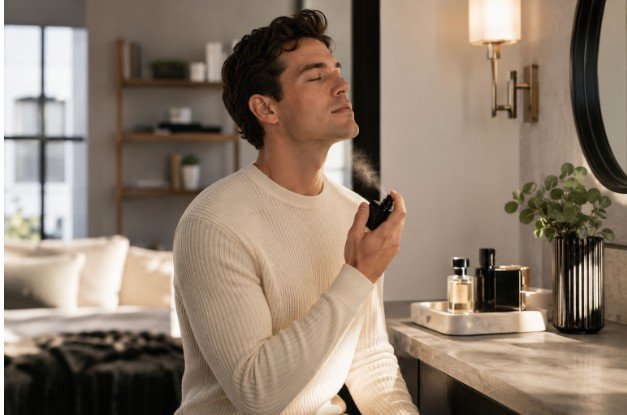
Apply a modest amount of oil and let it absorb until skin feels moisturized, not slick. Then apply perfume to a few pulse points, such as wrists or the sides of your neck.
There is no universal rule to layer everything from heaviest to lightest. Oils, mists, and perfumes have different formulas, so follow directions and experiment. Avoid rubbing your wrists together after spraying.
Add another layer only if it helps
A body mist or second fragrance is optional. Try one combination at a time and let it develop. Revisit it after the opening notes fade; a blend that seems lovely at first can become too sweet or dense later.
Choose Notes That Work Together
Decide on the character you want: fresh, floral, woody, musky, or gourmand. Pairing within one family is an easy start. Vanilla oil with amber perfume can feel cozy, while floral oil beneath clean musk may feel understated.
Contrast works, too. Citrus can brighten creamy notes, woods can ground fruit, and musk can soften florals. Check product notes, but trust your nose over a strict formula. Notes describe a scent’s impression; they cannot guarantee two products will blend well on your skin.
For a sweeter profile, balance juicy fruit or vanilla with something airy instead of adding another rich gourmand. If you want more ideas, explore how to layer fruity gourmand scents without smelling too sweet. A crisp pear note, for example, may lift a creamy vanilla oil without turning the whole combination into dessert.
Common Mistakes That Make Layering Harder

The biggest mistake is using too many strong products at once. Two or three scented layers are usually plenty, especially if each has a noticeable fragrance. A rich oil, sweet mist, and intense perfume may all smell lovely alone but become crowded together.
Another mistake is judging a blend immediately. Let it settle before deciding whether the pairing works, and test new combinations on a small area of skin. Keep perfume away from irritated skin, and check fabric care instructions before spraying clothing because some formulas can stain. Do not apply fragrance oils to skin unless they are intended for that use.
Finally, avoid reapplying just because you cannot smell your perfume anymore. Your nose can become accustomed to a scent even while others can still detect it. Give the fragrance time before adding another spray.
For an easy everyday pairing, try a lightly scented oil with a perfume built around cedar, sandalwood, or soft musk. These notes can give a fragrance warmth without making it feel heavy. You can also explore clean musk and woody fragrance layering combinations when you want a close-to-skin scent with a little depth.
Make the Routine Fit Your Day
For work or close indoor settings, keep the oil subtle and use a light hand with perfume. In cooler weather, amber, vanilla, and woods may feel inviting; in heat, citrus or green notes can feel easier to wear. These are starting points, not rules.
Test the routine at home before an event. Notice which combinations you enjoy after an hour and whether they feel comfortable around others. A scent that smells lovely up close may project more strongly than expected.
FAQs: How to Build a Fragrance Layering Routine for Scented Body Oils and Perfume
1. Should body oil go on before perfume?
Usually, yes. Apply body oil first and let it settle before adding perfume. Check the product directions, especially if the oil is designed to be used with a specific fragrance.
2. Does scented body oil make perfume last longer?
It may help create a moisturized base, but longer wear is not guaranteed. Formulas, skin, temperature, and fragrance concentration all affect how long a scent remains noticeable.
3. How many scents should I layer?
Start with two scented products, such as one body oil and one perfume. Add a third only if the combination feels balanced after it settles.
4. Can I combine different fragrance families?
Absolutely. Shared notes can make a blend feel seamless, while contrasts such as citrus with woods can add brightness and depth. Test the pairing on skin before committing.
Let Your Signature Scent Feel Natural
A good fragrance layering routine should fit into real life, not turn getting ready into a complicated project. Begin with clean, moisturized skin, choose an oil that supports the perfume, and give the combination time to develop. Small changes in the amount you apply or the notes you pair can make a noticeable difference, but there is no single correct combination for everyone.
The best blend is the one you enjoy wearing. Keep it simple, stay curious, and let your nose make the final call.