
Dryness on the arms, legs, elbows, and knees can make skin feel tight, rough, itchy, or uncomfortable. I have found that adding more products is rarely the answer. A better approach is to cleanse gently, replace lost moisture, restore protective lipids, and stop habits that weaken the skin barrier.
The best clean beauty routine for dry body skin should be realistic. It does not require a crowded shelf or harsh “detox” treatments. It needs a few well-formulated products, consistent application, and ingredients selected for performance rather than marketing claims.
What Clean Beauty Means in Body Care
Clean does not automatically mean natural, organic, vegan, fragrance-free, or safer for everyone. Natural extracts and essential oils can irritate sensitive skin, while selected synthetic ingredients may be stable and effective. The important question is whether a formula supports the skin barrier without relying on fear-based claims.
Why Body Skin Becomes Dry
Body skin becomes dry when it loses water and protective oils faster than they can be replaced. Hot showers, strong cleansers, cold air, low humidity, frequent exfoliation, shaving, ultraviolet radiation and sun exposure, and aging may contribute.
Dry skin lacks enough protective oil, while dehydrated skin lacks water. You can experience both at once. Roughness, flaking, tightness, dullness, and persistent itching may mean a lightweight lotion is not providing enough support.
Step 1: Cleanse Without Stripping
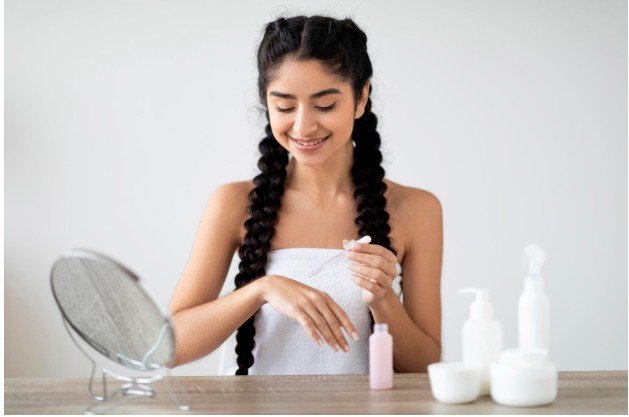
Choose a mild, low-foaming body wash containing ingredients such as glycerin, colloidal oatmeal, ceramides, or squalane. Heavy lather is not proof of better cleansing and may remove too much natural oil.
Use lukewarm water, keep showers short, and apply cleanser mainly to the underarms, feet, skin folds, and visibly dirty areas. Avoid aggressively scrubbing the entire body every day.
Step 2: Exfoliate Carefully
Exfoliation is optional. It can improve rough texture, but excessive use may worsen redness, sensitivity, and moisture loss.
Once-weekly exfoliation is a sensible starting point. Mild lactic acid or urea may loosen rough surface cells while supporting hydration. Do not combine a gritty scrub, exfoliating glove, shaving, and an acid treatment on the same day. Stop using the product if the skin stings, burns, or cracks.
Step 3: Moisturize Damp Skin
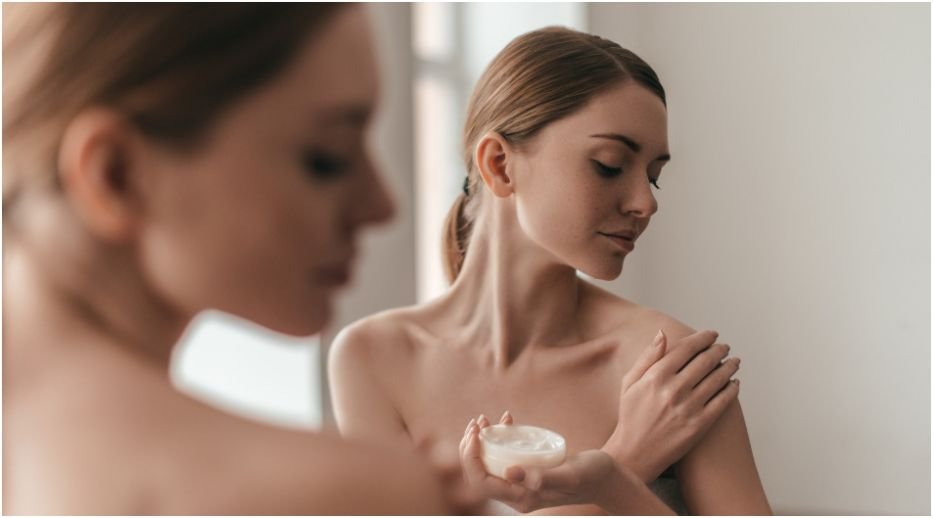
Pat the body gently after showering and leave a little moisture behind. Apply moisturizer within a few minutes to help slow water loss.
Lotions are lightweight, but creams are usually better for persistent dryness. Look for glycerin or hyaluronic acid to attract water, ceramides to support barrier lipids, and squalane or shea butter to soften rough areas.
Apply the product evenly instead of rubbing aggressively. Give extra attention to elbows, knees, shins, hands, and feet because these areas often become dry first.
Step 4: Seal Very Dry Patches
Body oil can soften skin, but it may not provide adequate hydration by itself. Apply it over a water-based lotion or cream to help seal in moisture.
Heels, knuckles, and elbows may benefit from a balm or ointment as the final nighttime layer. Use a thin coating to avoid an unnecessarily greasy finish.
Step 5: Protect Exposed Skin

Sunscreen is essential when the arms, legs, shoulders, chest, or hands are exposed. Sun damage can worsen dryness, uneven tone, and visible texture.
Choose a comfortable broad-spectrum formula and apply it generously. Reapply during prolonged outdoor exposure, after swimming, or after heavy sweating. Protective clothing and shade can provide additional support.
Morning and Evening Body-Care Routine
Morning Routine
Take a quick lukewarm shower or rinse, apply a fragrance-free cream to damp skin, and finish with sunscreen on exposed areas. A lighter lotion may feel more comfortable in warm or humid conditions.
Evening Routine
Cleanse gently, exfoliate only on planned nights, apply a richer cream, and seal stubborn patches with balm. Following the same routine consistently is usually more effective than constantly rotating products.
Ingredients Worth Looking For
Glycerin, hyaluronic acid, aloe, and panthenol act as humectants that help attract water. Ceramides, fatty acids, and cholesterol support the protective barrier. Squalane, shea butter, and suitable botanical oils soften the skin’s surface.
Colloidal oatmeal may help calm dryness and discomfort. Urea can provide hydration while gently improving rough texture when used at an appropriate concentration.
Fragrance, essential oils, drying alcohols, strong detergents, and aggressive exfoliants may trouble reactive skin. Their presence does not make every product unsuitable, but simple fragrance-free formulas are often easier to tolerate.
Adjust the Routine With the Seasons
Use a lighter lotion in warm or humid weather. In cold, windy, or heavily air-conditioned environments, switch to a richer cream and apply it more frequently.
Hands may need moisturizer after washing, while feet may benefit from cream followed by soft socks overnight. Adjusting product texture and application frequency is often more useful than replacing the entire routine.
Frequently Asked Questions
1. What Is the Best Clean Beauty Routine for Dry Body Skin?
Use a gentle cleanser, moisturize damp skin with a barrier-supporting cream, seal very dry areas when necessary, and apply sunscreen to exposed skin. Add mild exfoliation only when your skin tolerates it.
2. Should I Apply Body Lotion Every Day?
Yes. Daily moisturizing helps reduce water loss and maintain softness. Reapply after showering, swimming, handwashing, or whenever your skin starts feeling tight.
3. Is Body Oil Better Than Body Butter?
Neither option is universally better. Oil mainly softens and seals, while body butter provides a richer texture. Very dry skin may benefit from applying cream first and oil or body butter afterward.
4. Can Clean Body Products Irritate Dry Skin?
Yes. Botanical extracts, fragrance, essential oils, and exfoliating acids may cause irritation even when marketed as clean. Patch testing and introducing one product at a time can reduce the risk of a reaction.
A Softer, Stronger Finish
I prefer a body-care routine that is easy to repeat rather than one built around constant product launches. Gentle cleansing, damp-skin moisturizing, selective sealing, and daily protection address the main reasons dry skin feels uncomfortable.
Consistency also helps me identify what works and what causes irritation. By keeping the routine simple and adjusting it for climate, sensitivity, and texture, I can support smoother, more comfortable skin without unnecessary steps.