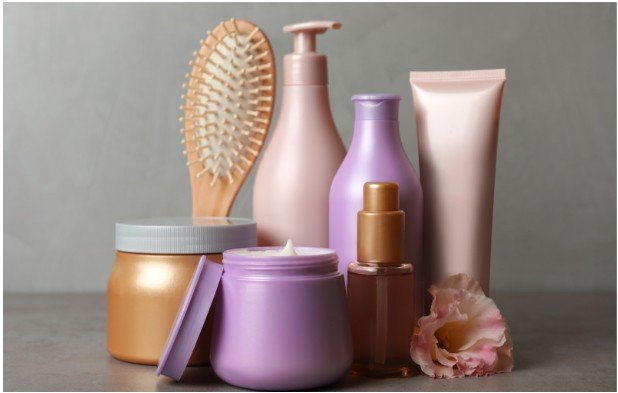
Whenever I see “paraben-free” printed prominently on a lotion, deodorant, or body wash, it can seem as though the label is warning me about a dangerous ingredient. However, beauty marketing does not always explain the complete scientific picture.
While researching are parabens really harmful in body care products, I discovered that parabens have raised legitimate questions, but the available evidence does not prove that approved cosmetic use causes cancer or serious illness in humans.
Understanding what parabens do, why they became controversial, and how different body care products affect exposure can help you make informed choices without relying on fear-based claims.
What Are Parabens?
Parabens are preservatives used in cosmetics and personal care products. They help prevent the growth of bacteria, yeast, mould, and fungi in formulas that contain water.
Common parabens found on ingredient labels include methylparaben, ethylparaben, propylparaben, and butylparaben. Manufacturers may use one paraben or combine several preservatives to protect a product throughout its expected shelf life.
Parabens may appear in:
- Body lotions
- Moisturisers
- Deodorants
- Body washes
- Shaving creams
- Scrubs
- Hair care products
- Makeup
Without an effective preservative system, a water-based product could become contaminated before it looks or smells spoiled. Preservation is therefore not simply about keeping a product fresh. It can also protect the person using it.
Why Are Parabens Used in Body Care Products?
Body care products are frequently exposed to air, moisture, fingers, and changing temperatures. A jar of body cream may be opened every day, while a bottle of body wash may remain in a humid bathroom for several months.
These conditions create opportunities for microorganisms to enter and multiply inside the formula. Parabens are popular because they can control several types of microbial growth at relatively low concentrations.
They are also stable, affordable, and compatible with many cosmetic ingredients. Their long history of use means formulators understand how they perform in different products.
Removing parabens does not remove the need for preservation. A manufacturer must replace them with another preservative system or change the product’s packaging, water content, or shelf life.
Why Did Parabens Become Controversial?
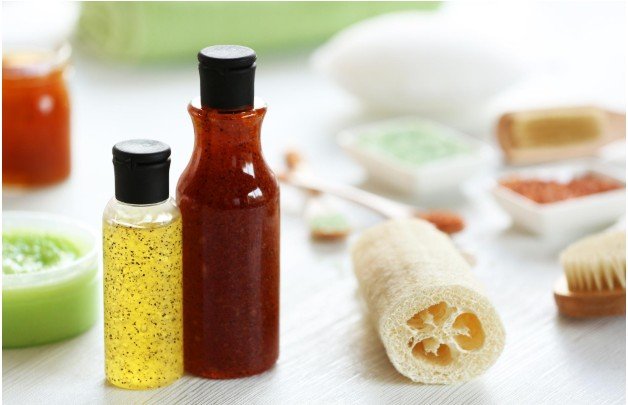
Concerns about parabens developed because some of them can demonstrate weak estrogen-like activity in laboratory studies. Estrogen is a hormone involved in several biological processes, including reproductive development and breast tissue function.
The controversy became more intense after researchers detected parabens in breast tissue samples. However, finding a substance in tissue does not prove that it caused disease. It also does not confirm that body care products were the only source of exposure.
This is an important distinction. A study may identify the presence of an ingredient without showing that the ingredient caused cancer, hormonal disruption, or another health condition.
Laboratory hazard and real-world risk are not identical. The concentration used in a study, the method of exposure, the duration of exposure, and the type of paraben can all influence the results.
Do Parabens Cause Cancer?
There is currently no established evidence proving that permitted concentrations of parabens in cosmetic products cause cancer in humans.
Some research has examined whether estrogen-like activity could contribute to hormone-sensitive cancers. However, the hormonal activity of parabens is considerably weaker than that of naturally occurring estrogen. Cosmetic formulas also generally use relatively small amounts.
Researchers continue to investigate cumulative exposure, long-term use, and the effects of different paraben types. Continued research is valuable, but ongoing investigation should not be confused with proof that normal cosmetic use causes cancer.
Claims that parabens definitely cause breast cancer oversimplify the evidence. At the same time, claiming that every paraben is completely risk-free for every person would also ignore scientific uncertainty and individual sensitivities.
Do All Parabens Have the Same Safety Profile?
Parabens are a family of related compounds, but they are not identical. Their chemical structures affect how they behave and how strongly they may interact with biological systems.
Shorter-chain parabens, such as methylparaben and ethylparaben, generally demonstrate weaker hormonal activity than certain longer-chain varieties. Propylparaben and butylparaben have attracted greater attention in some safety discussions.
The concentration also matters. An ingredient that produces an effect at a high laboratory dose may not produce the same effect at the much lower level used in a cosmetic formula.
This is why it is misleading to treat every ingredient ending in “paraben” as though it presents exactly the same level of concern.
So, Are Parabens Really Harmful in Body Care Products?
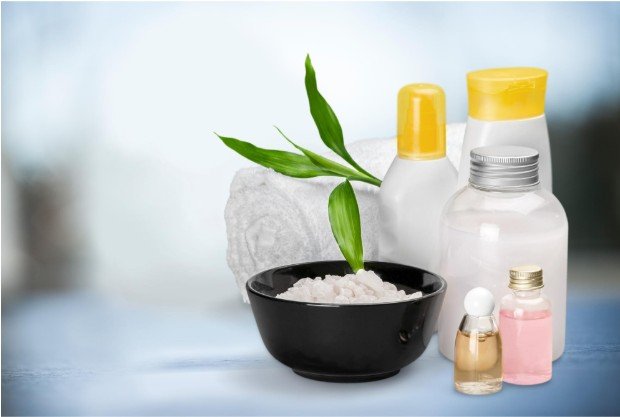
The most accurate answer is that approved parabens used at regulated cosmetic concentrations have not been proven to cause serious harm in humans. However, individual allergies, product type, frequency of use, concentration, and personal preferences can influence whether someone chooses to use them.
Consumers who want to reduce their exposure can select paraben-free options. That choice can be reasonable, provided the alternative product has a reliable preservative system.
Avoiding parabens should not mean choosing poorly preserved products. Bacterial or fungal contamination can create a more immediate skin concern than a properly tested preservative.
Rinse-Off and Leave-On Products Create Different Exposure
A body wash that stays on the skin briefly before being rinsed away creates a different exposure pattern from a lotion or deodorant worn throughout the day.
Leave-on products remain in contact with the skin for longer periods. Someone who prefers to take a cautious approach may therefore choose paraben-free leave-on products while feeling comfortable using properly formulated rinse-off products.
Application frequency also matters. Using one preserved lotion occasionally is different from layering body cream, deodorant, fragrance lotion, shaving products, and several other formulas every day.
However, these differences do not automatically make leave-on products dangerous. They simply provide useful context when evaluating personal exposure.
Can Parabens Irritate Sensitive Skin?
Parabens can cause an allergic reaction in some people, although this does not appear to be common. Symptoms may include redness, itching, swelling, or a persistent rash.
Sensitive skin reactions can be difficult to trace because body care products often contain many ingredients. Fragrance, essential oils, dyes, alcohol, exfoliating acids, and botanical extracts may also trigger irritation.
Testing a small amount of a new leave-on product before applying it widely can help identify possible reactions. Stop using a product if it repeatedly causes discomfort.
Anyone experiencing severe or persistent symptoms should seek guidance from a qualified healthcare professional.
Are Paraben-Free Products Always Safer?
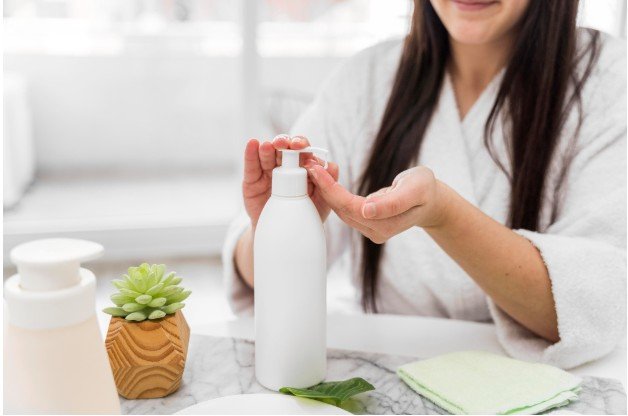
A paraben-free label does not automatically mean that a product is safer, gentler, natural, or free from preservatives.
Water-based formulas still need protection from bacteria, mould, and yeast. Manufacturers may replace parabens with phenoxyethanol, benzyl alcohol, sodium benzoate, potassium sorbate, organic acids, or combinations of other preservatives.
These alternatives can be effective, but they may also irritate certain skin types. No preservative is universally perfect for every person.
Packaging can also influence product safety. Pumps and airless containers reduce contact with fingers and air. Wide-mouth jars are opened repeatedly, increasing the possibility of contamination.
A well-formulated product with suitable packaging may be a better choice than one selected only because it displays a fashionable claim. When comparing sustainable packaging vs clean beauty formulas, it is important to recognise that both contribute to a more responsible purchase, but neither should come at the expense of product safety or performance.
Naturally, the best option is one that combines effective, skin-friendly ingredients with thoughtfully designed, recyclable or refillable packaging, rather than relying solely on marketing claims.
How to Identify Parabens on an Ingredient Label
Parabens are usually easy to recognise because their ingredient names end with “paraben.”
Look for names such as:
- Methylparaben
- Ethylparaben
- Propylparaben
- Butylparaben
Preservatives often appear near the end of the ingredient list because they are generally used in small quantities.
Check the product’s expiration date or period-after-opening symbol. Follow the storage instructions and keep containers tightly closed.
Discard a product if its colour, smell, appearance, or texture changes unexpectedly. Never dilute an old lotion or cleanser with water because doing so can weaken its preservation system.
Frequently Asked Questions
1. Are Parabens Really Harmful in Body Care Products for Everyday Use?
Approved cosmetic concentrations have not been proven to cause serious harm through everyday use. People who remain concerned may choose well-formulated paraben-free alternatives.
2. Should I Throw Away Products That Contain Parabens?
There is generally no need to discard a properly stored product simply because it contains parabens. Stop using it if it is expired, contaminated, visibly changed, or causing irritation.
3. Is Methylparaben Safer Than Propylparaben?
Methylparaben generally demonstrates weaker hormonal activity than some longer-chain parabens. However, product safety also depends on concentration, formulation, exposure, and individual sensitivity.
4. Can Natural Body Care Products Become Contaminated?
Yes. Any formula containing water can support microbial growth without adequate preservation. Natural ingredients do not eliminate the need for safe formulation, testing, packaging, and storage.
Final Perspective
After reviewing the available information, I would not judge a body care product solely by whether it carries a paraben-free label. Parabens perform an important function by protecting water-based formulas from harmful microorganisms, and normal cosmetic use has not been proven to cause cancer in humans.
At the same time, I understand why some people prefer a precautionary approach, particularly with products that remain on the skin for many hours. I believe the most sensible choice is to examine the complete formula, packaging, expiration guidance, product type, and personal skin response.
A paraben-free product can be a suitable choice, but the label alone does not guarantee safety. A stable, properly preserved formula that works comfortably with your skin is ultimately more valuable than a marketing claim designed to create fear.