
I used to think those stubborn bumps on my arms needed a stronger scrub and more pressure. In reality, every aggressive attempt only left my skin redder, drier, and more noticeable. The right body care routine for keratosis pilaris beginners takes the opposite approach.
It relies on gentle cleansing, carefully paced chemical exfoliation, and consistent hydration to soften keratin buildup without damaging the skin barrier. Instead of trying to scrub “chicken skin” away overnight, this routine helps create gradual, visible improvement that is easier to maintain.
What Is the Best Three-Step Routine for Keratosis Pilaris?
A beginner does not need several scrubs, serums, and treatments. The most practical routine has three steps: use a hydrating body wash daily, apply one targeted keratolytic treatment two or three times weekly, and seal in moisture after every shower.
Keratolytic ingredients loosen accumulated keratin and dead skin. Lactic acid, glycolic acid, salicylic acid, and urea are common options available in US drugstores and beauty retailers. Instead of combining multiple active products, choose one based on your skin type and introduce it gradually.
Step 1: How Should You Wash KP-Prone Skin?
Use a creamy, soap-free body cleanser that leaves the skin comfortable rather than tight. Formulas containing glycerin, ceramides, or colloidal oatmeal can clean the body while supporting its protective barrier.
Choosing the best drugstore body wash for rough bumpy skin can help beginners cleanse KP-prone areas gently while addressing follicular buildup without excessive dryness.
Keep showers under approximately 10 minutes and use lukewarm water. Very hot water removes natural oils, increasing dryness and making rough bumps more noticeable. This adjustment becomes especially valuable during cold American winters and in homes with dry indoor heating.
Apply the cleanser with clean hands. Rough loofahs, stiff brushes, plastic shower puffs, and coarse scrubs can create unnecessary friction. After showering, pat the skin gently with a clean towel instead of rubbing it. Leave the treated areas slightly damp for the moisturizing step.
Step 2: Which Exfoliating Ingredient Should a Beginner Choose?
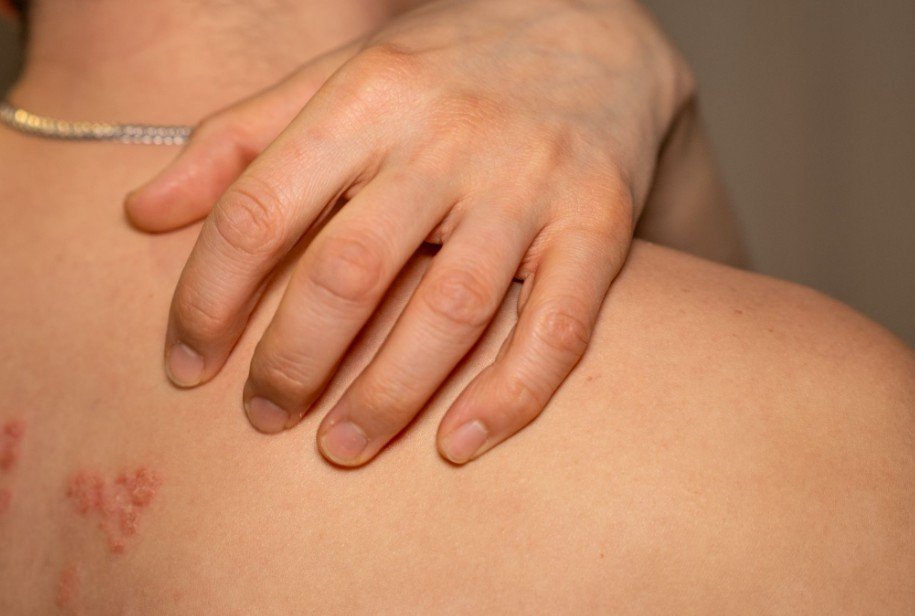
Chemical exfoliants help loosen the buildup around hair follicles without relying on aggressive scrubbing. The best ingredient depends on whether the skin is primarily dry, clogged, or sensitive.
Is Lactic Acid Good for Dry, Rough Skin?
Lactic acid is an alpha hydroxy acid that exfoliates the skin’s surface while supporting hydration. I consider it a practical starting option when KP occurs with dryness or flaking.
Begin with a lactic acid body lotion two nights per week. If the skin remains comfortable after several weeks, follow the product directions to increase usage gradually. Avoid applying it to broken, freshly shaved, sunburned, or already irritated skin.
Does Salicylic Acid Clear Keratin Buildup?
Salicylic acid is a beta hydroxy acid that helps loosen dead cells and buildup around the follicles. It may be helpful when rough bumps appear with clogged pores or body breakouts.
A rinse-off salicylic acid body wash usually offers shorter contact with the skin, while a leave-on lotion provides prolonged exposure. Sensitive beginners may find a rinse-off formula or infrequent leave-on application easier to tolerate.
Is Urea Lotion Effective for Keratosis Pilaris?
Urea is both a humectant and a keratolytic, depending on its concentration. It attracts water and helps soften rough buildup, making it useful for dry, textured skin.
Lower-strength urea creams may offer a gentler starting point than a strong acid treatment. Higher concentrations can exfoliate more intensely, so check the label and patch-test the formula before applying it widely.
Step 3: How Should You Moisturize After a Shower?
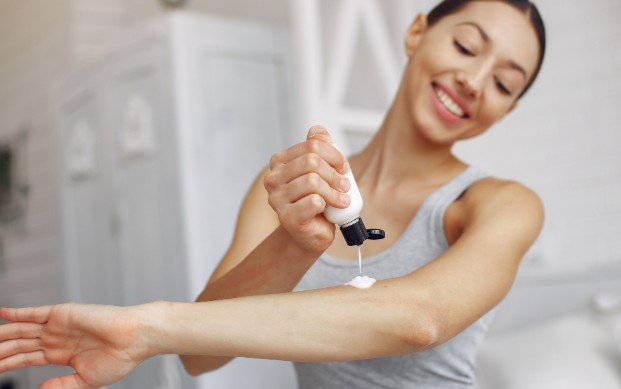
Apply moisturizer within about three minutes of leaving the shower. The skin should remain slightly damp but not dripping wet. This timing helps the moisturizer retain surface water and reduce moisture loss.
Choose a fragrance-free cream containing ceramides, glycerin, hyaluronic acid, niacinamide, colloidal oatmeal, or shea butter. A rich cream from a tube or tub generally provides more barrier support than a thin, watery lotion, particularly in dry weather.
If the exfoliating treatment already has a moisturizing base, another product may not always be necessary. However, apply a plain cream afterward if the skin feels tight. Keeping the supporting moisturizer simple also makes it easier to identify which product caused a reaction.
What Weekly KP Schedule Should Beginners Follow?
For the first two or three weeks, cleanse and moisturize every day. On Monday and Thursday evenings, apply one leave-on exfoliant between cleansing and moisturizing. Use only cleanser and plain moisturizer on the other days.
If no persistent burning, peeling, itching, or increased redness appears, add a third treatment night if the product label permits it. Do not combine an exfoliating wash, rough scrub, acid lotion, and retinoid in one session. Excessive exfoliation damages the skin barrier and can make the bumps appear angrier rather than smoother.
How Can You Prevent KP Irritation and Dark Marks?
Patch-test every new product on a small area and wait several days before treating both arms or thighs. Introduce only one active formula at a time.
Reviewing the ingredients to avoid in body wash for eczema can help reduce the risk of fragrance, harsh cleansers, or irritating preservatives aggravating sensitive KP-prone skin.
If the skin develops ongoing burning, cracking, swelling, or a rash, stop exfoliating and return to gentle cleansing and moisturizing.
Avoid scratching, squeezing, or picking the bumps. These habits can increase inflammation and leave post-inflammatory discoloration, especially on deeper skin tones.
Clothing also matters. Tight leggings, restrictive sleeves, and abrasive fabrics repeatedly rub the affected areas. Breathable cotton and looser athletic clothing can reduce friction, particularly during hot US summers and sweaty workouts.
How Should You Shave Areas With Keratosis Pilaris?
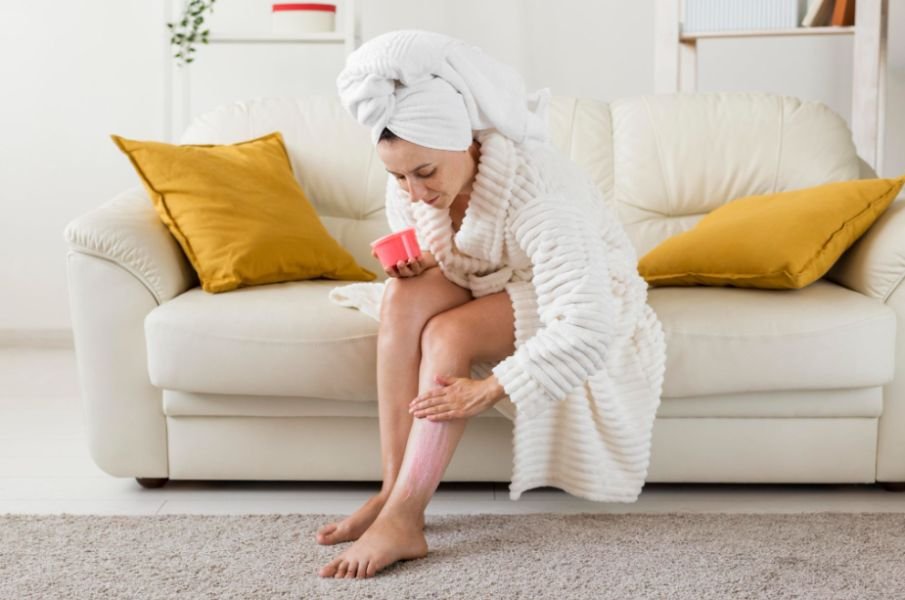
Soften the skin with warm water and apply a fragrance-free shaving cream. Use a clean, sharp razor and shave in the direction of hair growth. Repeated passes over the same spot can increase irritation.
Skip strong acids immediately before and after shaving. Schedule chemical exfoliation for another day if hair removal makes the skin sensitive. Finish with a plain moisturizer that does not contain fragrance or additional exfoliating ingredients.
Does KP-Prone Skin Need Sunscreen?
Apply a broad-spectrum SPF 30 or higher to exposed arms and legs. AHAs can increase sensitivity to sunlight, and unprotected exposure may deepen marks left by inflamed bumps.
Choose a water-resistant formula for outdoor exercise, swimming, or humid weather, and reapply it according to the label. Sunscreen does not treat keratin buildup directly, but it protects the skin while other products address texture.
How Long Does a Keratosis Pilaris Routine Take to Work?
Visible improvement rarely happens overnight. Some people notice softer skin within several weeks, but meaningful changes may take four to six weeks or longer. Skin turnover varies, so the commonly repeated 28-day timeline should not be treated as a guarantee.
I recommend evaluating texture, redness, dryness, and comfort every two weeks under similar lighting. Avoid replacing products every few days. KP often returns when maintenance stops, so long-term consistency matters more than an aggressive short-term treatment.
Frequently Asked Questions
1. What is the easiest body care routine for keratosis pilaris beginners?
Use a mild cleanser and rich moisturizer daily, then introduce one lactic acid, salicylic acid, or urea treatment two nights per week.
2. Can I exfoliate keratosis pilaris every day?
Daily exfoliation may irritate beginners. Start two or three times weekly and increase only when the formula’s directions and your skin tolerance support it.
3. Should I use a physical scrub for chicken skin?
A coarse scrub can intensify friction and redness. A properly used chemical exfoliant generally provides a more controlled method of improving rough texture.
4. When should I see a dermatologist about KP bumps?
Seek professional care if the diagnosis is uncertain or the bumps become painful, intensely itchy, warm, swollen, pus-filled, or rapidly spread.
A More Sustainable Way to Manage Rough Bumps
I have found that treating KP as a long-term skin tendency creates more realistic expectations than chasing an instant cure. Gentle cleansing, one carefully selected exfoliant, deep hydration, sun protection, and reduced friction form a routine that beginners can maintain.
Patience is essential. Give each product enough time to work, monitor how the skin responds, and reduce exfoliation whenever irritation develops. Smoother-looking skin usually comes from consistency, not force.