

Your face should not be the only part of your skin getting first-class treatment. I learned that smooth, healthy-looking body skin is not created by one rushed shower or an occasional layer of lotion. It comes from giving my skin what it needs at the right time.
A thoughtfully planned morning and night body care routine acts like a 24-hour support system: the morning steps hydrate and defend, while the evening steps wash away the day and replenish lost moisture. The best part is that I can achieve a comfortable, head-to-toe glow without turning my bathroom shelf into a beauty store.
How Should Morning and Night Body Care Be Different?
Your morning body skincare routine prepares exposed skin for sweat, UV (Ultraviolet radiation) rays, pollution, and shifting weather conditions. Lightweight hydration, antioxidant ingredients, and broad-spectrum sunscreen matter most during the day.
Nighttime body care removes sunscreen, sweat, dirt, and other accumulated residue. Evening is also a convenient time to use exfoliating or targeted products before sealing in moisture with a cream or body butter.
You do not have to shower twice daily. If you shower before bed, your morning steps can begin with a hydrating serum or lotion. People who exercise early, sweat overnight, or simply prefer a morning shower can cleanse gently without scrubbing aggressively.
What Is the Correct Morning Body Care Routine Order?
Cleanse Without Stripping Your Skin
Use lukewarm rather than hot water and choose a gentle body wash that removes overnight sweat and excess oil without leaving the skin tight. A fragrance-free cream cleanser can suit dry or sensitive skin, while a salicylic acid wash may help people with clogged pores or body acne.
Keep showers relatively short, especially during cold American winters when outdoor air and indoor heating can worsen dryness. After showering, pat yourself with a towel and leave the skin slightly damp.
Apply Vitamin C or Niacinamide Body Serum

Apply a lightweight body serum before lotion. Vitamin C can support brighter-looking skin and provide antioxidant benefits, while niacinamide may improve uneven-looking tone and strengthen the moisture barrier. Hyaluronic acid and glycerin are helpful when dehydration is the main concern.
Spread the serum over the areas you want to target, such as the chest, arms, shoulders, or legs. Allow it to settle briefly before applying a thicker product.
Learning how to layer body serum and body lotion helps each formula absorb properly while reducing stickiness, pilling, and unnecessary product waste.
Moisturize Damp Skin With a Lightweight Lotion
Massage a fast-absorbing lotion onto slightly damp skin to trap hydration without creating a sticky finish beneath clothing. Ceramides support the skin barrier, hyaluronic acid and glycerin attract water, and shea butter softens dry areas.
During humid summers, a lightweight lotion may feel sufficient. In colder or drier regions, replace it with a richer cream or apply extra moisturizer to your hands, elbows, knees, ankles, and heels.
Protect Exposed Skin With SPF 30 or Higher
Finish your morning skincare with broad-spectrum SPF 30 or higher. Apply it to every exposed area, including the neck, chest, shoulders, arms, hands, legs, ears, and tops of the feet.
Reapply according to the product directions, particularly after swimming, heavy sweating, or spending extended time outdoors. Apply deodorant to clean, dry underarms and add perfume or body mist only after your skincare has settled.
Understanding how to make layered fragrance last longer can help you create a moisturized base and apply scents in the right order for better staying power.
What Is the Best Nighttime Body Care Routine?
Remove Sweat, Sunscreen, and Pollution
Cleanse after working out, spending time outdoors, or wearing water-resistant sunscreen. A nourishing body wash works for most skin types, while a hydrating shower oil can make dry skin feel more comfortable.
If you exercise, change out of sweaty clothing promptly. Damp, tight fabric can trap heat and create friction across the back, chest, buttocks, and thighs, contributing to irritation and breakouts.
Exfoliate Two or Three Nights per Week

Exfoliating two or three times weekly may suit tolerant skin, but beginners and people with sensitive skin should start once weekly. Glycolic and lactic acid help loosen accumulated dead skin cells, while salicylic acid enters oily pores and may benefit body acne and ingrown hairs.
A gentle body scrub is another option, but avoid rough loofahs, sharp particles, and forceful pressure. Do not exfoliate sunburned, broken, freshly shaved, or irritated skin. Redness, burning, tenderness, or persistent flaking signals that you should reduce the frequency.
Apply a Targeted Body Treatment
Choose one treatment based on your main concern. A retinol body lotion can help improve the appearance of sun damage, fine lines, and uneven texture. Start slowly, use it only at night, and maintain consistent daytime sun protection. Avoid retinoids during pregnancy unless a qualified healthcare professional specifically approves them.
Salicylic acid washes, lotions, or sprays may help clear body breakouts. Urea, glycolic acid, and lactic acid can smooth rough, bumpy skin, including keratosis pilaris. Kojic acid, vitamin C, and niacinamide may improve the appearance of dark spots and dullness.
Safely formulated tea tree oil products may suit some acne-prone users, but never apply undiluted essential oil directly to the skin. Patch-test new treatments and avoid introducing several strong active ingredients simultaneously.
Deeply Moisturize and Seal With Body Oil
Apply a rich body cream or butter after your treatment. Look for ceramides, hyaluronic acid, glycerin, shea butter, and nourishing lipids when your skin feels dry or compromised.
For extra-dry skin, smooth a lightweight body oil over the cream. Oil acts as a final seal that reduces moisture loss, but it does not provide the same water-based hydration as serum or lotion. The most effective order is serum, treatment, cream, and then oil.
Which Ingredients Match Your Body Skin Concern?
Dry skin generally benefits from ceramides, hyaluronic acid, glycerin, and shea butter. A creamy cleanser and rich nighttime moisturizer can provide additional support.
Rough or bumpy skin may respond to glycolic acid, lactic acid, salicylic acid, or urea. Avoid trying to scrub keratosis pilaris away because excessive friction can increase irritation and redness.
For body acne, consider salicylic acid or a benzoyl peroxide wash, followed by a lightweight, non-comedogenic moisturizer. Avoid heavy oils on breakout-prone areas.
Dull skin and visible dark spots may benefit from vitamin C, niacinamide, kojic acid, or carefully scheduled exfoliation. Consistent sunscreen remains essential because unprotected sun exposure can make discoloration more noticeable.
What Body Care Mistakes Should You Avoid?
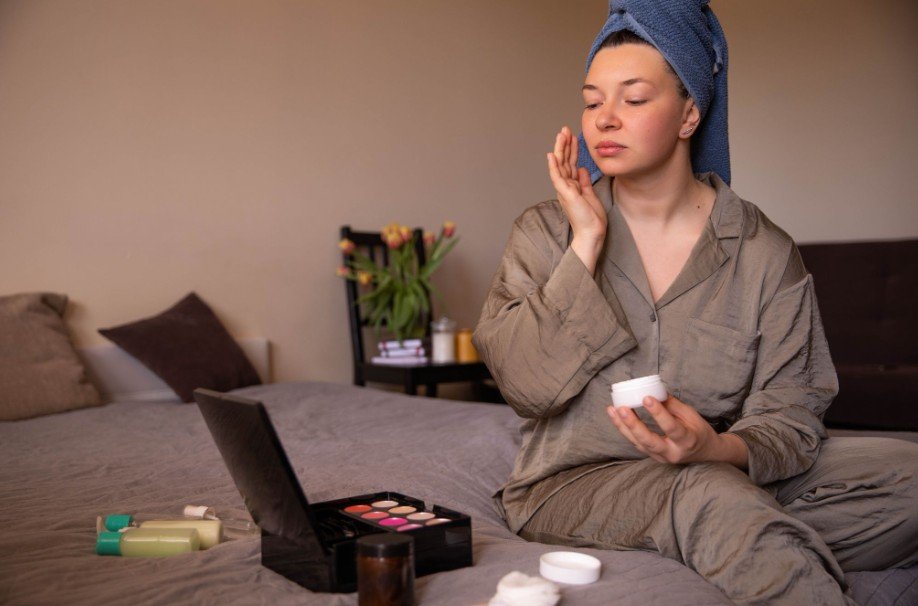
The most common mistake is combining too many active products. Using retinol, glycolic acid, salicylic acid, and a harsh scrub on the same night can damage the skin barrier. Rotate treatments instead and prioritize moisturizing.
Other mistakes include taking long hot showers, applying moisturizer only after the skin becomes uncomfortable, using body oil as the only hydrating step, and protecting the face with sunscreen while leaving the shoulders, chest, and hands exposed.
Persistent acne, painful bumps, spreading rashes, severe itching, or cracked and bleeding skin requires professional evaluation rather than more home treatments.
Frequently Asked Questions
1. How long does a daily body care routine take?
A basic routine takes only a few minutes. Morning care requires moisturizer and sunscreen, while nighttime care centers on cleansing and applying a suitable treatment or cream.
2. Do I need to exfoliate my body every day?
No. Daily exfoliation can cause dryness and irritation. Begin once weekly and gradually adjust based on your skin type and the product’s instructions.
3. Should body oil go before or after lotion?
Apply body oil after lotion or cream. Water-based products hydrate the skin, while oil creates a final layer that helps reduce moisture loss.
4. Can beginners follow a morning and night body care routine?
Yes. Beginners can start with gentle cleansing, moisturizing, and daily sunscreen. Add one exfoliant or targeted treatment only after the basic routine feels comfortable.
Build a Routine You Can Maintain
I believe consistency delivers better results than a complicated shelf full of products. Morning care should hydrate and protect, while evening care should remove daily buildup and give you room to address specific concerns.
Start with gentle products, introduce active ingredients gradually, and adjust textures as US weather changes. A practical routine that respects your skin barrier can help you maintain smoother, softer, and healthier-looking skin from your shoulders to your feet.