A beautiful scent combination should not disappear before lunch. When I consider how to make layered fragrance last longer, I focus less on adding sprays and more on moisture, evaporation, placement, and scent weight.
The same blend can perform differently on two people. Recent research found that fragrance evaporation varies with both aroma molecules and individual skin properties. A reliable routine must therefore work with your skin instead of copying someone else’s spray count.
Why Layered Fragrance Fades Too Fast
Layering often fails because every product lands on the same small area. The opening smells intense, but the fragrances can soon blur into one flat accord.
Note volatility also affects wear. Citrus, green, and aquatic notes usually feel brighter and fade faster. Vanilla, musk, amber, patchouli, and woods tend to provide a more persistent foundation. Understanding how to make layered fragrance last longer begins with giving every layer a specific purpose.
Dry skin, warm temperatures, sweat, clothing, fragrance concentration, and personal skin chemistry can also change the result. More perfume does not always fix these problems. Better preparation usually does.
Prepare a Moisturized Fragrance Base
Choose the Right Moisturizer
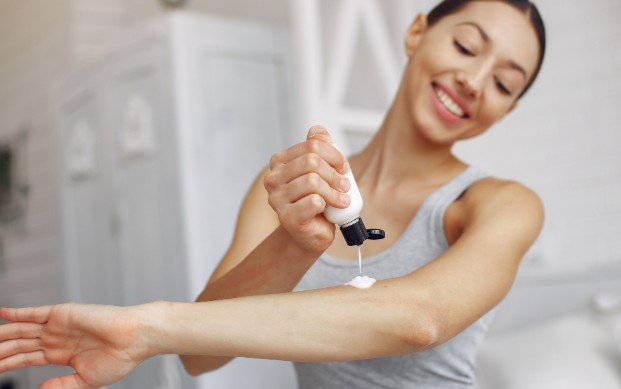
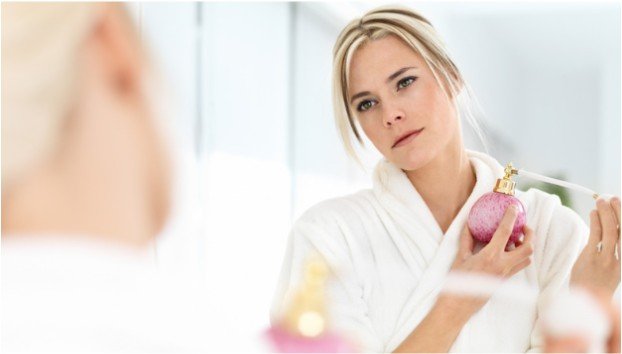
I prefer applying fragrance after a shower, once my skin is dry but still hydrated. Lotion, cream, or body oil creates a smoother base for the perfume. Current fragrance guidance also recommends moisturizing the intended spray areas before application.
Use an unscented lotion when you want your perfumes to remain unchanged. Choose a note-matched product when you want greater depth. Vanilla cream can support amber or gourmand scents. Rose lotion can connect floral and musk perfumes.
People with reactive skin should be more selective. The American Academy of Dermatology identifies fragrance as a common contact-dermatitis trigger. It recommends fragrance-free skin care for sensitive or dry skin.
Use Petroleum Jelly With Restraint
A tiny amount of petroleum jelly can create an occlusive spot on a wrist or inner elbow. Apply a thin film, then spray the main fragrance above it.
I would not spread it across every pulse point. Too much ointment can make a blend feel dense and delay its natural opening. Skip this method if your skin becomes irritated easily.
Follow a perfume layering routine for sensitive skin before placing several scented products directly on your body.
Try the Anchor–Bridge–Halo Method

My most useful approach to how to make layered fragrance last longer is the Anchor–Bridge–Halo method. It separates longevity, character, and scent trail instead of forcing every product into one crowded spray zone.
Build the Anchor
The anchor supplies staying power. Choose a perfume oil, parfum, eau de parfum, or a fragrance built around musk, amber, vanilla, resin, oud, patchouli, or woods.
Higher fragrance concentration generally predicts greater intensity and longer wear, although individual formulas differ. Apply one or two controlled sprays to the chest or inner elbows.
The anchor should remain noticeable after the brighter notes fade. It does not need to be the loudest fragrance in the opening.
Add the Bridge
The bridge connects the anchor to the brighter scent you want people to notice first. Examples include citrus over vanilla, a floral over sandalwood, or soft spice over amber.
Test both perfumes on separate blotters before putting them on your skin. Wave the strips together and smell them from several inches away. Ulta recommends this compatibility test because it can reveal clashes before application.
A shared note often creates the strongest bridge. Two perfumes containing vanilla, bergamot, rose, musk, or sandalwood are usually easier to connect than completely unrelated fragrances.
Create the Halo
The halo creates movement around you. Use a hair mist, body mist, or a light spray on washable fabric that tolerates fragrance.
Place this layer away from the concentrated skin sprays. Vogue’s recent layering coverage also treats body creams, oils, and hair mists as separate parts of modern scent stacking. This approach explains how to make layered fragrance last longer without making the combination excessively strong.
Use a dedicated hair mist when possible. Regular alcohol-based perfume may leave dry or processed hair feeling rough. Spraying a hairbrush before gently brushing can provide a lighter alternative.
Improve Perfume Application and Placement
Use Pulse Points Without Rubbing
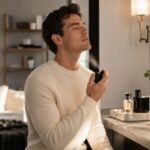
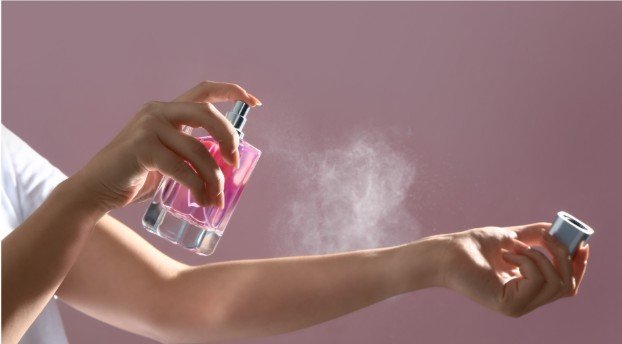
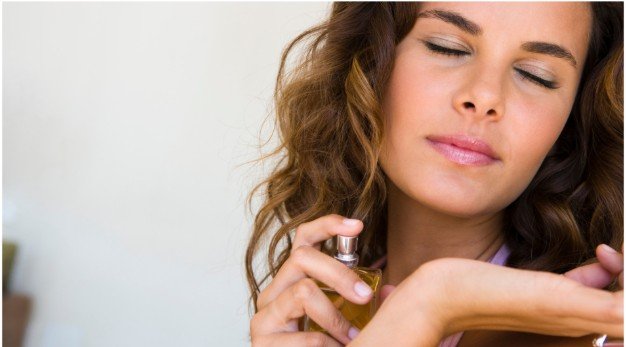
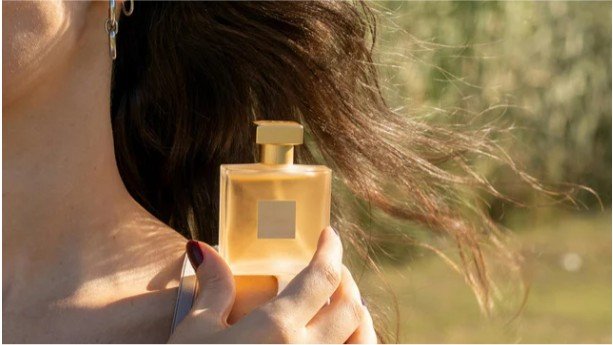
Warm areas such as the wrists, neck, collarbone, inner elbows, and behind the knees help fragrance diffuse. Spray the perfume and allow it to dry naturally.
Do not rub your wrists together. Friction adds heat and can alter how delicate top and middle notes develop. Rubbing can also transfer part of the liquid instead of leaving an even application.
When learning how to make layered fragrance last longer, I treat this rule as non-negotiable. Spray, wait, and allow each scent to settle.
Separate Each Fragrance Layer
Do not place both perfumes on every pulse point. Put the anchor on the chest or inner elbows. Apply the bridge to the neck or wrists. Add the halo to hair or an outer garment.
This zone system is the article’s original element. Each fragrance receives its own evaporation path instead of competing in one wet patch.
The method also makes troubleshooting easier. When the blend fades, you can identify whether the anchor, bridge, or halo disappeared first. You can then adjust one product instead of repeating the whole routine.
Match Concentration, Notes, and Weather
A light body mist cannot always support two powerful perfumes. Build the combination around the most concentrated fragrance, then use lighter formats to shape the opening.
For example, pair a vanilla eau de parfum with a citrus body mist. The vanilla supplies depth while the citrus creates brightness. This balance is central to how to make layered fragrance last longer because the more tenacious product performs the structural work.
Do not assume the heavier fragrance must always be sprayed first. Some combinations develop better when applied to separate areas. Compatibility and placement matter more than a rigid order.
Weather also changes performance. Heat can make a dense blend project too strongly. Use fewer skin sprays during hot weather and move the halo toward hair or clothing. In dry air, moisturize more carefully before applying perfume.
Use a Three-Checkpoint Wear Test
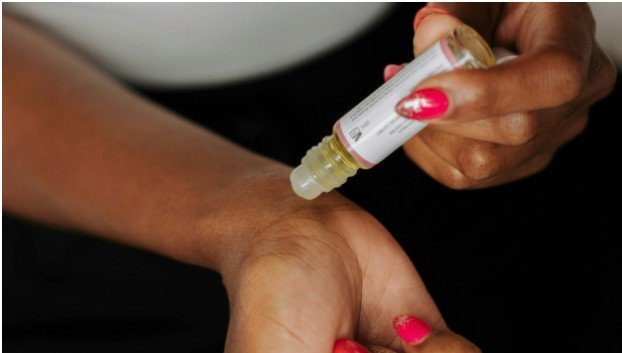
A controlled wear test produces better results than guessing. Apply your planned combination and evaluate it at three stages.
At five minutes, assess the opening. Check whether it smells bright, harsh, muddy, or overpowering.
At 30 minutes, decide whether the bridge still connects both fragrances. The combination should smell unified without losing the identity of each perfume.
At four hours, identify the surviving anchor. Notice whether the dry-down remains pleasant or becomes overly sweet, woody, powdery, or musky.
Change only one variable during the next test. Reduce one spray, move one layer, or replace the moisturizer. Fragrance experts also recommend testing blends on skin and allowing about 30 minutes to understand their development.
This scent clock teaches you how to make layered fragrance last longer while conserving perfume. It also reveals whether the real problem is pairing, placement, concentration, or skin preparation.
Avoid Longevity-Killing Mistakes
Overspraying is the most common mistake. Your nose can adapt to a fragrance while everyone around you can still detect it. Avoid adding several sprays just because the scent feels quieter to you.
Other mistakes include applying perfume to dry skin, rubbing wrists, combining unrelated scents, soaking delicate fabrics, and storing bottles in a warm bathroom.
Fabric may hold perfume longer than skin, but fragrance oils can discolor silk, satin, leather, and pale materials. Test an unseen section before spraying your outfit.
Store bottles upright in a cool, dark location. Avoid frequent temperature changes because they can make a fragrance age faster. A bedroom drawer or closed cabinet is usually safer than a steamy bathroom counter.
Frequently Asked Questions
1. How can I make layered perfume last all day?
Moisturize first, use a concentrated anchor, separate the spray zones, and refresh only the lightest fading layer.
2. Should heavier or lighter perfume go first?
Use the most tenacious scent as the anchor, then add the lighter fragrance carefully; compatibility matters more than a fixed order.
3. Does petroleum jelly make perfume last longer?
A thin layer may help perfume remain on one pulse point, but avoid it if your skin reacts or the blend feels too heavy.
4. How many fragrances should I layer?
Start with two perfumes and one supporting body or hair product because extra layers often reduce clarity.
Your Scent Has Plans—Help It Keep Them
I no longer judge a layered fragrance by its first powerful minute. I judge it by whether the blend still has shape several hours later.
The practical answer to how to make layered fragrance last longer is straightforward: moisturize, assign every product a role, separate the spray zones, and test the dry-down.
Start with two scents tomorrow. Check them at five minutes, 30 minutes, and four hours. Your ideal ratio will reveal itself without turning the room into a perfume counter.