I spent years analyzing cosmetic formulas before realizing how thoroughly consumers are misled by front-label promises. When comparing clean beauty certifications vs natural beauty claims, the central conflict is simple: one relies on rigorous, third-party lab audits, while the other is pure, unregulated marketing spin.
Front Panel vs. Back Panel Reality
| Front Label (Unregulated Claims) | Back Label (Legal INCI) |
| “100% All-Natural” | Phenoxyethanol (1% Cap) |
| “Plant-Powered” | Fragrance Terpenes |
| “Pure Botanical Magic” | Trace Botanical Extracts |
| Zero Legal Definition | Strict Regulatory Standard |
The FDA Cosmetics Program does not legally define either “clean” or “natural.” That means any brand can slap an unverified green leaf on its bottle and claim moral superiority.
The Front-Panel Illusion: Why “Natural” Is Marketing, Not Safety
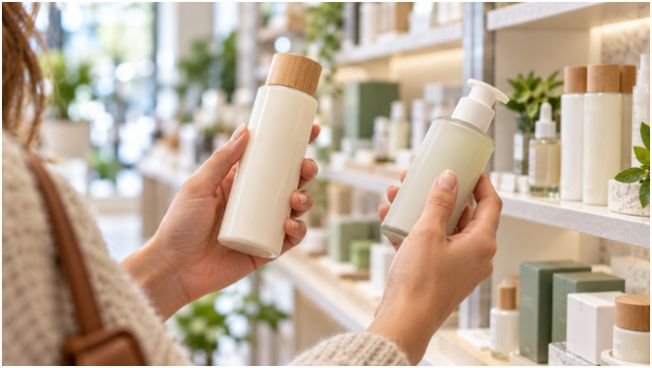
I regularly evaluate formulations where a brand advertises a product as “made with pure organic botanicals.” In reality, the formula contains 98% conventional solvent fillers and synthetic glycols, finished with a single, negligible drop of argan oil.
A brand can legally call a face cream “natural” even if the botanical components sit at fractions of a percent. This practice flourishes because there are no federal laws requiring brands to substantiate origin-based marketing before products reach retail shelves. When shopping for everyday cosmetics like a non toxic foundation, trusting front-label adjectives leaves you vulnerable to hidden irritants and poor formulation choices.
Sourcing Origins vs. Toxicological Safety
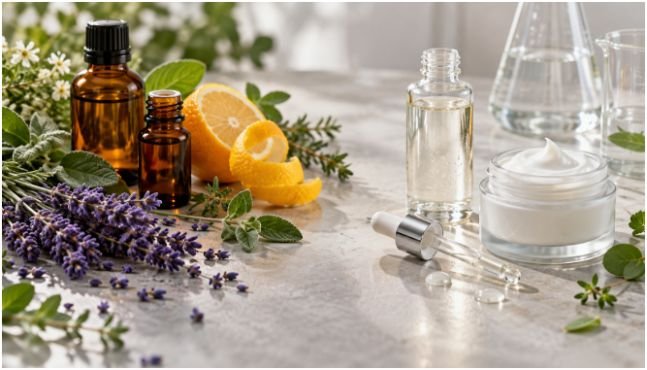
Clean beauty and natural beauty tackle formulation from opposing philosophies:
- Natural Beauty Focuses on Origin: It prioritizes whether an ingredient came from the ground, a tree, or a mineral deposit.
- Clean Beauty Focuses on Hazard Profiles: It prioritizes whether an ingredient poses an established risk for toxicity, hormone disruption, or organ toxicity, regardless of whether it was harvested from a garden or created in a sterile lab.
Lab-engineered actives illustrate this difference clearly. Safe, bio-identical synthetics like niacinamide, pure hyaluronic acid, and synthetic peptides are staples of clean beauty. They are manufactured under strictly controlled environments with zero pesticide contamination and stable shelf lives. Conversely, purist “natural” brands often reject these high-performing actives simply because they originated in a flask.
When “All-Natural” Triggers Allergic Contact Dermatitis
One of the most persistent cosmetic myths is that plants are inherently gentler than synthetics. In clinical dermatology settings, natural botanical preparations frequently rank among the primary culprits of allergic contact dermatitis.
Plants produce complex volatile compounds as natural defensive pesticides against herbivores and insects. When extracted as concentrated essential oils—such as lavender, peppermint, eucalyptus, or citrus peel oils—they bring complex mixtures of terpenes directly to your facial barrier.
Fragrance fractions such as limonene, linalool, citral, and geraniol oxidize on exposure to air, turning into aggressive topical sensitizers. I have seen clients destroy their skin barrier using 100% natural cold-pressed facial oils, only to find relief by switching to simple, lab-purified synthetic emollients.
Independent Certifications That Actually Matter
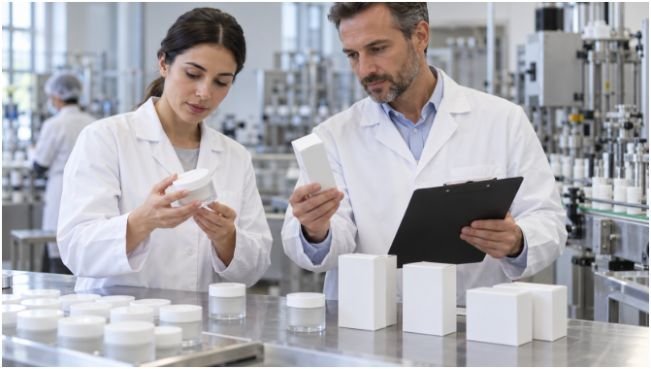
Because marketing jargon is unchecked, verified seals from independent bodies provide the only measurable safety and sourcing standards. These organizations demand chain-of-custody audits, toxicological reviews, and full ingredient disclosure.
Independent Certification Benchmarks
| Certification | Benchmark |
| EWG VERIFIED | Strict chemical exclusions; full fragrance transparency |
| MADE SAFE | Toxicological screening against bioaccumulation |
| COSMOS / ECOCERT | Ecological raw material audits; ban on petrols |
| USDA ORGANIC | Zero synthetic pesticides or GMO inputs |
EWG Verified and MADE SAFE: The Chemical Hazard Bar
The Environmental Working Group applies rigid safety criteria through its EWG Verified seal. To earn this mark, a brand must:
- Avoid all ingredients on EWG’s restricted chemical lists.
- Disclose all sub-components of fragrance mixtures rather than hiding behind the generic label term “fragrance.”
- Comply with rigorous Good Manufacturing Practices (GMP).
The MADE SAFE seal goes a step further by using exhaustive toxicological databases to screen ingredients. It verifies that raw materials do not bioaccumulate in aquatic life, disrupt human endocrine systems, or introduce cellular carcinogens. Passing a MADE SAFE audit requires rigorous chemical validation across the entire supply chain.
COSMOS and USDA Organic: Agricultural Supply-Chain Audits
When botanical purity is genuinely important to you, look to established agricultural and ecological seals rather than front-label words.
- COSMOS / Ecocert: The Ecocert COSMOS Standard represents an international benchmark for natural and organic cosmetics. It inspects raw material handling, strictly forbids petrochemical derivatives like silicones and PEGs, and validates packaging recyclability.
- USDA Organic: Governed by the USDA National Organic Program, this agricultural seal requires that at least 95% of agricultural ingredients meet strict organic farming criteria, prohibiting synthetic fertilizers, sewage sludge, irradiation, and genetic engineering.
How I Audit a Cosmetic INCI List for True Compliance
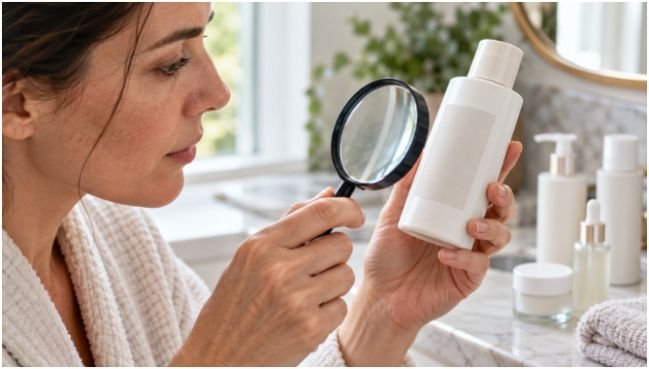
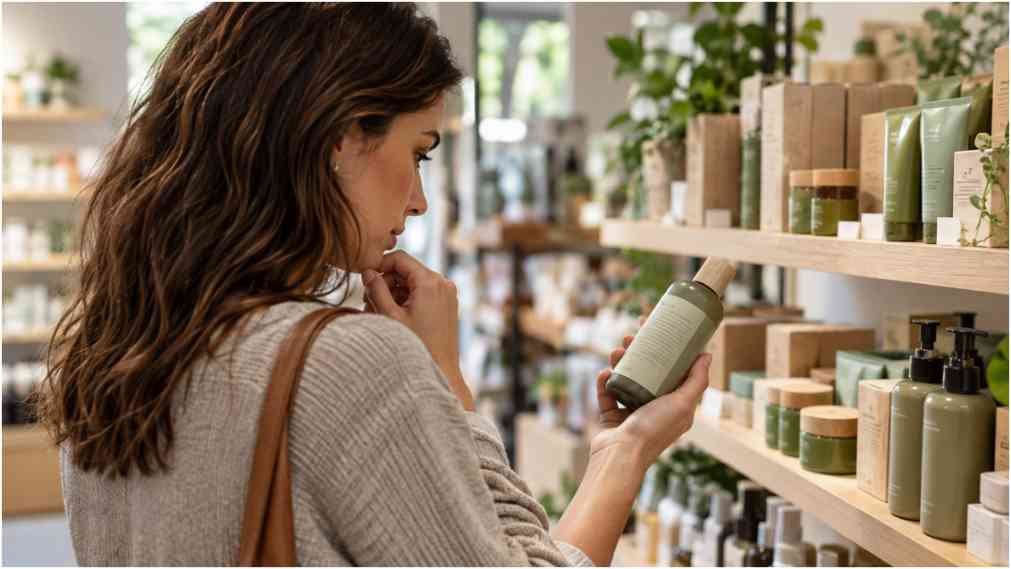
Whenever I test a new release, I flip the bottle around immediately. The back-of-pack International Nomenclature of Cosmetic Ingredients (INCI) list is legally bound by cosmetic labeling laws.
Anatomy of a Compliant INCI List
| Ingredient Group | Description |
| Top 5–7 Ingredients | Makes up 80–95% of total formula volume |
| The 1% Line Anchor | Marked by Phenoxyethanol, Xanthan Gum |
| Sub-1% Ingredients | Actives, plant extracts, scent allergens |
Finding the 1% Line
Cosmetic regulations require ingredients present at concentrations exceeding 1% to appear in descending order of weight. Below 1%, manufacturers may list ingredients in any order they prefer.
I locate the 1% boundary by searching for formula anchors:
- Preservative Thresholds: Phenoxyethanol is globally restricted to a maximum concentration of 1%. Everything listed after it sits below that threshold.
- Texturizers and Polymers: Stabilizers like xanthan gum, carbomer, and gellan gum are generally formulated between 0.1% and 0.8%.
- pH Balancers: Citric acid and sodium hydroxide generally appear below 0.3%.
If a brand claims its serum harnesses the restorative power of gotu kola or green tea, but that extract appears after phenoxyethanol, you are paying for trace concentrations. Knowing how to identify greenwashing in clean beauty brands prevents you from paying prestige prices for botanical fairy dust.
Frequently Asked Questions
1. Is natural skincare safer for sensitive skin than clean synthetic skincare?
No, unrefined natural plant extracts and essential oil terpenes frequently cause allergic contact dermatitis, whereas lab-purified synthetic actives are often more stable and hypoallergenic.
2. Does the FDA regulate clean or natural cosmetic claims?
No, the FDA does not legally define “clean” or “natural,” leaving the terms entirely open to brand interpretation and marketing discretion.
3. What is the most reliable third-party clean beauty certification?
EWG Verified and MADE SAFE offer the most rigorous toxicological screening for human health and ingredient safety.
4. Can a product labeled natural contain synthetic chemicals?
Yes, without third-party organic certification, a formula can contain over 90% conventional synthetic chemicals alongside trace plant oils and still market itself as natural.
The Clean Bottom Line: Stop Trusting the Marketing Deck
The contrast between clean beauty certifications and natural beauty claims comes down to independent verification versus brand storytelling. Natural claims cost brands nothing to print, but genuine certifications require exhaustive documentation, supply-chain transparency, and unannounced facility inspections.
Turn every bottle around before you tap your card. Disregard floral photography and minimalist typography on the front label.
Check the INCI list, confirm the presence of an independent seal like COSMOS, MADE SAFE, or EWG Verified, and let certified laboratory data dictate what touches your skin.