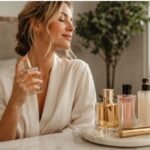

Your favorite perfume might smell incredible at home but completely different after a few hours on a sunny beach. Heat, humidity, sweat, and sunscreen can change how a fragrance develops, sometimes making delicate notes disappear faster or stronger aromas feel overwhelming.
Learning how to scent layer on vacation helps you create a balanced fragrance that complements your destination instead of competing with the weather. The secret isn’t wearing more perfume. It’s choosing compatible scents, preparing your skin, and applying products strategically.
Whether you’re exploring Miami, relaxing in Hawaii, or enjoying a California coastal getaway, a thoughtful fragrance routine can keep you smelling fresh without filling your suitcase with unnecessary products.
How to Scent Layer on Vacation Without Overdoing It
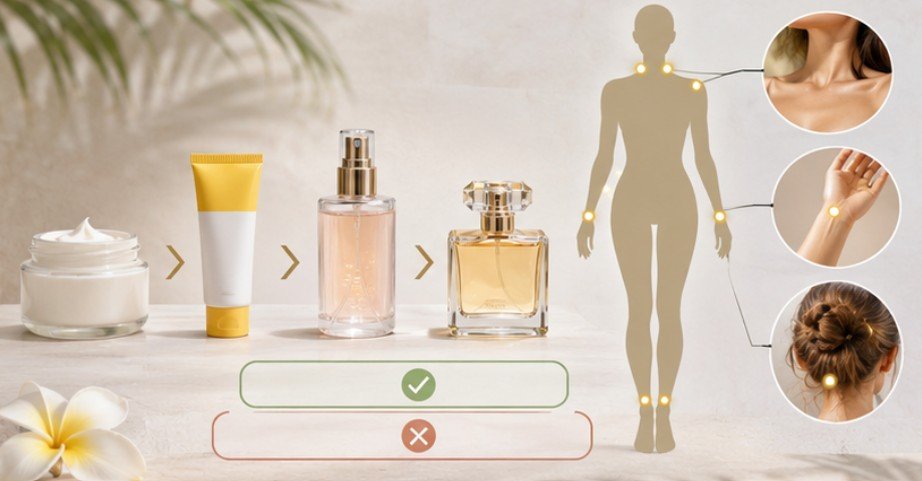
An effective fragrance routine combines a moisturizing foundation with complementary scented products. The goal is to create one recognizable aroma rather than several competing fragrances.
Step 1: Start With Clean, Hydrated Skin
Begin with a gentle shower to remove sweat, leftover sunscreen, and previous fragrance.
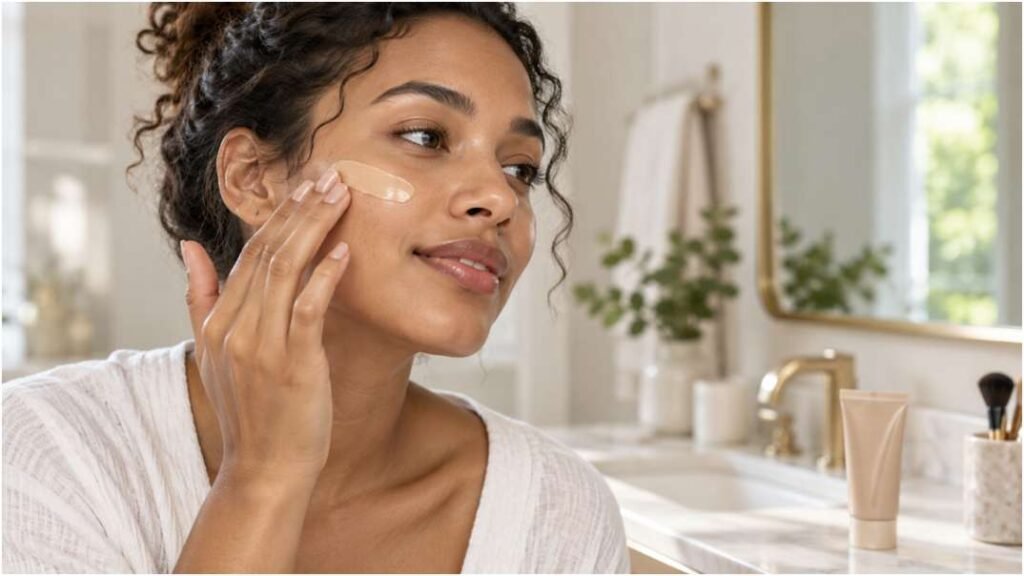
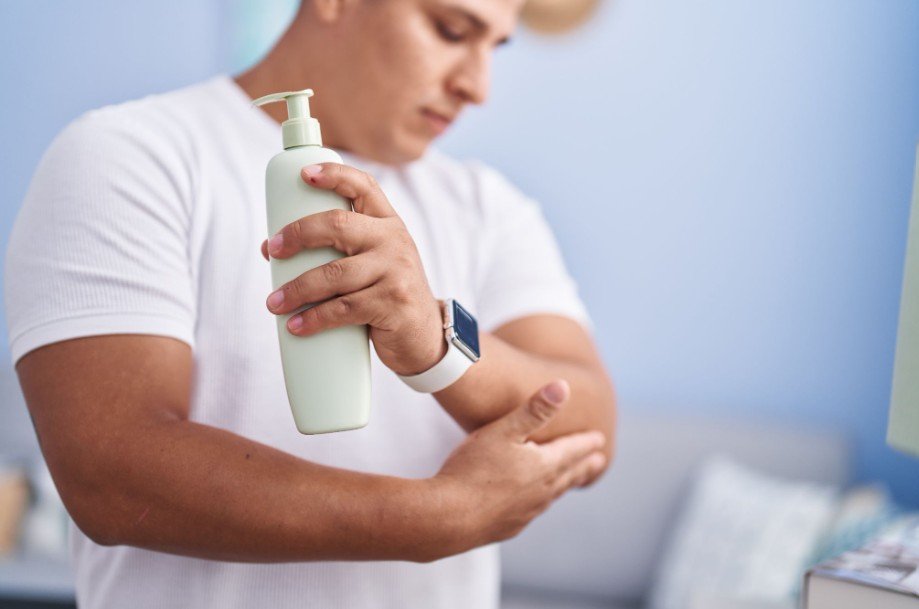
After bathing, gently pat your skin with a towel and apply moisturizer while your skin is slightly damp.
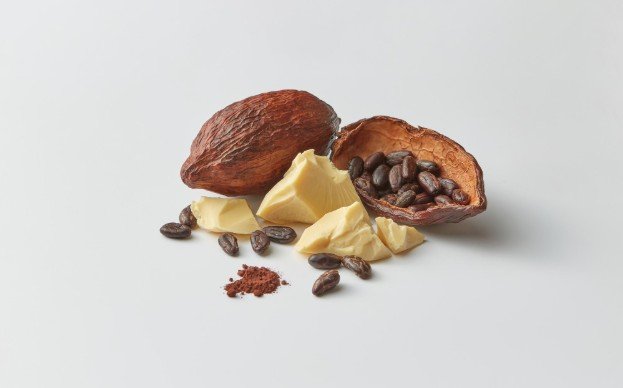
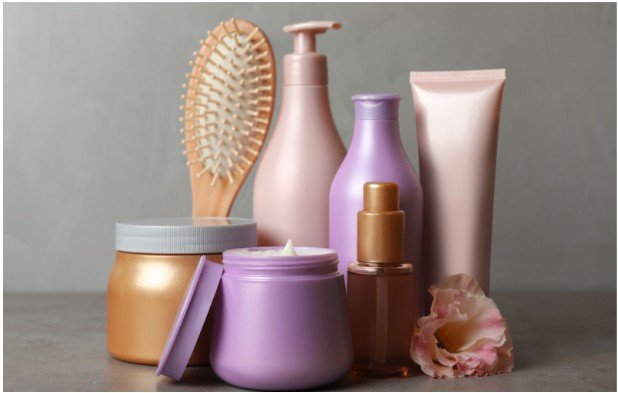
Choose an unscented, fragrance-free lotion if you want your perfume to remain the main attraction. Alternatively, use a lightly scented body cream with coconut, shea, or vanilla notes.
Moisturizing helps support the skin barrier and provides a comfortable foundation for your fragrance routine.
Allow the moisturizer to absorb before applying additional products.
Step 2: Make Sunscreen a Separate Priority
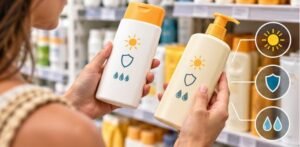
Sunscreen is essential for beach vacations, outdoor sightseeing, and poolside afternoons.
A lightly scented sunscreen can complement a tropical fragrance, but choose it for reliable sun protection rather than its aroma.
Look for broad-spectrum SPF 30 or higher and water resistance when swimming or sweating.
According to the American Academy of Dermatology’s sunscreen recommendations, sunscreen should be reapplied approximately every two hours outdoors and after swimming or sweating.
Apply your moisturizer first, followed by sunscreen according to its directions. Allow sunscreen to settle before using fragrance on separate areas.
Avoid mixing perfume or essential oils directly into sunscreen, since doing so may interfere with even application and reliable protection.
Step 3: Build Fragrance Gradually
Rather than applying every product simultaneously, build your scent in manageable stages.
Start with a lightly scented body lotion or mist. Then consider a small amount of fragrance oil on an area not exposed to intense sunlight.
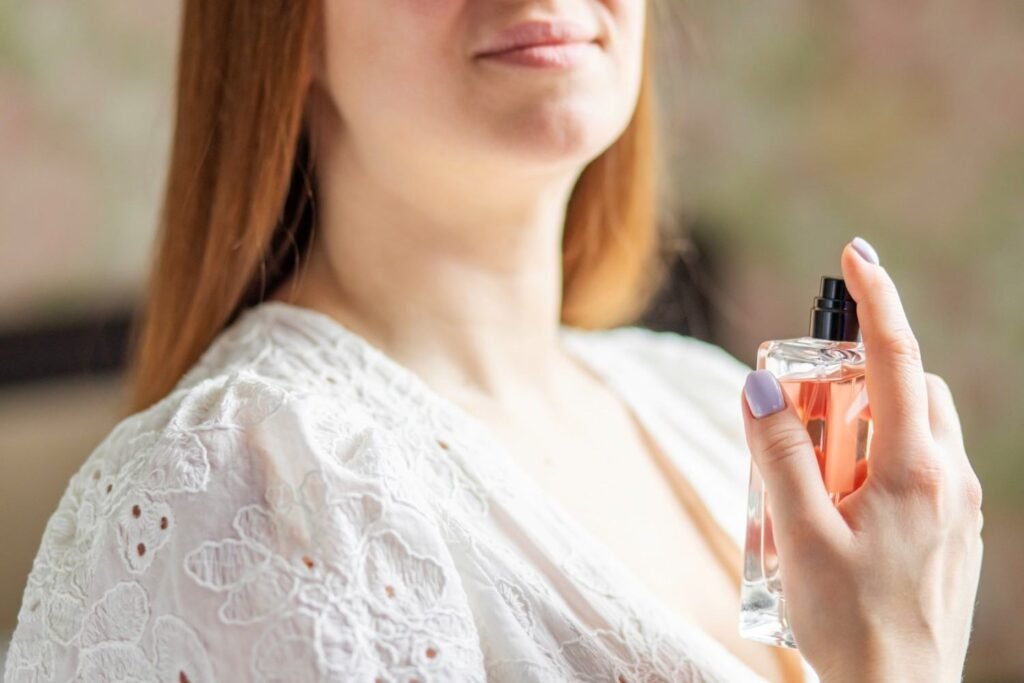
Finish with one or two sprays of your preferred eau de toilette or eau de parfum.
Although layering lighter products before richer ones is a useful approach, product instructions and skin comfort matter more than following a rigid order.
Two complementary scented products are often sufficient. A third layer should add something meaningful rather than simply increase intensity.
Step 4: Choose Fragrance Placement Carefully
Your wrists, inner elbows, and neck are popular fragrance application areas because their warmth can make perfume noticeable.
However, exposed skin isn’t always the best choice during intense sunshine.
For daytime outdoor activities, consider applying a small amount to clothing, provided the fragrance doesn’t stain the fabric, or to protected skin where appropriate.
Avoid spraying perfume near your eyes, onto irritated skin, or directly onto freshly sunburned areas.
A fragrance designed specifically for hair is preferable to repeatedly applying conventional alcohol-based perfume to delicate or dry hair.
Which Fragrance Combinations Work Best for Summer Travel?
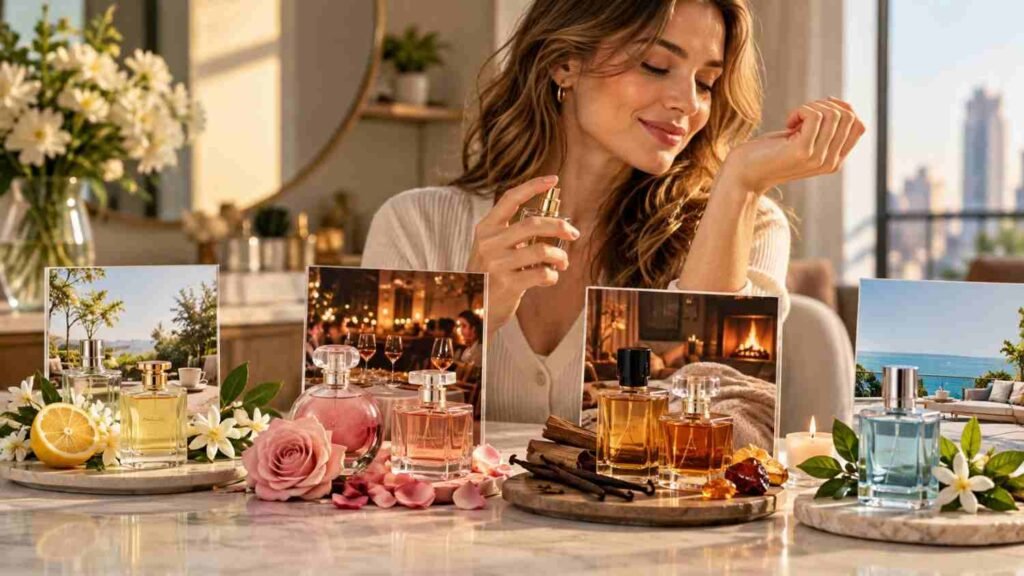
Choosing complementary scent families makes fragrance layering easier, especially for beginners.
Grapefruit, bergamot-inspired accords, sea salt, and marine notes create a crisp, refreshing impression. Ideal for coastal sightseeing, sailing, and humid afternoons.
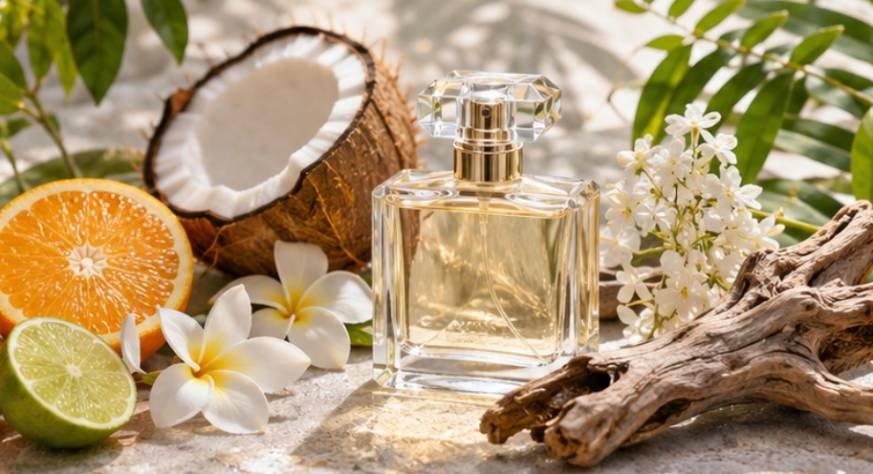
Creamy coconut, jasmine, gardenia, and soft musk create a relaxing tropical profile. A natural match for beach resorts and poolside evenings.
Vanilla, amber, sandalwood, and subtle musk offer a warmer fragrance experience. Best suited to evening dinners and cooler coastal nights.
Green tea, cucumber, mint-inspired accords, and soft florals create a clean, understated combination for city walks and daytime travel.
For beginners, the easiest method is matching one shared fragrance note across two products.
For example, a coconut body lotion can complement a coconut-and-jasmine perfume without requiring an additional scented oil.
How to Make Your Vacation Fragrance Last Longer
Long-lasting fragrance depends on more than the concentration printed on the bottle.
Choose the Right Strength
Body mists usually provide a lighter scent experience, while eau de parfum formulations often contain higher fragrance concentrations than eau de toilette.
However, actual longevity depends on the formula, ingredients, application, and individual skin.
Choose lighter fragrances for hot daytime activities and save richer compositions for evenings.
Avoid Rubbing Your Wrists Together
After spraying perfume, allow it to dry naturally.
Rubbing can spread the product unevenly and disturb its initial application. There’s no need to aggressively massage perfume into your skin.
Refresh Instead of Overspraying
Carry a small travel atomizer or fragrance mist for occasional touch-ups.
When packing your travel essentials, remember to organize other personal care necessities carefully and check the guidelines for traveling with medication on international flights to avoid complications during airport security checks.
Before reapplying, consider whether the fragrance has genuinely faded. Your nose can become accustomed to familiar aromas, making your perfume seem weaker than it does to others.
A small refresh is usually preferable to several additional sprays.
A Simple Vacation Fragrance Compatibility Test
Before packing several scented products, test your combination at home.
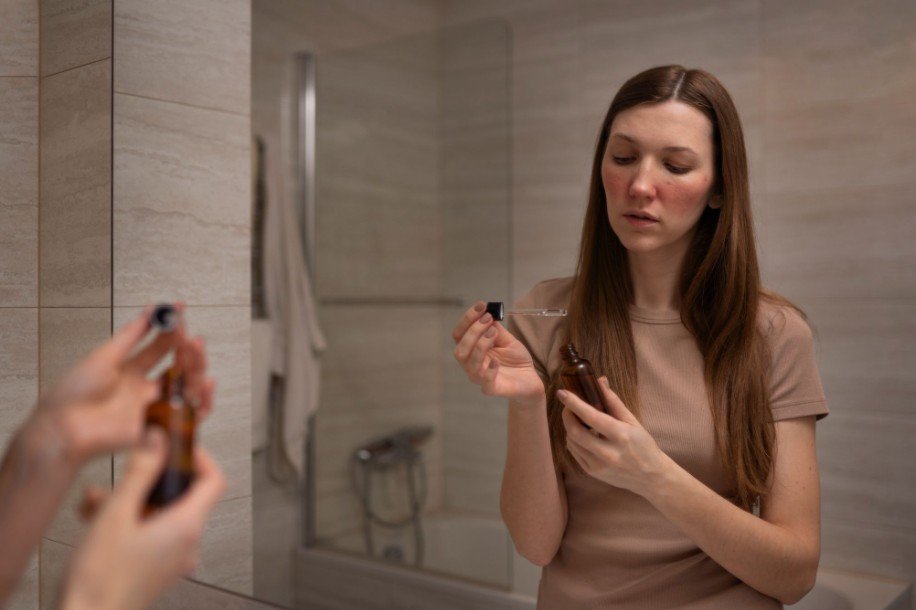
Apply your chosen moisturizer and fragrance to a small area as directed. Notice whether the scents complement each other immediately.
Check the fragrance again after approximately 30 minutes, then after three or four hours.
Consider three questions: Does one scent overpower the other? Does the combination become unpleasantly sweet or heavy? Does the fragrance remain comfortable on your skin? This is a scent compatibility test, not an allergy test.
For unfamiliar skincare products, the American Academy of Dermatology recommends testing on a small skin area for seven to ten days before broader use.
Testing before departure reduces the chance of discovering irritation during your vacation.
Fragrance Layering Mistakes That Can Ruin Your Trip
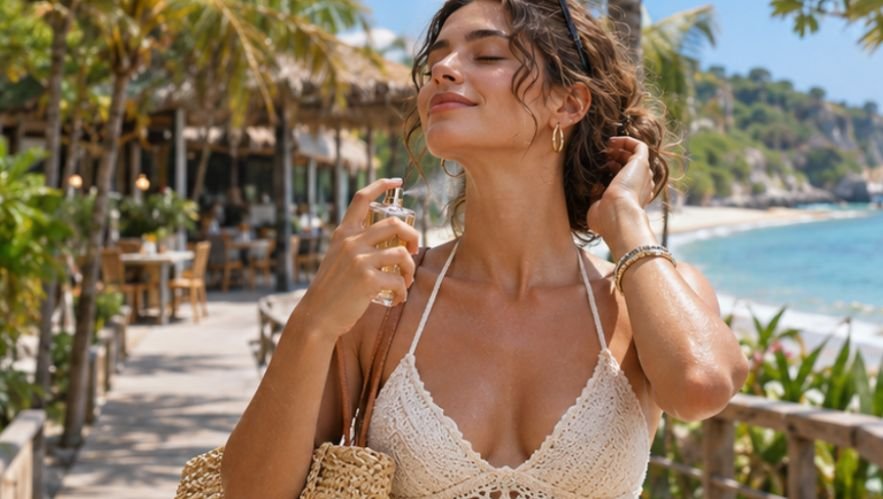
More fragrance doesn’t automatically produce better results.
Combining several intense perfumes can create a confusing aroma, particularly in crowded restaurants, airplanes, or enclosed transportation.
Another mistake is assuming natural fragrance oils are always gentle.
The U.S. Food and Drug Administration warns that certain citrus oils can cause harmful skin reactions when exposed to sunlight.
Avoid applying unknown or potentially phototoxic essential oils directly to sun-exposed skin.
Fragrance sensitivities also deserve consideration. The American Academy of Allergy, Asthma & Immunology identifies fragrance ingredients as important causes of allergic contact dermatitis.
Anyone with eczema, fragrance allergies, or easily irritated skin may be better off avoiding scented skincare products entirely.
Finally, remember travel restrictions and pack your fragrance carefully to prevent spills during transit. Follow these practical tips on how to pack fragrance without leaking in luggage to protect your other travel essentials. For flights departing American airports, the TSA’s carry-on liquids rule generally limits individual perfume containers to 3.4 fluid ounces (100 milliliters), with containers fitting inside one quart-sized liquids bag.
If you prefer a compact and convenient way to carry your favorite fragrance while traveling, understanding whether you can bring perfume rollerballs on an airplane can help you choose a travel-friendly option that fits airline liquid restrictions.
Frequently Asked Questions
1. Can You Layer Two Different Perfumes on Vacation?
Yes. Choose fragrances with complementary notes, such as citrus and aquatic accords. Start with small amounts and test the combination before wearing it throughout the day.
2. Should You Apply Perfume Before or After Sunscreen?
Apply sunscreen according to its directions and let it settle. Keep perfume separate, preferably on clothing or suitable protected areas, without disturbing sunscreen coverage.
3. What Is the Best Fragrance for Humid Weather?
Light citrus, aquatic, green tea, and fresh floral fragrances often feel more comfortable in humidity than intensely sweet or heavy compositions.
4. How Many Scents Should You Layer Together?
Start with two complementary scented products. Add a third only when it improves the overall fragrance without making the combination overwhelming.
Let Your Fragrance Become Part of the Journey
The best vacation fragrance isn’t necessarily the strongest or most expensive perfume in your collection. It’s the one that fits your destination, feels comfortable on your skin, and complements your surroundings.
Once you understand how to scent layer on vacation, creating a signature travel aroma becomes much simpler.
Start with moisturized skin, prioritize sun protection, combine compatible fragrance families, and apply each product thoughtfully.
Most importantly, remember that scent is closely connected with personal experiences and memories. A subtle coconut fragrance or fresh citrus note might eventually remind you of a favorite beach, unforgettable sunset, or spontaneous summer adventure. Sometimes, the most memorable fragrance is the one you barely notice wearing.