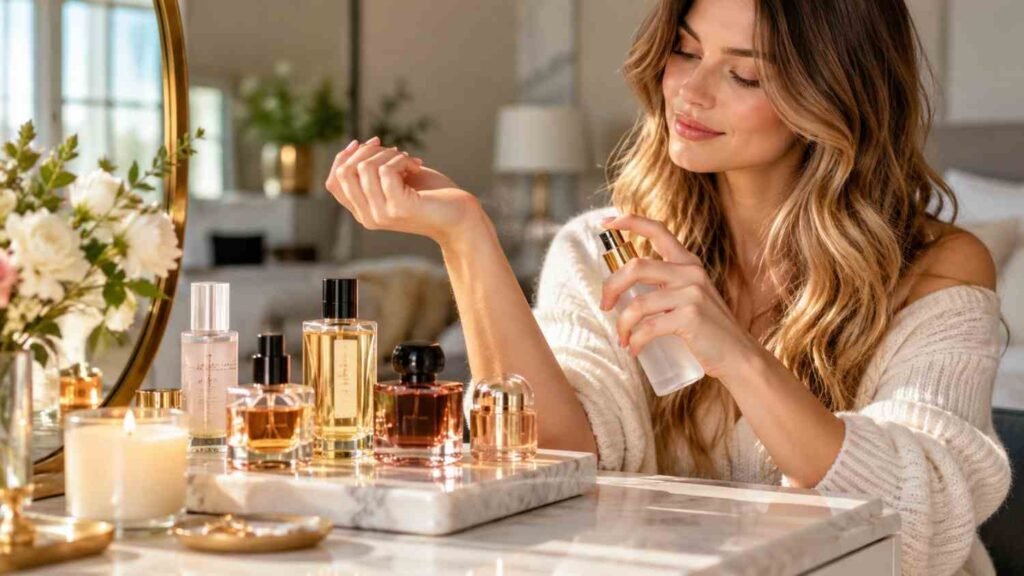
Humidity can turn a fragrance I love into something unpredictable. A scent that feels balanced indoors may project too strongly outside, then seem to disappear after a sweaty commute or a few hours in summer heat. I used to assume the answer was simply adding more sprays, but that usually made the opening louder without fixing the real longevity problem.
What works better is changing the entire wear routine. Learning how to make fragrance last in humid weather means paying attention to skin hydration, sweat, application zones, fragrance concentration, note structure, and even how often I move between hot outdoor air and air-conditioned spaces.
Once I started treating humidity as part of the fragrance equation, my perfumes became more consistent, more comfortable, and much easier to wear through long summer days.
Why Does Perfume Fade Faster in Hot and Humid Weather?
Heat increases the volatility of many fragrance materials. That is why citrus, aromatic herbs, and light floral top notes can smell especially bright during the first few minutes of wear but seem softer later.
Humidity creates a different challenge. Moist air itself does not simply destroy perfume, but humid conditions often mean more sweating, skin moisture, and frequent wiping or washing. All of these can change the way fragrance remains on your skin.
I also keep olfactory adaptation in mind. After smelling the same perfume for several hours, my brain may gradually stop paying attention to it even when other people can still detect it. Before adding more sprays, I like to step away from the scent for a while rather than assuming it has completely disappeared.
How Should I Prep My Skin So Perfume Lasts Longer?
I get the best perfume longevity when I apply fragrance to clean, moisturized skin.
I get the best perfume longevity when I apply fragrance to clean, moisturized skin. Building consistent fragrance habits that improve scent longevity can help me get more out of each application without relying on excessive sprays.
After showering, I dry my skin and apply an unscented lotion or lightweight body cream. Moisturized skin gives fragrance oils a smoother surface to sit on compared with extremely dry skin.
After showering, I dry my skin and apply an unscented lotion or lightweight body cream. Moisturized skin gives fragrance oils a smoother surface to sit on compared with extremely dry skin.
During humid American summers, I usually choose a lighter lotion rather than a thick body butter because heavy products can feel uncomfortable when the temperature rises.
Does Vaseline Help Perfume Last Longer?
A very small amount of petroleum jelly can create an occlusive layer over the skin and may help fragrance remain noticeable longer.
I sometimes dab a tiny amount on an application point before spraying perfume, particularly when I know a fragrance performs poorly on my skin. I use this technique sparingly in humid weather because covering several areas with petroleum jelly can quickly feel sticky.
Does Fragrance Layering Improve Longevity?
Fragrance layering can help create a more persistent scent foundation.
I may begin with a matching shower gel, follow with body lotion, and then apply the perfume. If I do not own matching products, an unscented moisturizer works just as well for keeping the fragrance itself in focus.
The goal is not to stack as many scented products as possible. I prefer complementary layers that support the perfume rather than compete with it.
Where Should I Spray Perfume If I Sweat a Lot?
Strategic application becomes especially important when the weather is muggy.
Strategic application becomes especially important when the weather is muggy. Knowing the best pulse points for perfume for a longer-lasting scent can help me choose suitable application areas and make the most of each spray without overapplying.
Traditional pulse points such as the wrists work well for many people, but wrists are also exposed to handwashing, friction, and frequent contact with surfaces.
Traditional pulse points such as the wrists work well for many people, but wrists are also exposed to handwashing, friction, and frequent contact with surfaces. During very humid days, I often focus on relatively protected areas such as behind the ears, the back or sides of the neck, and the inner elbows.
These areas still benefit from body warmth without being exposed to as much washing as the hands and wrists.
I also avoid spraying perfume directly onto skin that is already sweaty. Applying fragrance after a shower and before heading outside usually gives me a cleaner, more predictable result.
Is It Better to Spray Perfume on Clothes or Skin?
I usually use a combination of both.
Skin allows fragrance to warm up and develop naturally. Fabric, on the other hand, may hold scent materials longer because clothing does not produce sweat or skin oils.
A light mist on a collar, sleeve, or other washable fabric can help improve fragrance longevity in humid weather. I always test first because dark perfume oils or concentrated formulas can stain silk, white fabric, or delicate materials.
Should You Rub Your Wrists Together After Spraying Perfume?

I avoid rubbing my wrists together after applying fragrance.
Rubbing is unnecessary and spreads the perfume across the skin before it has had a chance to settle naturally. Instead, I spray the fragrance and allow it to dry on its own.
This simple habit also helps me avoid overhandling the application area.
Is EDP Better Than EDT for Humid Weather?
Fragrance concentration matters, but it is not the only factor that determines longevity.
Eau de Toilette usually contains a lower concentration of aromatic materials than Eau de Parfum, while parfum or extrait typically contains a higher concentration. That often means EDP and parfum can provide stronger staying power.
However, I do not assume every EDP automatically outperforms every EDT. Formula quality, fragrance notes, skin chemistry, temperature, and application method all play important roles.
For a humid summer day, I often prefer a balanced EDP with a fresh opening and a dependable base rather than choosing the heaviest fragrance available.
Which Fragrance Notes Last Best in Humid Weather?
Fresh fragrances can work beautifully in humidity, but I look closely at their base notes.
Fresh fragrances can work beautifully in humidity, but I look closely at their base notes. Understanding perfume notes before buying helps me identify how top, middle, and base notes contribute to a fragrance’s overall character and choose scents that balance freshness with lasting depth.
I look for perfumes that combine those fresh notes with longer-lasting base materials such as sandalwood, cedarwood, vetiver, musk, patchouli, amber accords, or vanilla.
Citrus, bergamot, green accords, aquatic notes, tea, and light florals can feel refreshing in warm weather. However, fragrances built almost entirely around volatile top notes may seem to fade quickly.
I look for perfumes that combine those fresh notes with longer-lasting base materials such as sandalwood, cedarwood, vetiver, musk, patchouli, amber accords, or vanilla.
This creates a better balance between freshness and longevity.
Can I Wear Sweet Perfume in Hot Weather?
Yes, but I usually reduce the number of sprays.
Vanilla, gourmand accords, rich amber, and sweet florals can project strongly when temperatures rise. Instead of avoiding them completely, I apply them more carefully.
Two well-placed sprays may work better than five or six sprays of a dense perfume on a humid afternoon.
How Can I Make Perfume Last Through a Full Workday?
One of the biggest changes I made was replacing heavy morning application with controlled reapplication.
If I know I will be commuting through humid outdoor air, spending time in an air-conditioned office, and going out again later, I apply a moderate amount in the morning and carry a travel atomizer.
A small refresh in the afternoon often performs better than overspraying before leaving home.
This method also works well for outdoor weddings, concerts, vacations, summer dinners, and long travel days.
How Should I Store Perfume During Summer?
Good perfume storage protects the fragrance before it ever reaches my skin.
I keep my bottles away from direct sunlight, hot windowsills, radiators, and parked cars. I also avoid storing perfume in the bathroom because repeated steam and temperature changes can create an unstable environment.
A cool bedroom drawer, closet shelf, or original perfume box usually provides a more consistent storage location.
What Mistakes Make Fragrance Fade Faster in Humidity?
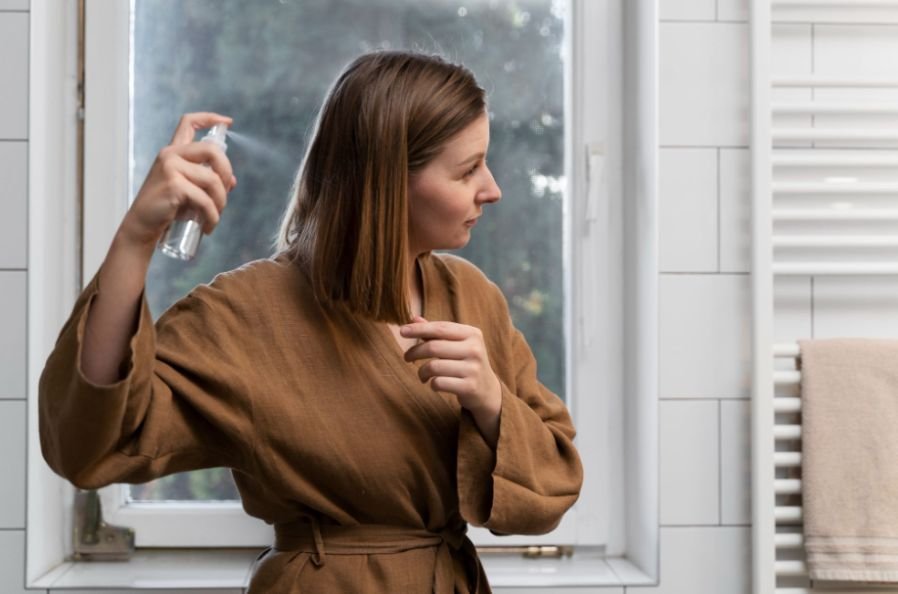
Applying fragrance to very dry skin, spraying directly onto sweat, storing bottles in heat, and assuming more sprays always equal better performance can all create disappointing results.
I also avoid judging a perfume entirely by how strongly I can smell it after several hours. Projection and longevity are not the same thing. A fragrance may sit closer to the skin while still being present.
For me, learning how to make fragrance last in humid weather has been more about controlling each part of the routine than trying to force every perfume to project all day.
Frequently Asked Questions
1. How to make fragrance last in humid weather without overspraying?
Start with moisturized skin, apply the scent to relatively protected areas, consider a light spray on suitable clothing, choose a fragrance with a persistent base, and use a travel atomizer for a small midday refresh instead of applying too much in the morning.
2. Why does perfume smell stronger when it is hot outside?
Heat can increase the volatility and projection of fragrance materials, making the opening smell more noticeable. That same warmth can also make some lighter notes fade more quickly.
3. Does perfume last longer on moisturized skin?
It often performs better on moisturized skin because extremely dry skin may not retain fragrance oils as effectively. An unscented lotion is usually the easiest option.
4. Is Eau de Parfum better for summer than Eau de Toilette?
An EDP often contains a higher fragrance concentration, but it is not automatically better. Some lighter EDTs perform very well in summer, while certain dense EDPs can feel overwhelming.
5. Which perfume notes last longest in humid weather?
Sandalwood, cedarwood, musk, vetiver, patchouli, amber accords, and vanilla commonly provide longer-lasting base structures. Fresh citrus and floral notes can still work well when supported by these materials.
Final Thoughts
I have learned that humid weather does not require me to give up fragrance or reach for the strongest perfume on my shelf.
The best results come from preparing my skin, using an occlusive base when necessary, choosing relatively dry application zones, spraying fabric carefully, selecting a balanced fragrance concentration, and storing bottles correctly.
I also pay attention to the difference between actual fading and simple nose blindness. Once I stopped automatically adding more sprays every time I could no longer smell myself, my summer fragrance routine became much more comfortable.
With a little strategy, I can keep perfume noticeable through muggy commutes, hot afternoons, and long workdays without overwhelming everyone around me.