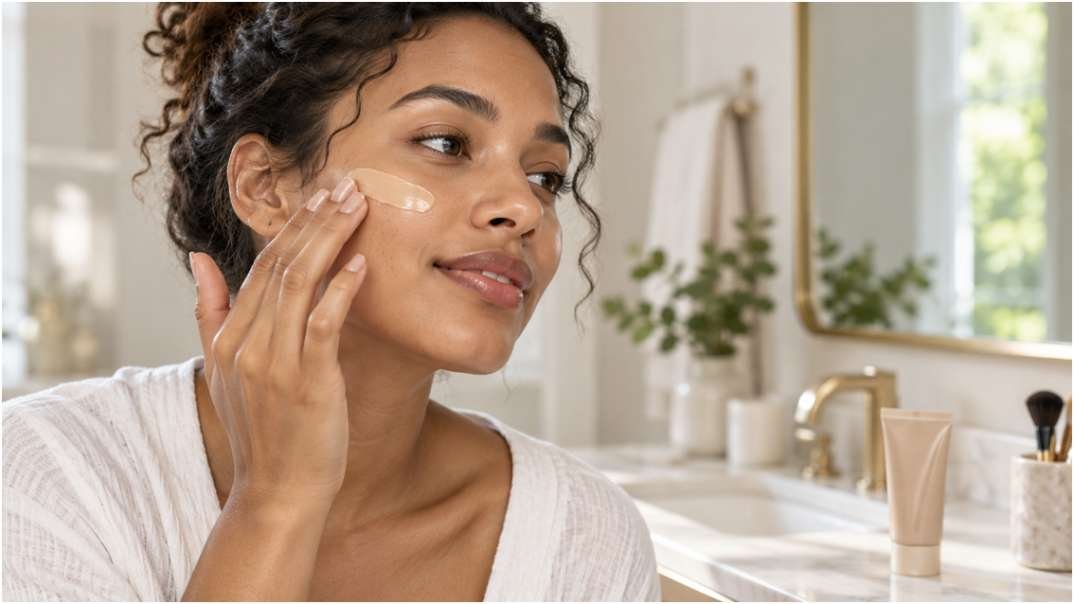
Finding a genuine non toxic tinted moisturizer with mineral spf took me years of trial and error. Most drugstore options sneak in chemical UV filters, while traditional physical sunscreens leave behind an unblendable, chalky cast. After years of struggling with skin flare-ups and evaluating clean beauty labels, I replaced my entire morning base routine with mineral-filtered skin tints.
A true non-toxic tint streamlines your routine. It calms your skin barrier, evens out hyperpigmentation, and blocks UV radiation using physical minerals rather than synthetic absorbers.
┌────────────────────────────────────────────────────────┐
│ The 3 Pillars of a Clean Mineral Tint Formula │
├────────────────────────────────────────────────────────┤
│ 1. Active Mineral Shields (Non-Nano Zinc / TiO2) │
│ 2. Visible Light Defense (Cosmetic Iron Oxides) │
│ 3. Barrier-Supportive Base (Squalane, Niacinamide) │
└────────────────────────────────────────────────────────┘
The Real Definition of Non-Toxic Mineral Protection
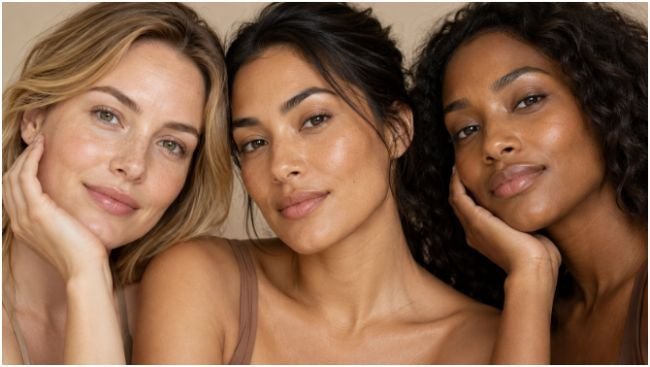
The term “clean” gets tossed around loosely in the cosmetics industry. When evaluating a non-toxic base product, focus on verifiable ingredient safety rather than marketing buzzwords. A product achieves real safety when it replaces hormone-disrupting chemicals with inert minerals and keeps synthetic fragrances out of the bottle.
Non-Nano Zinc Oxide vs. Chemical UV Absorbers
Chemical sunscreens rely on organic filters like oxybenzone, octinoxate, and avobenzone. These compounds absorb UV rays into the skin and release them as heat through chemical reactions. For reactive skin, that heat frequently triggers inflammation and redness.
Mineral formulas take a mechanical approach. They use non-nano zinc oxide and titanium dioxide. These physical particles sit atop the stratum corneum, reflecting both UVA and UVB rays away from your face.
┌─────────────────────────────────────────────────────────────────────────┐
│ Mineral Defense (Physical) │ Chemical Absorption (Organic) │
├───────────────────────────────────┼─────────────────────────────────────┤
│ • Sits on top of the skin layer │ • Absorbs into viable epidermis │
│ • Deflects UV rays instantly │ • Converts UV energy to heat │
│ • Non-reactive & barrier-calming │ • Can trigger contact dermatitis │
│ • Reef-safe, inert mineral base │ • Known endocrine disruption risks │
└─────────────────────────────────────────────────────────────────────────┘
The EWG Skin Deep Database consistently rates non-nano zinc oxide as one of the lowest-hazard UV protectors available. The US Food and Drug Administration designated zinc oxide and titanium dioxide as Generally Recognized as Safe and Effective (GRASE), while calling for deeper safety testing on most common chemical filters.
The Unsung Benefit of Iron Oxides for Visible Light
Traditional white mineral sunscreens protect against sunburn, but tinted formulas provide an extra photoprotective advantage. The pigment that creates skin-tone shades comes from cosmetic iron oxides.
According to research documented by the Skin Cancer Foundation, iron oxides shield the skin from High-Energy Visible (HEV) blue light emitted by the sun and digital screens. HEV light penetrates deeper than UVB rays, stimulating melanocytes and driving persistent melasma. If you struggle with stubborn dark spots, a tinted mineral shield outperforms a clear sunscreen every single day.
4 Tested Mineral Formulations Reviewed
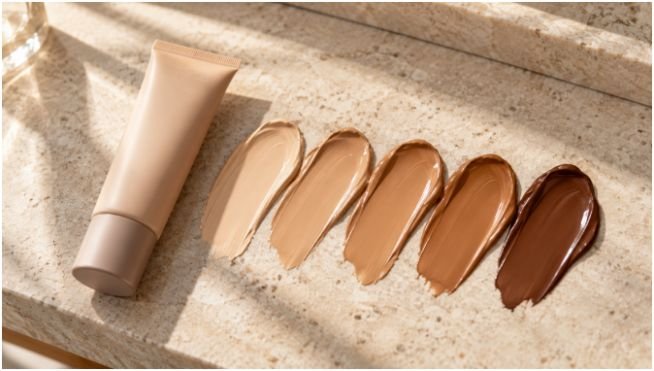
I put four popular formulas through real-world wear tests, evaluating their clean profiles, blendability, and daily longevity.
ILIA Super Serum Skin Tint SPF 40
This formula behaves like a potent barrier serum that happens to deliver buildable, light coverage.
- UV Filters: 12% Non-nano Zinc Oxide
- Notable Actives: Hyaluronic acid, plant squalane, niacinamide
- Finish: Ultra-dewy, radiant
ILIA created a rare base that contains zero silicones, microplastics, or synthetic fragrances. It goes on wet, looks slightly light for thirty seconds, and oxidizes to a seamless match as the hydrating oils sink in. If your complexion runs dry or dehydrated, this gives you a luminous glass-skin look without clogging pores.
If you want the same high-end finish on a budget, take a look at our curated breakdown of clean beauty dupes for high end makeup.
bareMinerals Complexion Rescue Tinted Hydrating Gel Cream SPF 30
For normal-to-combination complexions, this water-based gel cream remains a daily favorite.
- UV Filters: Titanium Dioxide (6.2%)
- Notable Actives: Olive squalane, marine botanicals, mineral electrolytes
- Finish: Dewy-satin, skin-mimicking
This gel base bursts into hydration on contact, providing slightly more coverage than liquid serums. It blurs redness across the cheeks effortlessly. Because it relies primarily on titanium dioxide, I reach for this on days when I need sheer, lightweight everyday moisture and gentle hydration.
Honest Beauty CCC Clean Corrective with Vitamin C SPF 30
This formula bridges the gap between a sheer moisturizer and a medium-coverage mineral foundation.
- UV Filters: Non-nano Zinc Oxide
- Notable Actives: Ascorbyl glucoside (Vitamin C), allantoin
- Finish: Velvet-matte to natural satin
Honest Beauty formulated this cream with strict clean cosmetic parameters. The ascorbyl glucoside adds noticeable brightness over time, helping fade old acne scars. The texture is thicker than a serum, meaning a pea-sized amount covers post-inflammatory marks without the need for spot concealer.
MDSolarSciences Mineral Tinted Crème SPF 30
Oily and rosacea-prone skin types often struggle with the shine left behind by nourishing plant oils. This cream provides an immediate solution.
- UV Filters: 17% Zinc Oxide, 2% Titanium Dioxide
- Notable Actives: Green tea extract, cranberry fruit extract, Vitamin E
- Finish: Soft-focus matte, velvet pore-blurring
The hypoallergenic formula features a lightweight silicone base that glides over uneven skin textures. It calms visible redness instantly and keeps excess midday sebum in check. Peer-reviewed dermatological studies indexed on PubMed Central show that topical zinc oxide speeds the recovery of irritated skin, making this an ideal daily shield for active rosacea flare-ups.
How to Audit the INCI List Before Buying
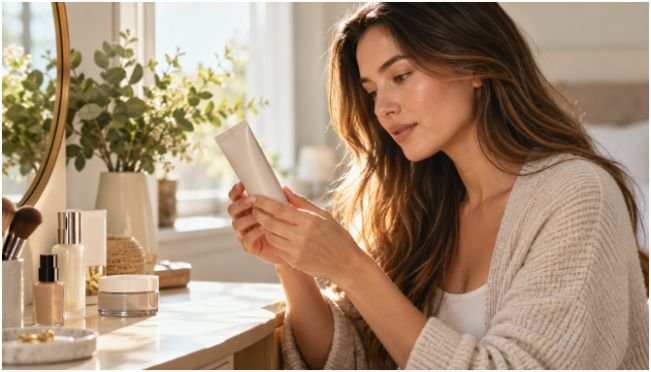
Do not trust front-of-package claims alone. Brands frequently label products as “mineral” even when they contain chemical filters.
| Ingredient Flag | What to Look For | Why It Matters |
| Active Filters | Only Zinc Oxide or Titanium Dioxide | Watch out for hidden chemical filters like Octisalate or Homosalate. |
| Masking Fragrance | “Parfum”, Citral, Linalool | Fragrances are a leading cause of allergic contact dermatitis. |
| Slip Agents | Dimethicone, Cyclopentasiloxane | Silicones are non-toxic, but some acne-prone skin types prefer oil bases. |
| Plant Extracts | Citrus Peel Oils, Lavender Oil | Natural essential oils can sensitize skin under direct sunlight. |
If you are dealing with a damaged moisture barrier or cystic breakouts, read our breakdown on why clean beauty actually better for sensitive skin.
My Application Protocol for Full Sun Coverage Without Pilling
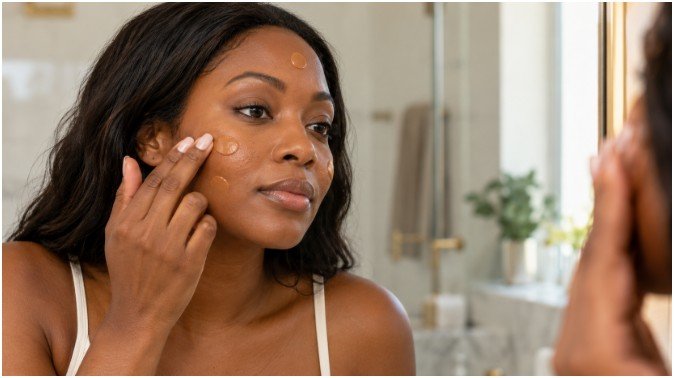
The biggest pitfall with mineral tints is under-application. Because tinted creams contain pigments, people often use too little product to avoid looking cakey. That leaves skin under-protected against UV rays.
- Hydrate First: Apply a thin layer of humectant serum (like hyaluronic acid or glycerin) onto damp skin. Let it absorb for two full minutes so your skin stays plump underneath.
- Measure Carefully: To reach the SPF rating printed on the label, you need roughly 1/4 teaspoon for your face and neck.
- Use the Two-Step Dotting Method: Instead of smearing a large dollop across your cheeks, dispense half the product onto your fingertips. Dot it across your forehead, nose, cheeks, and chin, then press it into the skin with warm hands.
- Build the Coverage: Allow the first layer to settle for sixty seconds. Dot the remaining product over areas that need extra color correction or sun defense, blending outward toward the hairline.
Frequently Asked Questions
1. Does mineral tinted moisturizer clog pores?
Non-nano zinc oxide is non-comedogenic and soothes inflammation, so it rarely clogs pores if properly cleansed at night.
2. Can tinted mineral moisturizer replace daily sunscreen completely?
Yes, as long as you apply a full 1/4 teaspoon across your face and the product carries broad-spectrum SPF 30 or higher.
3. Why do some mineral tints feel heavy on the face?
Physical minerals are naturally dense powders, so formulas packed with high zinc percentages require hydrating carriers to blend smoothly.
4. How do I prevent mineral tint from separating on my skin?
Match your bases by pairing water-based skin tints with water-based serums, and avoid heavy silicone primers beneath oil-free mineral creams.
Ditch the Heavy Foundation, Keep the Shield
Stop layering three heavy products every morning just to leave the house with clean, even skin. A high-grade mineral tint cuts down your routine while giving you physical, reef-safe sun protection and blue light defense in one simple step.
Grab a clean formulation that matches your skin finish, tap in your 1/4 teaspoon, and let your natural skin breathe through the day.