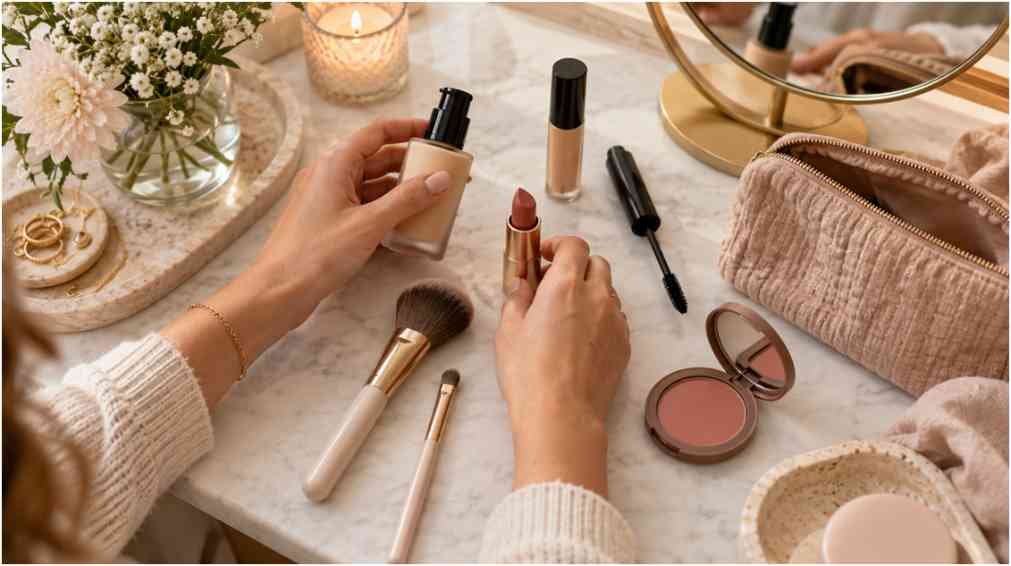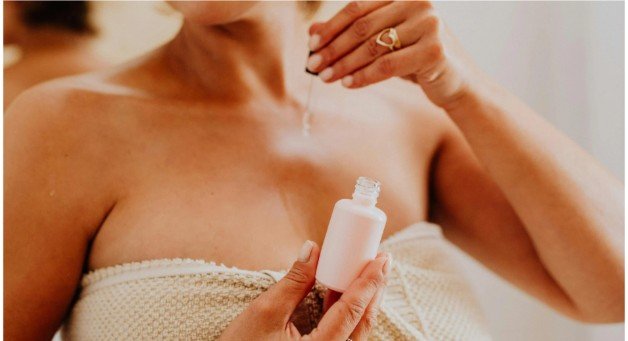

I love discovering a body lotion or lip color that feels like a small everyday luxury. What I don’t love is realizing that several “affordable” purchases have quietly swallowed my beauty budget. When I consider how to save money on clean beauty products, I start with what I already own, what I actually use, and what deserves a place on my next shopping list.
You can use the same approach without replacing your entire routine. A few deliberate changes can reduce unnecessary spending while leaving room for products you enjoy.
Define Your Standards Before Paying a Premium
Different brands and retailers use different clean beauty criteria. Decide which qualities matter to you, such as fragrance preferences, ingredient transparency, refill options, or a particular certification.
Read the individual product information instead of assuming every item from one brand meets your preferences. Natural, organic, vegan, and cruelty-free describe different characteristics; they are not interchangeable promises.
If you have specific skin concerns, exploring whether clean beauty is actually better for sensitive skin can help you evaluate product suitability instead of paying extra based on clean beauty claims alone.
Clear priorities help you compare suitable options without automatically choosing the bottle with the most reassuring packaging.
Shop Your Shelf Before Shopping a Sale
Gather your skincare, makeup, fragrance, and body care in one place. Check what is open, what remains unused, and which products are approaching their labeled expiration or recommended period after opening.
Make a replacement list and finish suitable products before purchasing duplicates. Ingredient databases can help you research unfamiliar terms, but treat ratings as information rather than a reason to discard everything.
Replacing products gradually spreads out the expense and gives you time to evaluate each purchase.
Turn Replacement Costs Into a Monthly Budget
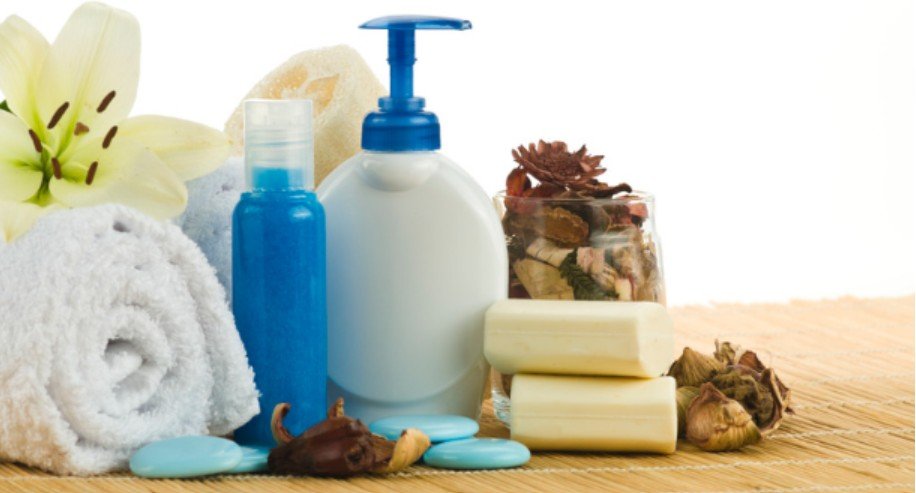
A beauty budget becomes more useful when it reflects how often products need replacing.
For example, a $24 moisturizer lasting three months costs $8 per month. A $16 moisturizer lasting two months also costs $8 per month. These hypothetical examples show why a lower sticker price does not always mean lower spending.
Add up your regular replacements, then set aside a manageable amount each month. Keep optional experiments separate from essentials.
Use retailer price filters when shopping so your browsing matches the amount available.
Compare Unit Prices and Checkout Totals
Learning how to save money on clean beauty products means comparing the complete purchase, including size, shipping, and expected usage.
A hypothetical $18 eight-ounce body lotion costs $2.25 per ounce. A $12 four-ounce bottle costs $3 per ounce. The larger bottle offers better unit value if you will finish it.
Check Whether Refills Actually Save Money
Compare a refill’s price per ounce with the original container.
Before choosing a refill or replacement product, understanding sustainable packaging vs. clean beauty formulas can help you compare environmental considerations alongside product quality and overall cost.
Include delivery fees and any reusable packaging you must buy first.
Avoid adding an unwanted item to reach free shipping. Spending another $15 to avoid a $6 delivery charge increases your bill.
Simplify Your Routine Around Frequent Use
Prioritize the products you reach for consistently. If you rarely wear eyeshadow, an inexpensive palette can still become wasted money.
Look for multipurpose products where the label supports those uses. A lip-and-cheek tint may replace two purchases, while a body lotion you enjoy can make several specialty creams unnecessary.
Keep suitable cleansing, moisturizing, and daytime sun protection in your plan before adding optional treatments. Simplifying should reduce duplicate steps, not encourage using too little product to make a bottle last.
Try Samples Before Committing
Samples and smaller sizes can reduce the cost of choosing the wrong shade, texture, or scent.
Check current sampling options at brand websites and nearby beauty counters. Availability varies, and some samples require a purchase or shipping payment.
Know When Minis Are Worth It
A mini may cost more per ounce while still costing less overall for an unfamiliar product you might dislike.
For a favorite you finish regularly, compare the full-size option. For fragrance, test wear on your skin before committing to a large bottle. A discounted scent you never wear offers little value.
Shop Affordable Options and Plan Your Sales
Compare drugstore, big-box, and specialty retailers, including Target, Walmart, Ulta, Sephora, and direct brand websites. Evaluate individual products against your criteria.
You can also explore affordable clean makeup brands that actually work to discover budget-friendly options without compromising on product performance.
Keep a short wishlist with sizes and regular prices. That makes it easier to recognize a useful discount during holiday weekends, Black Friday, or Cyber Monday.
Brand newsletters and coupon tools can help identify offers. Choose a few relevant alerts instead of following every promotion.
Seasonal packaging and clearance stock may offer savings, but check seals, condition, and dates. Confirm the formula if packaging or ingredients have changed.
Make Rewards, Bundles, and Subscriptions Earn Their Place
Compare the final price after eligible coupons, rewards, and shipping. Check whether offers combine before counting on multiple discounts.
Treat points as a bonus on planned purchases. Buying extra to earn rewards increases spending.
For beauty boxes and bundles, calculate value using only the products you expect to use. For automatic deliveries, compare the delivery schedule with your actual replacement needs. Review cancellation terms before subscribing.
Frequently Asked Questions
1. What is the easiest way to learn how to save money on clean beauty products?
Start with an inventory, a replacement list, and a monthly spending limit. Compare total costs before buying.
2. Are larger bottles always better value?
No. They help only when the unit price is lower and you can finish the product while it remains suitable.
3. Can I shop for clean beauty at drugstores?
Yes. Compare individual products with your preferences rather than judging only by retailer or brand.
4. Should I replace my whole routine immediately?
A gradual replacement plan is usually easier to budget for and helps prevent unnecessary waste.
Make Every Beauty Dollar Work Harder
I want my beauty routine to feel enjoyable and affordable to maintain. That means finishing what works, testing unfamiliar formulas carefully, and treating discounts as opportunities for planned purchases. My goal is a shelf of products I use and a budget I can comfortably repeat.