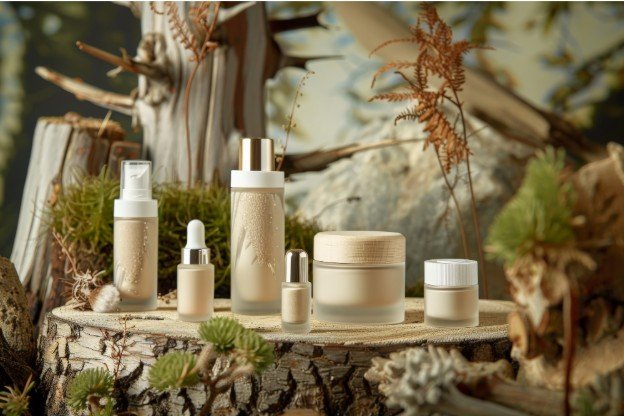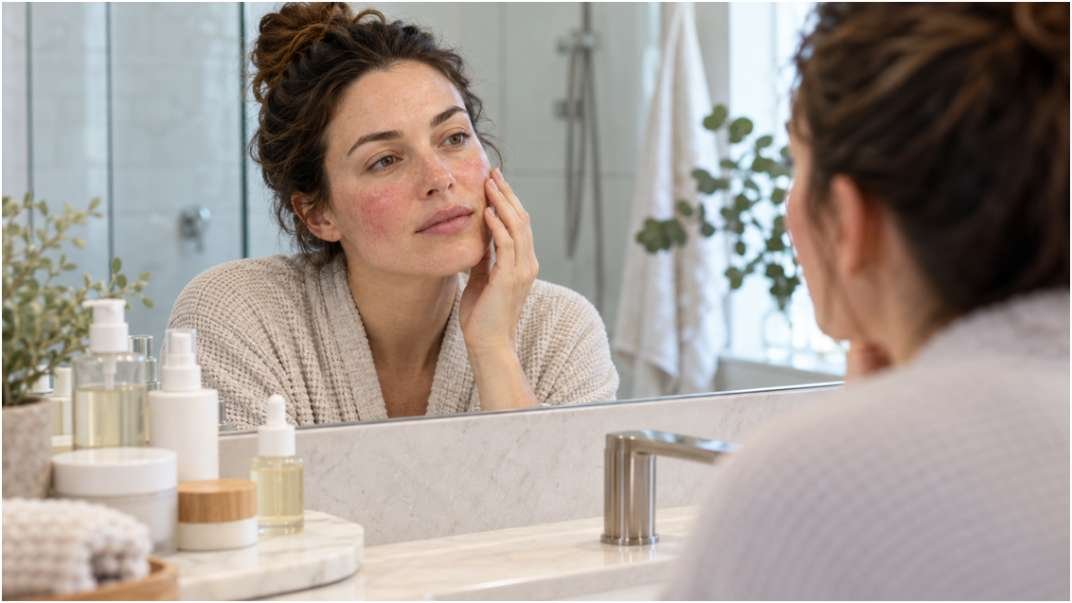
I spent years assuming my burning cheeks and sudden contact dermatitis came from “toxic chemicals.” Whenever my skin flared up, I threw out my bottles and spent hundreds on pastel jars stamped with green leaves and promises of non-toxic purity.
My skin only got redder. That painful period forced me to look past marketing claims and confront a hard clinical question: is clean beauty actually better for sensitive skin?
The short answer is no. A plant-derived formula does not protect vulnerable skin barriers. Plant-based and clean cosmetics often carry a higher risk of contact dermatitis than conventional, synthetic skincare designed for dermatological use.
The Regulatory Loophole Behind the “Clean” Seal
Many shoppers assume “clean” functions like “certified organic” in agriculture. It does not.
The Food and Drug Administration (FDA) regulates cosmetic products for safety, but it does not define or enforce the term “clean”.
Any cosmetic company can label a serum “clean,” “green,” or “pure.” The brand decides what ingredients to ban and what claims to make.
Most of these banned lists target ingredients like parabens, silicones, and mineral oil. Ironically, dermatologists have used those exact ingredients for decades precisely because they are biochemically inert and rarely cause allergic reactions.
When marketing teams dictate formulation science, sensitive complexions pay the price.
What Plant-Based Formulations Do to Reactive Skin Barriers
When brands remove conventional stabilisers, they replace them with natural alternatives. Those substitutes present two distinct biological challenges for sensitive skin.
Volatile Terpenes and the Oxidation Trap
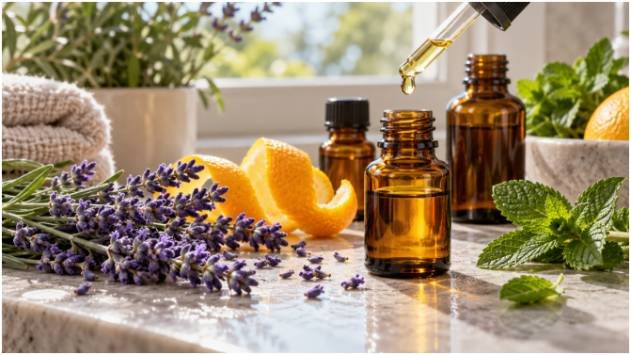
Clean formulations rely heavily on fragrant botanicals and essential oils to create a pleasant experience without synthetic scents. Ingredients like lavender oil, peppermint, tea tree, and citrus peels look wholesome on an ingredient list.
Your immune system does not care whether a chemical came from a laboratory or a lemon grove. A study indexed by the National Institutes of Health highlights that essential oils are frequent triggers of allergic contact dermatitis.
These extracts contain volatile terpenes like linalool and limonene. Fresh out of the bottle, they can irritate reactive skin.
Once exposed to light and air on your bathroom vanity, they oxidise into organic peroxides. These oxidised compounds are potent sensitisers that trigger immune responses, redness, burning, and itchy rashes.
The Perils of Unstable Preservatives
Conventional preservatives, such as parabens and phenoxyethanol, prevent microbial contamination reliably. Clean brands often replace these stabilisers with botanical acid blends, radish root ferment, or sodium benzoate.
These alternative preservatives break down faster. When a preservative system fails, mold, yeast, and bacteria multiply inside the product. Applying a contaminated lotion directly to a compromised skin barrier invites infection and contact dermatitis.
If you plan to switch to clean makeup routine options, checking how the brand stabilizes its water-based products is critical.
How I Audited My Vanity: Inert Synthetics vs. Complex Botanicals
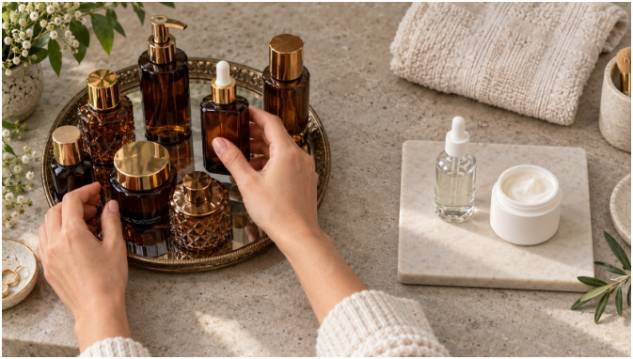
When my barrier broke down, I compared two facial oils on my shelf.
One bottle came from a luxury clean line. It contained twenty-seven cold-pressed seed oils, rosehip extract, bergamot peel oil, and jasmine extract. It smelled like a spa and made my face sting within seconds.
Every botanical extract introduced hundreds of individual chemical compounds to my skin. With twenty-seven extracts, I exposed my face to thousands of distinct phytochemicals at once.
The second bottle contained 100% pure synthetic squalane. It had no fragrance, no scent, and a single ingredient on the label.
My skin calmed down within forty-eight hours of using the squalane.
Synthetic ingredients offer molecular consistency. A laboratory produces an inert molecule free of unpredictable allergens, pesticides, and seasonal variances. Complex plant broths do the opposite.
If you are exploring affordable clean makeup brands, look for minimalist formulations that skip botanical cocktail blends in favor of simple, tested bases.
What You Should Actually Check on an INCI List
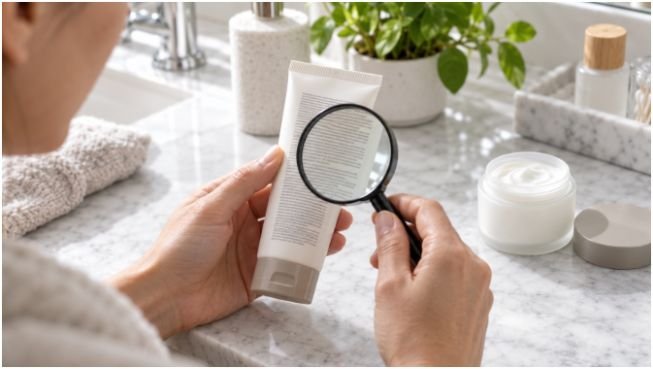
Stop scanning for “clean” stamps on the front of the bottle. Turn the box around and read the International Nomenclature of Cosmetic Ingredients (INCI) list.
Common Botanical Irritants to Cross Out
If your skin turns red easily or stings after washing, avoid these common plant-based ingredients:
- Lavandula Angustifolia (Lavender oil)
- Citrus Limon and Citrus Aurantium Dulcis (Lemon and orange peel oils)
- Melaleuca Alternifolia (Tea tree oil)
- Mentha Piperita (Peppermint oil)
- Eucalyptus Globulus (Eucalyptus oil)
- Cananga Odorata (Ylang-ylang flower oil)
- Rosmarinus Officinalis (Rosemary leaf extract, often added as an unstable antioxidant)
True Barrier Repair Ingredients
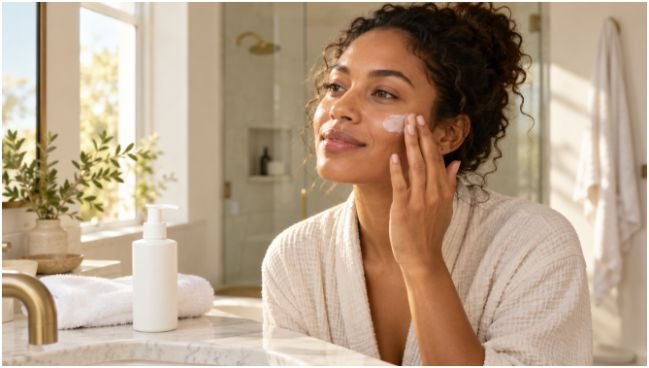
The American Academy of Dermatology recommends simple, fragrance-free products for sensitive skin. Look for active ingredients engineered to rebuild lipid structures:
- Ceramides (NP, AP, EOP): Identical to your skin’s natural intercellular lipids.
- Colloidal Oatmeal: Clinically proven to soothe inflammation and itching.
- Glycerin: A classic, non-sensitising humectant that pulls moisture into cells.
- Petrolatum: The gold standard occlusive for sealing transepidermal water loss without allergic risk.
- Pure Squalane: A light, stable emollient that will not oxidise on your face.
Frequently Asked Questions
1. Is clean beauty better for eczema and rosacea?
No, clean beauty often triggers eczema and rosacea flare-ups because it relies on irritating essential oils and botanical extracts.
2. What is the difference between fragrance-free and unscented?
Fragrance-free means no scent ingredients were added, while unscented products often use masking chemicals to neutralize natural odors.
3. Are parabens actually dangerous for sensitive skin?
Parabens are among the least sensitising, most stable cosmetic preservatives available, with decades of clinical safety data.
4. How do I test a new clean skincare product safely?
Apply a pea-sized amount behind your ear or along your jawline for three consecutive nights to monitor for reactions.
Time to Ditch the Halo Effect
The clean beauty movement sells an alluring story: nature heals, while synthetic chemistry harms.
Your skin barrier does not run on marketing stories. It runs on biochemistry. Poison ivy is natural, organic, and clean, yet nobody puts it on their face.
If you have sensitive skin, trade the green aesthetic for boring, predictable formulas. Choose short ingredient lists, zero fragrance, and stable synthetic moisturisers. Your skin barrier will thank you for keeping things simple.