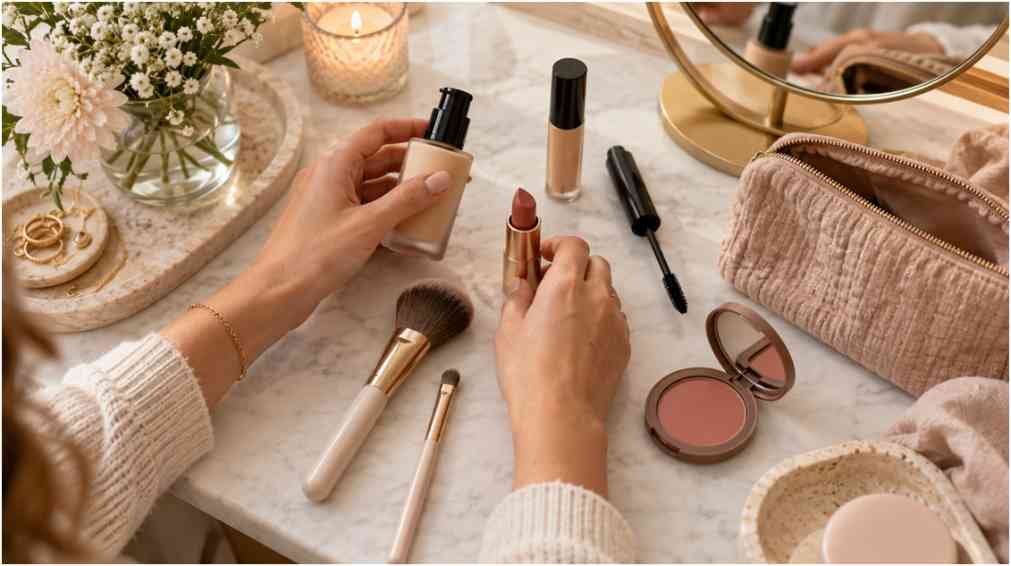
I used to believe that cleaning up my cosmetics meant throwing everything directly into a landfill and spending five hundred dollars at Sephora in an afternoon. That reckless purge only left me broke, overwhelmed, and nursing an angry cystic breakout from untested botanical extracts. Learning how to switch to clean makeup routine parameters taught me that genuine skin health comes from an intentional, phased protocol rather than impulsive decluttering.
By replacing formulas based on biological exposure rather than aesthetic trends, you protect your lipid barrier and your wallet simultaneously.
The Biological Priority: Why I Stopped Trashing My Whole Vanity at Once
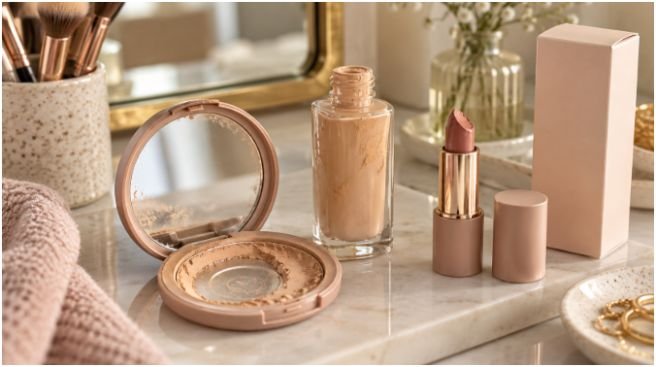
Your skin is an active metabolic organ, not an impenetrable plastic shield. Phasing out legacy cosmetics requires prioritizing where ingredients enter your body and how long they stay there.
Phase 1: High-Surface Dermal Swaps (Liquid Foundations and Primers)
Begin with the cosmetics that cover the largest surface area of your face and remain pressed against your pores for twelve hours straight. Standard base products often rely on synthetic silicones like cyclopentasiloxane to create artificial slip, alongside heavy concentrations of parabens and synthetic fixatives.
When you evaluate high-coverage products, look for breathable plant squalane, cold-pressed seed oils, and non-nano mineral pigments. Modern formulations utilize olive squalane and jojoba oil to mimic human sebum, ensuring pigments do not settle into fine lines or suffocate cellular turnover.
+————————————————————————+
| THE ABSORPTION & SURFACE PRIORITY FRAMEWORK |
| |
| [PHASE 1] High Dermal Area –> Foundation, Concealer, Tint |
| (Highest topical exposure; daily 10-12 hr skin contact) |
| |
| [PHASE 2] Mucosal & Ingestible –> Lipsticks, Glosses, Mascara |
| (Direct internal ingestion; thin ocular tissue contact) |
| |
| [PHASE 3] Dry Empties Protocol –> Blushes, Bronzers, Powders |
| (Minimal absorption risk; swap only when panned) |
+————————————————————————+
Phase 2: Mucosal and Ingestion Vectors (Lipsticks and Mascaras)
Next, tackle products that interact with sensitive mucus membranes. Over a lifetime of daily wear, you inadvertently swallow ounces of whatever sits on your mouth. Conventional lipsticks frequently rely on petrolatum bases, coal-tar synthetic dyes, and synthetic vanillin fragrance that trigger endocrine disruption.
Simultaneously, ocular tissue absorbs topical chemicals faster than typical epidermis due to extreme skin thinness around the eyelid. Replacing water-resistant synthetic mascaras and petroleum-based balms drastically reduces irritation risks without demanding an entire makeup bag overhaul.
Phase 3: The Empty-Bottle Rule (Powders and Color Pigments)
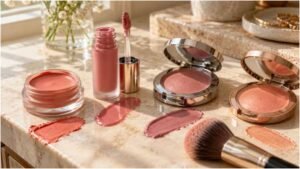
Never throw away half-used powder blushes, mineral bronzers, or compact highlighters simply to chase an aesthetic ideal. Dry pressed powders exhibit significantly lower dermal absorption rates compared to liquid emulsions. Run these products down to the silver pan before purchasing clean replacements. This strict run-out rule saves capital while keeping functional packaging out of municipal waste streams.
How to Audit Ingredient Lists Without Falling for Greenwashing
Marketing departments know consumers seek healthier formulas, leading many brands to print leafy graphics over questionable ingredient decks. Learning to decipher International Nomenclature of Cosmetic Ingredients (INCI) names protects your skin far better than front-label claims.
Navigating Dubious Natural Beauty Claims
The term “clean” lacks a statutory definition under the FDA Cosmetics Labeling Regulations. A brand can paste words like pure, botanical, or herbal on a bottle containing synthetic phthalates and formaldehyde-releasing preservatives.
Examine the back of the carton and disregard natural beauty claims that lack verifiable INCI transparency.
Watch out for ambiguous fragrance catch-alls; according to the Campaign for Safe Cosmetics, the single word “parfum” can conceal hundreds of unlisted synthetic aroma chemicals engineered to prolong shelf life.
Third-Party Verifications That Actually Carry Legal Weight
True verification requires independent auditing. When scanning shelves, look for these specific badges:
- EWG Verified: Indicates strict adherence to health standards vetted through the EWG Skin Deep Database, completely free from known reproductive toxins and bio-accumulative synthetics.
- Leaping Bunny / Cruelty-Free International: Confirms the complete absence of animal testing throughout the entire supplier chain.
- COSMOS / Ecocert Organic: Verifies sustainable agricultural sourcing, biodegradable processing, and strict thresholds for organic botanical farming.
Formulation Realities: The Two-Week Skin Adjustment Window
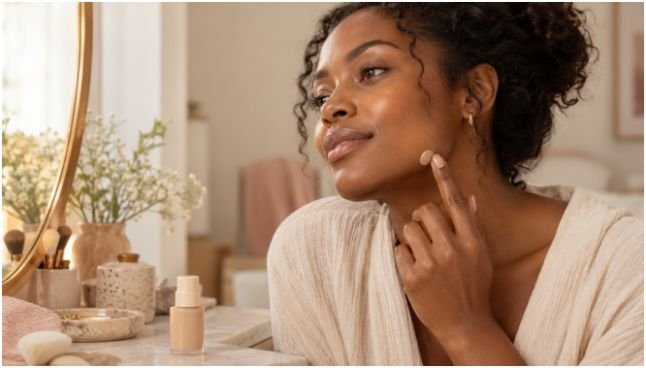
Clean cosmetic formulas rely on cold-pressed plant lipids, waxes, and natural mineral ores rather than dimethicone polymers. Because botanical compounds interact directly with your natural acid mantle, expect a minor adjustment period of ten to fourteen days.
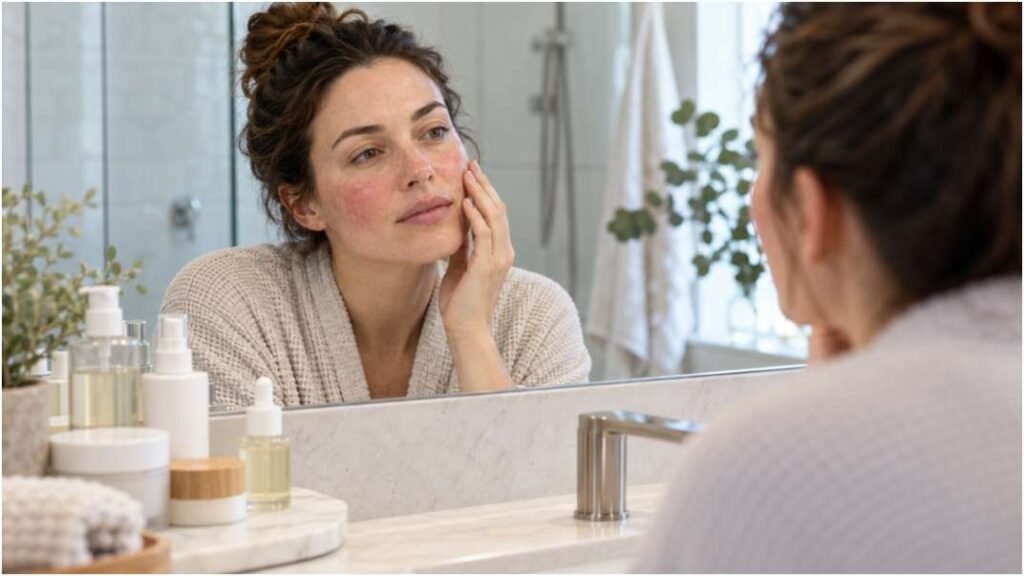
During my initial switch, I noticed natural bases absorbed differently on dry zones. Synthetic cosmetics lay flat like plastic wrap, but mineral pigments bond directly with your skin moisture. If you experience mild congestion or texture shifts during week one, your barrier is likely recalibrating to rich botanical triglycerides. Always patch-test new clean emulsions on your lower jawline before committing to a full-face application.
Budget-Friendly Swaps for Everyday Routines
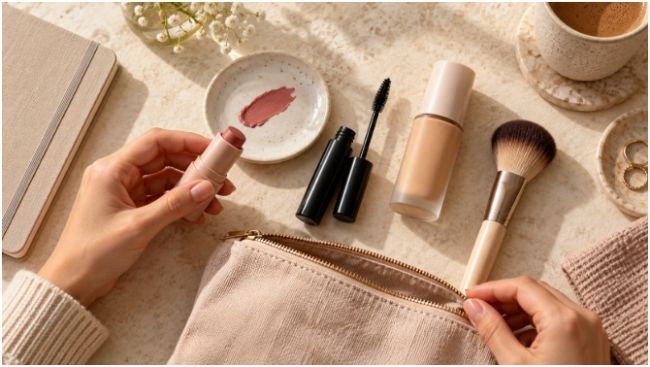
Transitioning does not require a luxury budget. High-performing multi-sticks and mineral tints deliver seamless color payoff without steep department store markups. Many independent laboratories now craft mineral makeup using unadulterated mica and nourishing oils at accessible rates.
Prioritizing multi-use cream tints—formulas engineered to tint cheeks, lips, and eyelids simultaneously—slashes your cosmetic investment in half. Exploring verified affordable clean makeup brands allows you to secure clean foundations, nourishing mascaras, and mineral pigments while keeping your daily investment completely practical.
Frequently Asked Questions
1. Do clean makeup products expire faster than conventional cosmetics?
Yes, because clean cosmetics replace harsh parabens with gentle botanical antimicrobials, resulting in typical shelf lives of six to twelve months once opened.
2. How do I check if my current makeup is safe?
Cross-reference your product’s INCI ingredient panel against independent toxicity databases like EWG Skin Deep or Think Dirty.
3. Can clean makeup trigger acne breakouts?
Yes, certain rich plant oils like unrefined coconut oil or heavy cocoa butter carry high comedogenic ratings that clog sensitive pores.
4. What ingredient should I avoid first in foundation?
Eliminate synthetic fragrance (parfum) and cyclic silicones first to prevent acute barrier irritation and endocrine interference.
Toss the Guilt, Keep the Glow
Rethinking your cosmetic routine is not a moral test, and it does not require an all-or-nothing sacrifice. The smartest approach is methodical: audit your base foundations first, protect your lips and eyes next, and let your powders reach their natural end before replacing them.
By focusing on ingredient safety over clever marketing, you will build a vanity that works in complete harmony with your long-term skin health.