Buying a beautiful fragrance is exciting, but it can also be frustrating when the scent seems to disappear before lunch. Many people assume the perfume is the problem, when in reality, the way it’s applied, stored, and layered often has a much bigger impact on how long it lasts.
The good news is that making a fragrance last longer doesn’t require constantly reapplying it or buying the most expensive bottle on the shelf. A few simple habits can noticeably improve scent longevity while helping you get the most from every spray. Once these habits become part of your routine, your favorite fragrance will perform much closer to the way it was designed.
Why Some Fragrances Naturally Last Longer
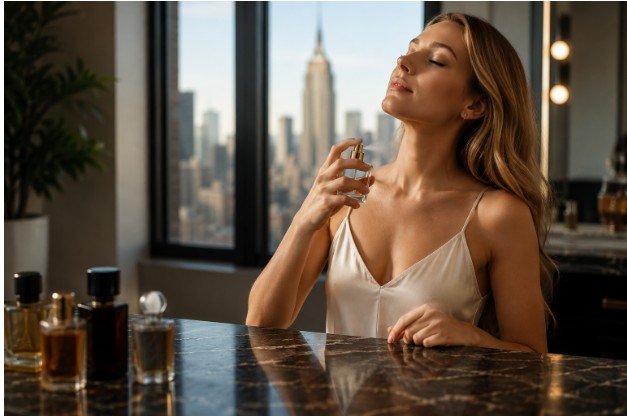
Not every perfume is meant to stay on the skin for the same amount of time. Fresh citrus, aquatic, and green fragrances often fade more quickly because their top notes evaporate faster. On the other hand, fragrances built around vanilla, amber, musk, oud, sandalwood, or patchouli usually linger much longer thanks to heavier base notes.
Fragrance concentration also matters. An Eau de Parfum (EDP) typically contains a higher percentage of fragrance oils than an Eau de Toilette (EDT), allowing it to stay noticeable for a longer period. Even with a long-lasting formula, though, your daily habits still determine how well those notes develop throughout the day.
Start With Hydrated Skin
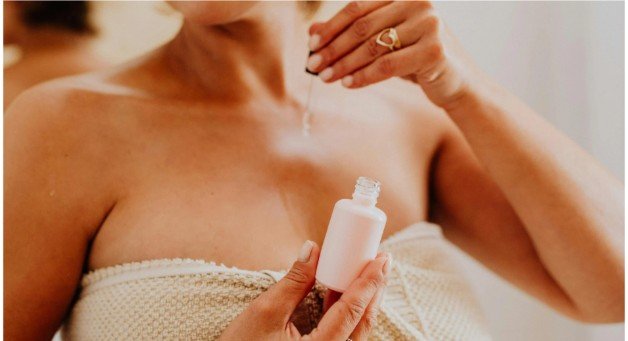
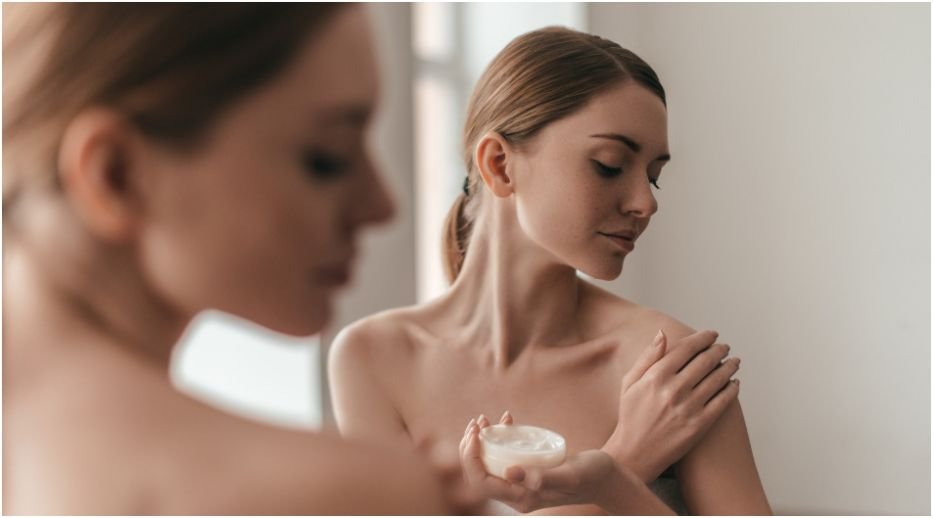
One of the easiest fragrance habits that improve scent longevity is moisturizing your skin before applying perfume. Dry skin absorbs fragrance oils quickly, causing them to evaporate sooner.
After showering, apply an unscented body lotion while your skin is still slightly damp. If your skin tends to be very dry, a thin layer of petroleum jelly on pulse points can create an extra barrier that helps fragrance cling to the skin.
If your perfume collection includes matching body lotion or body cream, layering those products creates an even stronger foundation without changing the scent profile.
Apply Perfume Where It Works Best
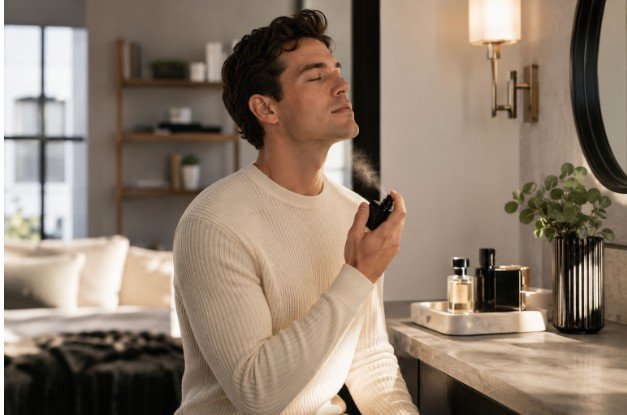
Perfume performs best on warm areas of the body because heat helps release fragrance gradually throughout the day.
Focus on pulse points such as:
- Wrists
- Neck
- Behind the ears
- Inner elbows
- Behind the knees
These areas naturally generate warmth, allowing the fragrance to diffuse without becoming overpowering. You don’t need to spray every pulse point. A few strategic sprays usually create a better scent trail than excessive application.
Stop Rubbing Your Wrists Together
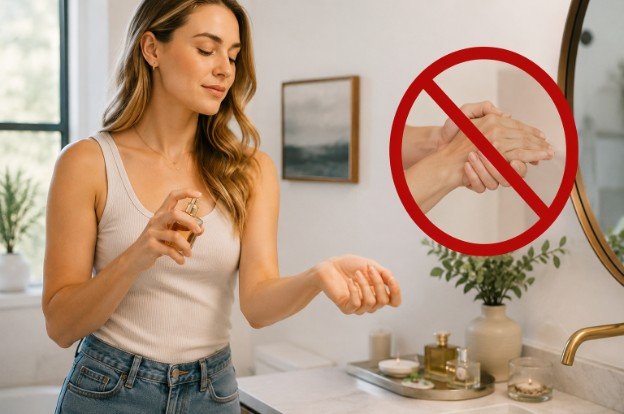
This is probably the most common perfume mistake.
After spraying fragrance onto your wrists, many people instinctively rub them together. While it feels harmless, the friction creates heat that can disrupt the delicate top notes before they have a chance to develop naturally.
Instead, let the fragrance air dry on its own. Giving the perfume a few seconds to settle allows the composition to unfold exactly as the perfumer intended.
Layer Fragrance the Right Way
Layering isn’t about mixing random perfumes. It’s about building scent gradually so each layer supports the next.
A simple routine often looks like this:
- Shower with a lightly scented or matching body wash.
- Apply body lotion or body butter.
- Spray your perfume onto moisturized skin.
If you’re interested in expanding beyond a single signature scent, learning how to build a personal fragrance wardrobe can also help you choose complementary fragrances for different seasons, occasions, and moods while making layering feel more intentional.
Don’t Ignore Your Clothes and Hair
Fabric often holds fragrance longer than skin because it doesn’t produce natural oils.
A light mist on jackets, scarves, or sweaters can extend the overall scent experience well into the evening. However, always check whether your fragrance is safe for fabrics first, especially when wearing silk or delicate materials that may stain.
Hair can also carry fragrance beautifully, but spraying traditional perfume directly onto hair may cause dryness because of its alcohol content. A dedicated hair mist or spraying your hairbrush lightly before brushing offers a safer alternative.
Store Your Perfume Correctly
Even the highest-quality fragrance can lose performance if it’s stored improperly.
Bathrooms are one of the worst places to keep perfume because constant humidity and temperature changes gradually break down fragrance oils.
Instead, store bottles in a cool, dry location away from direct sunlight. Keeping the original box can provide additional protection from light exposure and help preserve the fragrance’s original character for much longer.
Match Your Fragrance to the Season
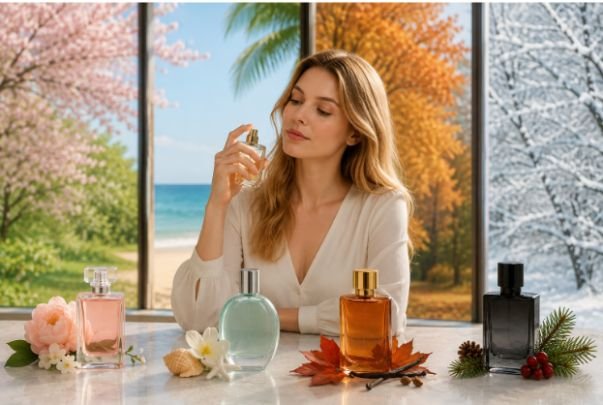
Weather influences how perfume behaves.
During warmer months, body heat naturally amplifies fragrance projection, making lighter scents feel fresher and more comfortable. In colder weather, heavier fragrances built around woods, resins, spices, and amber tend to perform better because cooler temperatures slow evaporation.
Adjusting your fragrance choice to the season often improves longevity without changing your application routine.
Common Habits That Make Perfume Fade Faster
Sometimes it’s not the fragrance; it’s the routine.
Common mistakes include storing perfume in humid environments, applying it to dry skin, rubbing wrists together, overspraying in one area, or expecting every fragrance family to perform the same way. Understanding your skin chemistry and choosing the right fragrance concentration often makes a bigger difference than simply adding more sprays.
FAQs: Fragrance Habits That Improve Scent Longevity That Actually Work
Does moisturizing really help perfume last longer?
Yes. Hydrated skin slows fragrance evaporation, allowing perfume oils to remain on the skin longer than they would on dry skin.
Is Eau de Parfum always longer lasting than Eau de Toilette?
Generally, yes. Eau de Parfum contains a higher concentration of fragrance oils, although ingredients, skin chemistry, and weather also influence longevity.
Can I spray perfume on my clothes?
Yes, but only if the fragrance is fabric-safe. Test delicate fabrics first because some perfumes may leave stains or marks.
Why does my perfume fade faster than someone else’s?
Skin type, body chemistry, climate, storage habits, and fragrance concentration all affect performance. Even the same perfume can wear differently from person to person.
Small Habits Make Every Spray Count
The best fragrance routine isn’t about using more perfume; it’s about using it more thoughtfully. Moisturized skin, proper application, careful storage, and realistic expectations all work together to help a fragrance reveal its full character throughout the day. Once these habits become second nature, you’ll spend less time wondering where your perfume went and more time enjoying every stage of its evolution.
Sometimes the smallest adjustments create the biggest difference in how a fragrance is experienced.