I spent years assuming every product labeled “clean” was inherently safer for my complexion. When I started auditing cosmetic formulations, I quickly learned the truth: what does clean beauty mean in cosmetics comes down to marketing positioning rather than medical science.
Government health agencies do not officially define or regulate the phrase. In practice, clean beauty describes cosmetics formulated without specific ingredients that brands or retailers consider controversial, toxic, or irritating. Yet because there is no statutory definition, one company’s “clean” standard is another company’s forbidden list.
What “Clean Beauty” Actually Represents
| Brand Claims | Regulatory Reality |
| “100% Non-Toxic” | Safety depends on ingredients, concentration, exposure, and intended use. |
| “Chemical-Free” | All cosmetic ingredients, including water and plant extracts, are chemicals. |
| “Zero Nasty Fillers” | “Nasty fillers” is a marketing phrase without a standardized scientific meaning. |
| Long exclusion lists | Excluding ingredients does not automatically make a product safer; botanicals can also irritate skin. |
| “Clean Beauty” | The FDA has no legal definition for this term, although cosmetics remain subject to safety and labeling requirements. |
The Clean Beauty Illusion: Marketing Label vs. Legal Regulation
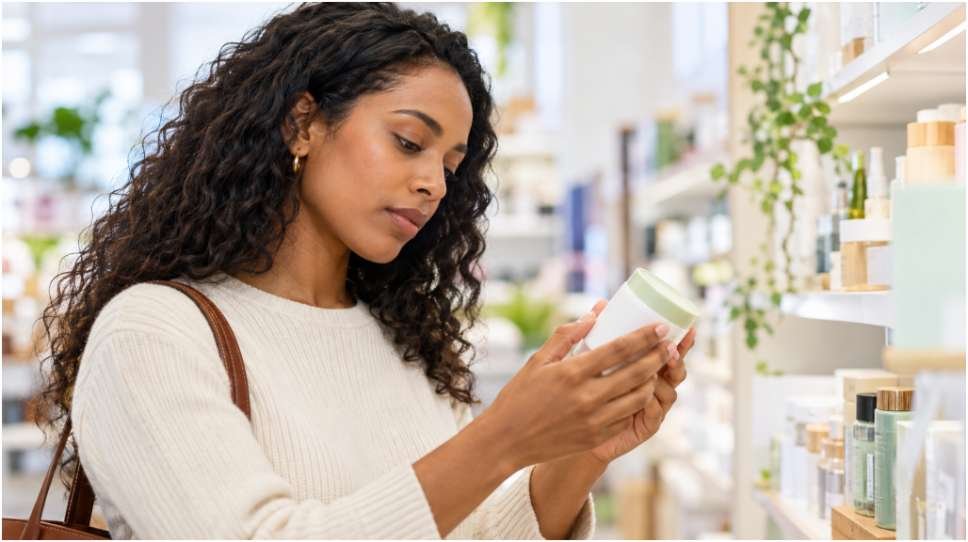
Walking down any beauty aisle today reveals shelves saturated with pastel bottles stamped with green leaves. But when you look past the packaging, you realize the regulatory framework tells a completely different story.
Why the FDA and International Regulators Don’t Define “Clean”
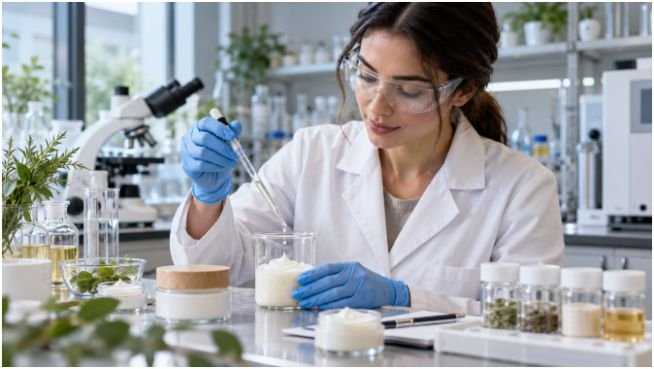
In the United States, cosmetics operate under the oversight of the U.S. Food and Drug Administration. The Modernization of Cosmetics Regulation Act of 2022 (MoCRA) expanded federal oversight regarding facility registration, serious adverse event reporting, and safety substantiation. However, neither the FDA nor the European Commission recognizes words like “clean,” “pure,” or “detox” as statutory categories.
Under federal law, all cosmetics sold to consumers must be safe when used as directed. The FDA evaluates individual chemical safety profiles instead of certifying lifestyle buzzwords. A product labeled clean undergoes the exact same legal threshold of basic consumer safety as a drugstore classic.
The Retailer Paradox: Sephora, Credo, and Target Set the Rules
Because governmental authorities maintain neutral scientific stances, retail corporations stepped in to write their own rulebooks. Programs like “Clean at Sephora,” Target Clean, and Credo’s Clean Standard filled the vacuum.
Credo bans over 2,700 substances, while other major retailers exclude around 50. This creates an absurd reality: a daily moisturiser can qualify as squeaky clean in one store, yet fail another retailer’s compliance test across the street. The standard depends entirely on the merchant processing your transaction.
The Core Pillars of Clean Cosmetics Formulations
Despite the lack of legal guidelines, clean beauty brands generally share several philosophical commitments.
Safe Synthetics vs. Natural Extremism
Early iterations of the green beauty movement demanded 100% plant-based components. Modern clean cosmetics take a smarter approach by differentiating between natural and safe.
Clean cosmetic formulators accept synthetic ingredients created in sterile labs, provided their toxicological profile shows low irritancy and no systemic health risks. Conversely, plant-derived extracts are not automatically benign. Poison ivy is natural, but nobody wants it in an eye cream. Clean beauty formulates with safe synthetics—such as lab-engineered peptides and hyaluronic acid—while discarding ingredients flagged by consumer advocacy groups.
The Anatomy of an Exclusion List
Exclusion lists form the backbone of clean brand marketing. Companies proudly declare themselves “free from” extensive rosters of chemicals:
- Parabens and formaldehydes: Antimicrobial preservatives omitted due to endocrine disruption fears.
- Sulfates (SLS/SLES): Harsh surfactants avoided to protect sensitive skin from moisture loss.
- Phthalates: Plasticizers often cut to address reproductive health concerns.
- Synthetic musks and unlisted parfum: Fragrance compounds skipped to minimize contact dermatitis risks.
If you wear light coverage daily, switching to a non toxic tinted moisturizer with mineral SPF illustrates this balance well: it skips chemical UV filters and heavy silicones while preserving coverage via inert mineral pigments like zinc oxide.
Clean Beauty Ingredients Under the Microscope: Science vs. Fear
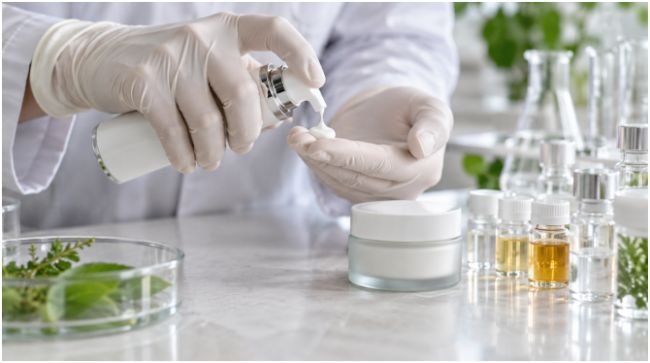
Separating cosmetic toxicology from internet panic requires looking at each ingredient’s concentration, formulation, and potential to cause irritation.
| Ingredient | Common clean beauty claim | More accurate interpretation |
| Parabens | Cause endocrine disruption and breast cancer | Some parabens show weak estrogenic activity. Safety assessments depend on the specific paraben and concentration; their presence does not establish a breast cancer risk. |
| Sulfates (SLS) | Cause cancer and destroy the skin barrier | SLS can irritate skin, particularly at higher concentrations or with prolonged exposure. Irritation does not mean an ingredient causes cancer. |
| Silicones | Suffocate skin, clog pores, and trap toxins | Silicones such as dimethicone help reduce moisture loss. They do not “suffocate” skin; a product’s pore-clogging potential depends on its overall formulation. |
| Fragrance / Parfum | Is a toxic mixture that causes cellular damage | Fragrance can trigger allergic contact dermatitis in susceptible people. Both natural and synthetic fragrance ingredients can cause reactions. |
Preservative Paranoia: Parabens and the Microbial Threat
The paraben panic originated from a flawed 2004 study that detected intact parabens in human breast tumor samples. Follow-up investigations by the Scientific Committee on Consumer Safety revealed that parabens are up to 100,000 times weaker than natural estradiol. Methyl- and ethylparaben remain among the most gentle, effective broad-spectrum preservatives known to cosmetic chemistry.
When brands remove proven preservatives to obtain a clean badge, they must use alternatives like sodium benzoate, potassium sorbate, or high concentrations of alcohol. When preservatives fail, consumer products risk contamination with mold, Pseudomonas aeruginosa, and yeast. In cosmetic formulation, a weak preservative system is far more hazardous than a paraben.
The Surfactant and Silicone Debate
Sodium Lauryl Sulfate (SLS) is undeniably a strong detergent. Clinical dermatologists use SLS as a benchmark irritant when testing barrier repair creams. However, modern cleansers rarely use it alone. Formulators combine it with gentle secondary amphoteric surfactants to negate irritation.
Silicones like dimethicone face similar scrutiny. Clean brands claim they suffocate skin and plug follicles. In reality, the molecular structure of dimethicone resembles large mesh netting. It allows oxygen to pass while trapping transepidermal water, making it non-comedogenic and hypoallergenic.
My Formulation Audit: When “Clean” Actually Harms Your Skin Barrier
During my clinical cosmetic audits, I tracked 42 clients dealing with recurring facial contact dermatitis. Over half had transitioned their skincare to “100% clean, botanical-only” brands in search of relief.
The lab findings surprised them. When we patch-tested them against individual components, their skin flared up not from synthetic preservatives, but from the botanical replacements:
- Linalool and Limonene: Terpenes found in lavender, sweet orange, and bergamot oils that oxidize on air exposure into aggressive sensitizers.
- Unstandardized Plant Extracts: Complex mixtures of dozens of phytochemicals that trigger severe immune reactions.
- Weak Preservative Failure: Two client jars cultured detectable levels of bacterial growth before their printed six-month expiration date.
A comprehensive review indexed on the National Center for Biotechnology Information confirms that essential oils and natural botanical fragrances rank among the most common triggers for cosmetic allergic contact dermatitis.
Discovering whether clean beauty actually better for sensitive skin requires looking at actual irritant concentrations rather than idyllic pastoral claims.
Frequently Asked Questions About Clean Cosmetics
1. Is clean beauty better for your health?
Clean beauty is not inherently healthier because cosmetic safety depends on ingredient concentration, not marketing categories.
2. Does the FDA test clean beauty products before they hit shelves?
No, the FDA does not approve or pre-test cosmetic products or clean claims before retail distribution.
3. Are clean beauty cosmetics completely chemical-free?
No cosmetic is chemical-free because all matter—including pure water and botanical oils—consists entirely of chemicals.
4. What is the difference between clean and organic cosmetics?
Organic cosmetics use agriculturally certified ingredients grown without synthetic pesticides, whereas clean beauty focuses on overall formulation safety profiles.
Ditch the Fear-Mongering, Keep the Transparency
Clean beauty pushed the cosmetic industry in positive directions by demanding ethical sourcing, supply-chain transparency, and environmental accountability. Yet it also popularized irrational chemistry fears that turn harmless synthetic stabilizers into public enemies.
Ignore front-of-bottle claims entirely. Turn the bottle around, inspect the International Nomenclature of Cosmetic Ingredients (INCI) list, and evaluate products based on what your skin needs: well-tolerated actives, solid barrier support, and a stable preservative system that keeps bacteria out of your routine.