
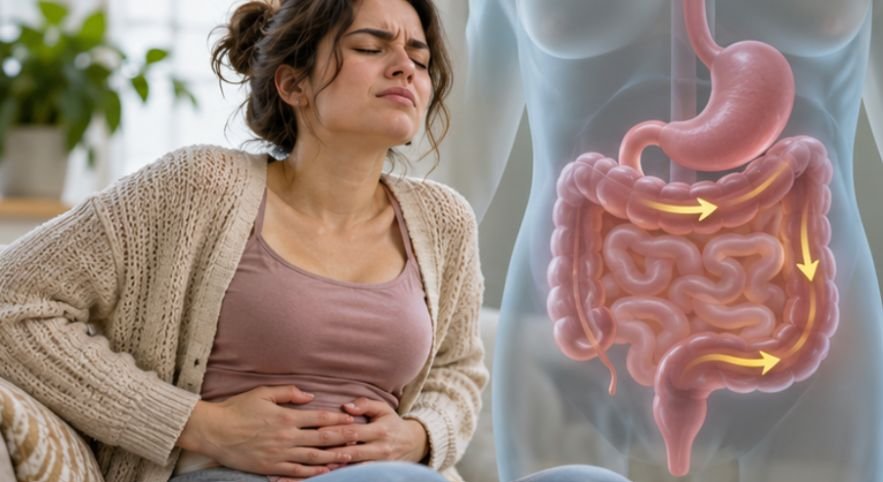
Having a bowel movement every day does not necessarily mean your digestive system is working properly. You can experience constipation even with regular bathroom visits, while slow digestive movement can cause symptoms far beyond infrequent stools.
Understanding the signs of poor gut motility vs constipation can help explain why bloating, abdominal discomfort, or difficult bowel movements keep returning.
Although these problems overlap, they are not identical. Constipation describes difficulty passing stool, while poor gut motility involves abnormal movement through the digestive tract.
Recognizing the difference matters because the most effective treatment depends on what is causing your symptoms.
What Happens When Gut Motility Slows Down?
Gut motility refers to the coordinated muscle contractions that move food, liquids, and waste through the digestive system.
These movements, called peristalsis, occur throughout the esophagus, stomach, small intestine, and colon.
When these contractions become unusually slow or poorly coordinated, digestive contents may remain in one area longer than expected.
According to Cleveland Clinic’s overview of digestive motility disorders, abnormal gastrointestinal movement can contribute to bloating, nausea, constipation, diarrhea, and difficulty swallowing.
The symptoms depend largely on which part of the digestive tract is affected.
For example, delayed movement through the colon can cause hard stools, while delayed stomach emptying may produce nausea and uncomfortable fullness after eating.
Signs of Poor Gut Motility vs Constipation: Key Differences
The most important distinction is that constipation describes a symptom pattern, whereas impaired motility describes a possible underlying mechanism.
Symptoms More Commonly Associated With Constipation
Constipation typically involves changes in bowel movement frequency, stool consistency, or ease of evacuation.
Common symptoms include:
- Having fewer than three bowel movements weekly
- Passing hard, dry, or unusually lumpy stools
- Straining during bowel movements
- Feeling that stool remains after using the bathroom
- Experiencing discomfort while passing stool
- Needing excessive time to empty the bowels
The National Institute of Diabetes and Digestive and Kidney Diseases estimates that approximately 16% of American adults experience constipation symptoms.
However, bowel movement frequency alone cannot establish a diagnosis. Someone may have daily bowel movements and still experience constipation because of persistent straining or incomplete evacuation.
Symptoms That May Suggest a Motility Disorder
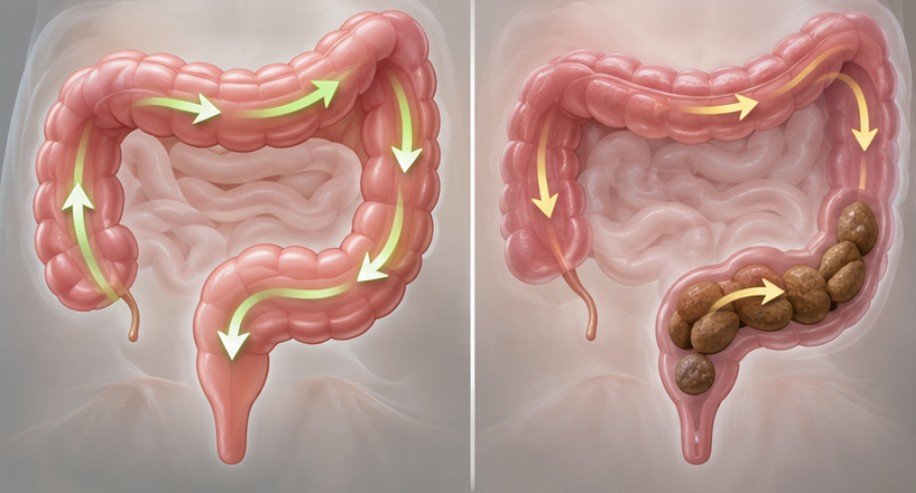
Poor digestive motility can produce broader symptoms, particularly when movement is disrupted beyond the colon.
Possible warning signs include:
- Persistent abdominal bloating or visible swelling
- Excessive gas accompanied by abdominal discomfort
- Recurring constipation that responds poorly to treatment
- Abdominal cramping or pressure
- Nausea following meals
- Feeling full after eating unusually small portions
- Vomiting or persistent upper abdominal fullness
- Heartburn or regurgitation
Delayed movement may increase the time intestinal contents remain available for bacterial fermentation, potentially contributing to gas.
However, bloating, fatigue, and reflux are nonspecific symptoms. They do not independently establish a motility disorder.
Because abdominal swelling can have different underlying causes, understanding bloating vs. water retention symptoms can help you recognize the differences between digestive bloating and temporary fluid retention.
Why Constipation Does Not Always Mean Slow Motility
A common misconception is that every case of constipation results from sluggish intestinal contractions.
In reality, several different problems can produce similar symptoms.
Normal-Transit Constipation
Some people experience constipation even though waste moves through the colon at a normal rate.
They may still pass hard stools or struggle with bowel movements because of stool consistency, intestinal sensitivity, or other functional factors.
Slow-Transit Constipation
In slow-transit constipation, stool moves unusually slowly through the large intestine.
This allows additional water absorption, potentially producing harder stools and less frequent bowel movements.
People with this condition may experience persistent constipation despite reasonable dietary adjustments.
Pelvic Floor Dysfunction
Sometimes stool reaches the rectum normally, but the muscles responsible for elimination do not coordinate properly.
This condition, called dyssynergic defecation, can cause substantial straining, incomplete evacuation, and difficulty passing even soft stool.
These differences explain why simply increasing fiber does not resolve every constipation problem.
When Digestive Symptoms Extend Beyond the Colon
Poor motility can involve the upper digestive tract, producing symptoms that ordinary constipation may not explain.
One example is gastroparesis, a condition involving delayed stomach emptying without a mechanical obstruction.
Johns Hopkins Medicine identifies early fullness, nausea, vomiting, bloating, and abdominal discomfort among its symptoms.
Someone with delayed stomach emptying might feel uncomfortable after a few bites, while a person with isolated constipation may eat normally but struggle with bowel movements.
Persistent reflux or nausea does not automatically indicate gastroparesis. These symptoms require medical evaluation because numerous digestive conditions can produce them.
A Simple Seven-Day Digestive Symptom Checklist

A short symptom diary can provide useful information before a medical appointment.
For seven consecutive days, record:
- Bowel frequency: Note each bowel movement and whether your usual schedule has changed.
- Stool appearance: Use the Bristol Stool Form Scale to identify hard pellets, formed stools, or loose stools.
- Straining: Record how difficult elimination feels.
- Incomplete emptying: Note whether you still feel the need to go afterward.
- Bloating: Track when abdominal swelling develops and whether it improves after bowel movements.
- Meal-related symptoms: Record nausea, early fullness, reflux, or discomfort after eating.
- Medication and lifestyle changes: Note supplements, prescriptions, hydration, activity, and major dietary changes.
This checklist cannot diagnose slow transit or a motility disorder. Its value is revealing patterns that might otherwise be forgotten.
How Doctors Identify the Underlying Problem
When symptoms persist despite appropriate treatment, a gastroenterologist may recommend specialized testing.
The American Gastroenterological Association explains that colonic transit studies measure how quickly material travels through the large intestine.
Patients may swallow a capsule containing small markers that can later be tracked with abdominal X-rays.
Additional evaluations may include:
- Anorectal manometry to measure rectal and anal muscle function
- Balloon expulsion testing to assess evacuation difficulty
- Defecography to examine bowel-emptying mechanics
- Blood tests when an underlying medical condition is suspected
- Gastric emptying studies when upper digestive symptoms suggest delayed stomach emptying
Testing is selected according to symptoms and clinical findings rather than performed routinely on everyone experiencing constipation.
Practical Ways to Improve Digestive Regularity
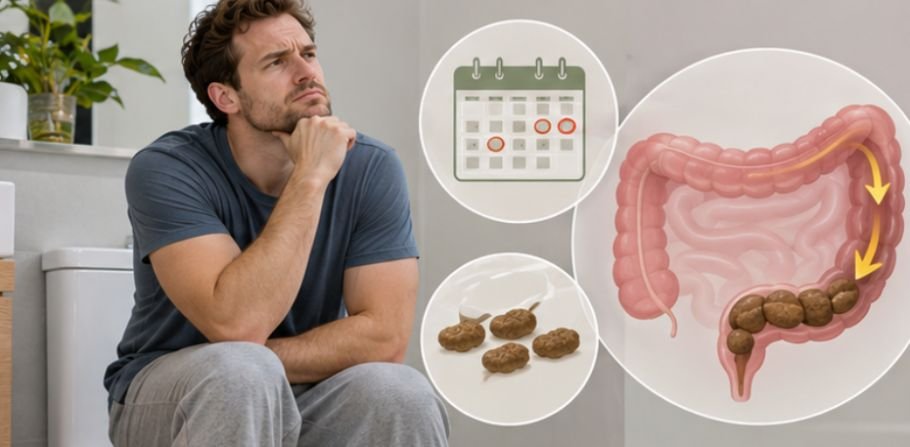
The right approach depends on whether symptoms stem from stool consistency, slow transit, medication effects, or pelvic floor dysfunction.
Increase Fiber Carefully
Fiber helps stool retain water and supports more consistent bowel movements.
Adults generally need approximately 22–34 grams daily, depending on age and sex.
However, adding large quantities suddenly can worsen gas and bloating. Some people with significant motility disorders require individualized fiber recommendations.
Support Hydration and Movement
Adequate fluid intake helps prevent dehydration-related hard stools, while regular physical activity may improve bowel regularity.
The MedlinePlus constipation self-care guide recommends physical activity, dietary fiber, sufficient fluids, and responding promptly to bowel urges.
These everyday habits also fit naturally into a broader wellness routine, alongside simple at-home body care practices.
For readers exploring additional approaches to digestive comfort, this overview of castor oil packs for bloating and digestion discusses the practice, its proposed benefits, and important considerations before trying it.
Digestive health is also connected to broader metabolic wellness, and understanding whether berberine lowers blood sugar after meals can provide additional insight into how this supplement may affect post-meal glucose levels.
Establish a Consistent Bathroom Routine
Try sitting on the toilet around 15–45 minutes after breakfast, when eating naturally stimulates colon activity.
A small footstool may also improve positioning and make elimination easier. Avoid prolonged straining.
Know When Lifestyle Changes Are Not Enough
Some people benefit from clinician-recommended osmotic laxatives, prescription medications, or pelvic floor biofeedback therapy.
Treatment should address the underlying cause rather than relying indefinitely on increasingly aggressive laxative use.
When Should You Seek Medical Attention?
Persistent constipation, repeated nausea, unexplained bloating, or symptoms that interfere with eating deserve medical evaluation.
Seek urgent medical care for severe or constant abdominal pain, vomiting, inability to pass gas, or significant abdominal swelling, particularly when symptoms occur together.
Blood in the stool, unexplained weight loss, or persistent changes in bowel habits also require prompt assessment.
Frequently Asked Questions
1. Can poor gut motility cause constipation every day?
Yes. Slow intestinal transit can contribute to repeated constipation, although daily difficulty passing stool may also result from pelvic floor dysfunction or other causes.
2. What are the earliest signs of poor gut motility vs constipation?
Persistent bloating, prolonged fullness, nausea, and recurring bowel difficulties may suggest a motility problem. Hard stools and straining commonly indicate constipation, but symptoms alone cannot reliably distinguish them.
3. Can you have normal bowel movements with poor gut motility?
Yes. A motility disorder affecting the stomach or esophagus may cause symptoms while bowel movements remain relatively normal.
4. Does drinking more water fix slow gut motility?
Adequate hydration can soften stools and prevent dehydration-related constipation, but it does not necessarily correct abnormal digestive muscle or nerve function.
Understand the Pattern, Not Just the Frequency
Digestive health is about more than counting bathroom visits. Stool consistency, abdominal comfort, meal tolerance, and the effort required for elimination all provide important information.
Occasional constipation often improves with practical changes to diet, hydration, and activity. Persistent symptoms, however, may reflect slow intestinal transit, pelvic floor dysfunction, medication effects, or another medical condition.
The most useful first step is documenting your symptoms instead of assuming every digestive problem has the same cause.
A clear symptom history, followed by appropriate medical evaluation when necessary, can lead to more targeted treatment and lasting relief.