
I once assumed that dry skin simply needed more water. However, adding hydration only provides temporary comfort when a weakened moisture barrier cannot retain it. So, what do ceramides do for dry skin?
These naturally occurring lipids reinforce the skin’s protective barrier, limit water loss, and help block environmental irritants. This support can make chronically dry skin feel softer, smoother, and less sensitive.
Ceramides are not just another fashionable skincare ingredient. They form an essential part of healthy skin, and understanding their role can help me choose products that address the source of persistent dryness instead of covering up the symptoms.
What Are Ceramides, and Why Does the Skin Need Them?
Ceramides are fatty molecules found naturally in the stratum corneum, the outermost layer of the skin. They account for roughly 50% of the lipids in this protective layer and work alongside cholesterol and fatty acids to maintain a strong skin barrier.
I picture the outer layer as a brick wall. The skin cells are the bricks, while ceramides act as the mortar filling the spaces between them. When the mortar remains intact, the wall keeps moisture inside and outside irritants away from the more vulnerable layers beneath it.
When ceramide levels decline, spaces can develop between skin cells. Water then evaporates more easily, while allergens, pollutants, and other irritants may penetrate the weakened barrier. This process can contribute to roughness, flaking, itching, tightness, sensitivity, and cracking.
Why Does Dry Skin Lose Its Natural Ceramides?
Age-related lipid decline is one common cause. As I get older, my skin may not replenish its natural ceramides as efficiently as it once did. This change can leave mature skin thinner, drier, and more vulnerable to irritation.
Environmental conditions can also affect the moisture barrier. Cold winters, low humidity, strong winds, indoor heating, and year-round air conditioning create challenges for people across the United States. Sun exposure can further affect barrier health.
My daily habits matter as well. Long, hot showers, harsh soaps, frequent washing, rough scrubs, and excessive use of exfoliating acids can strip away protective lipids. A complicated routine with too many active ingredients may make dry skin worse rather than improve it.
How Do Ceramides Help Dry, Flaky Skin?
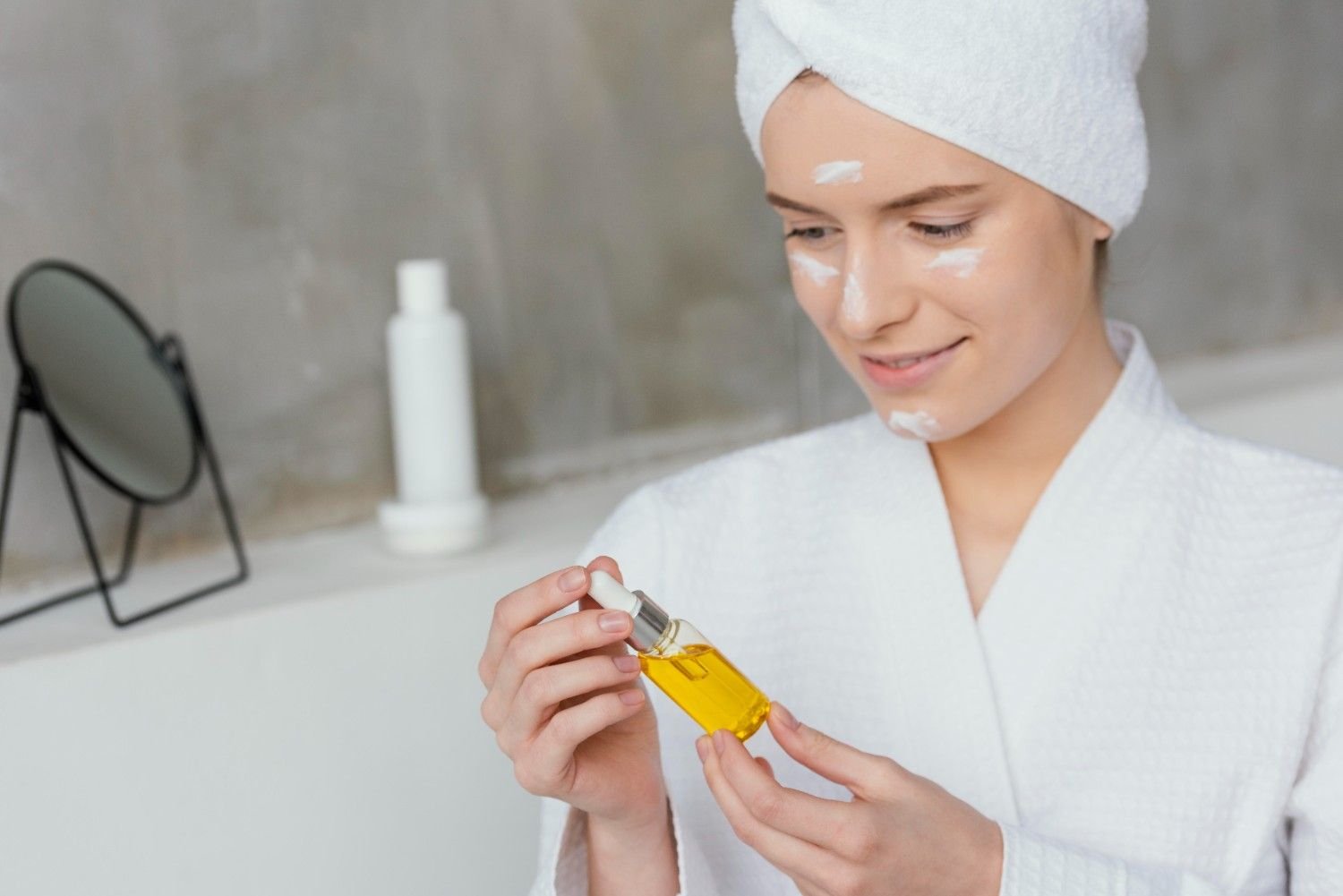
Ceramides address several connected causes and symptoms of dryness. They do not merely coat the surface; properly formulated ceramide products support the lipid structure that allows the outer layer to function effectively.
Ceramides Reduce Transepidermal Water Loss
Transepidermal water loss, commonly called TEWL, occurs when water travels through the epidermis and evaporates from the surface. A damaged barrier allows this process to happen more quickly.
Ceramides help organize the lipid material around skin cells, creating a more effective seal that slows evaporation. It is more accurate to say that they reduce moisture loss through the spaces between cells than to say they trap water inside individual skin cells.
As the barrier retains more moisture, dry skin may feel softer, more flexible, and less tight. Fine surface lines caused by dehydration may also appear less prominent.
Ceramides Repair and Strengthen the Skin Barrier
Depleted barrier lipids can contribute to chronic dryness, flaking, and rough texture. Topical ceramides help replenish some of these missing lipids and support barrier recovery.
They do not exfoliate dead skin in the way lactic acid or salicylic acid does. Instead, they strengthen the structure surrounding skin cells. This makes them particularly useful when roughness appears alongside stinging, itching, or sensitivity and aggressive exfoliation could cause additional irritation.
Ceramides Help Reduce Skin Sensitivity
A healthy lipid barrier acts as the body’s first line of defense against allergens, pollution, and environmental irritants. When that barrier develops gaps, unwanted substances can enter more easily and trigger discomfort or inflammation.
Ceramides do not make my skin immune to irritation, but they can help create a stronger defensive layer. Over time, this support may leave sensitive, dry skin feeling calmer and better able to tolerate a simple skincare routine.
Can Ceramides Help With Eczema and Psoriasis Dryness?
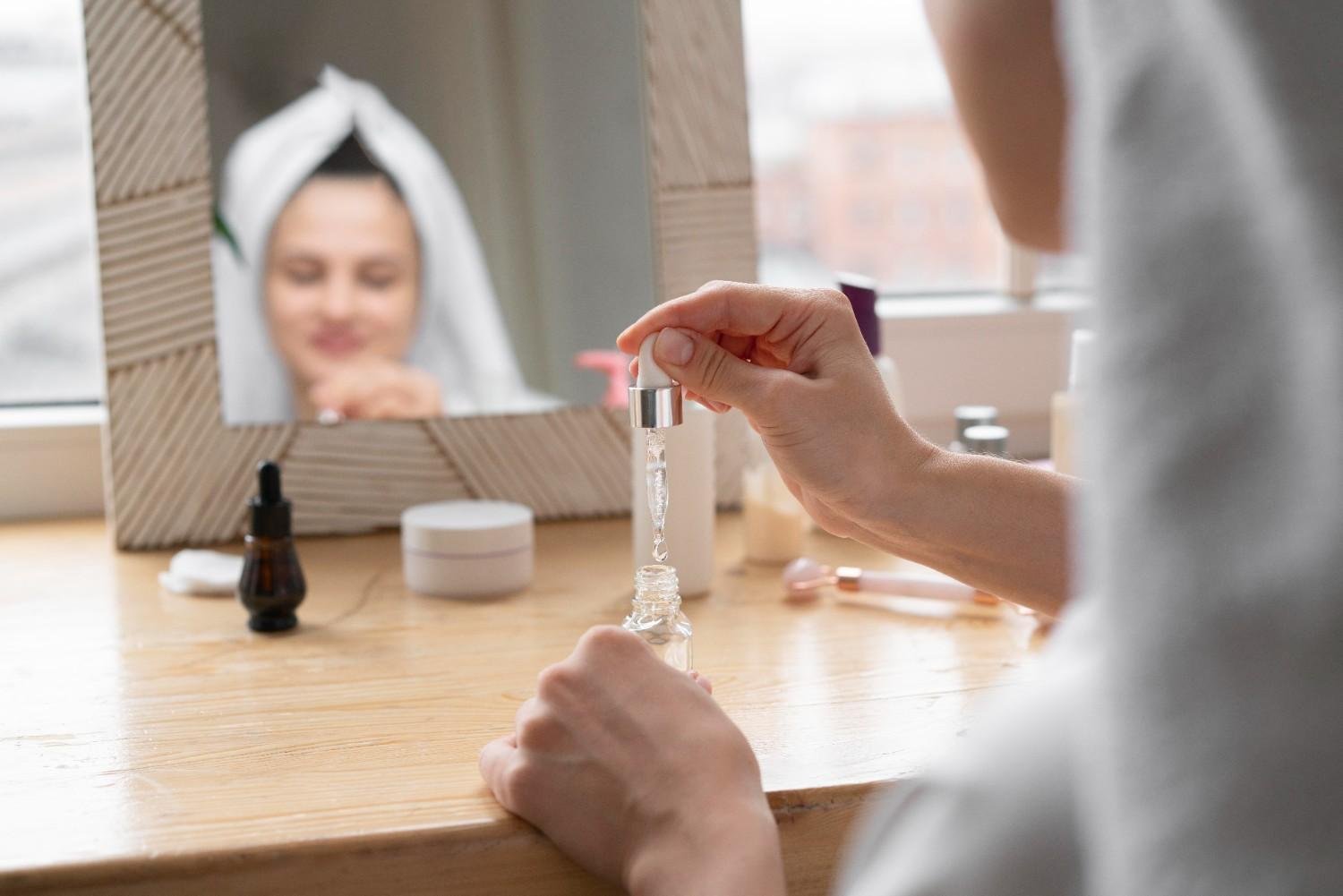
Eczema and psoriasis can both involve significant dryness, flaking, and barrier disruption. Ceramide-containing moisturizers may help reduce water loss and improve comfort when used as part of an appropriate skincare plan.
However, ceramides do not cure either condition. Psoriasis involves an immune-driven process, while eczema can have several triggers and causes. I treat a ceramide cream as supportive care rather than a replacement for medication or professional treatment.
If my skin becomes severely inflamed, painful, infected, or cracked enough to bleed, I consult a board-certified dermatologist. Persistent itching or a rash that does not improve also deserves medical evaluation.
Are Ceramides Better Than Hyaluronic Acid for Dry Skin?
Ceramides and hyaluronic acid perform different jobs, so I do not consider one universally better. Hyaluronic acid is a humectant that helps attract and bind water in the outer skin. Ceramides are barrier lipids that help prevent that water from escaping.
Glycerin is another effective humectant commonly found in affordable moisturizers at US drugstores. Occlusive ingredients such as petrolatum and dimethicone form an additional surface layer that reduces evaporation.
A balanced moisturizer may combine humectants, ceramides, cholesterol, fatty acids, emollients, and occlusives. This type of formula attracts water, replenishes missing lipids, smooths rough areas, and seals in moisture.
Which Ceramides Should I Look for in a Moisturizer?
Common ingredient-label names include Ceramide NP, Ceramide AP, Ceramide EOP, Ceramide NS, and Ceramide EOS. Some product descriptions use older numerical names such as Ceramide 1, Ceramide 3, and Ceramide 6-II. Phytosphingosine and sphingosine are related components that may also appear in barrier-supporting formulas.
I do not choose a product based only on the number of advertised ceramides. The complete formulation matters. Ceramides may perform especially well when combined with cholesterol, fatty acids, glycerin, hyaluronic acid, squalane, shea butter, dimethicone, or petrolatum.
For sensitive or eczema-prone skin, I prefer a fragrance-free moisturizer. “Unscented” does not necessarily mean fragrance-free because an unscented formula may contain masking fragrance.
Should I Choose a Ceramide Cream or Lotion?
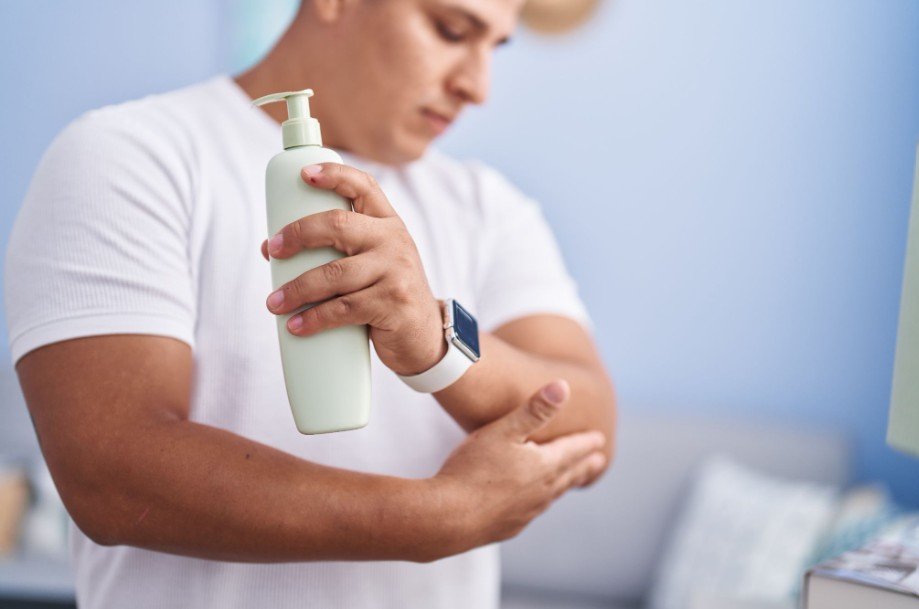
I usually choose a lotion when my dryness is mild, the weather is humid, or I need a lightweight product under sunscreen. Lotions also spread easily across larger areas such as the arms and legs.
A richer ceramide cream generally works better for very dry skin, winter weather, nighttime use, and stubborn areas such as the hands, elbows, knees, and heels. An ointment or a thin layer of petrolatum over moisturizer may provide additional protection for severely dry patches.
The best texture is the one I can apply consistently without feeling uncomfortable or greasy.
How Should I Use Ceramides in My Skincare Routine?
Frequently Asked Questions (FAQs)
1. Can I use a ceramide moisturizer every day?
Yes. Most people can use ceramide moisturizers once or twice daily. I apply mine after cleansing and reapply it to frequently washed areas, such as my hands, whenever they feel dry.
2. What do ceramides do for dry skin during winter?
They replenish protective lipids and reduce the water loss caused by cold air, low humidity, wind, and central heating. During winter, I may switch from a light lotion to a richer fragrance-free cream.
3. Are ceramides safe for acne-prone skin?
Ceramides generally suit acne-prone skin because they naturally occur in the skin. I still check the complete formula and choose a noncomedogenic texture appropriate for my skin type.
4. How long does it take for ceramides to work?
A moisturizer can provide immediate softness, but improvements in barrier comfort require consistent application. The timeline depends on the formula, climate, skincare habits, severity of dryness, and any underlying condition.
Final Thoughts
When I am asked what ceramides do for dry skin, I explain that they help the skin hold its protective structure together. They replenish barrier lipids, reduce transepidermal water loss, defend against irritants, and support relief from roughness, flaking, tightness, and sensitivity.
I get the most value from ceramides when I combine them with a gentle cleanser, humectants, appropriate occlusive ingredients, and daily sunscreen. Rather than repeatedly adding moisture to a barrier that cannot retain it, I focus on rebuilding the seal that keeps that moisture where my skin needs it.