
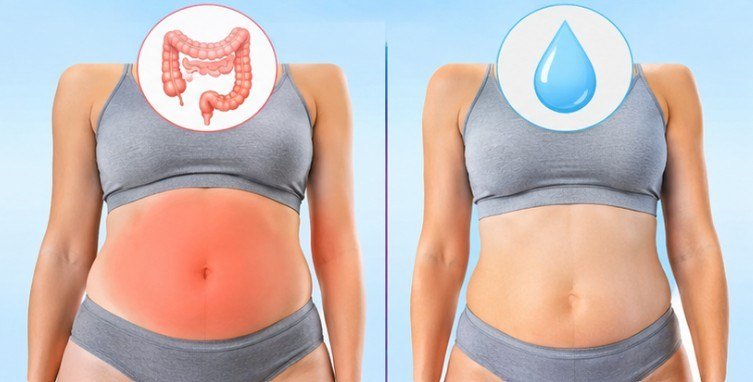
A swollen stomach does not always mean you have excess gas. Sometimes, your body is holding extra fluid, and the difference matters more than you might think.
Understanding bloating vs water retention symptoms can help you identify whether digestive activity, hormonal changes, or fluid buildup is responsible for your discomfort.
Digestive bloating usually creates pressure around the abdomen, while water retention often causes puffiness in the hands, feet, face, or legs. However, these conditions can overlap, making symptoms confusing. The most useful clues are where swelling appears, when it develops, and what makes it disappear.
Bloating vs Water Retention: What’s the Actual Difference?
Although people often use these terms interchangeably, bloating and water retention involve different processes.
Digestive bloating happens when the abdomen feels unusually full or stretched. It may involve intestinal gas, constipation, digestive sensitivity, or changes in how the digestive muscles function.
Water retention, medically called edema when fluid accumulates in tissues, occurs when excess fluid collects outside blood vessels. This can produce visible swelling and temporary weight changes.
Research from the National Institute of Diabetes and Digestive and Kidney Diseases found that approximately 20% of respondents in a large US survey reported bloating during the previous week.
This highlights how common abdominal discomfort is, although not every swollen abdomen has the same explanation.
The Symptoms That Reveal What’s Happening Inside Your Body
Signs Your Swelling Is Digestive Bloating
Digestive bloating usually concentrates around the stomach and intestinal area.
You might notice abdominal tightness after eating, increased burping, excessive gas, or discomfort that improves after using the bathroom.
Common symptoms include:
- A stretched or unusually full abdomen
- Pressure after meals
- Increased flatulence or belching
- Abdominal rumbling or mild cramping
- Relief after passing gas or having a bowel movement
Bloating sometimes develops without significant visible swelling. This happens because intestinal sensitivity can make ordinary amounts of gas feel uncomfortable.
Interestingly, symptoms may worsen throughout the day as meals accumulate and digestion continues.
Signs Your Body Is Retaining Water
Fluid retention often affects areas beyond the abdomen.
Your rings might become difficult to remove, shoes may feel tighter, or socks might leave deeper impressions around your ankles.
Typical symptoms include:
- Puffy fingers, eyelids, or facial features
- Swollen ankles, feet, or lower legs
- Tight skin around affected areas
- Temporary weight increases
- Aching or stiffness around swollen joints
According to the National Library of Medicine’s MedlinePlus resource, edema can be localized or widespread.
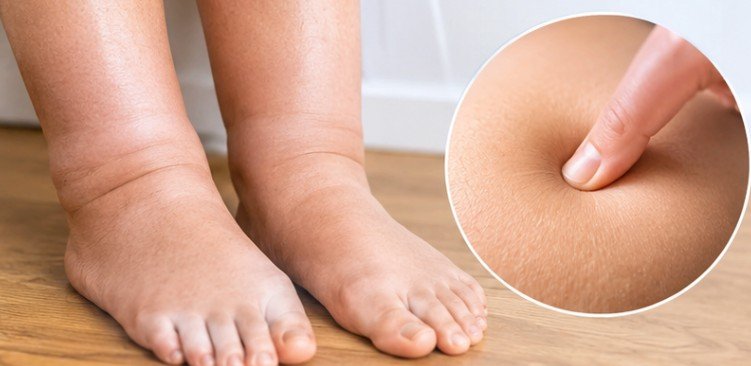
Some people also experience pitting edema, where gentle pressure leaves a temporary indentation in the skin. However, not all fluid-related swelling produces visible indentations.
Quick Comparison: How to Identify the Difference
Recognizing bloating vs water retention symptoms becomes easier when you compare their location, timing, and accompanying sensations.
| Feature | Digestive bloating | Water retention |
| Main location | Abdomen | Hands, face, legs, feet, sometimes abdomen |
| Sensation | Pressure, fullness, gas | Puffiness, tightness, heaviness |
| Common timing | After meals or later in the day | After prolonged sitting, heat, or hormonal changes |
| Weight changes | Usually less noticeable | May cause rapid temporary increases |
| Bathroom relief | Sometimes improves after bowel movements | Usually unaffected |
| Skin indentation | Not typical | Possible with pitting edema |
These patterns provide useful clues, but they cannot confirm a diagnosis.
Why Your Body Develops Bloating or Fluid Retention
Digestive Triggers That Make Your Stomach Expand
Eating quickly can increase swallowed air, while certain carbohydrates produce gas when intestinal bacteria break them down.
Carbonated beverages, large meals, constipation, and lactose intolerance may also contribute.
Some people experience recurring symptoms because of irritable bowel syndrome, celiac disease, or other digestive disorders.
Importantly, a bigger abdomen does not always indicate excessive gas. Changes in gut sensitivity and intestinal movement can also cause uncomfortable fullness.
Why Salt, Hormones, and Circulation Matter
Sodium influences fluid balance, so consuming unusually salty meals can contribute to temporary fluid retention.
Hot weather and prolonged sitting or standing may also encourage fluid accumulation in the lower legs. Hormones introduce another complication.
The American College of Obstetricians and Gynecologists identifies abdominal bloating, weight gain, and swelling of the hands or feet among possible premenstrual symptoms.
This means someone may experience digestive discomfort and fluid retention simultaneously.
However, persistent edema can also indicate kidney, liver, heart, or circulation problems.
The National Kidney Foundation explains that impaired kidney function can cause fluid and sodium to accumulate, particularly around the ankles and feet.
Four-Step Symptom Check You Can Try at Home
You cannot reliably diagnose edema or digestive disorders without medical evaluation. However, observing a few details can make your symptoms easier to explain.
Step 1: Identify Where the Swelling Appears
Look beyond your stomach.
If your abdomen feels uncomfortable but your hands and ankles appear normal, digestive bloating may be more likely.
Swelling across several body areas suggests considering fluid retention or another medical cause.
Step 2: Check for Skin Indentations
Gently press a swollen area of your shin for approximately five seconds.
A temporary indentation may indicate pitting edema.
This observation is not definitive. Some forms of edema do not pit, and abdominal bloating cannot be diagnosed through this technique.
Step 3: Observe Your Digestive Symptoms
Notice whether discomfort changes after eating, burping, passing gas, or having a bowel movement.
Improvement after these activities points toward a digestive component.
Persistent swelling that remains unrelated to bowel activity deserves closer attention.
Step 4: Track Your Symptoms for Several Days
Record your meals, swelling locations, bowel movements, menstrual cycle if relevant, and any recent medication changes.
If weight changes concern you, measure it under consistent morning conditions.
A short symptom diary can reveal patterns without relying on assumptions.
When Swelling Could Be a Warning Sign
Not all abdominal enlargement comes from gas, and not all edema is harmless. Seek medical evaluation for persistent bloating, unexplained weight changes, repeated vomiting, significant abdominal pain, or worsening swelling.
One-sided leg swelling, particularly with pain or redness, requires prompt assessment.
The American Heart Association identifies swelling, rapid weight gain, and breathing difficulties among possible heart failure warning signs.
Call 911 for severe breathing difficulty, chest pain, or fainting. Sudden, severe abdominal pain also warrants emergency evaluation.
Frequently Asked Questions
Can bloating and water retention happen together?
Yes. Hormonal fluctuations, particularly before menstruation, can contribute to both digestive discomfort and temporary fluid retention.
Does water retention make your stomach look bigger?
Yes. Fluid can accumulate around abdominal tissues or inside the abdominal cavity. Persistent abdominal enlargement requires medical evaluation rather than assuming ordinary bloating.
How long does water retention usually last?
Temporary swelling may improve within hours or days after a trigger resolves. Persistent, worsening, or unexplained edema needs medical assessment.
What is the biggest difference in bloating vs water retention symptoms?
Digestive bloating mainly causes abdominal pressure and gas-related discomfort. Water retention more commonly produces visible tissue swelling, especially around the hands, face, ankles, and feet.
Pay Attention to the Pattern, Not Just the Puffiness
A swollen stomach or tight-fitting shoes may seem like ordinary discomfort, but understanding the underlying pattern can change how you respond.
Digestive bloating often follows meals and fluctuates with bowel activity. Water retention may create broader swelling, skin tightness, and noticeable changes in body weight.
Neither condition should automatically be dismissed as harmless, particularly when symptoms persist or worsen.
Instead of trying random remedies, observe where swelling develops, identify possible triggers, and document recurring changes.
The most reliable approach is simple: understand your symptoms, respond appropriately, and seek medical advice when the pattern becomes unusual.