
I enjoy the idea of creating a personal fragrance combination, but a lotion, mist, oil, and perfume can quickly become an expensive shopping list. My approach to how to budget for a scent layering routine starts with a simpler question: what can I create with products I already own?
A useful budget gives every purchase a purpose, leaves room for replacements, and keeps experimentation affordable. You can enjoy variety without buying an entire matching collection or treating every new launch as something your routine needs.
Start With Your Existing Fragrance Collection
Before setting a spending limit, gather your perfumes, body mists, oils, samples, and lotions. Note their sizes, approximate remaining amounts, and whether you actually enjoy wearing them.
Look for shared notes or compatible styles. A vanilla lotion and a floral perfume might give you a combination to test without another purchase. An unscented moisturizer can prepare your skin without introducing another fragrance.
Separate everyday favorites from products you rarely reach for. Building around something you already wear reduces the chance of buying several supporting products for a perfume you eventually abandon.
Separate Startup Costs From Monthly Spending
Your initial purchase budget and ongoing maintenance budget serve different purposes. Startup spending fills specific gaps; maintenance spending covers products as they run out.
Choose an amount that fits within your discretionary beauty spending after essential expenses and savings commitments. There is no universal amount you need to spend.
For example, a hypothetical $40 starting allowance might cover a $10 lotion, an $18 travel fragrance, $6 in samples, and $6 reserved for checkout costs. These are illustrative allowances, not current retail prices. Adjust them to local sales tax, shipping, and products already available at home.
Build a Small Routine Before Adding Extras
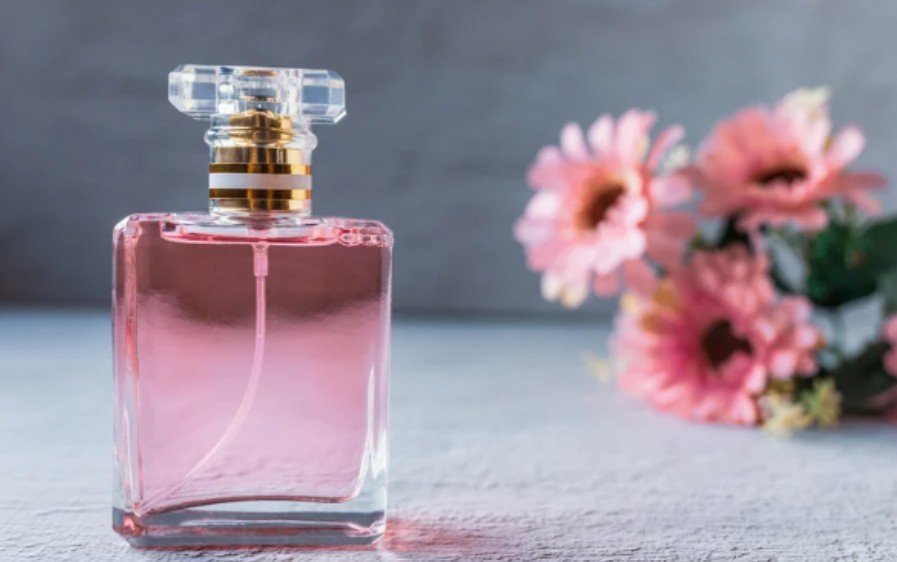
A practical approach to how to budget for a scent layering routine is to begin with two complementary scented products. Choose combinations by smell and wearability rather than brand names or matching packaging.
Choose One Main Scent
Use a fragrance you enjoy as the center of your routine. Test one supporting product that shares a note or adds a pleasant contrast, such as a soft musk alongside a floral perfume.
To make each application more effective, learn about the best pulse points for perfume for a longer-lasting scent.
Treat Additional Layers as Optional
A scented shower gel, body oil, hair mist, and second perfume do not all need space in your cart. Add a product only when testing shows it contributes something you value. Avoid assuming extra layers automatically improve longevity.
Compare Samples, Travel Sizes, and Full Bottles
Samples usually require less upfront spending, making them useful for testing unfamiliar combinations. However, they can cost more per milliliter than larger bottles.
Compare the total purchase price, usable quantity, and likelihood of finishing each option. A large bottle has little practical value if you dislike the combination after three wears.
Discovery sets deserve the same scrutiny. Check how many scents interest you, whether a purchase credit is included, and any redemption deadline. Subscription services also need a budget line: recurring charges, shipping, and upgrade fees can turn occasional experimentation into a regular expense.
Calculate What Each Wearing Costs
Cost per wearing helps compare routines more fairly than bottle prices alone. Divide each product’s purchase cost by its estimated number of uses, then add the amounts used together.
For a hypothetical example, a $12 lotion providing 60 applications costs $0.20 per application. A $24 fragrance providing 120 wearings costs another $0.20. Together, the routine costs approximately $0.40 each time, or $8 across 20 wearings.
These figures depend on actual usage. Spray output varies, and reapplication increases consumption. Track your own routine rather than relying on a universal sprays-per-bottle estimate. Include samples, shipping, and tax when evaluating your total spending.
Save Gradually for Replacements
Products rarely run out together. Lotion used across your body may need replacing before perfume applied sparingly.
Since heat and humidity can affect how a scent wears, these tips can help you make fragrance last in humid weather.
Estimate each product’s monthly replacement allowance by dividing its cost by the months it typically lasts. A hypothetical $12 lotion lasting three months requires $4 monthly. A $30 fragrance lasting six months requires $5 monthly. Together, those replacements need a $9 monthly reserve.
Keep optional experimentation separate. You might reserve another small amount for samples when your wider budget allows. Unspent money can roll forward instead of becoming a reason to shop.
Keep a simple note of purchase dates, amounts paid, and how often you wear each combination. After a month, compare your expectations with actual use. If one accent stays untouched, pause similar purchases. If a favorite runs out sooner than expected, adjust its replacement allowance before adding anything new to the collection you already own.
Shop Strategically Without Increasing Your Basket
Compare final checkout totals across brand websites, department stores, and beauty retailers. Account for bottle size and shipping rather than comparing discounts alone.
Use loyalty program rewards for planned purchases, and check return conditions before ordering unfamiliar scents. Do not assume opened fragrance can always be returned.
A sale saves money only when the purchase replaces something you intended to buy. Adding an unnecessary mist to reach free shipping can cost more than paying delivery. Keep a wishlist and wait before purchasing limited editions or duplicate scent profiles.
You can also keep your wishlist focused by exploring clean perfume trends before deciding which new fragrance styles are worth trying.
Frequently Asked Questions
1. What is the first step in learning how to budget for a scent layering routine?
Inventory your existing products, identify one useful combination, and set a spending cap before browsing.
2. Do I need products from the same brand?
No. Choose compatible scents you enjoy; matching labels are optional.
3. Are full bottles always better value?
No. Their lower unit price helps only when you will actually use the contents.
Make Every Layer Earn Its Place
I would rather maintain a small routine I enjoy than keep funding combinations I rarely wear. Reviewing my spending and remaining products each month makes the next purchase easier to judge. Start with what works, replace favorites deliberately, and let new layers wait until they fit your plan.