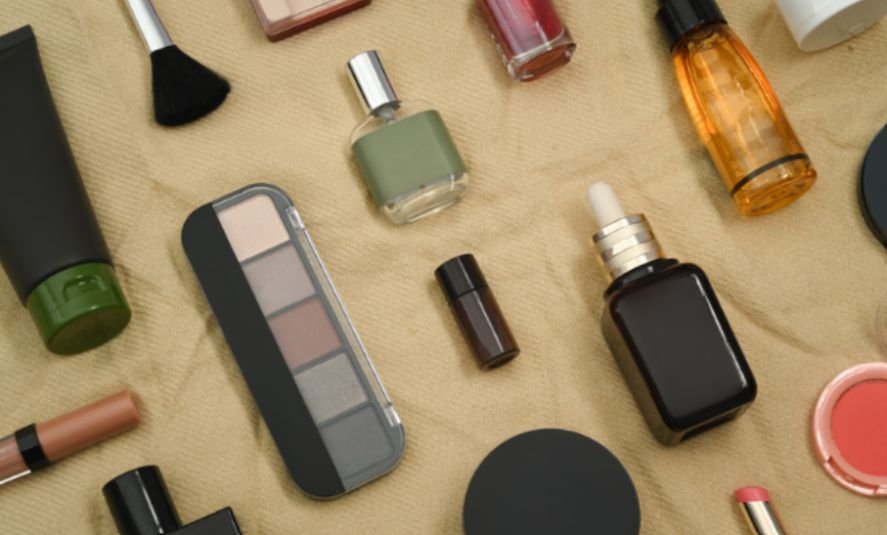
I find perfume prices easier to judge when I look beyond the bottle. A $150 fragrance might seem extravagant beside a $45 option, but the comparison changes when I consider application amounts, touch-ups, and how often I would actually wear each scent. Learning how to calculate perfume cost per wear helps me put those purchases into perspective.
The calculation starts simply: divide the bottle’s price by its estimated number of wears. The useful part is making those estimates realistic. Here’s how to compare fragrances without assuming every bottle delivers identical sprays or deserves a place in your routine.
Start With the Basic Formula
Cost per wear equals bottle price divided by total wears.
If a perfume costs $100 and provides 200 wears, each wear costs $0.50. However, estimating those wears requires three details: bottle volume, liquid delivered per spray, and sprays used each time.
Define a wear before calculating. For everyday budgeting, counting one full day—including afternoon touch-ups—makes comparisons easier. Otherwise, a fragrance requiring reapplication could appear cheaper than it actually is.
Calculate Your Bottle’s Estimated Wears

Find the Volume and Actual Purchase Cost
Read the milliliter measurement printed on the bottle or packaging. Common sizes include 10 ml travel sprays, 30 ml bottles, and 50 ml or 100 ml options as these symbols on cosmetics labels are mentioned.
Use the amount you actually paid after discounts. Include sales tax and shipping attributable to the fragrance if you want a complete purchase-cost comparison. For gift sets, avoid assigning the entire price to perfume when the package includes other products you value.
Choose a Spray Estimate
For a starting calculation, assume each spray releases 0.10 ml. That means approximately 10 sprays per milliliter, or 500 sprays from a 50 ml bottle.
This is an assumption, not a universal measurement. Atomizers release different amounts, and travel sprayers may behave differently from full-size bottles. Treat the result as an estimate rather than a guaranteed spray count.
Count Every Spray You Use
Track your application over several typical days. Include initial sprays and any later top-ups.
If you apply three sprays before work and two before dinner, enter five sprays per wear. Use your own habits rather than assuming an eau de parfum automatically requires fewer sprays than an eau de toilette.
Work Through a Dollar-Based Example
Suppose you purchase a 50 ml perfume for $120, including applicable charges.
At an assumed 0.10 ml per spray, the bottle contains approximately 500 sprays. Using four sprays throughout each wearing day gives you 125 estimated wears.
Divide $120 by 125, and your estimated cost becomes $0.96 per wear.
The shortcut for how to calculate perfume cost per wear is:
Cost per wear = purchase price × sprays per wear × milliliters per spray ÷ bottle volume.
If your daily total rises to six sprays, the same bottle costs approximately $1.44 per wear. That difference shows why personal application habits matter.
Understand Three Different Cost Measurements
Estimated Liquid Cost per Wear
This measures the purchase cost allocated to the perfume consumed during one wearing day. With consistent application, wearing the fragrance more frequently does not change this figure.
Purchase Cost per Wear So Far
Divide your total purchase cost by recorded wears. A $120 bottle worn 20 times has cost $6 per recorded wear so far.
After 60 wears, that becomes $2. This figure falls as you use the purchase, but it does not describe the liquid consumed each time.
Projected Ownership Cost per Wear
Divide your expected net cost by the wears you realistically anticipate getting.
If you expect only 50 wears from a $120 purchase before you stop using it, projected ownership cost is $2.40 per wear—even if liquid remains. Subtract resale proceeds only when they are realistic, accounting for selling fees and shipping.
Compare Travel Sprays With Full Bottles
A larger bottle can have a lower price per milliliter while requiring more money upfront.
Imagine a $30, 10 ml travel spray and a $120, 50 ml bottle. Assuming four sprays per wear and 0.10 ml per spray, they provide approximately 25 and 125 wears respectively.
Their estimated liquid costs are $1.20 and $0.96 per wear.
However, if you expect to wear that scent only 20 times, the travel spray requires much less spending. Larger sizes make more sense after repeated sampling confirms you enjoy the fragrance enough to finish them.
Before purchasing another bottle for variety, consider experimenting with fragrance layering combinations for a personalized signature scent using perfumes you already own.
Before investing in another full-size fragrance, you can also layer vanilla perfume with other scents easily to create new combinations from fragrances you already own.
Account for Rotation, Waste, and Refills

Collection size affects how quickly you finish each bottle. A fragrance offering 125 wears lasts approximately 25 weeks at five wears weekly, but 125 weeks at one wear weekly.
Seasonal preferences and changing tastes can extend that timeline further. Estimate usage from a wear log rather than assuming every bottle becomes an everyday favorite.
If you enjoy rotating or combining fragrances, learning how to create a soft skin scent with multiple fragrances can help you explore different scent combinations using products you already own.
Allow for known spills, testing sprays, or inaccessible liquid, but avoid automatically deducting an arbitrary percentage. There is no single loss allowance appropriate for every bottle.
For refills, compare the initial bottle and refill separately. If you later combine them, divide their total purchase cost by their combined expected wears.
Frequently Asked Questions
1. How do I learn how to calculate perfume cost per wear accurately?
Use your actual purchase cost, bottle volume, estimated spray output, and total sprays per wearing day. Update your assumptions using recorded habits.
2. Does expensive perfume always cost more per wear?
No. Price, bottle size, application amount, and touch-ups all affect the calculation. Compare actual usage rather than price alone.
3. Is cost per spray the same as cost per wear?
No. Cost per spray measures one spray; cost per wear includes every spray used during your defined wearing period.
Make Your Next Bottle Count
I use these calculations to check whether a fragrance fits my routine and spending limit. A low estimate cannot make an unaffordable purchase sensible, and a special-occasion scent can still bring enjoyment. For me, the best purchase balances manageable spending, realistic usage, and a fragrance I look forward to wearing.