
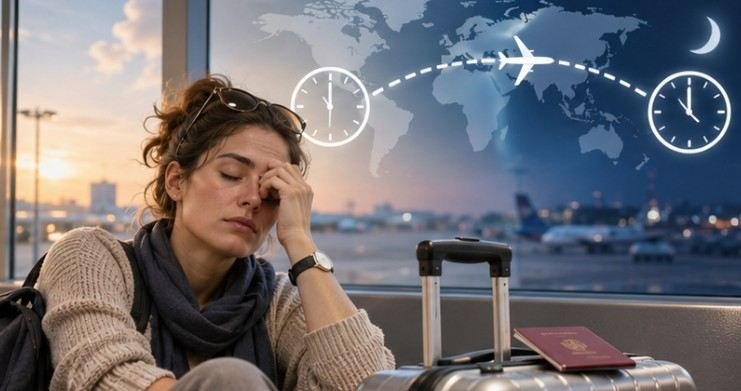
Your body can cross six time zones in a single flight, but your internal clock cannot make the same journey overnight. That’s why you might feel wide awake at 2 a.m. in London or struggle to stay alert during dinner in California.
Learning how to beat jet lag naturally starts with understanding one important fact: your body responds more strongly to light and sleep timing than to most travel remedies.
With a few strategic adjustments before, during, and after your flight, you can reduce travel fatigue, sleep more comfortably, and start enjoying your destination sooner.
Start Resetting Your Sleep Schedule Before Departure
One of the most effective ways to reduce jet lag begins several days before boarding.
Rather than forcing your body to adjust after landing, gradually move your sleep schedule toward your destination’s time.
Adjust Your Bedtime in Small Increments
If you’re flying east, begin going to bed and waking up 30–60 minutes earlier each day for two or three days.
For westbound flights, gradually shift your schedule later. Keep skin hydrated on long flights.
For example, someone traveling from Chicago to London could start waking earlier before departure, making the destination’s morning schedule less disruptive.
Avoid sacrificing sleep to prepare for a flight. Starting your trip exhausted can make the symptoms worse.
Use Sunlight to Reset Your Internal Clock
Natural daylight is one of the strongest environmental signals controlling circadian rhythms.
The National Heart, Lung, and Blood Institute explains that appropriately timed bright light can help shift sleep and wake cycles earlier or later.
Match Light Exposure to Your Travel Direction
For smaller eastward time changes, morning light after your biological low point generally encourages an earlier sleep schedule.
For westward journeys, late-afternoon or early-evening daylight can help move your internal clock later.
However, after large time-zone changes, early morning at your destination may still correspond to your biological night. Exposure at the wrong time can delay adjustment.
A personalized jet lag calculator can help identify appropriate light-exposure windows.
If your schedule permits, spend time walking outdoors during the recommended daylight period rather than remaining inside your hotel.
Reduce Artificial Light Before Bed

Bright hotel lighting, television screens, and smartphones can interfere with your body’s nighttime signals.
Dim the lights before your planned bedtime and use blackout curtains or an eye mask when necessary.
These simple adjustments help create a clearer distinction between daytime activity and nighttime rest.
Can Melatonin Help You Recover From Jet Lag?
Melatonin is a hormone naturally produced by your brain in response to darkness. It helps regulate the timing of sleep.
Some travelers use melatonin supplements to support circadian adjustment, particularly after eastward flights.
According to the National Center for Complementary and Integrative Health, research reviews suggest melatonin may reduce jet lag symptoms, although study quality and results vary.
Timing Matters More Than Taking a Large Dose
The CDC notes that doses around 0.5–1 milligram can be sufficient to shift circadian timing for some adults.
However, the ideal timing depends on your route, usual sleep schedule, and destination. Taking melatonin at the wrong biological time may worsen misalignment.
Melatonin can also cause drowsiness, headaches, or dizziness. People taking medications, especially blood thinners, or those with epilepsy should consult a healthcare professional before using it.
Supplements are not necessary for every traveler, and natural daylight remains an important first step.
Make Your Flight Part of the Recovery Plan
Your flight is an opportunity to begin adjusting rather than simply enduring the journey.
Follow Your Destination’s Clock
Once aboard, set your phone or watch to your destination’s local time.
Try to sleep when it will be nighttime at your destination, particularly on overnight flights.
Use earplugs, an eye mask, and a neck pillow to make rest more comfortable.
If it is daytime at your destination, stay reasonably active and avoid unnecessary prolonged sleep.
Hydrate Without Overdoing It
Airplane cabins can leave travelers feeling thirsty and uncomfortable. Dehydration can intensify headaches and fatigue, although drinking water does not directly reset your circadian rhythm. Sip water regularly and limit alcohol, which can fragment sleep.
The Johns Hopkins Medicine air-travel guidance also recommends maintaining hydration and adjusting sleep habits around travel.
Move periodically during long flights. Gentle ankle circles, stretching, and occasional aisle walks can reduce stiffness.
Eat and Move According to Local Time

Your body’s internal clock responds primarily to light, but daily routines also provide useful timing cues.
After arriving, try eating breakfast, lunch, and dinner according to the destination’s schedule.
Choose familiar, balanced meals rather than relying on sugary snacks or heavy late-night dinners.
A combination of protein, vegetables, whole grains, and adequate hydration can help maintain steady energy.
Gentle exercise, such as a 20-minute walk, may improve alertness and make it easier to stay awake until bedtime.
Avoid intense workouts immediately before sleep, especially if they leave you feeling overstimulated.
Be Strategic With Caffeine and Daytime Naps
You don’t necessarily need to abandon coffee during international travel. A small morning coffee can temporarily improve alertness, but caffeine does not correct the underlying circadian mismatch.
Avoid consuming it during the six hours before your intended bedtime, or earlier if you’re sensitive. Make sure to travel with medication international flight for your related health needs.
Similarly, naps can help when exhaustion becomes overwhelming. Aim for approximately 20–30 minutes during the local daytime. Longer naps may reduce your ability to fall asleep at night.
If you feel dangerously sleepy, prioritize safety rather than forcing yourself to remain awake. Avoid driving until alert.
A Practical 72-Hour Jet Lag Recovery Plan
If you’re wondering how to beat jet lag naturally after a long flight, organize your recovery around three manageable stages.
Day 1: Establish the New Schedule
After landing, switch to local meal and sleep times.
Get daylight exposure at an appropriate time for your travel direction, stay hydrated, and take a gentle walk.
Avoid lengthy naps, and create a dark, quiet sleeping environment at night.
Day 2: Reinforce Consistency
Wake up at your planned local time, even if the previous night wasn’t perfect.
Repeat your daylight routine, eat regular meals, and incorporate moderate physical activity.
Keep caffeine earlier in the day and reduce evening screen exposure.
Day 3: Protect Your Progress

Continue following local sleep and wake times rather than compensating with several extra hours in bed. Monitor your energy levels and make small adjustments if needed.
For journeys crossing many time zones, complete adaptation may take longer than three days. The goal is steady improvement, not instant recovery.
Natural Jet Lag Remedies That Deserve More Skepticism
Not every product advertised as a natural sleep solution has convincing scientific evidence.
Valerian root, chamomile, magnesium, ginseng, and rhodiola frequently appear in travel wellness recommendations.
Although some may influence relaxation or general well-being, strong evidence that they correct jet lag is lacking.
The CDC’s review of complementary travel approaches reports limited evidence supporting several popular herbal sleep remedies.
Kava also carries a potential risk of serious liver injury.
For most travelers, appropriate light exposure, consistent sleep schedules, and good travel habits offer a more evidence-based starting point than expensive supplement combinations.
Frequently Asked Questions
1. What is the fastest natural way to recover from jet lag?
Use correctly timed daylight, follow local sleeping hours, stay hydrated, and avoid long daytime naps. Adjusting your bedtime before departure may also shorten recovery.
2. How long does jet lag usually last?
Many travelers adjust by roughly one to 1.5 time zones daily, although recovery varies with direction, sleep habits, and individual biology.
3. Can you overcome jet lag without melatonin?
Yes. Consistent sleep timing, appropriate daylight exposure, regular meals, and physical activity can help your internal clock adjust without supplements.
4. Is it better to sleep or stay awake after landing?
Follow the destination’s schedule when possible. Sleep if you arrive near local bedtime; otherwise, remain active during the day and use a short nap if necessary.
Let Your Body Catch Up With Your Destination
The secret to how to beat jet lag naturally isn’t finding a miracle supplement or forcing yourself through exhaustion. It’s giving your biological clock consistent signals about when to wake, eat, move, and rest.
Start shifting your routine before departure, use daylight intelligently, and make sleep a priority throughout your journey.
Remember that recovery speed differs from person to person, and even the best routine won’t eliminate every symptom immediately.
Your plane may reach its destination in hours, but your body needs a little longer. Make those first few days count by working with your internal clock instead of fighting it.