I find skincare labels more useful when I understand what each ingredient actually contributes. Oatmeal sounds familiar, but seeing it in a moisturizer raises questions that breakfast oats cannot answer. When I explore what is colloidal oatmeal in skincare, I want to know why its preparation matters, what benefits are realistic, and whether the entire formula suits sensitive skin.
The answer starts with finely processed oats. This ingredient helps soften skin, support moisture retention, and soothe dryness-related discomfort. However, choosing a suitable product involves more than spotting an oat illustration on the packaging.
What Makes Oatmeal “Colloidal”?
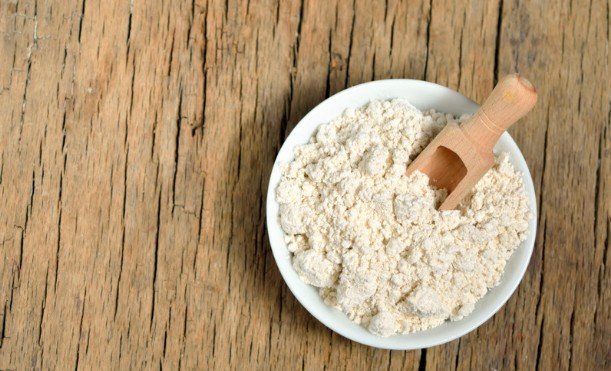
Colloidal oatmeal comes from oat grain, known botanically as Avena sativa, milled into a very fine powder. Its preparation allows particles to disperse through water and suitable skincare formulas.
“Colloidal” describes a suspension of tiny particles rather than ordinary flakes floating in liquid. This matters because the fine material distributes more evenly and can form a protective film on the skin.
You will find it in moisturizers, cleansers, bath preparations, and some shaving products. Its role is primarily soothing and moisturizing, rather than aggressive exfoliation or targeted acne treatment.
How Colloidal Oatmeal Helps Your Skin

Supports Moisture Retention
Oats contain starches and water-binding compounds, including beta-glucans. These components help hold moisture close to the skin, while oat lipids contribute to softness.
That combination makes colloidal oatmeal useful when skin feels rough, flaky, or tight. It supports the outer barrier, which helps limit water loss and protect against everyday irritants.
Soothes Dryness and Itching
Oats also contain avenanthramides, compounds studied for antioxidant and anti-inflammatory activity. These help explain why colloidal oatmeal appears so frequently in products intended for uncomfortable, irritated skin.
However, an ingredient’s laboratory activity does not guarantee identical results from every cream. Concentration, formulation, other ingredients, and consistent use influence the outcome.
Complements Eczema Care
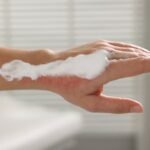
Colloidal oatmeal can help relieve dryness and itching associated with eczema. Moisturizing products and oatmeal baths may support comfort alongside an appropriate treatment plan.
It does not cure eczema, eliminate every trigger, or replace prescribed medication. Persistent inflammation, painful cracks, or suspected infection need assessment rather than repeated product experiments.
Colloidal Oatmeal Versus Other Oat Ingredients
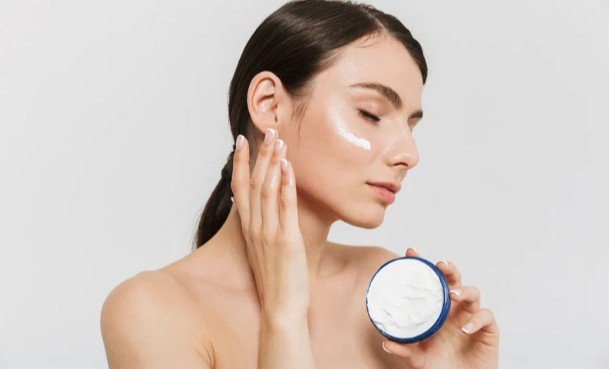
Understanding what is colloidal oatmeal in skincare also means recognizing that oat-derived ingredients are not interchangeable.
Oat extracts contain selected substances obtained from oats, with composition depending on the extraction method. Oat oil emphasizes the grain’s lipid components. Colloidal oatmeal contains a broader mixture of finely processed oat material.
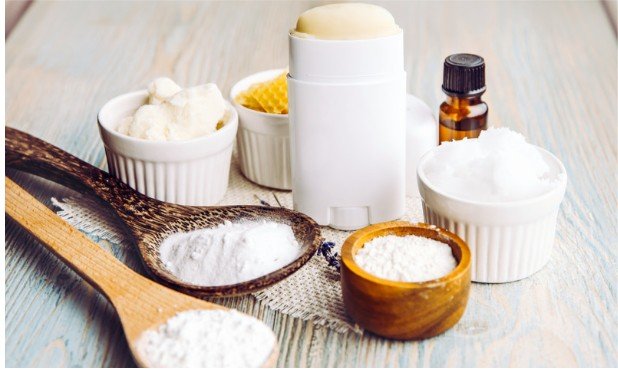
Kitchen oats share the same plant origin, but homemade grinding does not ensure consistent particle size or produce a preserved skincare formula. Coarse particles can also feel abrasive on irritated skin.
A prepared moisturizer therefore offers a different experience from mixing breakfast oats with water. As with comparing shea butter vs cocoa butter, the specific ingredient and overall formula matter. Avoid assuming that every product labeled “with oats” contains colloidal oatmeal.
Who Might Benefit Most?
Dry, itchy, and easily irritated skin are the most relevant concerns. A suitable formula may also help skin feel more comfortable during cold weather, after frequent handwashing, or when cleansing leaves it tight.
People using acne treatments sometimes need additional moisture support. Colloidal oatmeal may address accompanying dryness, but it does not replace ingredients that directly treat acne.
For rosacea-prone skin, tolerance depends on the complete product. An oat ingredient cannot cancel out a fragrance or another component that triggers irritation.
How to Choose a Suitable Product
Read the ingredient list instead of relying on soothing claims. Look for explicit identification of colloidal oatmeal, and check any active-ingredient panel when present.
For sensitive skin, fragrance-free formulas are a sensible starting point. “Unscented” does not always mean the absence of fragrance ingredients.
Choose texture according to your needs. A richer cream may suit very dry areas, while a lighter lotion may feel more comfortable elsewhere. Supporting ingredients such as glycerin, ceramides, or petrolatum can contribute complementary moisturizing functions.
A higher price or more botanical ingredients does not automatically mean better performance.
How to Add It to Your Routine
Introduce one new product at a time. Try it on a small area first and observe for irritation before expanding use. A home spot test reduces uncertainty but cannot rule out every allergy.
Apply a moisturizer according to its directions, commonly after gentle cleansing. Slightly damp skin can make moisturizing more effective.
For bath preparations, follow the package instructions and use lukewarm water. Oatmeal can make the tub slippery. Gently pat dry afterward and apply moisturizer promptly.
Safety and Mistakes to Avoid
Avoid colloidal oatmeal if you have a known oat allergy. Stop using a product if it causes new burning, swelling, itching, or a rash.
Do not use coarse oat scrubs on inflamed skin or store homemade water-based mixtures as though they were preserved cosmetics. Introduce soothing care without continuing an irritating routine unchanged.
Frequently Asked Questions
1. What is colloidal oatmeal in skincare used for?
It helps moisturize, soften, and soothe dry or itchy skin. It appears in creams, lotions, cleansers, and bath products.
2. Can You Use It on Your Face?
Yes, when the product is intended for facial use and your skin tolerates the complete formula.
3. Can You Use It Every Day?
Many moisturizers are suitable for daily use. Follow the directions and adjust if irritation develops.
4. Does It Clog Pores?
Breakout risk depends on the finished formula and individual skin. An oat ingredient alone cannot predict whether a product will suit you.
My Final Take
I would judge an oatmeal product by its formulation, comfort, and practical role in a routine. Colloidal oatmeal offers useful moisture and soothing support, but realistic expectations matter. A well-tolerated formula used consistently is more valuable than dramatic claims on a jar.
For me, the smartest approach is to introduce one suitable product slowly and notice how my skin responds. I would prioritize gentle cleansing, consistent moisturizing, and avoiding known irritants instead of adding several new products at once.