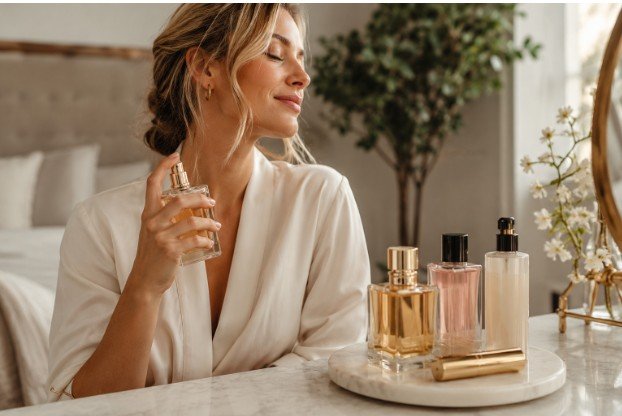

Buying a new perfume is exciting until it isn’t. You’ve probably sprayed a fragrance in a store, loved the fresh scent instantly, and imagined wearing it every day. Then, a couple of hours later, it smells completely different heavier, sweeter, or woodier than you expected. Suddenly, that expensive bottle doesn’t feel like such a great purchase.
That experience is more common than most people realize. One of the biggest reasons people regret buying fragrance is that they don’t understand how perfume evolves after it’s applied. Understanding perfume notes before buying helps you look beyond the first spray, making it easier to choose a scent you’ll enjoy from the opening to the final dry-down.
What Are Perfume Notes?

Every fragrance is built in layers rather than delivering the same scent from beginning to end. Perfumers organize these layers into what’s known as the fragrance pyramid or olfactory pyramid. Each layer appears at a different stage, creating a scent that changes naturally over time.
Knowing how these layers work gives you a much clearer picture of what you’re actually buying. Instead of judging a perfume within the first few seconds, you’ll understand why patience often leads to better fragrance choices.
Top Notes: The First Impression
Top notes are the scents you notice immediately after spraying perfume. They’re usually fresh, bright, and attention-grabbing because they’re made from lighter ingredients that evaporate quickly.
Common top notes include:
- Bergamot
- Lemon
- Grapefruit
- Mint
- Lavender
These notes typically last between five and twenty minutes. While they create an exciting introduction, they don’t represent the fragrance you’ll wear for the rest of the day.
Heart Notes: The Personality of the Fragrance
As the top notes fade, the heart notes begin to develop. This middle layer forms the character of the perfume and usually lasts for several hours.
Popular heart notes include floral ingredients like jasmine and rose, fruity accords, spices, and aromatic herbs. If someone compliments your fragrance after lunch, they’re often noticing the heart notes rather than the opening.
Base Notes: The Scent That Stays

Base notes develop slowly but remain the longest. These rich ingredients anchor the fragrance and determine much of its longevity.
Common base notes include:
- Sandalwood
- Cedarwood
- Vanilla
- Amber
- Musk
- Patchouli
If you dislike warm, woody, or musky fragrances, ignoring the base notes can easily lead to an expensive mistake even if you loved the first spray.
Why Perfume Notes Matter Before You Buy
Many shoppers choose perfume based entirely on the opening scent. That’s understandable because it’s the only part immediately available in a store. The problem is that you’re experiencing only a fraction of the fragrance.
Once the perfume settles, the lighter molecules disappear, and deeper notes become more noticeable. That’s why two fragrances with similar citrus openings can smell completely different after an hour.
Reading the fragrance notes beforehand helps you predict how the scent will evolve. It also makes online shopping less risky because you can compare ingredient profiles with fragrances you already enjoy instead of relying only on marketing descriptions.
Skin Chemistry Changes Every Fragrance

Even if two people wear the same perfume, it rarely smells identical.
Your natural skin oils, body temperature, hydration level, and even the weather influence how fragrance develops. A vanilla-based perfume may feel creamy on one person but noticeably sweeter on someone else.
That’s why testing fragrance directly on your skin is much more reliable than judging it on a paper blotter. Paper strips reveal the opening, but your skin reveals the full story.
Fragrance Concentration Makes a Difference
Another detail many shoppers overlook is fragrance concentration.
An Eau de Toilette (EDT) generally contains a lower concentration of fragrance oils, making it lighter and shorter-lasting. An Eau de Parfum (EDP) contains more fragrance oil, allowing the heart and base notes to develop more fully and last longer.
If you’re looking for an everyday scent with stronger longevity, understanding this difference can prevent paying for a fragrance that doesn’t meet your expectations.
Common Mistakes People Make When Buying Perfume
Even experienced fragrance lovers occasionally make buying decisions they’ll regret. Avoid these common mistakes:
- Buying after smelling only the opening spray.
- Purchasing because a perfume is trending on social media.
- Ignoring the base notes entirely.
- Testing too many fragrances during one shopping trip.
- Choosing a fragrance based only on someone else’s recommendation.
- Buying a full bottle before wearing the scent for several hours.
How to Test a Perfume the Right Way

The best way to evaluate a fragrance is to wear it, not simply smell it.
Spray the perfume directly onto your wrist or forearm and give it at least two to three hours before making a decision. This allows the top, heart, and base notes to develop naturally while interacting with your skin chemistry.
If possible, avoid testing more than three fragrances in one visit. Your nose becomes fatigued quickly, making it harder to distinguish subtle scent differences.
Once you’ve chosen a fragrance you enjoy, applying it correctly helps you experience its full performance. Learning the best pulse points for perfume can improve projection and longevity without needing extra sprays.
FAQs: Why Understanding Perfume Notes Before Buying Can Save You From Costly Mistakes
What are perfume notes?
Perfume notes are the individual scent layers that appear over time. They include top, heart, and base notes, each contributing differently to the fragrance’s overall character.
Why shouldn’t I buy a perfume after one spray?
The opening scent fades quickly. Waiting allows the heart and base notes to develop, giving you a more accurate impression of how the fragrance will smell throughout the day.
Do perfume notes smell the same on everyone?
No. Skin chemistry, body temperature, hydration, and climate all influence how a fragrance develops, so the same perfume can smell different from person to person.
Should I choose Eau de Parfum or Eau de Toilette?
If you prefer longer-lasting fragrance with richer dry-down notes, Eau de Parfum is often a better choice. Eau de Toilette works well for lighter, everyday wear.
A Great Fragrance Reveals Itself Over Time
The best perfumes rarely make their strongest impression in the first few minutes. They unfold gradually, revealing different layers that tell a much richer story than the opening spray ever could. Understanding perfume notes before buying gives you the confidence to shop with realistic expectations instead of relying on clever marketing or quick first impressions. It’s one of the easiest ways to avoid blind-buy disappointment while finding a fragrance that genuinely suits your personality and lifestyle.
Sometimes, the perfume you love most is the one that simply needed a little more time to introduce itself.