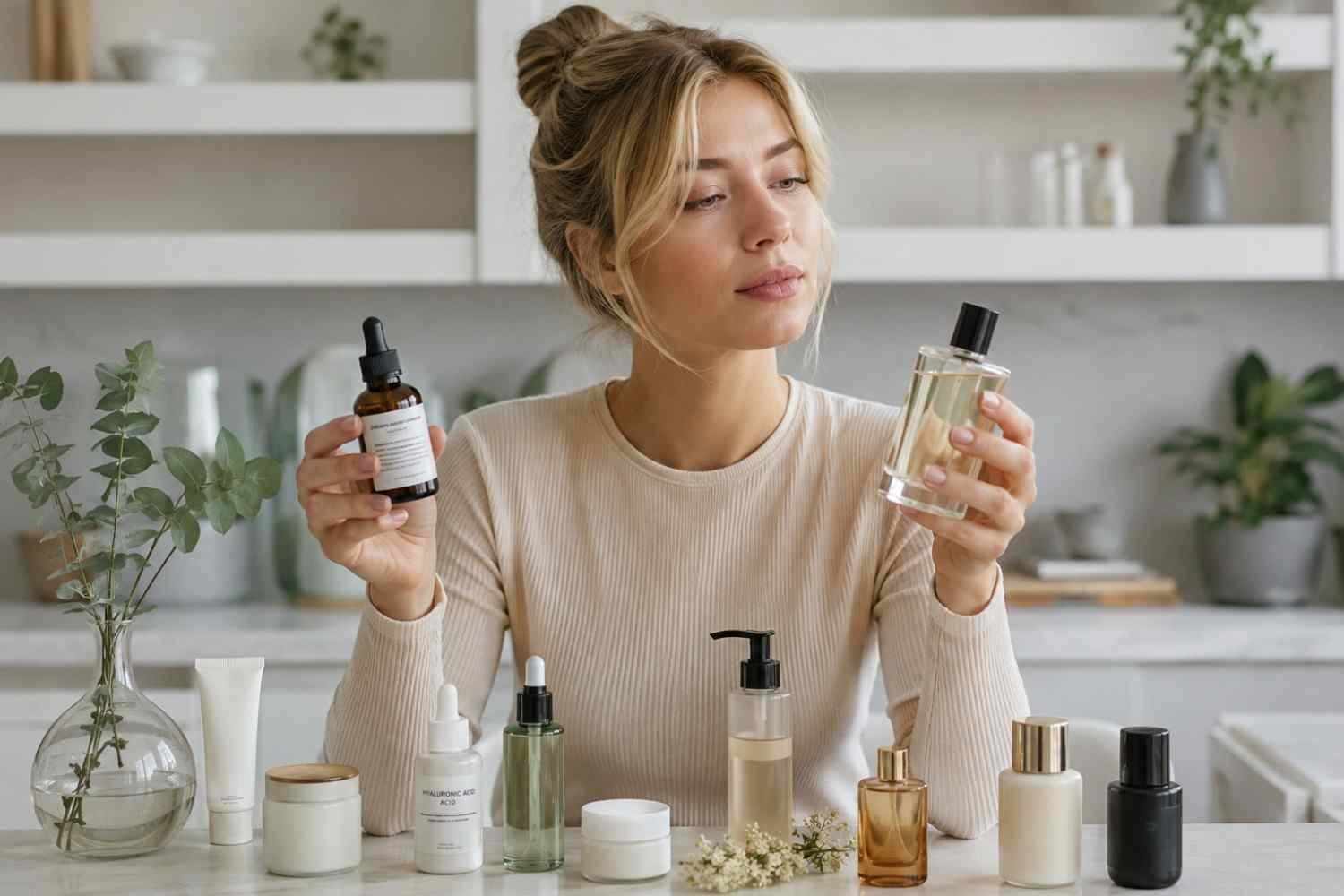
Reading an ingredient list used to feel like decoding a foreign language. Long chemical names, botanical extracts, and unfamiliar terms often made it easier to trust the marketing on the front of the package than the label on the back. Today, that’s changing. More people want to know not just what a product promises but what actually makes it work.
That’s where understanding active and inactive ingredients becomes valuable. Whether you’re choosing a serum for brighter skin or a perfume for everyday wear, knowing the role each ingredient plays helps you make smarter decisions. It also makes it easier to separate meaningful formulations from clever marketing claims.
What Are Active Ingredients?
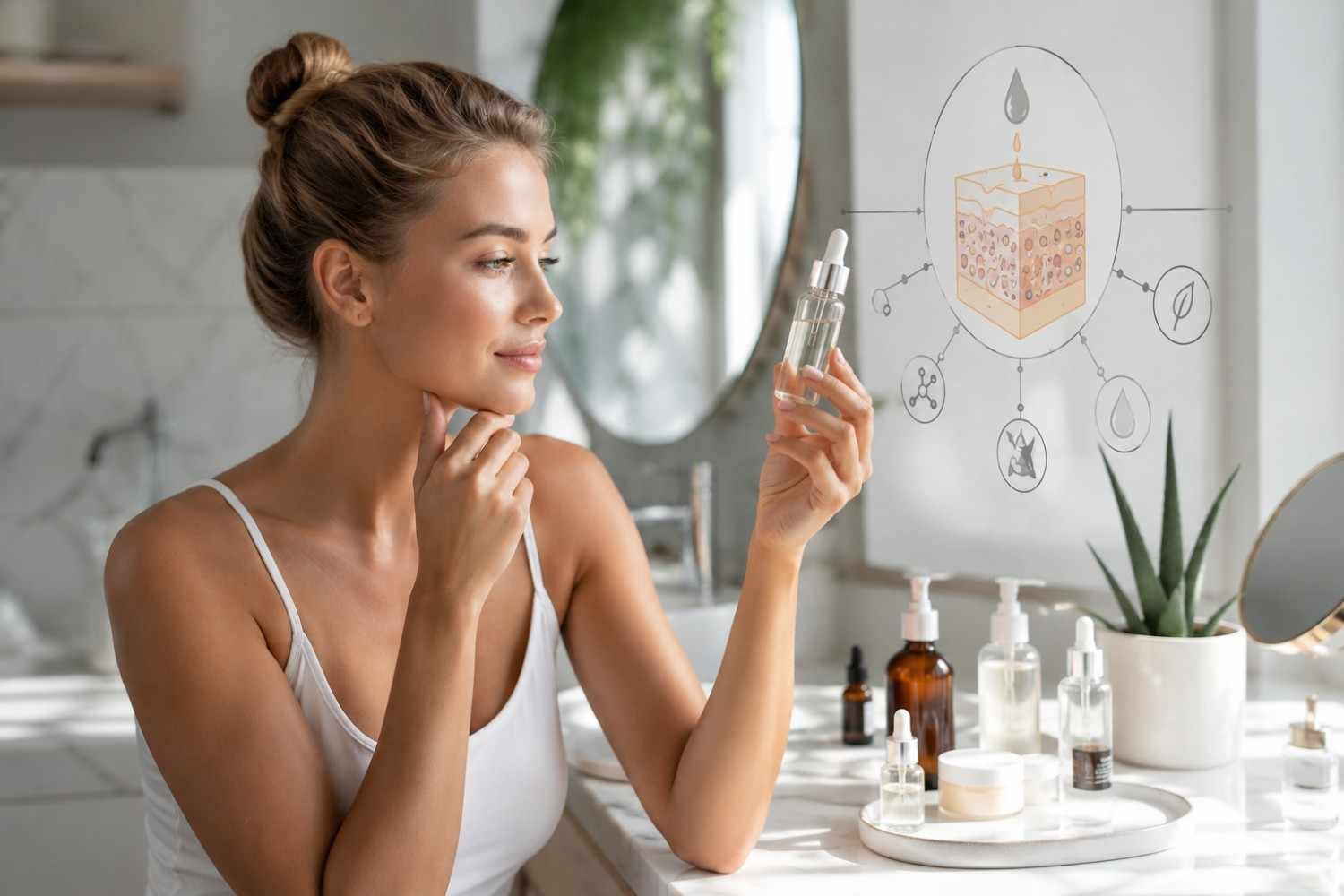
Active ingredients are the components responsible for delivering a product’s primary benefit. In skincare, they’re the ingredients backed by research to address specific concerns like acne, fine lines, uneven skin tone, or dehydration.
Retinol encourages faster skin renewal to soften the appearance of wrinkles. Salicylic acid penetrates oil to help unclog pores, making it a popular choice for acne-prone skin. Vitamin C works as an antioxidant, helping brighten the complexion while protecting against environmental stressors.
These ingredients are carefully selected because they create measurable changes in how the skin functions over time.
What Are Inactive Ingredients?
The word “inactive” can be misleading because these ingredients are far from unimportant. Instead of treating the skin directly, they support the product’s overall performance.
Inactive ingredients include water, humectants, preservatives, emulsifiers, stabilizers, solvents, and texture-enhancing agents. Glycerin, for example, attracts moisture to the skin, while emulsifiers help oil and water blend into a smooth formula. Preservatives prevent bacteria and mold from growing, keeping products safe throughout their shelf life.
Without these supporting ingredients, many skincare products would separate, spoil quickly, or feel unpleasant to use.
Skincare and Fragrance Follow Different Rules
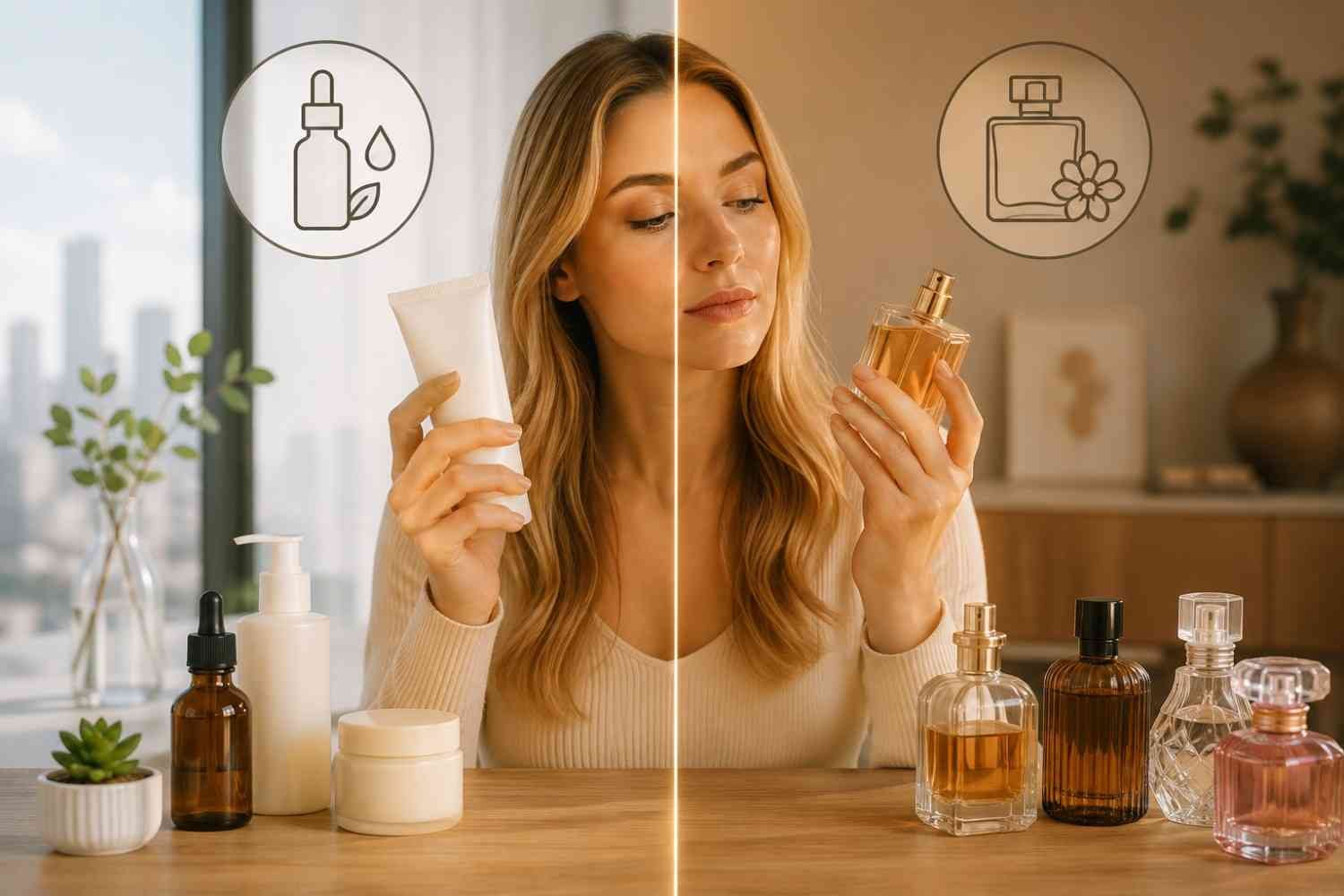
Although skincare and fragrance both contain active and inactive components, they aren’t designed with the same purpose.
In skincare, active ingredients are intended to create a specific biological effect. In fragrance, the focus shifts toward scent creation and performance rather than treating the skin.
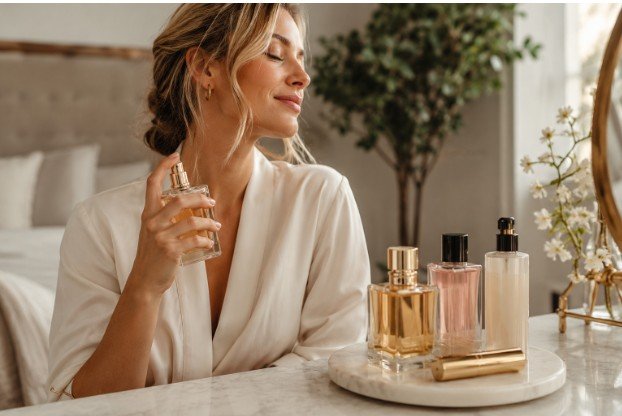
The “active” part of a perfume is the blend of natural essential oils and synthetic aroma molecules that create its unique scent. These fragrance materials form the familiar top, heart, and base notes that unfold throughout the day.
The supporting ingredients work behind the scenes. Alcohol acts as the primary carrier, helping distribute fragrance evenly across the skin while evaporating quickly to release the scent. Fixatives slow evaporation so the fragrance lasts longer, while UV stabilizers help protect the formula from breaking down when exposed to light.
Understanding this difference helps explain why fragrances don’t usually have active ingredients in the same regulatory sense as over-the-counter skincare products.
Why Inactive Ingredients Matter More Than You Think
Many people focus only on the ingredients highlighted in advertisements, but inactive ingredients often determine whether a product feels comfortable, remains stable, or suits sensitive skin.
Some preservatives, fragrance compounds, or solvents may cause irritation for certain individuals, even though they don’t deliver the product’s primary benefit. Likewise, well-chosen inactive ingredients can improve hydration, enhance absorption, and create a smoother application experience.
Looking beyond the headline ingredient gives you a more complete picture of how a product is formulated.
How to Read Ingredient Lists With Confidence
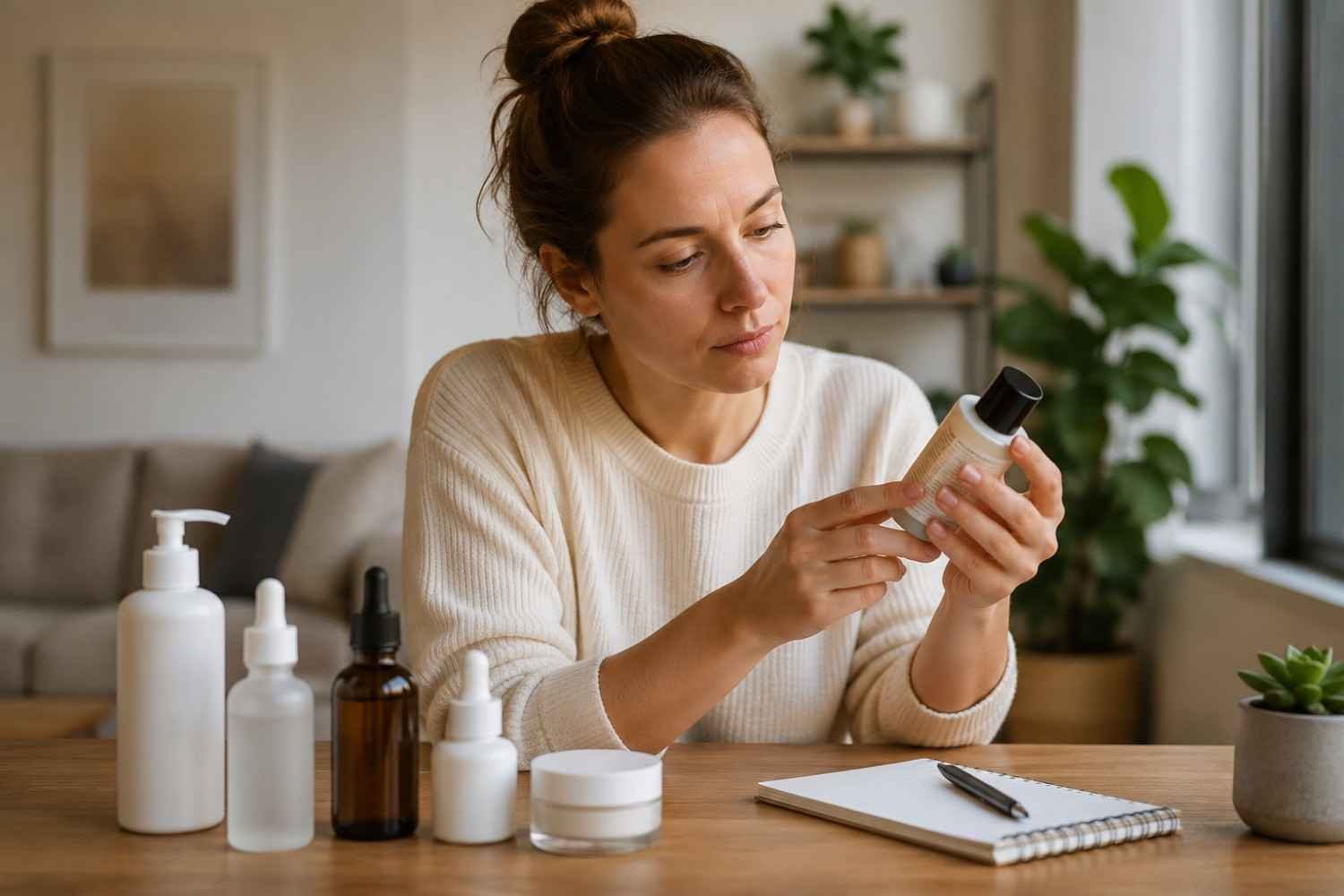
Ingredient labels become much easier to understand once you know a few basic principles.
- Ingredients appear in descending order of concentration. The first several ingredients usually make up the majority of the formula.
- Ingredients present at less than 1% can appear in any order. This is often where preservatives, colorants, and smaller fragrance components are listed.
- Learn common INCI names. Cosmetic labels use standardized ingredient names, which may differ from everyday language but improve consistency across brands.
These simple habits make comparing products much easier without needing a chemistry degree.
If you’re exploring perfumes, learning how to understand fragrance ingredient lists can also help you recognize carrier ingredients, fragrance allergens, and formulation choices that influence scent performance and skin compatibility.
Smarter Shopping Starts With Better Ingredient Knowledge
Product labels shouldn’t be viewed as something only scientists understand. Instead, they offer useful information about formulation quality, ingredient concentration, and how a product is designed to perform.
Rather than judging products by a single trendy ingredient, consider the entire formula. A well-balanced combination of active and inactive ingredients often delivers better results than relying on one popular ingredient alone.
As ingredient transparency continues to improve across the beauty industry, consumers who understand labels are better equipped to choose products that match their needs instead of simply following marketing trends.
FAQs: From Skincare to Fragrance: Understanding Active and Inactive Ingredients
1. What is the difference between active and inactive ingredients?
Active ingredients provide a product’s intended benefit, while inactive ingredients improve texture, stability, preservation, and application without directly delivering that primary effect.
2. Why are inactive ingredients important?
They help products stay safe, effective, and pleasant to use. Some also affect hydration, absorption, and shelf life, making them essential to the overall formula.
3. Do perfumes contain active ingredients?
Fragrances use aroma compounds as their functional scent ingredients, but they don’t typically have “active ingredients” under the same regulatory definition used for many skincare or over-the-counter drug products.
4. How can I better understand ingredient labels?
Start by reading the first few ingredients, learn common INCI names, and remember that ingredients below the 1% threshold may appear in any order.
Why Every Ingredient Tells Part of the Story
The more you understand ingredient lists, the easier it becomes to choose products with confidence. Active ingredients may receive most of the attention, but inactive ingredients shape everything from texture and stability to safety and performance. Looking at the complete formulation instead of a single hero ingredient gives you a clearer understanding of what you’re putting on your skin or wearing as a fragrance.
Better choices don’t start with better marketing—they start with better ingredient knowledge.