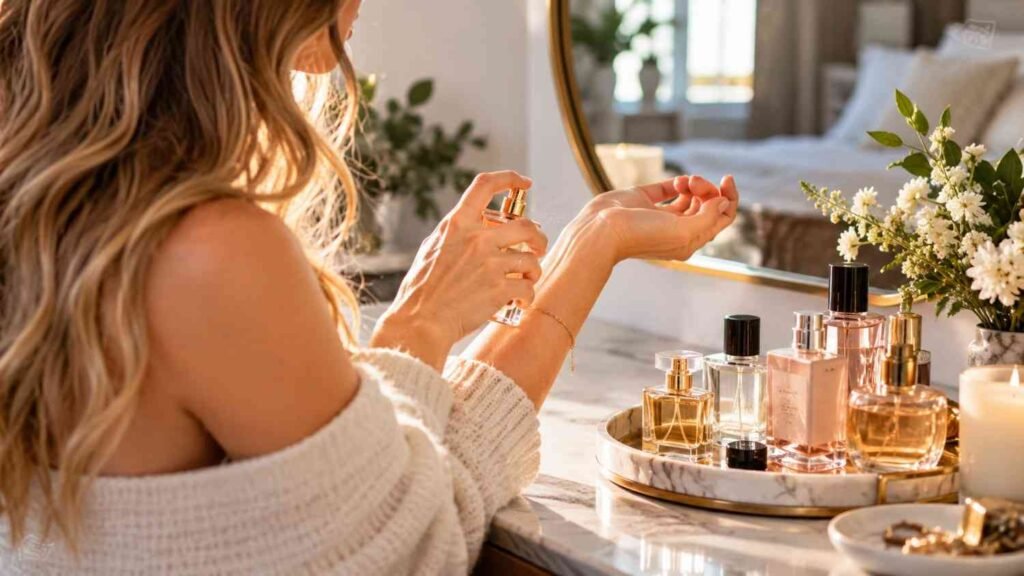
A perfume can smell rich and noticeable when you first spray it, then seem almost completely gone before the afternoon is over. That sudden drop in scent strength can be frustrating, especially when you expect a fragrance to last through work, errands, or an evening out.
Understanding why perfume disappears after a few hours starts with knowing that fragrance is constantly changing after it touches your skin. Evaporation, skin moisture, fragrance concentration, temperature, note structure, and olfactory fatigue all influence how long you continue to notice a scent.
In many cases, the perfume has not completely vanished. It may have moved into a softer base-note stage, settled closer to your skin, or become less noticeable because your nose has adapted to it. Once you understand what is happening, it becomes much easier to improve fragrance longevity without simply spraying more.
Why Does Perfume Fade So Quickly on Your Skin?
Perfume does not disappear all at once. It develops in stages as different aromatic compounds evaporate.
The opening can feel powerful because the most volatile molecules reach your nose immediately. As those molecules fade, the perfume becomes softer and moves into its heart and base.
This change can easily feel like poor perfume longevity when the fragrance is actually behaving exactly as designed.
How Do Top, Heart, and Base Notes Affect Perfume Longevity?
Top Notes Fade the Fastest
Top notes usually contain lighter materials such as citrus, mint, fresh herbs, and certain fruits. These highly volatile molecules create the first impression of a fragrance but may begin fading within about 15 to 30 minutes.
That is why fresh citrus perfumes can seem dramatically weaker shortly after application.
Heart Notes Carry the Fragrance Through the Day
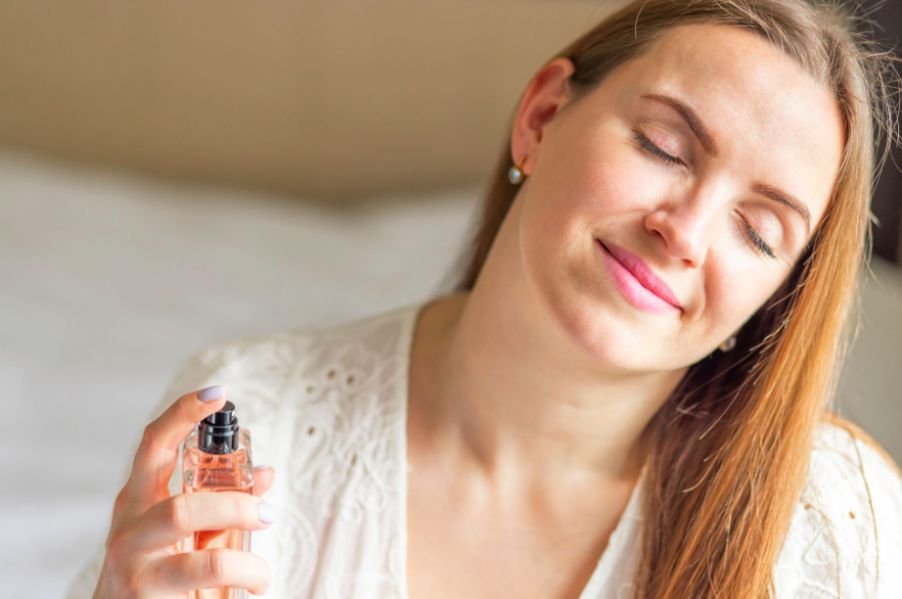
Heart or middle notes emerge after the opening softens. Floral notes, spices, aromatics, and green accords frequently appear here.
These notes typically remain detectable longer than the opening and form much of the fragrance’s recognizable character.
Base Notes Stay Closest to the Skin
Base notes use heavier, slower-evaporating materials. Vanilla, woods, musk, amber-style accords, patchouli, and resins commonly appear in this stage.
A woody or vanilla-rich fragrance may therefore remain noticeable much longer than a bright citrus composition.
Can Nose Blindness Make Perfume Seem Like It Disappeared?
Sometimes the fragrance has not vanished at all.
Olfactory fatigue, also called nose blindness, happens when the brain becomes accustomed to a constant smell. Your nervous system gradually stops prioritizing the fragrance, even though other people may still detect it.
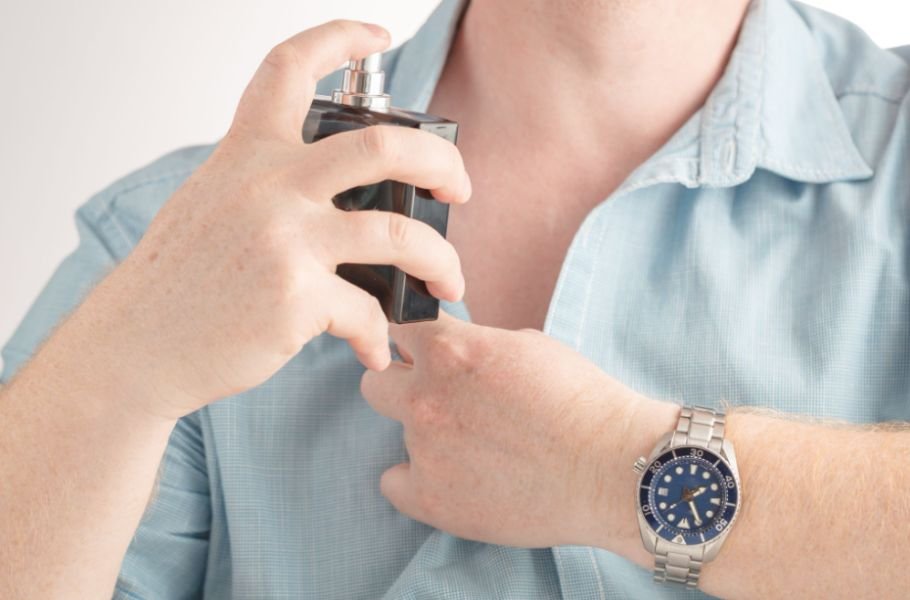
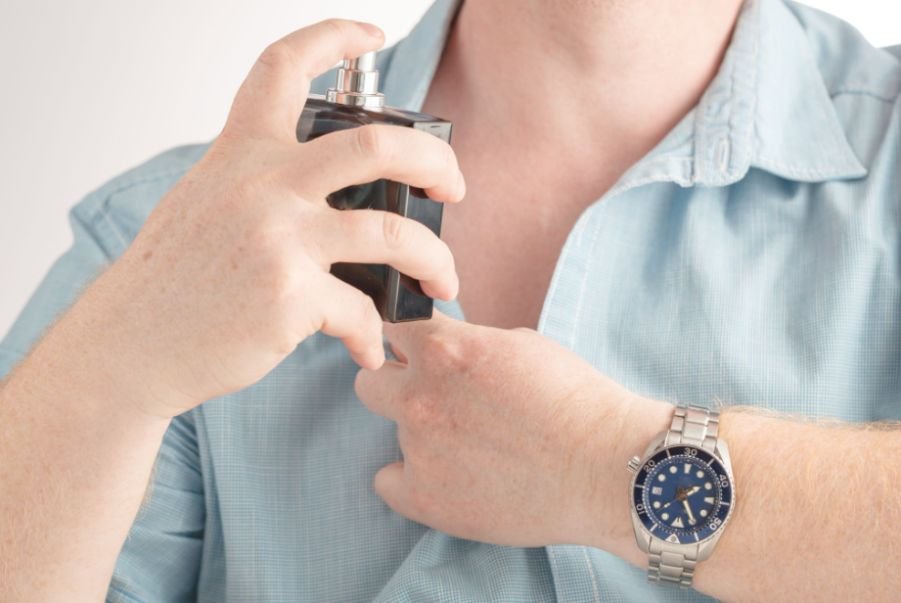
I have noticed this most when I spray fragrance on the front of my neck or upper chest, where the scent continuously rises toward my nose.
If you think a perfume disappeared, ask someone nearby whether they can still smell it. If they can, olfactory adaptation may be the real explanation.
Does Dry Skin Make Perfume Fade Faster?
Dry skin can contribute to shorter fragrance longevity.
Skin with more moisture and natural oils often gives fragrance molecules a better surface to interact with, while extremely dry skin may allow a scent to evaporate more quickly.
I usually apply an unscented moisturizer before perfume when my skin feels dry. This creates a more hydrated surface without adding a competing fragrance.
Applying perfume shortly after showering can also help because clean, moisturized skin generally provides a better base.
Does Eau de Parfum Last Longer Than Eau de Toilette?
Fragrance concentration matters, but it should not be treated as a guarantee.
Eau de Cologne often contains roughly 2% to 4% fragrance concentration and may wear lightly for around one to two hours. Eau de Toilette often falls around 5% to 15%, while Eau de Parfum commonly ranges around 15% to 20%. Parfum or extrait usually contains an even higher proportion of fragrance materials.
In general, higher concentrations can last longer.
However, an Eau de Parfum built around volatile citrus notes may still fade faster than an Eau de Toilette filled with woods, musks, and heavier materials. When comparing EDP vs. EDT longevity, composition matters alongside concentration.
Why Does Perfume Fade Faster in Hot Weather?
Climate can make a major difference, especially across the United States.
Heat increases molecular movement and can cause fragrances to develop and evaporate more quickly. A perfume worn during a humid summer afternoon in Miami may behave very differently from the same scent worn during a cool fall day in Boston.
Sweating can also affect how fragrance sits on the skin.
Dry indoor air creates another issue. Office air conditioning and winter heating can reduce skin moisture, potentially making some fragrances feel shorter-lived.
This is one reason I adjust my fragrance routine depending on season and environment rather than expecting every perfume to perform identically year-round.
This is one reason I adjust my fragrance routine depending on season and environment rather than expecting every perfume to perform identically year-round. In humid conditions, choosing the right application method and adjusting your routine can make a difference, so these tips for making fragrance last in humid weather are worth exploring.
Does Rubbing Your Wrists Make Perfume Fade Faster?
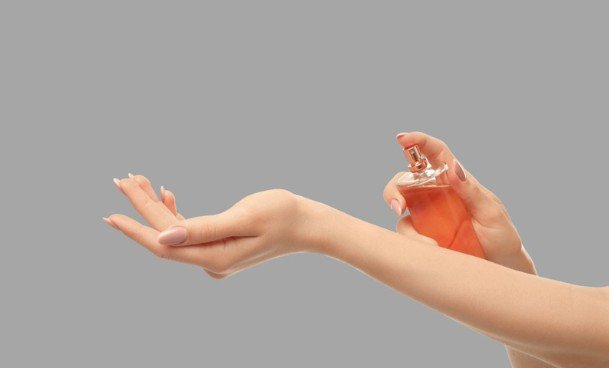
I prefer spraying perfume and allowing it to dry naturally.
You may have heard that rubbing your wrists together “destroys” perfume molecules. That description is exaggerated, but rubbing does create friction, warms the skin, spreads the fragrance across a wider area, and can change how the opening develops.
Allowing the fragrance to settle naturally gives you a more consistent impression of the scent.
Why Does Perfume Last Longer on Clothes Than Skin?
Fabric often holds fragrance longer because clothing does not produce sweat, oils, or body heat.
Skin constantly changes throughout the day, which can accelerate fragrance evaporation. Fabric fibers can trap aromatic materials for much longer.
I sometimes use a light mist on suitable clothing when I want extra longevity, but I avoid delicate fabrics such as silk and always consider the possibility of staining.
Hair can also retain fragrance, although spraying alcohol-heavy perfume directly onto hair repeatedly may cause dryness. A hair mist designed for fragrance is usually the safer option.
Can Bad Perfume Storage Reduce Fragrance Performance?
Storage can affect a perfume over time.
Heat, sunlight, humidity, and frequent temperature changes may gradually alter fragrance compounds. That is why I avoid keeping bottles on sunny windowsills or in steamy bathrooms.
A bedroom drawer, closet shelf, or cool cabinet usually offers a more stable environment.
If a perfume that once performed well suddenly smells noticeably different or weaker after years of poor storage, environmental exposure may have contributed.
How Can You Make Perfume Last Longer?
Understanding why perfume disappears after a few hours makes the solution much easier.
Understanding why perfume disappears after a few hours makes the solution much easier. Before choosing a fragrance for better staying power, it also helps to learn how to choose perfume without testing in store, especially by comparing fragrance families, base notes, and real-user longevity reviews.
I start with moisturized skin, choose fragrances with longer-lasting base notes when longevity matters, and avoid overspraying directly under my nose. I also let perfume dry naturally rather than rubbing it into my skin.
When appropriate, I lightly apply fragrance to clothing for additional staying power and store bottles away from direct heat and light.
Most importantly, I keep my expectations realistic. Fresh citrus, aquatic, and green fragrances often fade faster than dense woody, resinous, vanilla, or musky compositions. Experimenting with complementary scent layers to build a fragrance wardrobe can also help you create a more personalized fragrance experience by combining scents that work well together.
Is Perfume Bad If It Only Lasts Three or Four Hours?
Not necessarily.
Performance includes both longevity and projection, and the two are not the same.
A fragrance may project strongly for two hours and then sit close to your skin for another four. If you judge it only by how far it projects, you may assume the perfume disappeared when it simply became a skin scent.
Shorter longevity also does not automatically mean a perfume is fake or low quality. Some fragrances intentionally prioritize freshness, transparency, and comfort over all-day projection.
Frequently Asked Questions
1. Why can’t I smell my perfume but other people can?
You may be experiencing olfactory fatigue. Your brain has become accustomed to the smell even though other people can still detect it.
2. Does moisturizer really make perfume last longer?
It can help, especially on dry skin. A fragrance-free moisturizer provides a more hydrated surface and may slow how quickly fragrance evaporates.
3. Which perfume notes tend to last the longest?
Woods, musks, vanilla, patchouli, resins, and amber-style materials usually last longer than highly volatile citrus, aquatic, and fresh notes.
4. Does Eau de Parfum always last longer than Eau de Toilette?
No. Eau de Parfum usually has a higher fragrance concentration, but note structure, formulation, climate, skin condition, and application can all change longevity.
5. Why does fragrance last longer on clothing?
Fabric can hold fragrance molecules without the continuous heat, sweat, and oils produced by skin.
Final Thoughts
Once I learned why perfume disappears after a few hours, I stopped judging fragrance solely by whether I could still smell it at the end of the day.
Perfume naturally evolves as lighter molecules evaporate and heavier notes remain. Dry skin, nose blindness, fragrance concentration, weather, storage, scent family, and application technique all influence how long that experience lasts.
For me, the biggest improvement came from choosing fragrances based on how they are designed to perform rather than expecting every bottle to behave like a heavy extrait. A bright summer citrus may need reapplication, while a dense woody scent might linger until bedtime. Neither is automatically better; they are simply built differently.