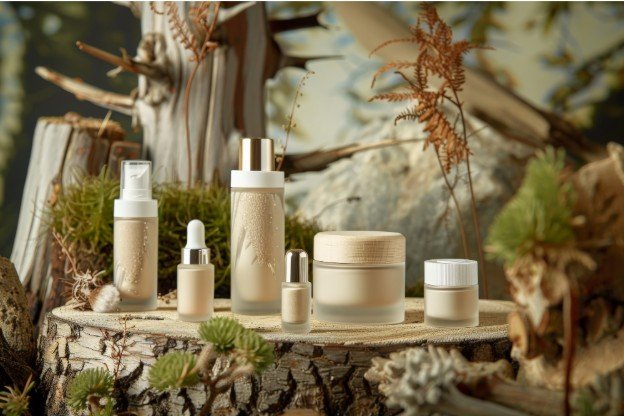

Dry, tight skin can make even a simple shower or change in weather feel uncomfortable. I have found that choosing a body moisturizer based only on its texture or fragrance rarely provides lasting relief. The ingredients inside the formula matter much more.
Understanding hyaluronic acid body lotion benefits for dry skin can help you decide whether this popular humectant deserves a place in your daily routine. Hyaluronic acid attracts water to the outer layers of the skin, helping it feel softer, smoother, and more comfortable. However, it works best when combined with ingredients that strengthen the skin barrier and reduce moisture loss.
What Does Hyaluronic Acid Do in Body Lotion?
Hyaluronic acid is a naturally occurring substance found throughout the body, including the skin. In skincare products, it functions primarily as a humectant. This means it attracts and holds water near the skin’s surface.
Body lotions commonly contain hyaluronic acid or sodium hyaluronate, a salt form that is frequently used because it dissolves easily in cosmetic formulas. Both ingredients can support hydration, although the overall effectiveness of a lotion depends on its complete formulation.
Hyaluronic acid does not permanently add oil to dry skin or repair every cause of dryness. Instead, it increases the skin’s water content and helps create a softer, more supple appearance.
7 Benefits of Hyaluronic Acid Body Lotion

1. Improves Surface Hydration
The main benefit of hyaluronic acid is its ability to support hydration. It attracts water to the outermost layer of the skin, where dryness and flaking are often most noticeable.
Regular application can help the skin feel less tight, particularly after showering, swimming, shaving, or spending time in air-conditioned environments.
2. Makes Rough Skin Feel Smoother
Dry skin cells can build up on areas such as the elbows, knees, shins, and heels. This uneven surface often feels rough even after applying a lightweight moisturizer.
By increasing water content in the outer skin layers, hyaluronic acid can temporarily soften dry patches and make the surface feel smoother. It does not exfoliate dead skin, but it can complement gentle exfoliating ingredients such as lactic acid or urea.
3. Reduces the Appearance of Dryness Lines
Dehydrated skin can develop fine lines or a crepey appearance, especially on the arms, chest, hands, and legs. Hyaluronic acid helps plump the outer layers of the skin with moisture.
This temporary plumping effect can make small dryness lines look less visible. It should not be confused with permanent wrinkle removal or increased collagen production.
4. Provides Hydration Without a Heavy Finish
Some rich body creams feel greasy, sticky, or uncomfortable under clothing. Hyaluronic acid can deliver hydration without requiring an extremely oily texture.
This makes it useful for people who want lightweight moisture during warmer weather or prefer lotions that absorb quickly. A lightweight formula may also be easier to apply across large areas of the body.
5. Supports a More Comfortable Skin Barrier
Hyaluronic acid does not rebuild the skin barrier by itself, but improved hydration can help the skin feel more flexible and comfortable.
For stronger barrier support, look for formulas that combine it with ceramides, cholesterol, fatty acids, squalane, or shea butter. These ingredients help replace or reinforce the lipids that dry skin may be lacking.
6. Works Well With Other Moisturizing Ingredients
A well-formulated body lotion usually combines several types of moisturizing ingredients. Hyaluronic acid can work alongside glycerin, aloe, panthenol, urea, ceramides, and plant-derived oils.
Humectants attract water, emollients smooth spaces between dry skin cells, and occlusives slow water loss. Combining these functions generally provides more complete moisturization than relying on one ingredient.
7. Can Suit Many Sensitive-Skin Routines
Hyaluronic acid itself is generally considered a gentle skincare ingredient. However, the complete product may still contain fragrance, essential oils, drying alcohols, preservatives, or botanical extracts that irritate sensitive skin.
People with reactive skin should choose a fragrance-free formula, review the full ingredient list, and patch-test the product before applying it widely.
Dry Skin and Dehydrated Skin Are Different

Dry skin and dehydrated skin are often discussed as though they are identical, but they describe different concerns.
Dry skin lacks sufficient oils or lipids. It may feel rough, flaky, itchy, or persistently tight. Dehydrated skin lacks water and may temporarily appear dull, lined, or less elastic.
Hyaluronic acid is especially useful for dehydration because it increases water at the skin’s surface. Truly dry skin usually needs additional emollient and occlusive ingredients to replace oils and prevent that water from escaping.
Which Ingredients Work Best With Hyaluronic Acid?
For everyday dryness, look for glycerin, ceramides, fatty alcohols, squalane, shea butter, or dimethicone alongside hyaluronic acid.
Glycerin is another effective humectant that supports hydration. Ceramides help strengthen the skin barrier, while shea butter and squalane soften dry areas. Dimethicone forms a breathable protective layer that can reduce moisture loss.
Very dry, cracked, or winter-stressed skin may benefit from a thicker cream containing petrolatum or mineral oil. In these situations, a thin lotion may not provide enough protection, even when it contains hyaluronic acid.
How to Apply Hyaluronic Acid Body Lotion
Apply the lotion shortly after bathing, while the skin is still slightly damp. The remaining water provides moisture that the formula can help hold near the skin’s surface, while preservatives in body care products help protect water-based formulas from microbial contamination during regular use.
Use enough product to cover the skin evenly without excessive rubbing. Pay extra attention to areas that experience frequent dryness, including the elbows, knees, hands, shins, and ankles.
Most formulas can be used once or twice daily. Reapplication may be helpful after handwashing, swimming, shaving, or exposure to dry weather.
Avoid applying lotion to actively bleeding, infected, or severely irritated skin unless a qualified healthcare professional has recommended the product.
How to Choose the Right Formula

Do not assume that every product highlighting hyaluronic acid will provide the same results. Concentration, ingredient combinations, texture, packaging, and overall formulation all influence performance.
Choose a lightweight lotion for mild dryness or warm conditions. Select a richer cream for persistent flaking, roughness, or cold-weather dryness. Fragrance-free formulas are generally a safer option for sensitive or eczema-prone skin.
Packaging also matters. Pump bottles are convenient for daily body application, while jars may suit thicker creams. The best choice is a formula you can apply consistently without irritation or discomfort.
When Body Lotion May Not Be Enough
Persistent dryness may sometimes require more than a cosmetic moisturizer. Seek professional advice when the skin becomes deeply cracked, painful, swollen, intensely itchy, or prone to bleeding.
Dryness accompanied by a rash or repeated flare-ups may be linked to eczema, psoriasis, an allergic reaction, or another condition requiring appropriate diagnosis and treatment.
Frequently Asked Questions
1. What are hyaluronic acid body lotion benefits for dry skin?
The main benefits include improved surface hydration, softer texture, reduced tightness, temporary plumping of dryness lines, and better comfort. Results are generally stronger when the lotion also contains emollients, ceramides, or occlusive ingredients.
2. Should I apply hyaluronic acid lotion to damp skin?
Yes. Applying it to slightly damp skin after bathing can help retain surface moisture. Follow with a richer cream when your skin needs additional protection against water loss.
3. Can I use hyaluronic acid body lotion every day?
Most people can use it daily, provided the complete formula does not cause irritation. It can usually be applied once or twice a day and reapplied after bathing or washing.
4. Is hyaluronic acid or ceramide lotion better?
The ingredients serve different purposes. Hyaluronic acid supports water retention, while ceramides help reinforce the skin barrier. A lotion containing both may be more effective for persistent dryness than a formula relying on either ingredient alone.
Final Thoughts
I consider hyaluronic acid a useful part of a dry-skin routine, but not a miracle solution. It can noticeably improve hydration, softness, and comfort, especially when applied to damp skin.
For longer-lasting results, I would choose a balanced formula containing humectants, emollients, barrier-supporting lipids, and ingredients that slow moisture loss. The right body lotion should not simply advertise one fashionable ingredient; it should address the full range of needs that contribute to dry, rough, or uncomfortable skin.