

A rental car advertised for $25 a day can become surprisingly expensive once insurance upgrades, airport surcharges, fuel charges, and administrative fees appear on the final bill. The biggest problem isn’t always the price itself. It’s discovering charges you never expected to pay.
Understanding how to rent a car abroad without extra fees starts with comparing the complete rental cost rather than trusting the advertised daily rate. For Americans planning to drive through Europe, explore Mexico, or take a road trip across another country, a few smart decisions before departure can prevent unnecessary expenses.
Here’s how to recognize hidden rental car charges, avoid expensive counter upgrades, and protect your travel budget without sacrificing essential coverage.
Why Do International Car Rentals Have So Many Hidden Fees?
International car rental companies often advertise attractive base rates while charging separately for additional services, insurance protection, and location-related expenses.
According to the Federal Trade Commission’s rental car guidance, advertised prices may not reflect the actual amount customers pay. Airport surcharges, equipment rentals, additional drivers, toll services, and fuel charges can significantly increase the final cost.
Some charges are unavoidable, including mandatory taxes and legally required insurance. Others depend entirely on your decisions.
For example, consider a hypothetical seven-day rental:
A $30 daily rental costs $210 before additional charges. Add $18 daily for optional insurance, $12 daily for navigation equipment, and a $45 airport surcharge, and the total becomes $465.
That’s $255 more than the advertised rental price, even before fuel. The most effective strategy is to identify optional charges before confirming your reservation.
Compare the Total Rental Price Before Booking
Look Beyond the Daily Rate
The cheapest advertised rental car isn’t necessarily the most affordable option.
Compare rental companies using the complete reservation price, including taxes, mandatory insurance, location fees, mileage restrictions, and applicable drop-off charges.
Pay particular attention to cancellation policies. Some prepaid reservations offer attractive discounts but impose substantial penalties when travel plans change. Before booking, request written confirmation of the total amount payable at pickup.
Check Airport and Downtown Rental Locations
Airport rental counters frequently charge concession or facility fees that can make otherwise affordable vehicles more expensive.
Downtown rental offices sometimes offer lower rates, particularly when travelers can reach them using public transportation.
However, off-airport locations don’t automatically eliminate airport-related surcharges. Compare the actual fees and transportation expenses before switching locations.
Also consider opening hours. A cheaper downtown office provides little value if it closes before your flight arrives.
Understand Rental Car Insurance Before Reaching the Counter
Insurance is one of the most confusing parts of renting a vehicle internationally.

Check Whether Your Credit Card Provides Coverage
Certain American credit cards include rental vehicle collision or theft protection when cardholders pay for eligible reservations using their cards.
However, coverage varies by issuer, destination, vehicle category, and rental duration.
The National Association of Insurance Commissioners recommends checking credit card insurance benefits directly with the issuing company.
Before relying on this protection, confirm whether it covers damage, theft, deductibles, towing, and administrative expenses.
Most importantly, credit card collision protection generally doesn’t replace third-party liability insurance.
Avoid Paying Twice for the Same Protection
International rental agreements may include basic third-party liability coverage, but coverage amounts and requirements vary considerably.
Collision Damage Waiver (CDW) and Loss Damage Waiver (LDW) arrangements address financial responsibility for damage or theft involving the rental vehicle.
A zero-deductible upgrade can reduce financial exposure, but it isn’t automatically necessary.
According to the U.S. Department of State, American auto insurance may not provide coverage in foreign countries.
Review your existing insurance, credit card benefits, and any independent rental excess policy before declining protection.
Remember that third-party reimbursement policies may require you to pay the rental company first and claim reimbursement afterward.
Choose a Fuel Policy That Doesn’t Waste Money
Fuel policies can quietly turn an inexpensive rental into a costly booking.
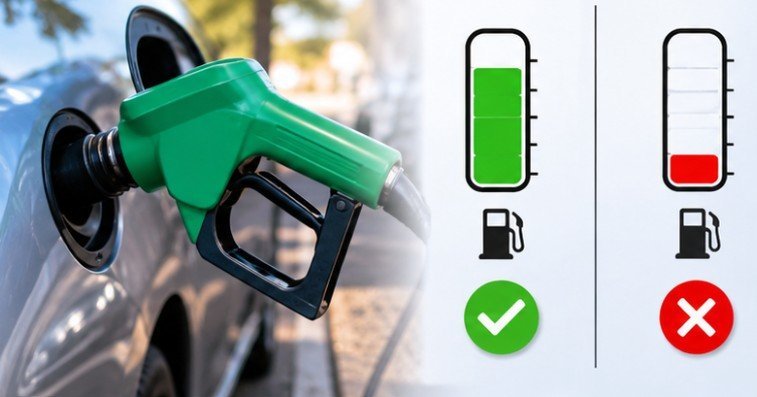
Why Full-to-Full Usually Makes Sense
Under a full-to-full agreement, you receive a vehicle with a full fuel tank and return it at the same level.
This arrangement generally allows you to purchase fuel at ordinary gas station prices rather than paying the rental company’s refueling rate.
Locate a convenient station near your return location and keep the final fuel receipt. Plan a road trip budget in advance to save yourself from last minute confusion.
When Prepaid Fuel Might Be Worth Considering
Prepaid fuel arrangements offer convenience but often provide poor value when you return the vehicle with unused fuel.
They may make sense if the company offers competitive pricing and you expect to use nearly the entire tank.
Otherwise, paying for fuel yourself usually provides greater control.
Eliminate Unnecessary Equipment and Convenience Charges
Rental companies frequently charge additional daily fees for GPS devices, portable Wi-Fi, child safety seats, and extra drivers.
Download offline navigation maps before departure and bring a compatible phone mount and charging cable.
Families should compare child-seat rental costs against airline baggage allowances and destination safety regulations. A seat brought from home must meet applicable local requirements.
Never allow an unauthorized person to drive simply to avoid an additional-driver fee. Doing so could violate the rental agreement and affect insurance protection.
Also investigate automatic toll payment services. Some rental companies impose daily administrative charges in addition to actual toll expenses.
Check Driving Documents Before Leaving America
Missing documents can result in a refused rental, lost prepaid charges, or expensive last-minute transportation.

Do You Need an International Driving Permit?
Many destinations require American travelers to carry an International Driving Permit (IDP) alongside their valid driver’s license.
According to USAGov’s international driving permit guidance, AAA and the American Automobile Touring Alliance are the two authorized IDP issuers in the United States.
An IDP translates your driving credentials but doesn’t replace your driver’s license.
For example, Spain requires visiting American drivers to obtain an IDP, while Canada generally doesn’t.
Always check country-specific regulations and individual rental company requirements.
Confirm Payment and Deposit Rules
Many international rental companies require a physical credit card in the primary driver’s name.
Some reject debit cards or require substantial security deposits.
Ask about the deposit amount, accepted payment methods, and expected release period before traveling.
Choose a card without foreign transaction fees when possible, and compare currency conversion options instead of automatically accepting charges in U.S. dollars.
Protect Yourself Against Damage and Return Penalties
Document the Vehicle Before Driving Away
A thorough vehicle inspection takes only a few minutes but can prevent disputes later.
Photograph existing scratches, dents, windshield chips, wheels, tires, and interior damage.
Ensure every visible defect appears on the rental inspection report before accepting the keys.
Repeat the inspection when returning the vehicle. If the office is open, request written confirmation of its condition.
Return the Car on Time and at the Correct Location
Late returns can trigger additional rental charges, while early returns may occasionally carry penalties under certain contracts.
Plan enough time for traffic, refueling, and airport transportation.
Before crossing international borders, obtain written authorization from the rental company. Cross-border travel may require additional insurance or documentation.
Likewise, one-way rentals can involve significant relocation fees.
Frequently Asked Questions
1. Can I rent a car abroad without purchasing extra insurance?
Yes, sometimes. However, you must satisfy local insurance requirements and ensure you have adequate collision, theft, and third-party liability protection before declining optional coverage.
2. What is the cheapest way to rent a car overseas?
Compare all-inclusive prices, consider off-airport locations, select an economical vehicle, avoid unnecessary extras, and choose a fuel policy that allows you to refill the tank yourself.
3. Do American credit cards cover international rental cars?
Some do, but eligible countries, vehicle types, rental periods, and coverage limits vary. Contact your card issuer and request written confirmation before booking.
4. How can I avoid hidden charges when returning a rental car?
Return the vehicle on time, follow the fuel agreement, photograph its condition, retain receipts, and request a final invoice showing all charges.
Keep Your Rental Budget Under Control
The smartest international car rental decision usually happens before you arrive at the counter.
Understanding how to rent a car abroad without extra fees means recognizing the difference between mandatory expenses and services you don’t actually need. Insurance requirements deserve careful attention, while equipment upgrades, unnecessary fuel packages, and poorly planned return arrangements are often easier to avoid.
I recommend reviewing every reservation as a complete financial agreement rather than a simple transportation booking. Confirm the insurance, inspect the vehicle, and keep documentation until the final payment clears.
A genuinely affordable rental isn’t necessarily the one with the lowest advertised rate. It’s the one that delivers exactly what you agreed to pay for.