
A bowl of leftover chicken may contain more histamine than the same meal freshly prepared. That difference reveals something important about food sensitivities: how food is processed and stored can matter as much as the ingredients themselves.
Understanding the high histamine foods list and substitutes can help you make smarter grocery choices without eliminating entire food groups unnecessarily.
A low-histamine diet generally emphasizes fresh proteins, minimally processed grains, selected fruits, and vegetables while limiting aged, fermented, and cured products. However, food tolerance varies, and scientists still disagree about which restrictions are necessary.
High-Histamine Foods and Their Everyday Alternatives
The following food swaps provide a practical starting point. They are not universal rules because individual foods can differ considerably in histamine content, and some people tolerate foods that others avoid.
1. Meat, Poultry, and Processed Proteins
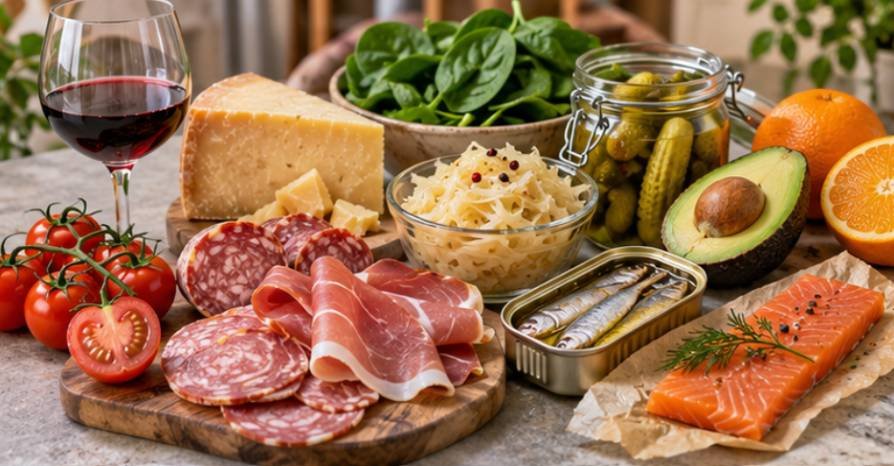
Bacon, pepperoni, salami, smoked ham, hot dogs, and deli meats are commonly restricted because curing, processing, or prolonged storage may increase biogenic amines.
Choose freshly prepared chicken, turkey, lamb, beef, or pork instead. Purchase smaller portions, cook them promptly, and freeze extra servings.
For example, replace a deli turkey sandwich with freshly cooked turkey breast served on a tolerated bread or rice-based wrap.
2. Fish and Seafood
Canned tuna, anchovies, sardines, smoked mackerel, and cured seafood frequently appear on high-histamine food lists. Storage conditions are especially important for fish.
Consider properly handled, promptly frozen cod, haddock, or trout, provided you tolerate fish.
According to the Centers for Disease Control and Prevention, improper fish storage can produce enough histamine to cause scombroid poisoning.
Once histamine has accumulated, cooking or freezing cannot remove it. Buying fish from reliable suppliers is therefore essential.
3. Dairy Products and Eggs
Aged cheeses such as Parmesan, cheddar, Gouda, Brie, and blue cheese are common sources of dietary histamine. Fermented dairy products, including yogurt, kefir, sour cream, and buttermilk, may also be restricted.
Since fermented dairy products can be a concern for some people exploring dietary changes, understanding the timing of probiotic supplementation may also be useful. Read more about whether you should take probiotics on an empty stomach and how timing can influence their use.
Possible substitutes include fresh ricotta, mascarpone, cream cheese, butter, and unfermented oat or rice milk.
Fresh mozzarella and cottage cheese may be tolerated, although their suitability depends on processing and freshness.
Egg whites appear on some avoidance lists, but evidence supporting universal exclusion is limited. Fully cooked eggs may remain suitable for people who tolerate them.
4. Vegetables and Fermented Foods

Tomatoes, spinach, eggplant, avocado, sauerkraut, kimchi, and fermented pickles commonly appear on restrictive diet lists.
Fresh broccoli, cauliflower, carrots, zucchini, cucumber, lettuce, kale, and sweet potatoes offer alternatives.
Instead of tomato-based pasta sauce, try olive oil with garlic and fresh basil. Roasted zucchini can also provide a flavorful base for pasta dishes.
Vegetables such as tomatoes may trigger symptoms in some individuals without necessarily containing consistently high histamine concentrations.
5. Fruits and Naturally Sweet Foods
Citrus fruits, strawberries, bananas, pineapple, papaya, and dried fruits are frequently restricted in low-histamine meal plans.
Apples, pears, blueberries, grapes, watermelon, cantaloupe, peaches, and mango are commonly suggested alternatives.
For breakfast, replace a strawberry-banana smoothie with blueberries, pears, and tolerated oat milk.
Fruit tolerance is personal, so consider portions and preparation methods rather than assuming every food on an avoidance list will cause symptoms.
6. Grains, Beans, Nuts, and Seeds
Fermented sourdough products, soybeans, fermented soy foods, peanuts, and certain legumes may be problematic for some individuals.
Rice, quinoa, oats, millet, corn, potatoes, and plain, nonfermented flatbreads provide convenient alternatives.
For readers also considering how meal choices affect glucose levels, this overview explains whether berberine lowers blood sugar after meals and what the research suggests.
Some low-histamine plans restrict chickpeas, lentils, walnuts, cashews, and sunflower seeds. However, evidence for excluding all these foods is inconsistent.
Pumpkin seeds, chia seeds, flaxseeds, and macadamia nuts may be useful substitutes when tolerated.
The scientific review of low-histamine food exclusions found substantial disagreement between dietary lists, highlighting why personalized choices matter.
7. Condiments, Seasonings, and Chocolate
Vinegar, soy sauce, tamari, miso, fish sauce, ketchup, and fermented condiments may contribute dietary histamine.
Use olive oil, garlic, ginger, parsley, rosemary, thyme, basil, or oregano to flavor meals instead.
Chocolate, cocoa, cinnamon, cloves, chili powder, and curry blends also appear on some restriction lists, although evidence varies.
Rather than eliminating every spice, identify specific ingredients associated with repeatable symptoms.
8. Drinks and Alcohol
Wine, beer, champagne, and kombucha are frequently restricted because fermentation can introduce histamine and other biogenic amines. Water, sparkling water, and tolerated herbal teas are simpler choices.
Black tea, green tea, energy drinks, and certain herbal preparations may cause symptoms in sensitive individuals, but they are not uniformly high in histamine.
Peppermint, chamomile, rooibos, or ginger tea may offer alternatives, provided there are no relevant allergies or medication interactions.
Food Freshness Matters More Than Most Restriction Lists Suggest
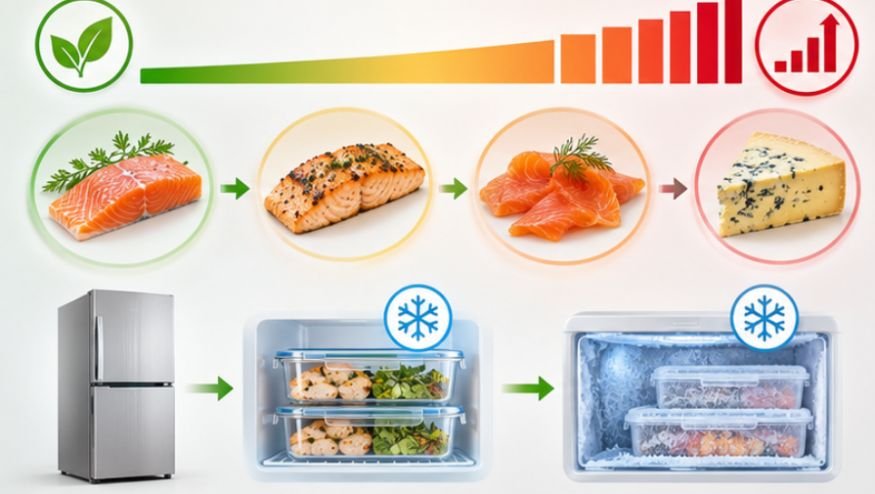
A useful low-histamine routine begins with shopping and storage habits.
The USDA Food Safety and Inspection Service recommends refrigerating perishable leftovers within two hours, or one hour when temperatures exceed 90°F.
For people testing histamine sensitivity, promptly freezing individual meal portions may be preferable to keeping them refrigerated for several days.
Follow these practical habits:
- Purchase fresh, properly refrigerated proteins in manageable quantities.
- Keep refrigerator temperatures at 40°F or below.
- Divide cooked meals into shallow containers for rapid cooling.
- Freeze portions promptly and thaw them safely before reheating.
- Avoid assuming that cooking destroys histamine already present.
Remember that freezing prevents further microbial activity while food remains frozen; it does not reverse histamine formation.
How to Test Your Personal Histamine Tolerance

A structured food trial can help distinguish recurring triggers from occasional digestive symptoms.
Start by recording meals, medications, symptoms, and their timing.
For additional context on digestive discomfort, explore this discussion of using a castor oil pack for bloating and digestion, including its proposed uses and limitations.
With professional guidance, try a nutritionally balanced, lower-histamine diet for approximately two to four weeks.
If symptoms improve, reintroduce one restricted food at a time in small amounts, gradually increasing portions as tolerated.
The American Academy of Allergy, Asthma & Immunology provides specialist information about food allergies and related conditions, which should be considered before attributing unexplained reactions to histamine.
Importantly, foods described as “histamine liberators” are controversial. Research has not established reliable evidence that these foods consistently release clinically significant amounts of histamine.
Frequently Asked Questions
1. What foods are highest in histamine?
Aged cheeses, fermented foods, cured meats, alcoholic beverages, and improperly stored fish are among the most consistently identified sources.
2. Can I eat eggs on a low-histamine diet?
Many people tolerate cooked eggs. Egg whites appear on some restriction lists, but avoiding them is not universally necessary.
3. Are leftovers always high in histamine?
No. Histamine accumulation depends on the food, handling, temperature, and storage duration. Prompt freezing helps limit additional formation.
4. How quickly can dietary changes improve symptoms?
Some people report improvement within a few weeks, but responses vary. Persistent symptoms require medical evaluation rather than indefinite food restriction.
A Better Way to Build Your Everyday Diet
The most useful lesson from the high histamine foods list and substitutes is that freshness, food handling, and individual tolerance deserve more attention than rigid avoidance rules.
I would begin with simple, freshly prepared meals, reliable refrigeration, and a food diary before removing nutritious ingredients unnecessarily. A short, supervised dietary trial can help identify meaningful patterns without turning everyday eating into a complicated exercise.
Histamine-related symptoms can overlap with food allergies and gastrointestinal disorders, so professional evaluation matters. Seek emergency care for breathing difficulty or throat swelling.
The goal is not to eat from the shortest possible food list. It is to discover the widest variety of foods you can comfortably enjoy.