
When I compare beauty products, I often notice that brands encourage shoppers to focus on either the ingredient list or the container. One product may come in a recyclable bottle but contain a resource-intensive formula. Another may use carefully selected ingredients inside packaging that is difficult to reuse or recycle. That is why I believe the debate around sustainable packaging vs clean beauty formulas requires a broader answer.
A responsible beauty product should be safe, effective, transparent, and designed to reduce unnecessary waste throughout its life cycle. Packaging and formulation affect different stages of that journey, so neither should be judged in isolation.
What Does a Clean Beauty Formula Mean?
Clean beauty generally refers to products developed according to a particular ingredient policy. A brand or retailer may exclude selected substances, prioritise ingredient transparency, or favour materials considered gentle or responsibly sourced.
However, clean does not automatically mean natural, environmentally friendly, biodegradable, or suitable for every person. Because there is no single definition followed by every beauty company, two products labelled clean may meet very different standards.
The source of an ingredient also does not tell the entire story. A plant-derived material may require considerable land, water, farming, processing, and transportation. A laboratory-made alternative may sometimes provide the same function with less material or greater consistency.
A responsible formula should therefore be assessed through safety, sourcing, manufacturing, concentration, stability, performance, and end-of-life impact rather than marketing language alone.
What Makes Beauty Packaging Sustainable?
Sustainable beauty packaging aims to reduce environmental impact while protecting the product inside. It may use recycled content, fewer materials, reusable components, refillable systems, lightweight designs, or packaging accepted by established recycling programmes.
The package must also prevent leaks, contamination, oxidation, and emergency deterioration. A lightweight container that fails to protect the formula may cause more waste than a slightly heavier package that keeps the product usable for longer.
The most attractive-looking option is not always the most sustainable. Glass is reusable and widely recognised as recyclable, but it is heavy and can require more energy during manufacturing and transportation. Plastic may be lighter, yet complicated pumps, dark colours, metallic coatings, and mixed components can make it difficult to process.
Recyclable Packaging Is Not Always Recycled
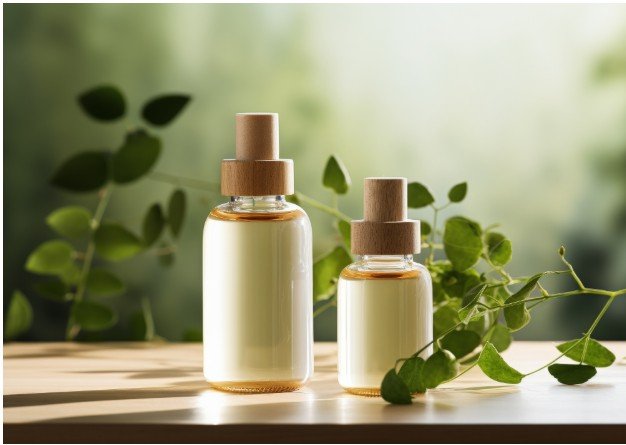
A recycling symbol does not guarantee that a beauty container will be collected, sorted, and turned into another useful product. Small cosmetic components may fall through sorting equipment, while mirrors, magnets, springs, pumps, labels, and adhesives can interfere with processing.
Local recycling access also varies. A material accepted in one location may be rejected somewhere else.
Brands can make disposal easier by using fewer components and providing clear instructions. Customers should be told whether lids must be removed, pumps need to be separated, or empty containers must be returned through a specialist programme.
Specific guidance is more trustworthy than a vague recyclable or planet-friendly statement.
Do Refillable Beauty Products Reduce Waste?
Refill systems can reduce the repeated purchase of heavy outer containers. They are especially useful for products such as fragrance, deodorant, body wash, shampoo, and moisturiser that customers buy regularly. When evaluating refillable deodorants, it is still important to review clean deodorant ingredients rather than focusing only on the packaging.
Naturally derived ingredients such as magnesium hydroxide, arrowroot powder, tapioca starch, zinc ricinoleate, and plant-based oils are commonly used in clean deodorant formulas, though suitability varies depending on individual skin sensitivity.
However, the environmental advantage depends on repeated use. A refillable container that is discarded after one purchase offers little benefit. Refills made from several bonded layers may also be difficult to recycle.
An effective refill system should be convenient, hygienic, lightweight, affordable, and designed to use significantly less material than the original package. Brands should also explain how many refills are needed before the system produces a meaningful reduction in waste.
When the Beauty Formula Matters More
The formula may create a greater impact when its ingredients require intensive farming, mining, extraction, heating, purification, or long-distance transportation. Products washed down the drain also require careful consideration because their ingredients enter wastewater systems after use.
Waterless and concentrated formulas can reduce shipping weight and packaging volume. Shampoo bars, powdered cleansers, concentrated drops, and solid moisturisers may provide more applications from a smaller package.
However, a waterless format is not automatically better. If it breaks easily, performs poorly, or requires customers to use excessive amounts, its expected environmental benefit may disappear.
Preservation also matters. Removing effective preservatives simply to support a clean marketing claim can shorten shelf life and increase contamination risks. A properly preserved product that remains safe during normal use may prevent more waste than a minimally preserved formula that must be discarded early.
When Packaging Creates the Bigger Problem
Packaging becomes particularly important when a small amount of product is surrounded by a large decorative container. Double walls, oversized lids, unnecessary cartons, plastic windows, metallic finishes, and mixed-material pumps can add waste without improving performance.
Frequently purchased products can also create substantial packaging waste over time. Shampoo, body wash, toothpaste, deodorant, and daily moisturiser are replaced regularly, so even modest packaging improvements can produce meaningful benefits.
Brands can reduce this impact by removing unnecessary boxes, simplifying components, increasing recycled content, offering larger sizes, and designing containers that allow customers to use nearly all the formula.
Why Packaging and Formulation Must Work Together
Packaging is not simply decoration. It protects a formula from air, moisture, bacteria, sunlight, leakage, and contamination. The wrong package can shorten shelf life or make an otherwise effective product unsafe.
The formula also influences packaging requirements. Acids, essential oils, alcohol, and active ingredients may react with unsuitable materials. Light-sensitive formulas may require opaque containers, while air-sensitive serums may need protective pumps or air free techniques to reduce oxidation and maintain product stability.
This means replacing a functional container with a fashionable material is not always an environmental improvement. Packaging should offer the necessary protection while using the least complicated and resource-intensive design possible.
How to Recognise Beauty Greenwashing
Terms such as eco-friendly, toxin-free, green, natural, and planet-safe should be supported with clear information. Strong sustainability claims explain exactly what has changed and provide evidence customers can evaluate.
A brand may disclose the percentage of recycled material in a bottle, explain where ingredients are sourced, provide disposal instructions, or show how much material a refill saves.
Be cautious when a company promotes one bamboo cap, botanical ingredient, or recyclable carton while ignoring the rest of the product. A responsible brand should discuss the complete container, formula, manufacturing process, and disposal route.
Honest businesses may also acknowledge limitations. They might explain that a pump is not locally recyclable or that a refill must be reused several times before it provides an environmental advantage.
How Different Beauty Products Should Be Compared
Shampoo and Body Wash
Look for concentrated formulas, larger containers, refill options, minimal secondary packaging, and bottles that are widely accepted for recycling.
Facial Serums
Formula stability is particularly important. A protective package that prevents oxidation may be more responsible than a simple container that allows valuable active ingredients to deteriorate.
Deodorants
Consider refillable cases, lightweight tubes, product longevity, ingredient tolerability, and whether the entire formula can be removed from the container.
Lipstick and Makeup
Small mixed-material components are difficult to recycle. Durable refillable cases may be useful when the replacement inserts contain substantially less material.
Fragrance
Lightweight bottles, reduced decorative packaging, responsible ingredient sourcing, and practical refill services can improve the overall product without compromising scent quality.
Frequently Asked Questions
1. Which matters more: sustainable packaging vs clean beauty formulas?
Neither matters more in every situation. The answer depends on ingredient sourcing, formula stability, packaging weight, usage frequency, product lifespan, transportation, and realistic disposal options.
2. Are clean beauty products automatically sustainable?
No. A clean ingredient standard may address selected safety or transparency concerns without considering farming, water use, manufacturing, transportation, packaging, and waste.
3. Is glass always better than plastic for cosmetics?
Not necessarily. Glass can be reusable and recyclable, but its weight may increase transportation impact. The best choice depends on the product, package design, reuse potential, and available processing facilities.
4. How can shoppers identify responsible beauty products?
Look for complete ingredient information, measurable packaging claims, effective formulas, suitable preservation, minimal unnecessary materials, clear disposal instructions, and evidence supporting environmental statements.
Making a More Responsible Beauty Choice
I do not believe shoppers should have to choose between a thoughtful formula and responsible packaging. The most credible products consider ingredient sourcing, safety, performance, preservation, transportation, material use, and disposal as one connected system.
I prefer to look beyond dramatic front-label claims and examine what the product actually delivers. A well-designed formula should remain safe, effective, and pleasant to use. Its packaging should protect that formula without adding unnecessary materials or misleading environmental promises.
When the formula and container are developed together, sustainability becomes more than a marketing message. It becomes part of how the product is manufactured, purchased, used, and eventually discarded.