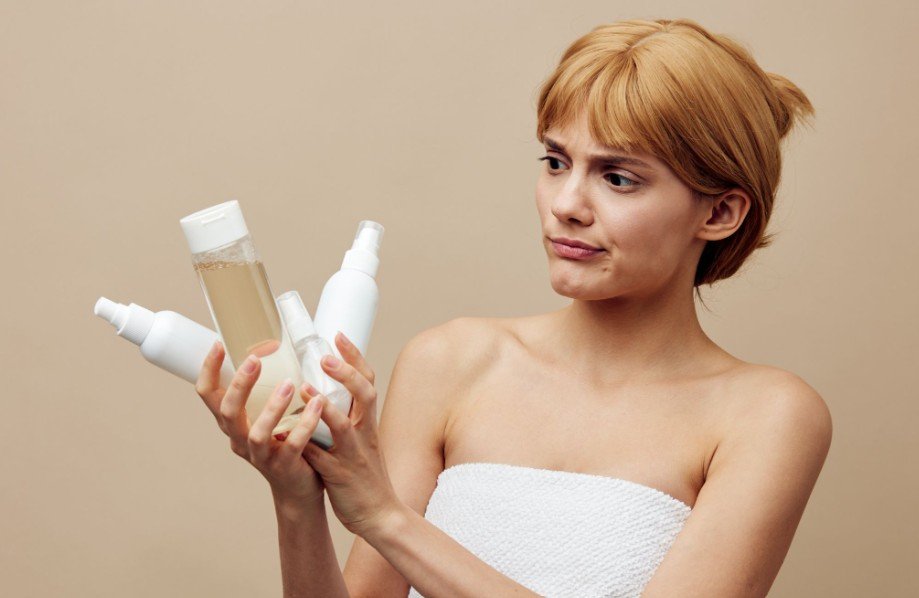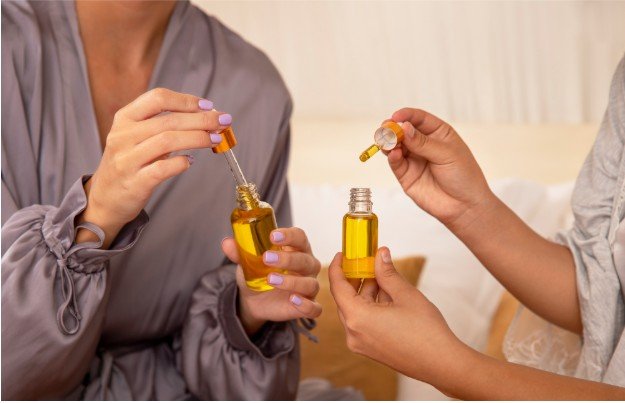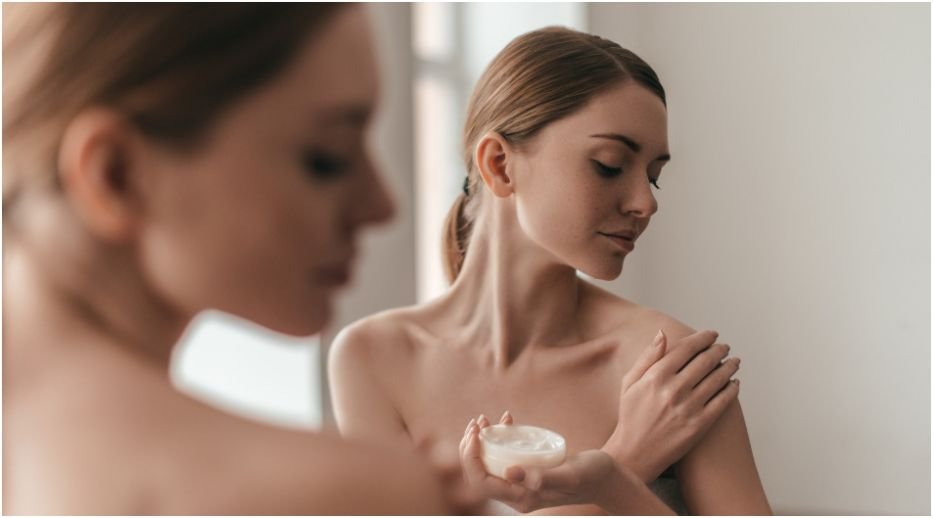
When I began paying closer attention to products used below the neck, I noticed that body care often received less scrutiny than facial skin care. Yet body wash, lotion, deodorant, oils, and scrubs may be applied daily across large areas of skin. To understand what does clean beauty mean in body care, I look beyond green packaging and focus on transparency, skin compatibility, performance, and environmental responsibility.
Clean body care is not simply a list of ingredients a brand avoids. It is an approach to making and choosing products with clearly disclosed formulas, thoughtfully selected ingredients, responsible practices, and claims shoppers can verify.
A Clear Definition of Clean Body Care
Clean beauty generally describes products created according to a brand’s or retailer’s standards for ingredient selection, transparency, sourcing, and environmental impact. However, there is no single clean-beauty standard followed by every company.
One brand may restrict certain preservatives or fragrance materials. Another may emphasize recyclable packaging, cruelty-free policies, renewable ingredients, or supply-chain traceability. Shoppers should therefore investigate the standard behind the label instead of trusting the word “clean” alone.
A useful clean body product should also work. It must cleanse, moisturize, deodorize, or exfoliate effectively without relying on exaggerated promises.
Clean Is Not the Same as Natural or Organic
Natural usually refers to ingredients obtained from plants, minerals, or other naturally occurring sources. Organic relates to how extracts from wheat, maize and sunflower waste and other natural products are grown and processed. Vegan means a formula contains no animal-derived ingredients, while cruelty-free addresses animal-testing policies.
Sustainable usually concerns sourcing, packaging, manufacturing, waste, or resource use. None of these labels automatically proves that a product is gentle, non-irritating, or suitable for every skin type.
Synthetic ingredients can be stable, effective, and well tolerated. Natural essential oils and botanical extracts can still cause sensitivity. Ingredient source matters, but concentration, purity, purpose, and the complete formula matter too.
What Clean Means Across Body-Care Products
Body Wash and Shower Gel
A well-formulated body wash should remove sweat, sunscreen, excess oil, and everyday buildup without leaving the skin excessively tight or dry. Mild cleansing agents, skin-compatible pH, effective preservation, and transparent fragrance information matter more than vague claims such as “chemical-free.”
Body washes usually contain water and are stored in damp shower environments. They therefore need an effective preservation system. Removing familiar preservatives does not automatically make a product gentler or safer.
Lotion, Body Butter, and Body Oil
Lotions and body butters remain on the skin, so moisture retention and barrier support deserve attention. Humectants attract water, emollients soften rough skin, and occlusive ingredients help reduce moisture loss.
A clean lotion should also provide clear fragrance information. A long list of botanical extracts may look impressive, but it can create more potential triggers for people with reactive skin.
Body oils should contain stable oils and use packaging that limits unnecessary exposure to light, air, and contamination. Responsible sourcing and recyclable packaging can strengthen the product’s environmental credentials.
Scrubs, Deodorants, and Hand Care
Body scrubs should exfoliate without causing unnecessary friction. Finely textured particles or carefully formulated exfoliating acids may be more comfortable than large, rough granules.
Clean deodorants vary significantly in effectiveness and comfort. Baking soda, fragrance, and essential oils may irritate some people even when they come from natural sources.
Hand creams should balance moisturization, barrier protection, and reliable preservation. A very short ingredient list is not necessarily better than a well-designed formula containing several ingredients with clear purposes.
Ingredients Commonly Questioned in Clean Beauty
Clean-beauty conversations frequently examine parabens, phthalates, formaldehyde-releasing preservatives, fragrance materials, sulfates, silicones, mineral oil, and synthetic colorants. However, brands and retailers do not always agree on which ingredients should be restricted.
Instead of treating every ingredient category as universally harmful, consider why an ingredient is used, how it behaves within the formula, and whether the finished product suits your skin.
Fear-based marketing can make an ordinary cosmetic ingredient sound dangerous without explaining its concentration, purpose, or level of exposure. A product should be assessed as a complete formula rather than judged by one unfamiliar ingredient name.
How to Read a Clean Body-Care Label
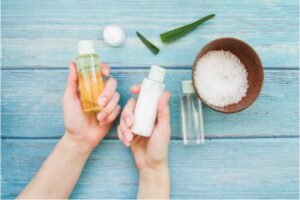
Begin with the complete ingredient list instead of the large claims printed on the front. Check whether the company publishes a clear clean standard or restricted-ingredient policy.
Transparent brands usually explain what they avoid, what they use instead, and how their products are tested for stability, safety, and performance.
Pay close attention to fragrance wording. Unscented products may contain ingredients that mask an unwanted smell, while fragrance-free products generally avoid ingredients added specifically to create or conceal a scent. People with allergies or reactive skin should still review the entire formula.
Environmental claims also deserve investigation. Words such as green, pure, conscious, botanical, and planet-friendly provide little useful information without supporting details.
Stronger claims identify the packaging material, percentage of recycled content, refill system, sourcing method, certification, or measurable reduction in waste.
How to Recognize Clean-Washing and Greenwashing
Be cautious when a product relies heavily on leaves, earthy colors, scientific-looking symbols, or highlighted plant extracts while providing little information about its complete formula.
Claims such as “non-toxic” and “chemical-free” are especially misleading when the brand does not explain what they mean. Water, minerals, botanical oils, and synthetic ingredients are all composed of chemicals.
A credible company should be willing to explain both the strengths and limitations of its choices. No body-care product is automatically perfect for every person, skin type, or environmental concern.
Choosing Clean Products for Your Skin
For dry skin, prioritize mild cleansing and ingredients that support moisture retention. Look for formulas containing effective humectants, emollients, and barrier-supporting ingredients.
For oily or acne-prone body areas, lighter textures and proven exfoliating ingredients may be more suitable. Avoid assuming that every plant oil or rich body butter will work for congested skin.
For sensitive skin, fragrance-free products with fewer unnecessary extracts may help reduce potential triggers. However, a clean label does not guarantee that a product will be non-irritating.
Patch-test for skin allergies and introduce them one at a time. This makes it easier to identify the cause of a reaction. Persistent rashes, eczema, allergies, or other skin concerns may require professional guidance rather than trial and error.
Frequently Asked Questions
1. What does clean beauty mean in body care for sensitive skin?
It means choosing transparently formulated products that avoid known personal triggers and support the skin barrier. Fragrance-free options may help, but patch testing remains important.
2. Does clean beauty mean chemical-free?
No. Everything in a cosmetic formula consists of chemicals, including water and plant oils. Ingredient function, concentration, quality, and formula safety are more useful considerations.
3. Can synthetic ingredients be considered clean?
Yes. Many clean standards allow selected synthetic ingredients when they are effective, stable, responsibly produced, and supported by appropriate safety information.
4. Is clean body care always environmentally friendly?
No. A formula may meet an ingredient restriction standard while using excessive or difficult-to-recycle packaging. Formula quality and environmental impact should be evaluated separately.
My Final Take
I see clean body care as a practical decision-making framework rather than a guarantee printed on a bottle. The strongest products combine transparent labels, suitable ingredients, effective preservation, honest performance claims, responsible sourcing, and thoughtful packaging.
When I choose body products, I do not assume that natural always means safer or that synthetic automatically means harmful. I look for clear explanations, credible claims, and a complete formula suited to the way my skin behaves.
That approach makes clean beauty easier to understand, less dependent on fear-based marketing, and far more useful in an everyday body-care routine.