
A 12-hour flight can feel surprisingly manageable—or become an exhausting experience of stiff legs, dry skin, interrupted sleep, and dead phone batteries. Often, the difference comes down to what you packed before leaving home.
The best essential items for long haul flights aren’t necessarily expensive travel gadgets. They’re practical accessories that address the physical discomforts of spending eight or more hours inside an aircraft.
From supportive neck pillows to portable chargers and simple hygiene supplies, a carefully organized carry-on can transform your journey. Here’s what deserves space in your bag, what you can skip, and how to prepare for a more comfortable flight.
1. Compression Socks for Healthier, More Comfortable Legs
Extended sitting can leave your ankles swollen and your legs uncomfortable. Graduated compression socks apply controlled pressure to support blood flow.
Consider properly fitted travel compression socks, especially if you experience swelling. However, they’re not medically necessary for every traveler.
The CDC’s travel blood-clot guidance recommends regular leg movements and walking when possible. Travelers with additional clotting risks should discuss compression stockings with a healthcare professional.
2. A Neck Pillow That Actually Supports Your Head
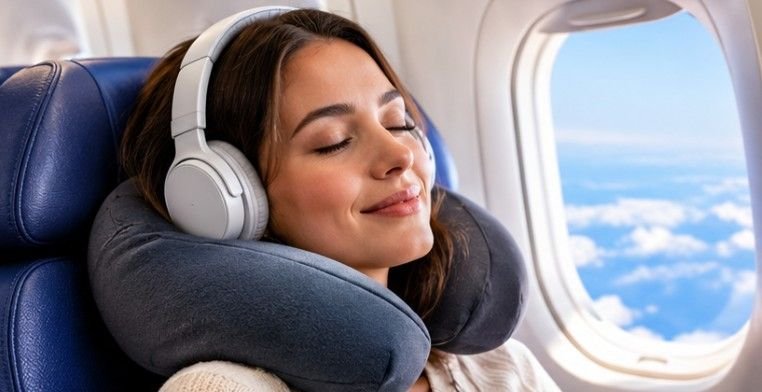
Traditional U-shaped pillows sometimes push the head forward instead of providing comfortable support.
Wraparound designs, including the Trtl Travel Pillow Plus, offer a different approach by supporting the side of the neck. Other travelers prefer adjustable memory-foam pillows.
Test your pillow while sitting upright before departure. It should support your head without forcing your chin toward your chest.
3. Breathable Clothing and Extra Layers
Cabin temperatures can fluctuate significantly during international flights.
Loose joggers, breathable shirts, and a lightweight sweater generally offer greater flexibility than restrictive jeans or stiff clothing.
A cashmere shawl or oversized cardigan can double as a blanket. Wear comfortable shoes that accommodate minor foot swelling, and avoid walking around aircraft lavatories barefoot.
4. A Compact Travel Blanket
Airlines sometimes provide blankets, but availability and quality depend on the carrier and cabin.
A lightweight fleece or microfiber travel blanket is useful for overnight journeys. Options such as the Pavilia Travel Blanket fold into compact pouches.
Choose washable materials and avoid oversized designs that consume valuable carry-on space.
5. A Comfortable Blackout Eye Mask
Aircraft lighting rarely follows your preferred sleep schedule. A contoured eye mask blocks unwanted light while leaving space around your eyelashes. Silk masks are another comfortable option, particularly for travelers sensitive to pressure.
The Sleep Foundation’s advice on sleeping aboard aircraft identifies eye masks, supportive pillows, and noise reduction as useful tools for better in-flight rest.
6. Noise-Canceling Headphones or Earplugs
Engine noise, announcements, and nearby conversations can make extended flights mentally tiring.
Noise-canceling headphones help reduce steady background sounds while allowing you to enjoy downloaded entertainment.
For sleeping, soft foam or silicone earplugs may be more comfortable than bulky headphones. Keep important safety announcements audible when necessary.
7. A Reusable Water Bottle
Waiting for beverage service isn’t always convenient, especially on overnight flights.
Pack an empty reusable bottle and fill it after passing airport security. Choose a leakproof design that fits your seat-side bag.
Drink according to thirst and personal needs rather than forcing excessive amounts. Limiting alcohol can also help prevent disrupted sleep.
8. Moisturizer and Lip Balm
Aircraft cabins can make skin feel noticeably drier, particularly during long international journeys.
Pack a familiar fragrance-free moisturizer, lip balm, and optional hydrating facial mist. Applying a cream before boarding is often more practical than repeatedly spraying your face.
The American Academy of Dermatology’s travel skincare recommendations emphasizes moisturizing during travel and avoiding unfamiliar products that might trigger irritation.
9. Travel-Sized Hygiene Essentials
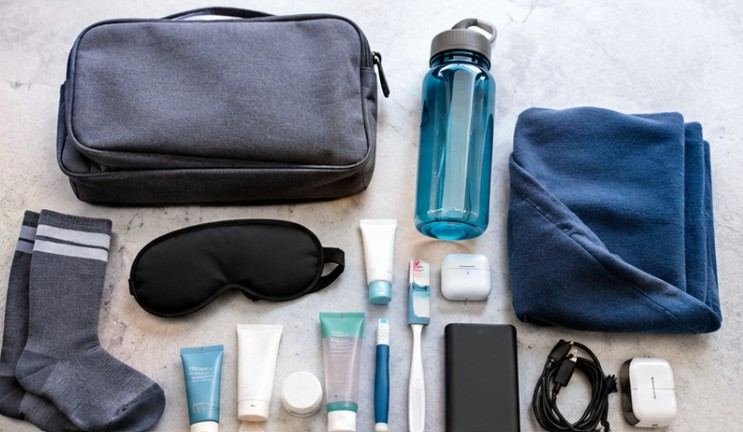
A compact refresh kit can make a significant difference before landing.
Include a toothbrush, toothpaste, deodorant, hand sanitizer, tissues, and gentle facial or body wipes. A spare pair of underwear can also be helpful after particularly long journeys.
Use bottled or otherwise potable water for brushing your teeth rather than relying on aircraft lavatory tap water.
10. Personal Medication and Basic Health Supplies
Prescription medication should remain accessible throughout your journey, never buried inside checked luggage.
Pack necessary medications in clearly labeled packaging, along with any essential medical devices. Consider bringing a small supply of familiar over-the-counter remedies appropriate for your needs.
Avoid experimenting with unfamiliar sleep medication while flying. Melatonin may help some travelers manage jet lag, but its effectiveness depends on timing and individual circumstances.
11. A Flight-Approved Portable Power Bank
A smartphone becomes considerably more valuable when it stores boarding passes, hotel confirmations, navigation apps, and emergency contacts. Carry a reliable power bank and appropriate charging cables.
According to the FAA lithium-battery safety rules, power banks must travel in carry-on baggage. Batteries rated up to 100 watt-hours are generally permitted, while larger 101–160 Wh batteries require airline approval and are subject to additional limits. Check your airline’s restrictions before departure.
12. Downloaded Entertainment and a Bluetooth Adapter
In-flight Wi-Fi can be expensive, unreliable, or unavailable. Download movies, podcasts, playlists, audiobooks, and e-books before leaving home. A Kindle or tablet can provide hours of entertainment without requiring an internet connection.
If your aircraft has a compatible headphone jack, a Bluetooth transmitter such as AirFly may connect wireless headphones to the seatback screen. Bring wired headphones as a backup.
13. Healthy Snacks That Travel Well
Even on flights with complimentary meals, hunger doesn’t always follow the airline’s schedule. Pack practical snacks such as nuts, crackers, granola bars, or dried fruit, accounting for allergies and dietary requirements.
Avoid strongly scented foods and anything that spoils quickly. International destinations may restrict certain foods, so check customs rules and dispose of prohibited leftovers before arrival.
14. A Small Underseat Organization Pouch
Frequently reaching into an overhead suitcase becomes frustrating on a crowded flight.
Instead, keep your most-used supplies inside a compact pouch containing lip balm, headphones, tissues, charging cables, and medication.
A pouch with separate compartments prevents small items from disappearing beneath your seat.
15. Travel Documents and Emergency Essentials
Your passport, payment cards, travel insurance information, and necessary prescriptions belong in your personal bag.
Save digital copies of important documents for offline access, and keep emergency contact information available without relying entirely on your phone.
For additional guidance, the US Department of Transportation’s air passenger guidance recommends keeping valuables and critical documents out of checked baggage.
16. A Simple Movement Routine
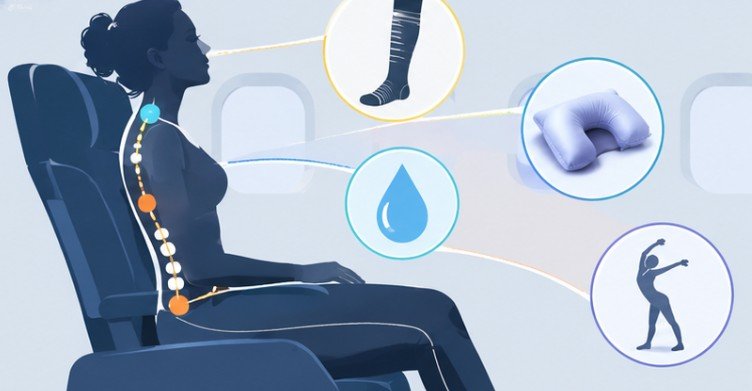
No accessory can replace the benefits of moving your body during an extended flight.
While seated, gently rotate your ankles, raise your heels, and contract your calf muscles. Stand or walk periodically when the seatbelt sign is off and conditions permit.
People recovering from surgery, pregnant travelers, and those with previous blood clots should seek individualized medical guidance before flying.
17. A Sleep Plan That Matches Your Destination
The final item isn’t something you buy—it’s a strategy. Set your phone to your destination’s time zone and plan your sleep accordingly. Use your eye mask, earplugs, and neck support when it’s appropriate to rest.
Avoid excessive caffeine close to your intended bedtime. The CDC notes that correctly timed light exposure and sleep schedules can help travelers adjust to new time zones.
Frequently Asked Questions
1. What are the most essential items for long haul flights?
Prioritize a neck pillow, eye mask, headphones, refillable water bottle, moisturizer, medication, portable charger, and comfortable clothing. These address the most common long-flight discomforts.
2. Are compression socks necessary for a 10-hour flight?
Not everyone needs them. They may benefit certain travelers, particularly those with elevated blood-clot risks. Consult a healthcare professional if you have medical concerns.
3. What should I avoid packing in my flight bag?
Avoid oversized pillows, excessive toiletries, heavy blankets, prohibited liquids, and unnecessary electronics. Keep power banks out of checked luggage.
4. How can I sleep comfortably in economy class?
Support your neck, block light and noise, wear breathable layers, and align your rest schedule with your destination’s time zone.
Final Thoughts
A successful long-distance flight begins well before boarding. Comfortable clothing, thoughtful organization, proper hydration, and a realistic sleep strategy can make hours in economy class noticeably easier.
You don’t need every travel accessory advertised online. Focus on the items that solve problems you personally experience, whether that’s dry skin, restless sleep, swollen feet, or unreliable charging outlets.
When choosing essential items for long haul flights, prioritize comfort, safety, and accessibility over quantity.
The best-packed carry-on isn’t the fullest one. It’s the bag that helps you arrive ready to enjoy your destination rather than recover from the journey.