
Two perfumes can smell irresistible alone yet become chaotic together. The problem is rarely bad taste. Too much sweetness, spice, projection, or complexity usually causes the conflict.
I approach how to layer perfume without scents clashing as a balance problem. One perfume should lead. The second should brighten, soften, deepen, or reshape it. Giving each scent a job produces a personal blend without creating an overpowering cloud.
Why Layered Perfumes Sometimes Clash
A perfume is not a fixed list of ingredients. Its aroma changes as volatile materials evaporate and slower notes remain.
Citrus and green notes generally create a fresh impression and fade relatively quickly. Powdery, warm, amber-like, and animalic profiles tend to have greater tenacity. Therefore, a citrus-and-vanilla combination may smell balanced initially but become much sweeter after the citrus fades.
Odor mixtures can also behave unpredictably. Research has found that individual components may appear less intense when combined. It also found that observations from simple mixtures may not predict complex mixtures accurately.
That supports my first rule: start with two fragrances. Jo Malone London also recommends beginning a scent-pairing experiment with two scents or one scented body product and one cologne.
The Three Roles in Successful Fragrance Layering

My Anchor–Bridge–Accent Method makes fragrance layering more deliberate. Instead of spraying two random favorites together, assign each note profile a role.
The Anchor
The anchor is the perfume you want people to remember. It usually has the stronger base, greater projection, or longer wear.
Vanilla, amber, musk, oud, patchouli, leather, sandalwood, and dense florals commonly work as anchors. Apply the anchor carefully because it controls the final character.
The Bridge
The bridge is a shared note or mood that connects both perfumes.
For example, musk can connect a rose perfume with a woody fragrance. Sandalwood can connect citrus with vanilla. Bergamot can join a fresh cologne with a light floral.
You do not necessarily need a third product. The bridge may already appear in both note lists.
The Accent
The accent changes the anchor without competing for attention.
Citrus can lift a warm perfume. Rose can polish a woody base. Pepper can add edge to vanilla. Green or salty notes can reduce the heaviness of a sugary gourmand.
Use the accent more lightly than the anchor unless it has very weak projection.
How to Layer Perfume Without Scents Clashing

A repeatable process removes most of the guesswork. Follow these steps before wearing an unfamiliar combination in public.
Read Both Note Lists
Check the official descriptions for both perfumes. Identify the dominant family, heart notes, and likely base.
Ignore vague phrases such as “midnight seduction” or “radiant freedom.” Focus on recognizable notes such as bergamot, rose, jasmine, vanilla, cedar, musk, patchouli, or amber.
A perfume with twelve listed notes may already be complex. Pair it with something simple instead of another elaborate composition.
Find One Shared Note
A shared note acts like a handshake between the perfumes.
Look for overlap in musk, vanilla, sandalwood, bergamot, rose, cedar, amber, or patchouli. The formulas do not need to match. One recognizable connection can make the finished combination feel intentional.
When no note overlaps, choose scents with a shared mood. Two dry fragrances may cooperate even when their listed notes differ.
Balance Strength and Texture
Pair dense with airy, sweet with dry, creamy with sparkling, or warm with fresh.
Avoid beginning with two syrupy gourmands, two smoky oud perfumes, or two powerful spicy ambers. Both fragrances will fight to become the anchor.
My starting ratio is two sprays of the softer fragrance for every spray of the stronger perfume. This is not a universal law. It creates a controlled baseline that is easy to adjust.
Test the Perfumes Separately
Spray each fragrance on a separate blotter. Wait one minute, then hold the strips together without touching them.
Smell the combination again after 20 to 30 minutes. Ulta similarly recommends testing fragrances on separate strips before applying the pairing to skin.
This second check matters. A sparkling opening can hide a dry-down that becomes too sweet, smoky, medicinal, or powdery.
Apply Them in a Controlled Ratio
There is conflicting advice about perfume layering order. Ulta recommends applying lighter fragrances before heavier ones, while Armani Beauty advises starting with the strongest scent.
I resolve that conflict by focusing on dominance rather than a rigid order.
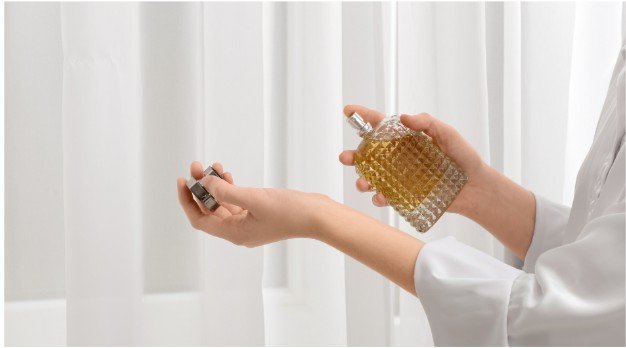
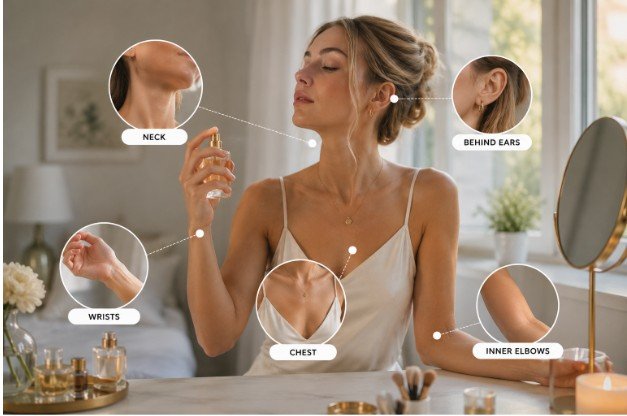
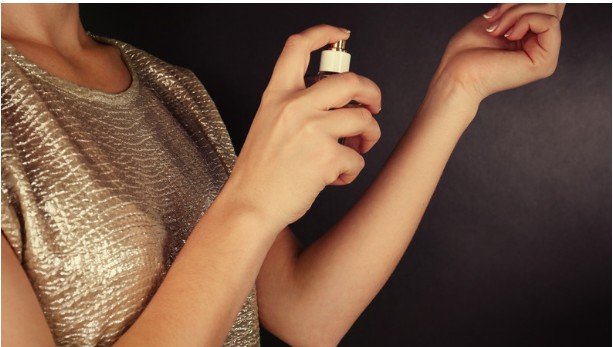
Apply one full spray of the perfume you want to lead. Add less of the supporting scent. Place them on nearby pulse points for a blended effect or separate areas for more definition.
CHANEL recommends applying fragrance to pulse points such as the wrists and neck to intensify its effect.
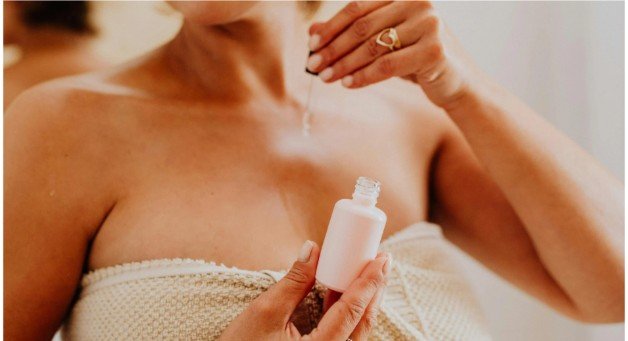
A neutral or matching moisturizer can also provide a quieter foundation. Avoid using a heavily scented lotion unless its aroma supports the planned combination.
Judge the Complete Dry-Down
Do not approve a combination after five minutes.
Check it after 30 minutes, two hours, and near the end of its wear. Record the perfumes, ratio, and application points in your phone.
When practicing how to layer perfume without scents clashing, change only one variable at a time. Adjust the spray ratio, placement, or accent perfume. Changing everything prevents you from identifying the actual problem.
Reliable Perfume Combinations by Scent Family
Certain structures provide dependable starting points:
- Floral and musk create a soft, polished effect.
- Citrus and woods feel bright yet grounded.
- Vanilla and spice produce warmth and depth.
- Amber and clean musk create a smoother evening scent.
- Green notes can make sugary gourmands feel sharper.
- Rose can add contrast to leather or dry woods.
Ulta’s fragrance guidance also recommends structures such as vanilla with florals, citrus with woods, amber with musk, and fresh notes with spice.
Treat these as starting structures rather than guarantees. A “vanilla perfume” may also contain caramel, patchouli, smoke, fruit, and strong florals. The full composition matters more than the largest word on the label.
During hot US summers, reduce the rich layer and allow citrus, aquatic, or green notes to lead. Woods, vanilla, amber, and musk can take more space during colder weather.
How to Layer Vanilla Perfume With Other Scents
Vanilla is adaptable, but it can become cloying quickly. For a more detailed internal resource, see how to layer vanilla perfume with other scents.
Pair creamy vanilla with bergamot for brightness, cedar for dryness, rose for contrast, or clean musk for softness. Avoid adding another dense dessert scent when the vanilla perfume already contains caramel, chocolate, praline, or tonka.
Consider this worked example:
The anchor is a vanilla-amber perfume. The accent contains bergamot and musk. Musk becomes the bridge.
Begin with one spray of vanilla and two lighter sprays of the bergamot-musk fragrance. Test the combination for at least an hour. If it becomes sugary, reduce the vanilla. Do not add a third perfume to hide the problem.
This role-based example demonstrates how to layer perfume without scents clashing without relying on product-specific recommendations.
Fragrance Layering Mistakes That Ruin the Blend
The first mistake is choosing two statement perfumes. Each already tells a complete story, so neither accepts a supporting role.
The second is judging only the opening. Fast-moving top notes may make an unsuccessful pairing smell promising for several minutes.
The third is using equal amounts without comparing concentration or projection. One spray of a powerful extrait can overpower several sprays of body mist.
The fourth is forgetting existing fragrance. Deodorant, lotion, shampoo, hair products, and laundry detergent may become unplanned layers.
The fifth is adding more perfume to repair a clash. Greater volume rarely produces greater harmony. Wash the area and restart later with a simpler ratio.
People with known fragrance sensitivities should read labels and follow manufacturer directions. The FDA states that cosmetic allergens may cause skin, eye, nasal, or respiratory symptoms. Stop using a product and consult a healthcare professional when a suspected reaction occurs.
Frequently Asked Questions
1. Can I layer two strong perfumes?
Yes, but apply them to separate areas and use considerably less of the secondary perfume.
2. What perfume should go on first?
Apply the intended lead perfume first, then add a smaller amount of the supporting fragrance.
3. How do beginners learn how to layer perfume without scents clashing?
Start with two scents, find one shared note, test them on strips, and use a controlled 2:1 ratio.
4. Can I layer perfume over scented lotion?
Yes, provided the lotion has a matching, neutral, or simple scent that will not compete.
Your Perfume Has Main-Character Energy—Use It Wisely
I do not believe fragrance layering needs strict formulas. It needs restraint, one clear lead scent, and enough time to observe the complete dry-down.
The most dependable way to master how to layer perfume without scents clashing is to pair two scents, identify one bridge, and control their strength. Start with a familiar perfume. Add one lighter accent, record the result, and let your signature blend earn its drama.