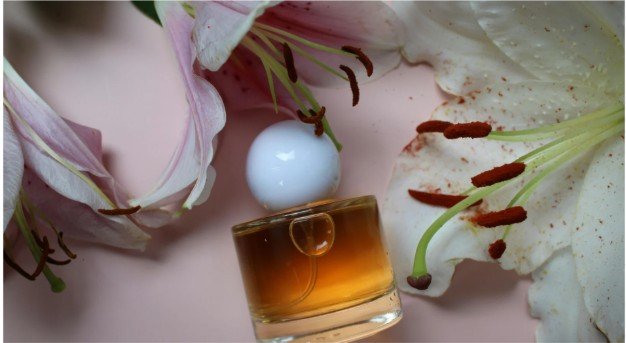
Vanilla can soften a sharp perfume, make florals feel creamier, or add warmth to a clean musk. The challenge is learning how to layer vanilla perfume with other scents without creating a sugary cloud that enters the room before you do.
I recommend treating vanilla as a control dial rather than an automatic base. A small amount adds warmth. More vanilla moves the entire blend toward rich, gourmand territory. That distinction makes each combination easier to control.
Why Vanilla Works So Well in Fragrance Layering
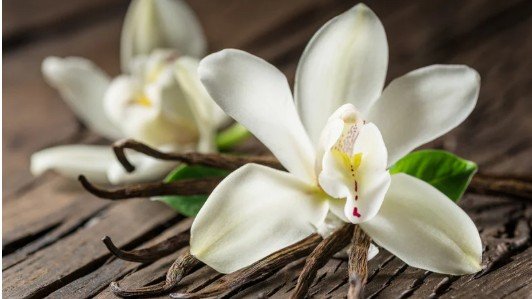
Vanilla perfumes often smell sweet, warm, balsamic, creamy, or woody. These qualities help connect bright opening notes with deeper woods, musks, resins, and spices.
However, vanilla does not literally trap other fragrance molecules like a magnet. Performance depends on the formula, ingredient volatility, skin condition, and application surface. Research into perfume evaporation shows that individual odor materials diffuse at different rates and can behave differently when applied to skin.
Not every vanilla perfume is heavy, either. A fragrance combining vanilla with citrus or sheer musk may behave like a light accent. A formula containing amber, tobacco, resin, or sandalwood will usually work as an anchor.
Fragrance houses describe layering as a way to personalize perfume rather than follow a rigid formula. That is the most useful mindset for understanding how to layer vanilla perfume with other scents: start with a structure, then adjust it for the bottles you own.
How To Layer Vanilla Perfume With Other Scents Step by Step
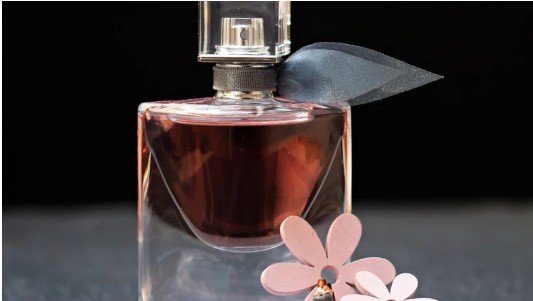
Prepare Your Skin
Apply an unscented moisturizer after showering while your skin is slightly damp. The American Academy of Dermatology recommends applying moisturizer soon after bathing to reduce water loss. Fragrance-free products are also a sensible starting point for dry or sensitive skin.
A vanilla body lotion can build a stronger sweet foundation, but it gives you less control. I recommend unscented lotion when trying a new combination because it allows both perfumes to reveal their true balance.
Identify the Heavier Fragrance
Do not assume vanilla must always go first. Spray both fragrances on separate blotters and wait about ten minutes.
Whichever perfume smells denser, darker, woodier, smokier, or more resinous should usually go first. The brighter citrus, green, aromatic, or floral fragrance can follow.
Diptyque offers similar guidance. It generally recommends placing heavier woody or oriental fragrances beneath lighter citrus or floral styles. It also notes that the perfume applied last can become more prominent.
This nuance matters when learning how to layer vanilla perfume with other scents. Spray order controls which perfume receives the most attention.
Apply the Anchor and Accent
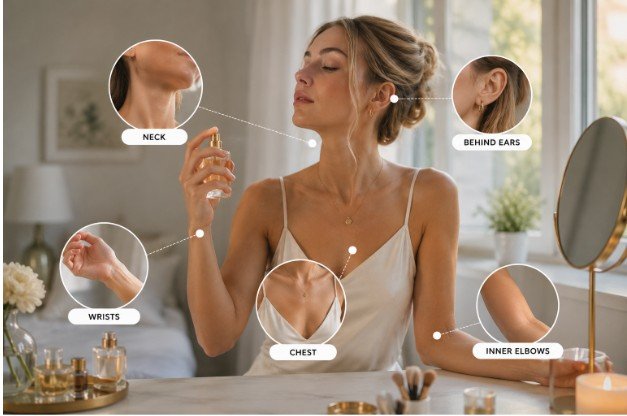
Apply one light spray of the heavier fragrance to a pulse point. Wait around 60 seconds for the sharp alcohol opening to settle. Apply the lighter fragrance over the same spot or on a nearby area.
Spraying both perfumes on one location creates a closely blended result. Separating them creates a more dimensional scent trail.
For example, place vanilla on your chest and citrus near your neck. The vanilla supplies warmth while the higher citrus placement keeps the opening bright.
Adjust the Spray Ratio
Begin with a 1:1 ratio, but reduce your total spray count. Combining two perfumes should not mean wearing twice as much fragrance.
For a brighter effect, use one spray of vanilla and two sprays of citrus or floral perfume. For a sweeter, warmer effect, reverse that ratio.
Changing the ratio is one of the easiest ways to control how to layer vanilla perfume with other scents without buying new products.
Best Vanilla Perfume Layering Combinations
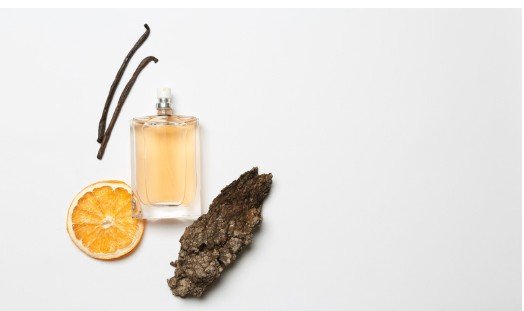
Once you understand how to layer vanilla perfume with other scents, use this table as a starting point rather than an inflexible recipe.
| Combination | Overall Effect | Starting Ratio | Best Setting |
| Vanilla + sandalwood or cedar | Creamy, polished warmth | 1:1 | Work, dinner, cool weather |
| Vanilla + rose | Soft, velvety floral | 1:1 | Dates, events, daily wear |
| Vanilla + bergamot or mandarin | Bright, airy sweetness | 1:2 | Spring, summer, office |
| Vanilla + oud, incense, or spice | Dark, bold richness | 2:1 | Evenings and formal events |
| Vanilla + clean musk | Soft, intimate skin scent | 1:1 | Everyday and close settings |
Vanilla and Woods
Sandalwood emphasizes vanilla’s creamy side, while cedar creates a drier and more structured finish. This combination helps when vanilla smells too much like frosting or candy.
Patchouli, pine, and vetiver can make the result earthier. Place the denser perfume first and use the second fragrance to adjust its sweetness.
Vanilla and Rose
Rose can smell fresh, green, powdery, spicy, or jammy. Vanilla smooths its sharper edges and highlights its softer qualities.
Use more rose than vanilla for a contemporary finish. A 2:1 rose-to-vanilla ratio also reduces the risk of producing a syrupy “rose candy” effect.
Readers new to mixing perfume can explore best fragrance layering combinations for beginners before attempting more complex three-scent blends.
Vanilla and Citrus
Bergamot, lemon, orange, and mandarin make vanilla feel lighter. This is one of the simplest approaches to how to layer vanilla perfume with other scents during warm weather.
Apply vanilla sparingly and place the citrus fragrance higher on your body. Citrus and green notes are often perceived as fresh, while many of their aromatic materials evaporate faster than heavier perfume components.
Vanilla, Oud, and Spices
Oud, incense, cinnamon, clove, and pepper can dominate a blend quickly. Vanilla softens their intensity while adding creamy richness.
Start with one spray of each fragrance. Wait at least 20 minutes before applying more. Dense combinations often grow stronger during the dry-down, especially in warm indoor settings.
The Vanilla Control Dial: A Worked Example
Imagine you own one vanilla perfume and one bergamot perfume.
For a bright daytime combination, apply one vanilla spray to your chest and two bergamot sprays near your neck. The bergamot becomes the focus, while vanilla provides a soft background.
For evening wear, apply two vanilla sprays to your chest and one bergamot spray above them. The same bottles now produce a warmer, deeper result.
This is my preferred framework for how to layer vanilla perfume with other scents because it separates three controls: order, ratio, and placement. Most layering advice discusses only spray order. Placement can often rescue a combination that otherwise smells flat or muddy.
Fragrance Layering Mistakes to Avoid
The first mistake is combining two highly complex perfumes. When both fragrances already contain fruit, flowers, amber, spice, woods, and musk, their individual characteristics may disappear. Begin with at least one simple or linear scent.
The second mistake is rubbing your wrists together. Let each perfume air-dry so the opening develops naturally and the fragrance remains where you placed it.
The third mistake is judging a combination immediately. Fragrance changes as its more volatile materials evaporate. Smell your blend after 10, 30, and 60 minutes before deciding whether it works.
Do not apply fragrance to irritated or broken skin. Certain fragrance ingredients can cause irritation or sensitization in some people. IFRA maintains industry standards intended to manage the safe use of fragrance ingredients. Stop using a product if you notice itching, redness, or burning.
Frequently Asked Questions
1. What scents layer best with vanilla perfume?
Woods, rose, citrus, clean musk, amber, oud, coffee, tobacco, and warm spices are reliable starting points.
2. Should vanilla perfume go on first or second?
Apply vanilla first when it is the heavier anchor and second when you want it to dominate the opening.
3. How do I layer vanilla perfume without smelling too sweet?
Use less vanilla, add citrus or dry woods, and keep the combined spray count lower than your normal routine.
How to layer vanilla perfume with other scents for summer?
Use a 1:2 vanilla-to-citrus ratio and place the fresher fragrance higher on your neck or shoulders.
Your Vanilla Does Not Need to Behave
Learning how to layer vanilla perfume with other scents is less about memorizing pairings and more about controlling sweetness. Begin with two perfumes and one spray of each. Give the combination 30 minutes to develop.
Change only one variable during your next test: spray order, ratio, or placement. That is how a simple vanilla becomes bright, romantic, woody, smoky, or quietly addictive—without turning your perfume shelf into a chemistry accident.