When I compare two perfumes, I never assume the bottle labelled “natural” is automatically safer, richer, or more luxurious. The real difference between natural vs synthetic fragrance ingredients in perfume lies in sourcing, complexity, consistency, performance, and formulation.
Most modern perfumes are hybrids. They combine botanical extracts with laboratory-made aroma molecules because each group solves different creative problems. The useful question is not which side wins. It is which formula gives you the scent, wear, transparency, and values you want. The FDA also describes fragrance formulas as complex mixtures containing natural and synthetic chemical ingredients.
Quick Comparison Table
| Feature | Natural ingredients | Synthetic ingredients |
| Source | Flowers, woods, peels, leaves, spices, gums, and resins | Molecules made through synthesis, fermentation, or modification |
| Aroma | Complex and naturally variable | Precise, repeatable, and capable of abstract effects |
| Consistency | Changes may occur between harvests | Usually easier to reproduce between batches |
| Longevity | Depends on the material | Depends on the molecule and complete formula |
| Allergy potential | May contain several sensitizing compounds | Individual molecules may also cause sensitivity |
| Creative range | Limited to extractable materials | Includes nature-identical and novel notes |
| Sustainability | Renewable, but sometimes resource-intensive | May protect scarce resources, but still has production impacts |
The table shows why natural vs synthetic fragrance ingredients in perfume require formula-level judgment rather than simple marketing labels.
What Are Natural Fragrance Ingredients?
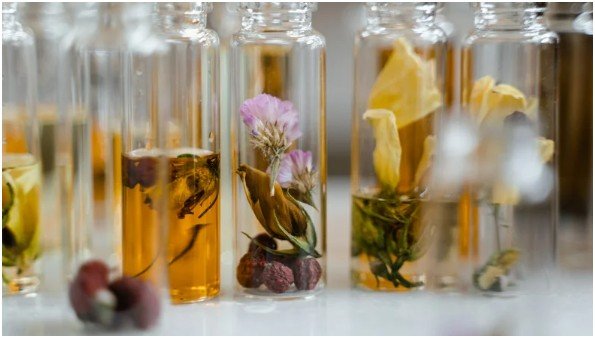
Natural perfume materials usually come from plants. Rose absolute, jasmine absolute, bergamot oil, patchouli, vetiver, frankincense, and sandalwood are familiar examples.
IFRA explains that natural fragrance materials can come from flowers, woods, resins, spices, and citrus peels. Manufacturers then distil or extract the aromatic material before it reaches a perfumer.
Extraction Shapes the Scent
Steam distillation produces many essential oils. Cold pressing suits citrus peels, while solvent extraction creates concretes and absolutes from delicate flowers.
The method matters. Rose absolute differs from rose essential oil because each process captures another aromatic fraction. This can change the material’s texture, stability, strength, and cost.
Complexity Creates Beauty and Variation
A natural extract contains many odor-active compounds. That complexity can create depth that one isolated molecule cannot copy exactly. It also makes standardisation harder.
Studies of Damask rose oil show that climate, soil, location, harvesting, storage, and processing can alter its chemical composition. This is where natural vs synthetic fragrance ingredients in perfume differ clearly: nature delivers character, but not perfect repetition.
A perfume house may love the personality of one rose harvest. However, it may need other ingredients to keep future batches recognisable.
How Natural vs Synthetic Fragrance Ingredients in Perfume Differ in the Lab
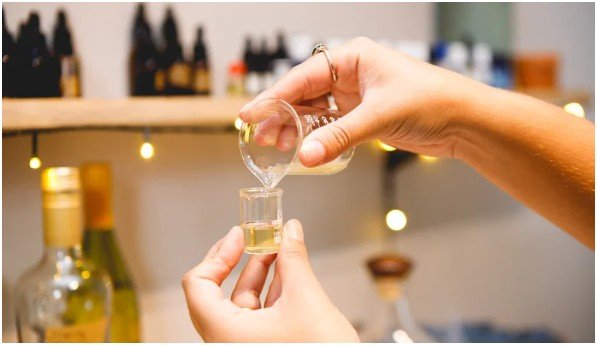
Synthetic fragrance ingredients are made through controlled manufacturing. Some copy molecules that also occur in nature. Others create effects with no practical natural extract.
Nature-Identical Versus Novel Molecules
Nature-identical materials reproduce known molecular structures. Vanillin and linalool are common examples of molecules that can occur naturally or be produced through manufacturing.
Novel aroma chemicals can create marine effects, clean musks, mineral impressions, transparent florals, and abstract woody notes. These effects expand the perfumer’s palette beyond materials that can be pressed, distilled, or extracted.
Synthetic does not always mean petroleum-based. Molecules may use fossil, plant-based, fermented, or other bio-based feedstocks. The production route matters more than a simplistic natural-versus-chemical label.
Why Modern Perfumers Use Synthetics
Synthetics improve consistency, widen the scent palette, and help control diffusion. They can replace materials that are unstable, scarce, expensive, ethically problematic, or difficult to extract.
IFRA estimates that about three-quarters of global fragrance volume comes from modern synthesis plants. Its 2025 Transparency List covers 3,691 fragrance and functional ingredients, including 1,021 natural complex substances. These figures show how heavily modern perfumery depends on both categories.
The comparison between natural vs synthetic fragrance ingredients in perfume is therefore not a contest between authentic and artificial. It is a comparison between different creative tools.
Safety and Allergies: Natural Is Not Automatically Gentler
The safety debate around natural vs synthetic fragrance ingredients in perfume often begins with misleading language. Everything in perfume is chemical, including rose oil, alcohol, water, and laboratory-made musks.
Safety depends on the material, dose, exposure, product type, and individual sensitivity. “Natural,” “clean,” and “chemical-free” do not prove that a perfume is hypoallergenic.
Natural essential oils may contain known allergens. Some components can also oxidise after air exposure and form stronger sensitising substances. Peer-reviewed research has documented contact allergies involving numerous essential oils, especially when oils are applied undiluted or at high concentrations.
Synthetic materials are not automatically harmless either. Some fragrance substances are restricted or prohibited. Others have extensive safety data and controlled use levels.
The IFRA Standards establish bans, concentration limits, restrictions, and purity requirements for particular fragrance materials. These standards can apply to both natural extracts and synthetic molecules.
What US Labels Reveal
The FDA states that fragrance formulas may contain many natural and synthetic ingredients. In the United States, an ingredient panel may list the complete mixture broadly as “fragrance” or “perfume” instead of identifying every component.
This limited disclosure can make shopping difficult for people with confirmed fragrance allergies. They should look for allergen information, detailed ingredient glossaries, IFRA compliance statements, or responsive customer support.
For more help understanding fragrance terminology on a product label, understand what does parfum mean in body care ingredients.
Which Type Lasts Longer?
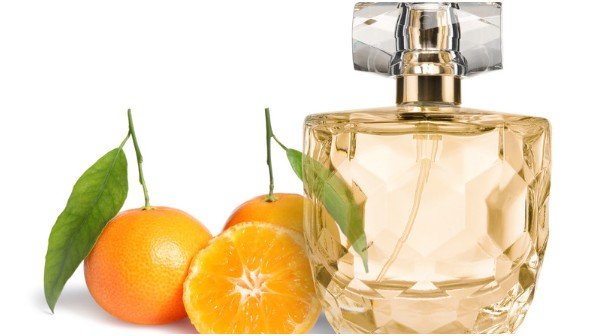
There is no reliable rule that natural ingredients disappear within two hours while synthetic ingredients last all day.
Longevity depends on volatility, concentration, dosage, fixatives, skin condition, temperature, humidity, and the perfume’s entire structure. Perfumery relies on the interaction between materials rather than one ingredient category working alone.
Natural citrus oils often evaporate quickly. However, natural patchouli, labdanum, vetiver, woods, and resins may remain noticeable for hours.
Some synthetic woods, ambers, and musks can create lasting diffusion. Other synthetic materials act as bright top notes and disappear quickly.
That makes natural vs synthetic fragrance ingredients in perfume a poor shortcut for predicting performance. Even two eau de parfums with similar concentrations may wear differently because their materials evaporate at different rates.
My Three-Checkpoint Wear Test
I judge a perfume at three points rather than trusting the opening spray.
First, I smell it on a blotter to understand its basic structure. Second, I apply one spray to clean skin and return after 30 minutes and four hours. Third, I smell the fabric the following morning.
The blotter reveals the construction. Skin reveals comfort, warmth, and diffusion. Fabric shows which materials survive after the most volatile notes disappear.
This test tells me far more than a “natural,” “clean,” “green,” or “non-toxic” claim. It also prevents me from buying a fragrance based only on an impressive first five minutes.
Performance alone cannot settle natural vs synthetic fragrance ingredients in perfume because environmental trade-offs also vary by source and production process.
Which Choice Is More Sustainable?
Neither category deserves an automatic sustainability badge.
Natural materials can support renewable agriculture, specialist growers, and traditional harvesting communities. However, they may demand large amounts of land, water, crop material, transport, and energy-intensive processing.
Natural sourcing may also affect biodiversity when a valuable material comes from a vulnerable plant or animal species. IFRA notes that some natural fragrance materials may fall under CITES protections or future trade restrictions.
Synthetics can reduce pressure on rare plants and animal-derived ingredients. IFRA asked fragrance manufacturers to stop using natural musk from musk deer in 2000 because of conservation concerns and CITES protections.
However, synthetic production may still involve fossil feedstocks, manufacturing energy, emissions, waste, and molecules that break down slowly.
A fair review of natural vs synthetic fragrance ingredients in perfume should consider traceability, renewable inputs, biodegradability, labour practices, biodiversity, production efficiency, and dosage. “Plant-based” and “lab-made” are starting points, not final verdicts.
How to Choose the Right Perfume
I choose by the finished formula rather than ingredient ideology. I look for an enjoyable dry-down, comfortable wear, useful brand disclosure, and sourcing claims backed by specific information.
A natural-heavy fragrance may suit someone who values botanical texture and seasonal variation. A synthetic-forward perfume may suit someone seeking consistency, abstraction, stronger diffusion, or alternatives to scarce ingredients.
A well-made hybrid often balances both. Natural extracts can provide texture and complexity, while carefully chosen synthetics improve precision, stability, and performance.
When comparing natural vs synthetic fragrance ingredients in perfume, test the dry-down before buying. The four-hour stage reveals more than the opening spray.
Frequently Asked Questions
1. Are synthetic fragrance ingredients safer than natural ones?
Not automatically; safety depends on the material, dose, exposure, product type, and personal sensitivity.
2. Do natural perfumes always smell different on each person?
Not always; skin condition, temperature, climate, application, and evaporation can affect every perfume formula.
3. Can natural vs synthetic fragrance ingredients in perfume cause allergies?
Yes; either category can contain sensitising materials, so stop using a perfume if it causes irritation or a reaction.
4. Are hybrid perfumes better than fully natural perfumes?
Not universally, but hybrids give perfumers greater control over consistency, diffusion, longevity, and creative range.
Final Spritz: Stop Making Ingredients Pick a Team
I do not judge a perfume by whether its formula began in a field or a reactor. I judge the finished scent by its beauty, comfort, performance, transparency, and environmental logic.
The smartest way to compare natural vs synthetic fragrance ingredients in perfume is to wear the fragrance beyond its opening. Test it for a full day, examine the brand’s disclosures, and let the complete formula earn its place on your shelf.