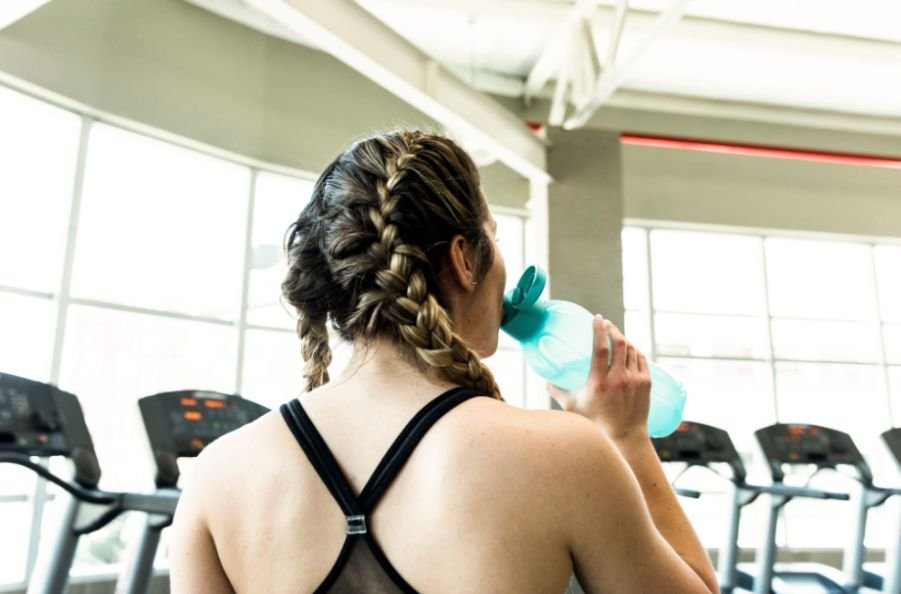
A hard workout should leave me feeling accomplished, not worried about new pimples across my shoulders. When I want to understand how to prevent back acne after working out, I focus on what happens before, during, and immediately after exercise. Sweat alone does not cause acne, but it can mix with oil, dead skin, bacteria, and product residue.
Tight clothing then holds that mixture against the back, where friction can make inflammation worse.
The good news is that a consistent post-workout hygiene routine can reduce these triggers without requiring an expensive collection of skincare products.
Why Does Working Out Cause Back Acne?
The back contains many sebaceous glands that produce oil. When excess oil combines with dead skin cells, it can block hair follicles and create blackheads, whiteheads, or inflamed pimples. Exercise adds moisture, heat, and friction to this environment.
Compression shirts, sports bras, weight belts, backpacks, and tight seams can rub sweaty skin repeatedly. This combination may cause acne mechanica, a form of breakout associated with heat, pressure, and friction.
Not every bump is traditional acne. Small, uniform, itchy bumps can sometimes indicate folliculitis, which may require different care. A dermatologist can distinguish between acne and folliculitis when symptoms are persistent or difficult to identify.
What Should I Do Before a Workout to Prevent Bacne?

I begin every workout in freshly washed clothing. Rewearing a shirt or sports bra can return dried sweat, body oil, dead skin, and detergent residue to acne-prone areas. Even when an outfit looks clean, it should be washed after every sweaty session.
Loose, breathable clothing usually creates less friction than extremely tight spandex. Moisture-wicking fabric can also help pull perspiration away from the skin, although it still needs laundering after each use.
Long hair should be secured in a high ponytail or bun when practical. Hair oils, conditioner, and styling products can transfer to the upper back and contribute to clogged pores. Before an outdoor workout, I also apply a broad-spectrum, water-resistant, noncomedogenic sunscreen with SPF 30 or higher to exposed skin.
How Can I Protect My Back During a Sweaty Workout?
A clean towel is essential for managing sweat. Instead of rubbing my back or shoulders, I gently pat exposed skin. Aggressive rubbing can irritate existing pimples and increase inflammation.
Shared benches, mats, and padded machines may contain sweat, oil, and residue from other users. I wipe down surfaces before placing my body or clothing against them. Wearing a clean shirt creates an additional barrier, but it does not replace good equipment hygiene.
I also check where straps and seams sit. If breakouts repeatedly appear under a sports-bra band, hydration pack, backpack strap, or protective pad, friction may be part of the problem. Adjusting the fit can help reduce pressure without interfering with the workout.
What Is the Best Post-Workout Hygiene Routine?
Changing out of damp clothing should happen as soon as possible. A spare shirt and sports bra make this easier when I cannot go directly home. I keep used clothing in a separate bag so it does not contaminate clean items.
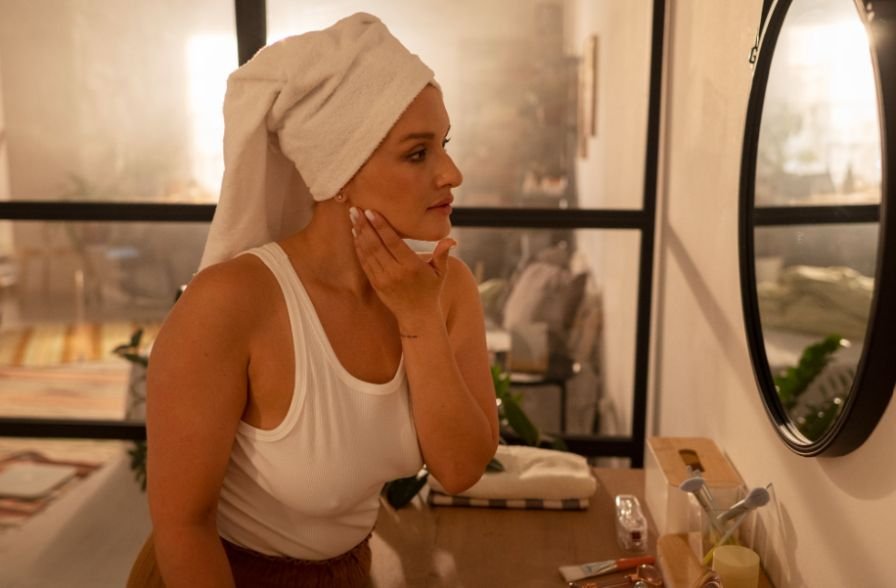
A consistent morning and night body care routine can help keep post-workout cleansing, lightweight hydration, and targeted acne care balanced without overwhelming the skin.
How Quickly Should I Shower After Exercising?
Ideally, I shower soon after finishing my workout. Washing within approximately 10 to 15 minutes can be a helpful practical goal when facilities are available, but it is not a strict medical deadline. The priority is to avoid remaining in sweat-soaked clothing for an extended period.
I use lukewarm water because very hot water may increase dryness and irritation. I avoid rough loofahs, stiff brushes, and gritty scrubs. Scrubbing harder will not clean the follicles more effectively and can damage the skin barrier.
If I wash my hair, I rinse shampoo and conditioner completely before cleansing my back. This order removes the residue that might otherwise remain on my shoulders.
Which Acne Wash Should I Use on My Back?
A benzoyl peroxide wash can help reduce acne-causing bacteria and control inflamed pimples. Over-the-counter formulas sold in US drugstores often range from approximately 4% to 10%. Higher strength is not automatically better, especially for dry or sensitive skin, so I prefer to start cautiously and follow the product directions.
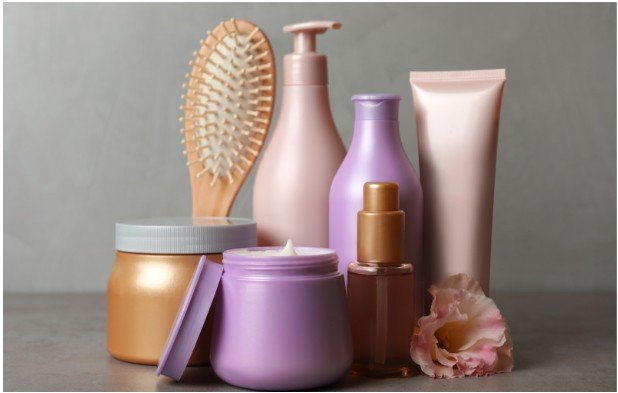
Salicylic acid works differently. Understanding active and inactive ingredients makes it easier to identify which components treat clogged pores and inflammation and which ones support the formula’s texture, stability, and skin feel.
A 2% salicylic acid body wash can penetrate oily pores, loosen dead skin buildup, and help prevent blockages. It may work particularly well for blackheads, small bumps, and recurring congestion.
Some medicated washes need to remain on the skin briefly before rinsing. Depending on the formula, the directions may recommend a contact time of two to five minutes. I always follow the label because leaving an active product on too long can increase dryness or irritation.
Benzoyl peroxide may bleach towels, clothing, and bedding. Rinsing thoroughly, drying with a white towel, and allowing the skin to dry before dressing can help prevent unwanted discoloration.
What If I Cannot Shower Immediately?
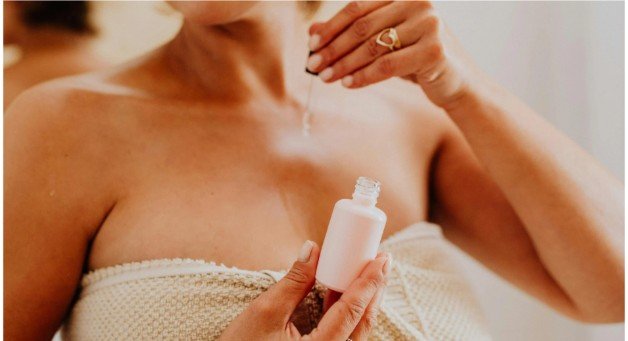
When a shower is unavailable, I change into a dry shirt first. A hypochlorous acid spray can offer a convenient way to refresh sweaty skin, while a salicylic acid body spray may help acne-prone pores. However, these products should support rather than permanently replace proper cleansing.
I introduce only one treatment at a time. Combining a medicated wash, strong spray, scrub, and leave-on exfoliant in the same routine can irritate the skin and make breakouts appear worse.
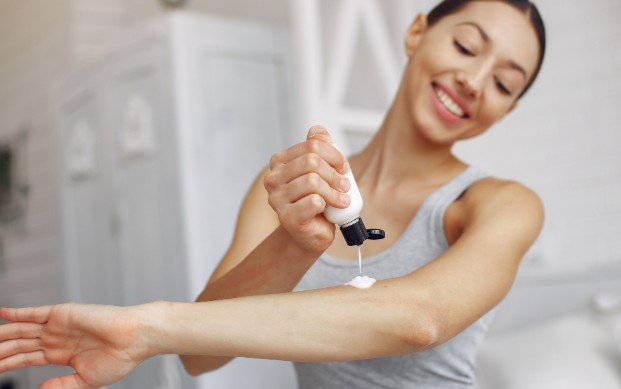
After showering, I gently pat my skin dry with a freshly washed towel. If my back feels tight, I apply a lightweight, fragrance-free, noncomedogenic moisturizer to support the skin barrier without adding a heavy or greasy layer.
Which Workout Habits Make Back Acne Worse?
Remaining in wet gym clothing is one of the most avoidable problems. Reusing unwashed outfits, towels, mats, weight belts, and protective gear can also transfer oil and residue back to the skin.
Harsh physical exfoliation is another common mistake. Picking pimples or scraping the skin with a rough scrub increases the likelihood of inflammation, dark marks, and scarring. Gentle, consistent cleansing is more useful than trying to remove every bump at once.
Oily body products may also feel overly occlusive beneath tight clothing. When possible, I save rich body butter for areas that are not prone to breakouts or use a lighter noncomedogenic lotion on my back.
When Should I Visit a Dermatologist for Back Acne?
Professional care is important when back acne causes deep cysts, painful nodules, widespread inflammation, drainage, or scarring. I would also schedule an appointment if a consistent over-the-counter routine produced no meaningful improvement after several weeks.
Persistent itching, identical-looking bumps, or acne that becomes worse with standard treatments may point to folliculitis or another skin condition. A board-certified dermatologist can provide an accurate diagnosis and discuss prescription treatments when necessary.
Frequently Asked Questions
1. How often should I use a benzoyl peroxide body wash?
Start according to the product directions and your skin’s tolerance. Some people can use it daily, while sensitive skin may need less frequent application. Reduce use if persistent peeling, burning, or irritation develops.
2. Can sweat cause back acne by itself?
Sweat is not usually the sole cause. It becomes a problem when it combines with oil, dead skin, residue, heat, and friction under clothing or athletic equipment.
3. Can hypochlorous acid replace a post-workout shower?
No. It may be useful when showering is temporarily unavailable, but it does not replace washing away sweat, oil, sunscreen, and product residue.
4. How long does it take to learn how to prevent back acne after working out?
Preventive habits can reduce new triggers immediately, but visible improvement may require several weeks. Consistency matters more than using multiple aggressive treatments at once.
A Smarter Route to Clearer Skin
When I consider how to prevent back acne after working out, I keep the routine practical: wear clean clothing, reduce friction, change promptly, shower when possible, wash my hair first, cleanse my back last, and use one appropriate acne treatment.
Clearer skin rarely comes from scrubbing harder. It comes from controlling sweat, residue, clogged pores, and irritation consistently. If the bumps remain deep, painful, itchy, or resistant to treatment, I treat that as a reason to seek professional guidance rather than adding more products.