
The snacks you reach for between meetings could influence more than your afternoon energy. Research suggests that regularly eating foods rich in fiber, antioxidants, and unsaturated fats may help support the body’s natural inflammatory balance.
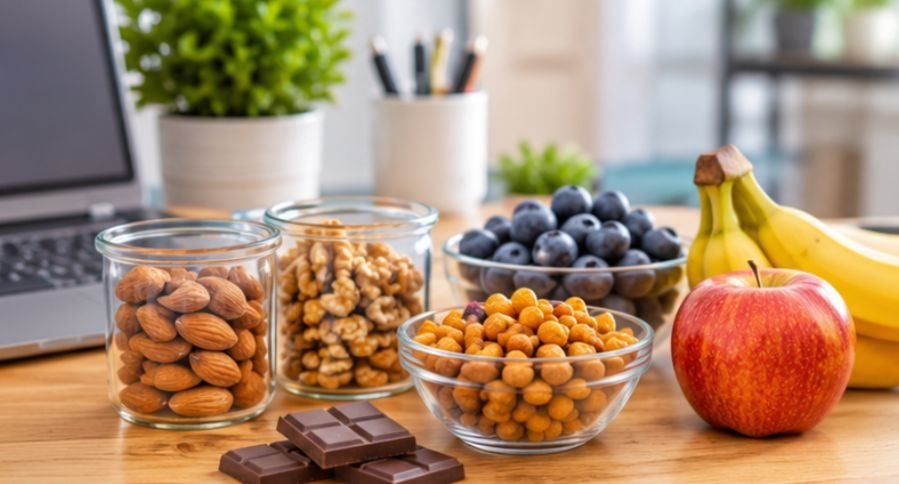
The good news? You don’t need elaborate meal preparation or expensive wellness products. Some of the best anti inflammatory snacks for work desk storage are ordinary grocery-store staples, including walnuts, roasted chickpeas, dark chocolate, and fresh fruit.
The secret is choosing foods that deliver useful nutrients without creating another task during your workday.
Why Your Desk Snacks Matter for Inflammation
Inflammation is part of the body’s natural defense system. It helps repair injuries and respond to infections. However, persistent, low-grade inflammation is associated with conditions including heart disease, type 2 diabetes, and certain inflammatory disorders.
Diet is one factor that can influence this process.
The American Heart Association recommends eating a variety of fruits, vegetables, whole grains, beans, nuts, seeds, and fish while limiting refined carbohydrates and heavily processed foods.
Researchers have also examined how Mediterranean-style eating patterns influence inflammation.
A systematic review and meta-analysis published through the National Institutes of Health found that greater adherence to a Mediterranean dietary pattern was associated with lower concentrations of certain inflammatory markers, including C-reactive protein.
That doesn’t mean a handful of almonds immediately reduces inflammation. The strongest benefits come from consistent dietary habits rather than individual superfoods.
Best Anti Inflammatory Snacks for Work Desk Storage
These options require little preparation, travel easily, and can fit into an ordinary office drawer.
1. Walnuts for Plant-Based Omega-3 Fats
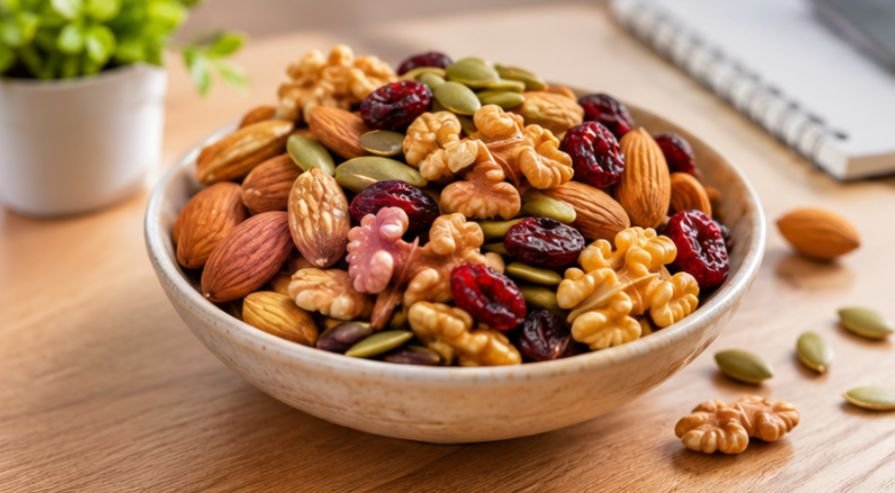
Walnuts contain alpha-linolenic acid (ALA), a plant-based omega-3 fatty acid, alongside polyphenols and fiber.
Keep a one-ounce serving in a sealed container. Pair it with an apple for a snack offering healthy fats and fiber.
2. Almonds and Pistachios for a Satisfying Crunch
Almonds supply vitamin E, an antioxidant that protects cells from oxidative damage. Pistachios provide protein, fiber, and beneficial plant compounds. Choose unsalted or lightly salted varieties, especially if you’re monitoring sodium intake.
3. Roasted Chickpeas Instead of Potato Chips
Chickpeas provide plant protein and fiber, making them a practical alternative to conventional chips.
Look for dry-roasted varieties with simple seasonings and moderate sodium. Homemade versions can be flavored with cumin, smoked paprika, or garlic.
4. Dry-Roasted Edamame for Extra Protein
Roasted soybeans deliver substantial plant-based protein, fiber, and naturally occurring isoflavones.
They’re particularly useful when lunch is delayed and you need something more filling than crackers. Check labels for added oils and salt.
5. Dark Chocolate for Polyphenols
Cocoa contains flavanols, plant compounds studied for their antioxidant and cardiovascular effects.
Choose dark chocolate with approximately 70% cacao or higher and enjoy a small portion. Higher cacao percentages don’t guarantee a specific flavanol content, and chocolate still contributes calories and saturated fat.
6. Apples, Clementines, and Bananas
Whole fruits offer fiber, vitamins, and protective plant compounds without complicated preparation.
Apples contain polyphenols, clementines provide vitamin C, and bananas supply potassium.
Store whole, uncut fruit at your desk for convenient access. Refrigerate cut fruit promptly.
7. Pumpkin Seeds and Sunflower Seeds
Seeds are compact, convenient sources of unsaturated fats, minerals, and protein. Pumpkin seeds provide magnesium and zinc, while sunflower seeds contribute vitamin E.
Portion them into small containers rather than eating directly from a large package. Unsalted varieties are usually the better everyday choice.
8. Seaweed Snacks for a Light, Savory Bite
Roasted seaweed sheets contain minerals and provide a crisp alternative to salty snack foods. However, seaweed alone isn’t particularly filling because typical portions contain little protein or fiber.
Its iodine content also varies considerably. People with thyroid disorders should be cautious about frequent consumption of iodine-rich seaweed products.
9. Turmeric-Spiced Nuts
Turmeric contains curcumin, a compound investigated for anti-inflammatory properties.
Try almonds or cashews seasoned with turmeric and black pepper. They offer flavor without relying on sugary coatings.
Remember that the amount of curcumin in a typical snack is unlikely to reproduce effects observed in concentrated-supplement studies.
Better Options When Your Office Has a Refrigerator
Access to refrigeration expands your choices considerably.
10. Greek Yogurt With Berries
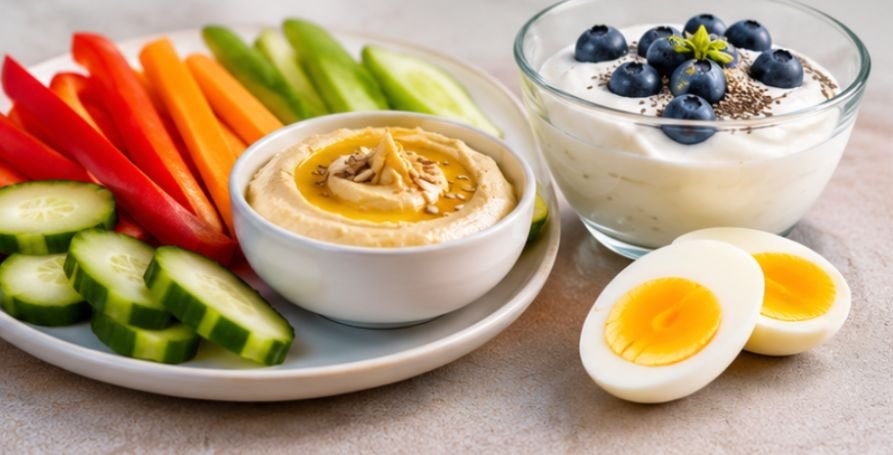
Plain Greek yogurt provides protein, while blueberries and strawberries contribute polyphenols. Some yogurts contain live cultures that may support gut health. Add hemp hearts for healthy fats and additional protein.
11. Hummus With Colorful Vegetables
Hummus combines chickpea fiber with unsaturated fats from tahini.
Pair it with bell pepper strips, cucumber slices, or baby carrots for extra crunch and nutrients. Choose refrigerated portions that are easy to transport.
12. Hard-Boiled Eggs
Eggs deliver complete protein, choline, and essential vitamins.
Although they aren’t uniquely anti-inflammatory, they can help create a balanced snack when combined with vegetables or whole-grain crackers.
How to Build a Snack That Keeps You Full
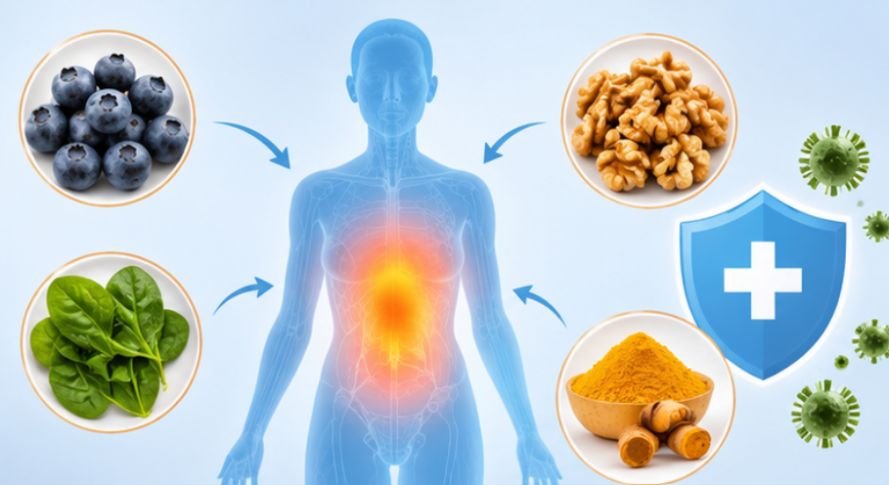
One of the most useful approaches is combining two complementary foods rather than relying on a single ingredient.
The USDA’s Healthy Snacking With MyPlate guidance encourages combining food groups and selecting nutrient-dense options with limited added sugars, saturated fat, and sodium.
Try this simple formula:
Fiber-rich food
Fruit, vegetables, whole grains
Protein or healthy fat
Nuts, seeds, beans, yogurt
A more satisfying workday snack
For example, combine apple slices with almond butter, roasted chickpeas with clementines, or Greek yogurt with berries.
These combinations provide a broader mix of nutrients and may support satiety better than a sugary snack eaten alone.
Since fiber-rich foods such as fruits, vegetables, and beans also contribute to digestive health, understanding the signs of poor gut motility vs. constipation can offer useful context when evaluating changes in bowel habits and digestive comfort.
Choosing nutritious desk snacks is one small part of maintaining your well-being during sedentary work. You can explore more healthy habits for people who sit all day to incorporate simple movement, better routines, and practical lifestyle changes into your workday.
Common Mistakes That Undermine Healthy Snacking
Even nutritious foods can become less helpful when portions or preparation methods are overlooked.
- Large trail-mix bags can encourage mindless eating. Pre-portion nuts and dried fruit.
- Sweetened yogurt may contain substantial added sugar. Start with plain yogurt and fresh fruit.
- Flavored roasted legumes may be heavily salted. Compare nutrition labels.
- Expensive inflammation-focused products aren’t necessarily superior to ordinary whole foods.
Most importantly, remember that no individual snack treats chronic inflammation. Sleep, physical activity, smoking, existing medical conditions, and the overall dietary pattern also matter.
Alongside balanced nutrition, maintaining a consistent sleep routine is another important part of supporting overall well-being. Explore these healthy evening habits for better sleep for practical ways to improve your nighttime routine and support better rest.
Frequently Asked Questions
1. What are the best anti-inflammatory snacks without refrigeration?
Walnuts, almonds, roasted chickpeas, pumpkin seeds, whole apples, and unsweetened dried fruit are convenient shelf-stable choices.
2. Can eating anti-inflammatory snacks reduce belly fat?
No snack specifically targets belly fat. A balanced diet that supports healthy calorie intake, adequate protein, and fiber may help with weight management over time.
3. Is dark chocolate an anti-inflammatory food?
Cocoa contains antioxidant flavanols, but their concentrations vary. Small portions of dark chocolate can fit into a balanced diet without being considered a treatment for inflammation.
4. How often should I snack during work?
Snack when you’re genuinely hungry rather than following a rigid schedule. Portion size and overall daily nutrition matter more than eating at fixed intervals.
Small Desk Changes, Lasting Health Benefits
Your office drawer probably won’t determine your health, but the decisions you repeat there can become meaningful habits.
Start with two affordable staples, such as walnuts and roasted chickpeas, then add whole fruit when possible. If refrigeration is available, rotate in yogurt, hummus, and vegetables for additional variety.
I prefer this practical approach because it doesn’t depend on expensive ingredients, strict rules, or complicated preparation. It simply makes the more nutritious choice easier to reach.
The smartest desk snack isn’t the one promising dramatic results. It’s the one you enjoy, can store safely, and will consistently choose instead of a less nourishing alternative.