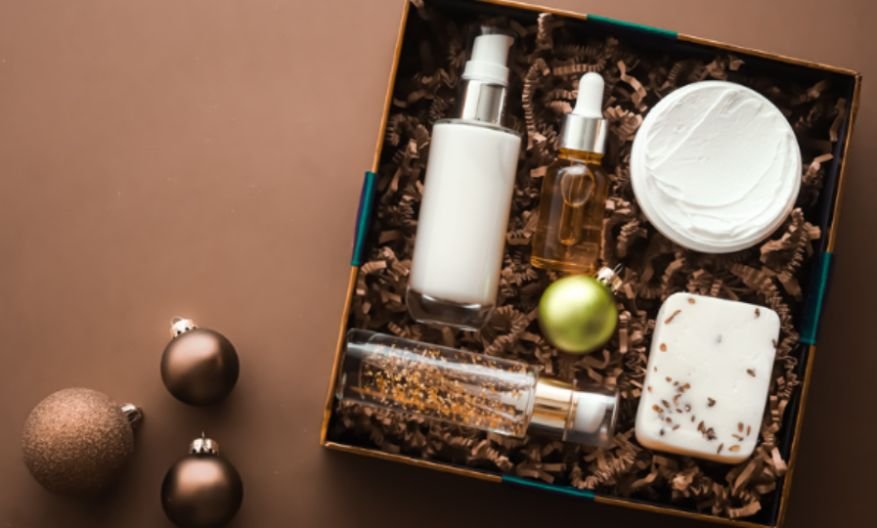
I understand the appeal of opening a package filled with beauty discoveries. What makes me hesitate is the recurring charge attached to that excitement. Before subscribing, I ask myself: are beauty subscription boxes worth the monthly expense? My answer depends on what gets used, what replaces another purchase, and what the subscription actually costs.
A box can offer affordable experimentation. It can also become a steady stream of products that never earn space in your routine. Here is how to judge the difference before another renewal arrives.
When Beauty Boxes Are Worth Paying For
Beauty boxes can be worthwhile when the products suit your preferences, you use them regularly, and the total charge fits your budget. They are less compelling when unwanted shades, duplicate products, or tiny samples dominate the delivery.
Discovery has value, too. Trying something unfamiliar without purchasing a full bottle can be enjoyable. Just treat that enjoyment as entertainment spending rather than automatically counting it as savings.
The question is whether you would choose the useful contents over spending the same amount elsewhere.
Calculate the Real Monthly and Annual Cost

Start with the regular renewal price, rather than the introductory offer. Then check shipping, handling charges, applicable sales tax, and optional upgrades.
For a hypothetical subscription charging $25 plus $3 shipping, the monthly total is $28 before tax. Twelve deliveries would cost $336.
An annual plan may reduce the price per box, but it requires more money upfront. Compare the total commitment, refund policy, and cancellation terms before choosing it.
Keep shopping extras separate. Adding a discounted serum or bonus bundle still increases your spending, even when the individual offer looks attractive.
Monthly Billing Does Not Always Mean Monthly Delivery
Some boxes arrive seasonally, while other plans collect payment upfront for several deliveries. Compare both billing frequency and delivery frequency.
A hypothetical $72 quarterly box averages $24 per month for budgeting, but the actual charge arrives as $72. Reserve money accordingly so renewal does not disrupt other expenses.
Compare Advertised Value With Useful Value
A box advertised as containing $150 worth of products is not automatically a $125 saving when it costs $25. That comparison assumes every item is useful and you would otherwise buy everything at the stated price.
Instead, identify products that meet an actual need. Compare their prices with what you would realistically pay at Target, Ulta Beauty, Sephora, or your usual drugstore.
If you normally buy a $12 moisturizer, receiving a luxury moisturizer listed at $60 does not necessarily save you $60. Your avoided purchase might be only $12.
The same value-based approach applies to fragrance purchases, so consider whether refillable perfumes are worth the upfront cost by comparing refill savings with the actual amount you expect to use.
Calculate Cost per Used Product
Divide the total delivered cost by the number of products you actually use.
If a $30 box contains six items but only three become part of your routine, the cost per used product is $10. If only one works for you, it is $30.
This measure helps answer are beauty subscription boxes worth the monthly expense? without relying on inflated impressions of value. However, consider product quantities and quality, too: a small sample and a full-size staple are not equivalent.
Check Sample Sizes Fairly
Suppose a 50-milliliter moisturizer costs $40. A 10-milliliter sample contains one-fifth of the quantity, giving it an approximate proportional retail value of $8.
That calculation is a reference point, not guaranteed savings. You might prefer buying a smaller product outright or getting a sample before committing.
Match the Box to Your Actual Routine
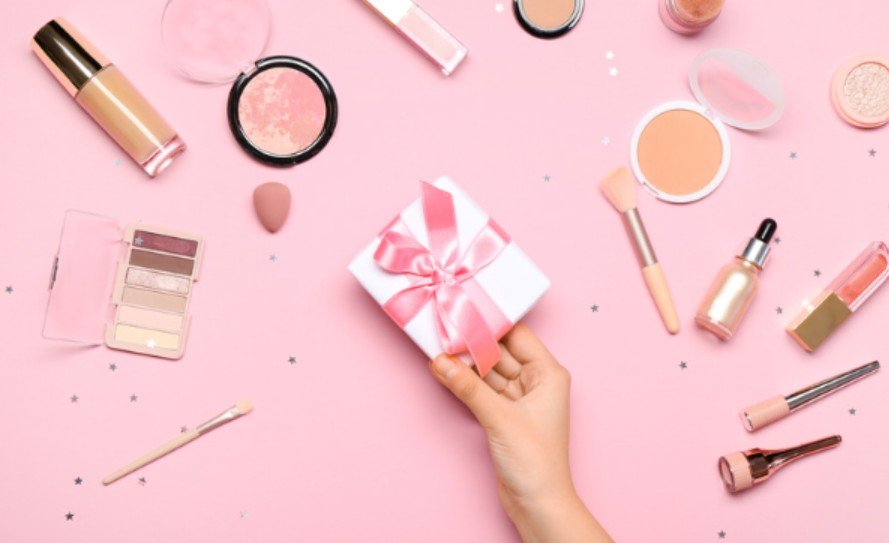
Choose categories you already enjoy. A makeup-heavy subscription may disappoint someone who mainly wants fragrance-free skincare. A skincare box may overwhelm someone with an established routine.
Review recent box contents, product sizes, customization options, and shade-selection rules. Read what personalization actually controls instead of assuming a quiz guarantees suitable products.
Full-size products offer more quantity but can also create a bigger backlog. Samples may suit occasional experimentation or travel. Neither format wins automatically.
Also check how often products repeat. Receiving another cleanser is useful only if you can finish it.
Check Renewal and Cancellation Rules
Before entering payment details, confirm when the first charge occurs and whether the displayed offer renews at a higher price. Check the deadline for skipping a delivery, whether prepaid subscriptions are refundable, and whether cancelling stops future renewals or remaining shipments. These conditions vary by service.
Save your confirmation and set a reminder before the relevant deadline. If returns are restricted, assume an unsuitable product could remain your responsibility. Avoid choosing an annual commitment solely because the monthly equivalent looks cheaper.
Run a Three-Delivery Value Check
For three deliveries, record the total charge, products received, products used, and purchases each box replaced. Track extras bought through subscriber promotions as well.
Consider this hypothetical example: three $30 deliveries cost $90. If they replace $45 of planned purchases, the remaining $45 pays for experimentation and enjoyment. That may feel worthwhile, but it is not a $45 saving.
You can apply the same spending analysis to fragrance purchases by comparing luxury and affordable perfumes based on their actual quality, price, and value rather than relying on brand prestige alone.
Decide whether that experience deserves room in your budget.
If subscription deliveries are adding to an already crowded beauty collection, consider how to plan a beauty no-buy month to use existing products and regain control of your spending.
Pause when unopened products accumulate. Check your bathroom shelves before ordering anything else to avoid unnecessary duplicates. Alternatives include a one-time discovery kit, a carefully chosen travel size, or saving the same amount toward a product you already want.
Frequently Asked Questions
1. For beginners, are beauty subscription boxes worth the monthly expense?
They can be when suitable products support affordable discovery within a planned budget.
2. Are full-size boxes always better value?
No. Quantity matters less when products go unused or duplicate existing supplies.
3. Does cancelling guarantee a refund?
No. Check the specific plan’s cancellation and refund conditions before paying.
Make Every Beauty Dollar Count
I would judge a subscription by what improves my routine, not the number printed on its value card. A good box can make experimentation enjoyable; an unsuitable one simply adds another bill.
My approach is simple: calculate the full cost, track actual use, and reconsider before renewal. When the enjoyment and useful products justify the charge, keep it. When they do not, redirect that money toward beauty purchases you choose confidently.