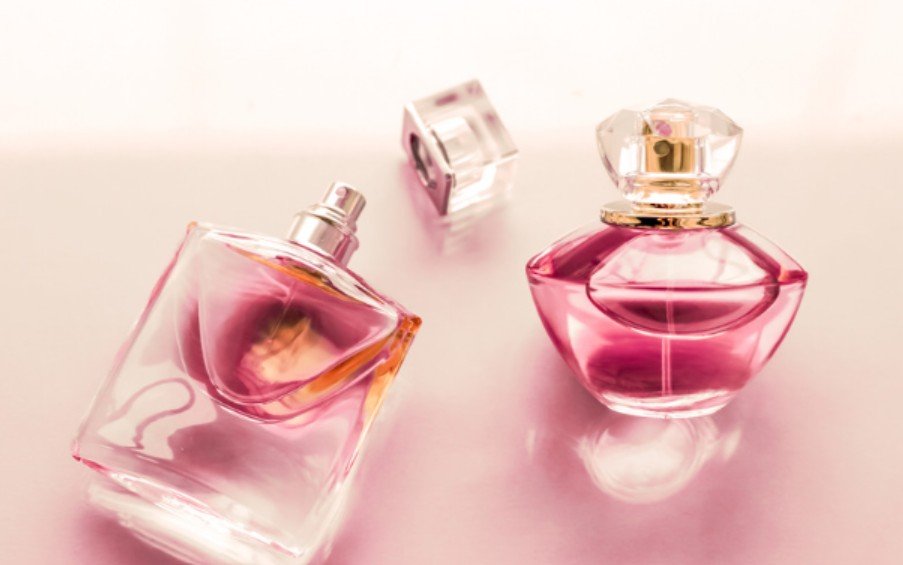
I love finding a fragrance that feels personal, but a beautiful bottle can make its price surprisingly persuasive. Before spending more, I want to know whether I am paying for a scent I enjoy, impressive presentation, or a recognizable name. That is why luxury vs. affordable perfume: understanding the price difference starts with separating purchase price from everyday value.
The short answer: perfume prices reflect formulation, materials, development, packaging, production scale, distribution, and brand positioning. A higher price can buy something special, but it cannot guarantee that you will prefer the fragrance or wear it more often.
What Actually Determines a Perfume’s Price?
Ingredients and Formula Development
Some fragrance materials cost more because they require demanding cultivation, extraction, or processing. Ingredient quality and availability can also vary. However, a prestigious name or an evocative note description does not reveal a formula’s actual ingredient budget.
Perfumer expertise matters, too. Creating balance and refining a formula takes skill. Still, talented perfumers work across price points, and a simple composition can be intentional rather than evidence of poor craftsmanship.
Packaging, Marketing, and Retail Costs
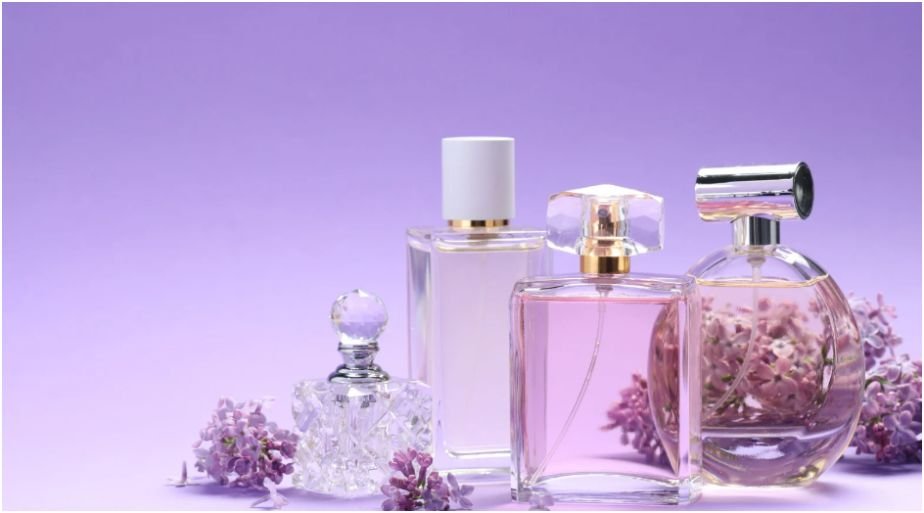
Custom glass, elaborate caps, decorative boxes, advertising, and retail distribution all contribute to the final price. These features may enhance ownership or gifting, even though they do not directly improve the fragrance on your skin.
For shoppers browsing department stores, prestige boutiques, or beauty chains, presentation is part of the experience. Decide how much that experience matters before allowing a striking display to determine your budget.
Production Scale and Brand Positioning
Larger production runs can spread development and manufacturing expenses across more bottles. Smaller runs may have higher costs per unit, although limited availability alone does not prove superior quality.
Brands also set prices around their audience, reputation, and desired market position. Designer, niche, and luxury are overlapping descriptions, so none should replace evaluating the individual perfume.
What Can Luxury Perfume Offer?

A premium bottle may offer an unusual composition, a particular ingredient effect, distinctive packaging, or an experience you struggle to find elsewhere. Those differences can justify paying more when they match your preferences.
However, complexity is not everyone’s goal. You might prefer a straightforward citrus fragrance for work over a dramatic scent that changes throughout the evening. A fragrance does not need constant evolution to be enjoyable.
When considering luxury vs. affordable perfume: understanding the price difference, ask what specific benefit you notice. If you cannot identify one after sampling, the higher price may add little personal value.
Before paying extra for a premium fragrance, learning how to stop overspending on beauty products can help you distinguish worthwhile upgrades from purchases driven mainly by branding or attractive packaging.
Where Affordable Perfumes Can Deliver Value
Affordable fragrances can provide satisfying scents with practical packaging and accessible replacement costs. They can also make experimentation easier when you are learning whether you prefer florals, woods, musks, or sweeter compositions.
If you already own several fragrances, taking time to plan a beauty no-buy month can help you appreciate what you have, avoid unnecessary purchases, and decide which scents genuinely deserve a place in your collection.
Synthetic materials are not automatically inferior. Both premium and affordable perfumery can use them, and their presence does not establish whether a fragrance smells pleasant or feels well balanced.
Also distinguish an affordable original from an inspired-by fragrance and a counterfeit. An inspired-by product uses its own branding; a counterfeit falsely presents itself as another brand’s product. Price comparisons should not blur those differences.
Does Expensive Perfume Always Last Longer?
No. Price alone cannot predict longevity, projection, or how a fragrance develops. Composition, application, skin, and conditions all affect the experience.
Concentration labels provide useful context, but they are not price categories. Affordable eau de parfum exists, while expensive eau de toilette exists. Different versions of a fragrance can also have different formulas rather than simply different dilution levels.
Compare similar formats where possible. Avoid assuming that a heavier scent, stronger opening, or longer trail automatically represents better quality. Sometimes a softer fragrance is exactly what an office or close setting calls for.
How to Compare Perfume Prices Fairly
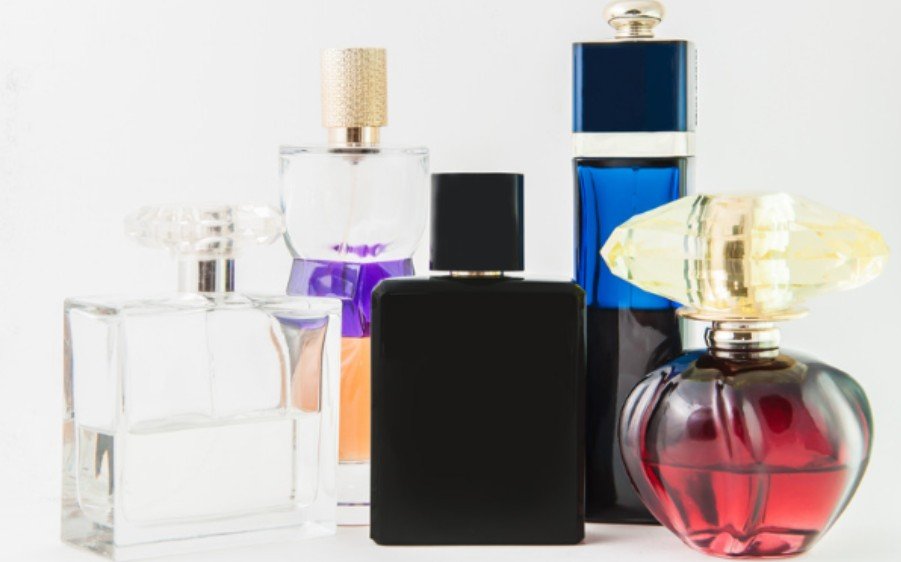
Start With Equal Bottle Sizes
Divide the price by the volume. A hypothetical $120 bottle containing 60 milliliters costs $2 per milliliter. A $90 bottle containing 30 milliliters costs $3 per milliliter, despite its lower checkout price.
Check the exact size and concentration, then include sales tax and shipping in your spending decision. A larger bottle offers value only if you expect to use it.
Calculate Realistic Cost Per Wear
Divide the purchase price by your expected number of wears. Hypothetically, a $150 bottle used 300 times costs $0.50 per wear. A $40 bottle used 40 times costs $1 per wear.
These examples assume the stated usage; they do not predict bottle life. Sprays per application, atomizer output, and reapplication affect consumption. Count likely use rather than imagining unlimited future occasions.
Sample Before Buying
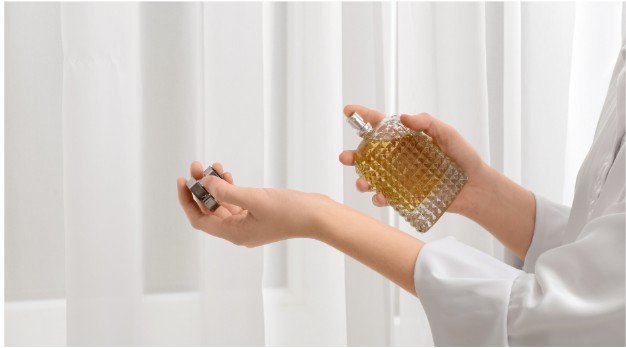
Try a sample on separate days and note your impressions shortly after application, later in the day, and before reapplying. Keep conditions reasonably similar when comparing fragrances.
Record enjoyment, comfort, scent development, and whether performance suits your needs. Check return policies before buying, especially for opened products. Include discovery-set costs and any redemption conditions when comparing the final expense.
Before shopping, set a maximum bottle budget and a separate sampling allowance. Compare the regular price with the actual checkout total, and avoid adding unwanted items merely to qualify for free shipping. A sale is useful when it lowers the cost of something you already planned to buy and enjoy.
Before shopping, it’s worth learning how to set a realistic fragrance spending limit so you can compare the regular price with the actual checkout total and avoid adding unwanted items merely to qualify for free shipping.
Frequently Asked Questions
1. What is the takeaway from luxury vs. affordable perfume: understanding the price difference?
Evaluate the scent, actual use, and total cost rather than treating price as proof of quality.
2. Are affordable perfumes always weaker?
No. Performance varies by fragrance, formulation, application, and wearing conditions.
3. Should beginners buy a full luxury bottle?
Sampling first helps establish preferences before committing to a larger purchase.
My Final Take
I would save on a fragrance I enjoy casually and consider splurging on one I repeatedly love wearing. My decision would follow sampling, a realistic budget, and an honest estimate of use. The best purchase leaves me happy with both the scent and the money spent.