A natural plant compound may help reduce blood sugar spikes after eating, but its benefits come with important limitations. If you are wondering does berberine lower blood sugar after meals, research suggests that it can, particularly in people with type 2 diabetes or insulin resistance.
Clinical studies have reported improvements in post-meal glucose, fasting blood sugar, and HbA1c levels. However, berberine is not an instant glucose blocker, and results vary significantly between individuals.
Understanding how this supplement works, when its effects appear, and who should avoid it can help you make a safer, more informed decision.
How Berberine Helps Control Post-Meal Glucose
Berberine is a naturally occurring compound found in plants such as barberry, goldenseal, and Oregon grape.
Researchers believe its potential glucose-lowering benefits involve several biological pathways rather than a single mechanism.
Activating the Body’s Energy-Regulating System
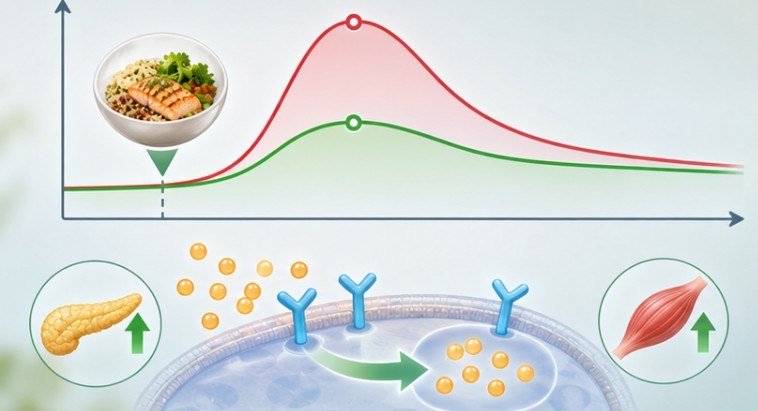
One proposed mechanism involves AMP-activated protein kinase, commonly called AMPK. This enzyme helps cells regulate energy use and influences glucose metabolism. Laboratory research suggests berberine can activate AMPK-related pathways, potentially supporting glucose uptake and insulin sensitivity.
However, these mechanisms do not establish exactly how much blood sugar will fall in an individual taking a supplement.
Improving Insulin Sensitivity
Insulin resistance makes it difficult for cells to respond effectively to insulin. Clinical research suggests berberine may improve certain measures of insulin resistance, helping the body manage circulating glucose more efficiently. This could contribute to better blood sugar control after carbohydrate-containing meals.
Influencing Glucose Production and Digestion
Berberine may also affect glucose production in the liver and processes involved in intestinal glucose absorption.
Some experimental studies suggest additional effects on gut bacteria and carbohydrate metabolism.
These possibilities remain under investigation, and researchers have not established which mechanisms contribute most to its benefits in humans.
What Clinical Studies Actually Reveal
Scientific evidence provides a stronger answer to does berberine lower blood sugar after meals than supplement advertising.

A Three-Month Trial Found Meaningful Improvements
A 2008 study published in Metabolism examined berberine in adults with type 2 diabetes.
In one randomized comparison involving 36 participants, the berberine group experienced reductions in several important measures over three months.
Average post-meal glucose decreased from approximately 357 mg/dL to 199 mg/dL, while HbA1c declined from approximately 9.5% to 7.5%.
Researchers also observed glucose improvements in participants receiving berberine alongside existing diabetes treatments.
The original clinical study reported glucose-lowering effects comparable to metformin within its small treatment comparison.
However, this was a pilot study, not sufficient evidence that berberine can replace prescription medication.
Larger Reviews Offer Encouraging but Limited Evidence
A 2023 systematic review and meta-analysis examined 20 randomized trials involving 1,761 participants.
Across four studies involving 501 participants, berberine reduced two-hour postprandial glucose by an average of approximately 33 mg/dL compared with control groups.
The published research review also identified improvements in fasting glucose, HbA1c, and insulin resistance measures.
Importantly, these results represent group averages rather than guaranteed individual outcomes.
The National Institutes of Health also highlights limitations involving study quality, participant populations, and inconsistent results in its review of diabetes supplements.
When Should Berberine Be Taken for Blood Sugar?
Some clinical trials administered berberine at the beginning of meals, while other guidance suggests taking it with food to improve digestive tolerability.
However, researchers have not established one universally superior schedule for controlling post-meal glucose.
In the 2008 clinical study, participants received 500 mg three times daily at the beginning of major meals.
That was a research protocol, not a personalized dosing recommendation.
The available evidence also does not prove that taking berberine immediately before one carbohydrate-heavy meal will prevent a glucose spike.
Its benefits have generally been assessed through consistent use over several weeks.
Anyone considering supplementation should first discuss medication interactions, appropriate dosing, and monitoring with a healthcare professional.
How to Tell Whether Your Post-Meal Blood Sugar Is Improving
Instead of relying on symptoms or supplement claims, use measurable glucose patterns to understand what happens after eating.
For people already advised to monitor glucose, a simple tracking method can reveal useful information.
Step 1: Establish Your Usual Readings
Check blood glucose before eating and again one to two hours after the meal begins, following your clinician’s instructions.
Record the meal, approximate carbohydrate portions, medications, and physical activity.
Step 2: Compare Similar Meals
Compare readings from similar breakfasts or lunches rather than completely different meals.
For example, a breakfast containing oatmeal and fruit may produce a different response than eggs and whole-grain toast.
Consistency makes glucose patterns easier to interpret.
Step 3: Look Beyond a Single Number
Imagine your glucose measures 118 mg/dL before lunch and 172 mg/dL two hours afterward.
The increase is 54 mg/dL, but that difference alone cannot determine whether your diabetes treatment is adequate.
Review repeated readings, individualized targets, and HbA1c results with your healthcare team.
Do not start, stop, or change berberine or diabetes medication doses simply to conduct a home experiment.
Practical Ways to Reduce After-Meal Blood Sugar Spikes
Berberine is only one possible consideration. Several established lifestyle strategies can improve glucose management without introducing supplement-related drug interactions.
Build Meals Around Fiber and Protein
Combine carbohydrate-containing foods with vegetables, beans, lean protein, and other fiber-rich ingredients.
For example, replacing a large serving of white rice with a smaller portion alongside grilled chicken and vegetables may help moderate glucose exposure.
Carbohydrate quantity remains important, even when choosing nutritious foods.
Walk After Eating
A short walk after a meal encourages muscles to use circulating glucose.
Start with approximately 10 minutes of comfortable walking after dinner, adjusting activity to your health and mobility.
People taking glucose-lowering medications should understand their personal risk of exercise-related hypoglycemia.
Prioritize Long-Term Consistency
Regular physical activity, appropriate portions, adequate sleep, and prescribed diabetes treatment generally matter more than any individual supplement.
These habits also support cardiovascular and metabolic health beyond a single post-meal reading.
Important Berberine Side Effects and Safety Concerns

Although berberine is plant-derived, natural does not automatically mean harmless. Common adverse effects include nausea, abdominal discomfort, constipation, bloating, and diarrhea.
Berberine may also interact with prescription medications, including certain diabetes treatments and drugs affected by metabolic enzymes or transport proteins.
Combining glucose-lowering treatments without medical supervision can increase the risk of hypoglycemia. Berberine should be avoided during pregnancy and breastfeeding and should not be given to infants.
Another concern is supplement quality. The US Food and Drug Administration does not approve dietary supplements for safety and effectiveness before they reach consumers.
Independent quality testing can provide additional reassurance about product contents, but it cannot prove clinical effectiveness.
Frequently Asked Questions
1. Does berberine lower blood sugar after meals immediately?
Not reliably. Studies suggest improvements may appear during the first weeks of regular use, but evidence does not establish berberine as an immediate treatment for individual glucose spikes.
2. How much can berberine reduce post-meal glucose?
A meta-analysis reported an average reduction of approximately 33 mg/dL in two-hour post-meal glucose across four trials. Individual responses can vary substantially.
3. Can berberine replace metformin?
No. Although some small trials found comparable glucose improvements, evidence is insufficient to recommend replacing prescribed metformin with berberine.
4. Is berberine suitable for people without diabetes?
Benefits in people with normal glucose levels are less certain. Supplementation may provide little meaningful advantage and still introduces potential side effects and medication interactions.
The Bigger Picture: Better Glucose Control Takes More Than One Supplement
Berberine has legitimate scientific interest behind it, particularly for improving glucose regulation in people with type 2 diabetes. Yet promising results from clinical trials should not be confused with proof that every supplement works equally well or safely.
The most useful approach begins with understanding your actual blood sugar patterns, reviewing your medications, and building sustainable eating and activity habits.
If your glucose remains elevated after meals, discuss the pattern with your healthcare professional before introducing berberine.
Ultimately, controlling blood sugar is not about finding a supplement that eliminates every spike. It is about improving metabolic health safely and consistently.