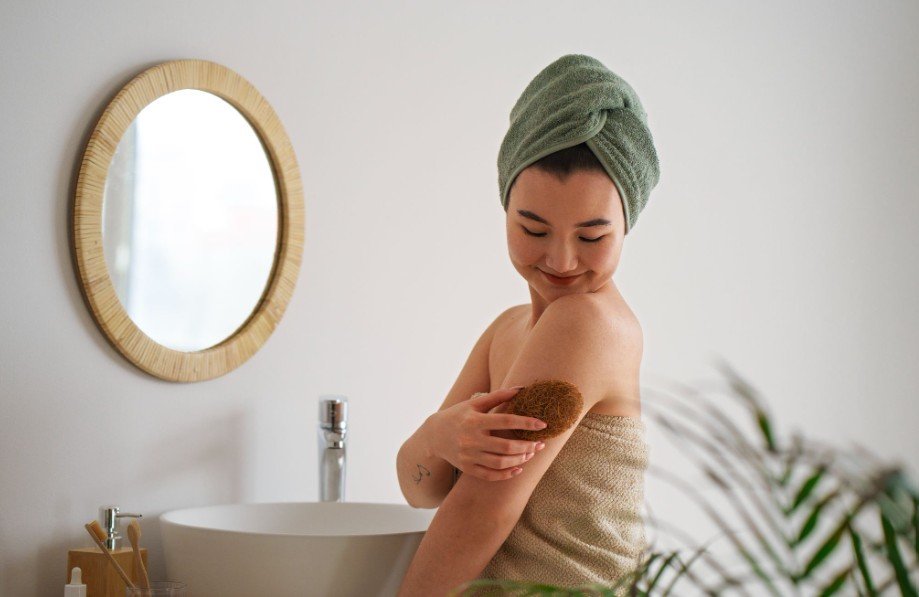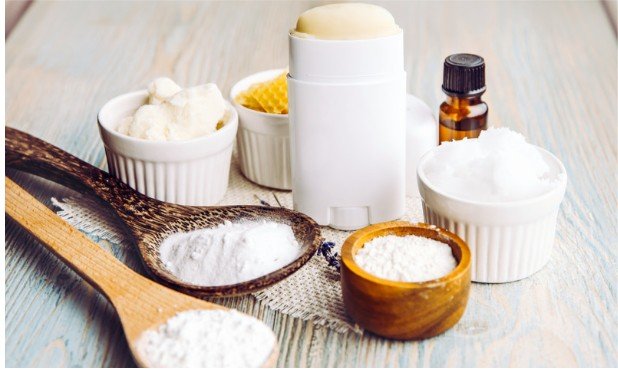

Winter has a way of exposing every weakness in my skincare habits. Cold outdoor air, low humidity, harsh wind, and forced-air heating can leave my arms and legs flaky even when I apply lotion every day. Hot showers may add to the problem by removing the oils that naturally protect my skin.
I have learned that an effective body care routine for dry skin in winter needs two things: hydrating layers and a reliable moisture lock. Instead of relying on one lightweight lotion, I cleanse gently, apply moisturizer while my skin is damp, and seal especially dry areas with oil or ointment. This approach helps protect the skin barrier without making the routine unnecessarily complicated.
Why Does Body Skin Become Dry and Itchy in Winter?
Cold air generally contains less moisture than warm air. Indoor heating can make conditions even drier, particularly in American homes that use central heating throughout the season. Understanding the relationship between heat and health is important because heated indoor air can increase moisture loss from the skin, making its protective barrier less effective.
Long showers, hot water, rough scrubs, and heavily fragranced cleansers can accelerate that moisture loss. The first signs often include tightness, ashiness, itching, and rough texture. If I ignore those symptoms, I may eventually notice cracking around my hands, heels, knees, and elbows.
The solution is not simply applying more product. I also need to reduce the habits that strip natural skin oils.
Step 1: Wash Dry Skin Gently
I keep winter showers between five and ten minutes and use lukewarm water instead of hot water. A steaming shower feels comforting after a cold commute, but it can leave dry skin feeling tighter once the water evaporates.
During winter, I switch to a sulfate-free, non-foaming body wash or a gentle soap-free cleanser. I prefer fragrance-free products containing glycerin, ceramides, colloidal oatmeal, shea butter, or mild plant oils.
Knowing whether essential oils are safe in clean beauty products is especially important during winter, when dry, cracked, or sensitive skin may react more easily to fragranced oils.
These ingredients make cleansing more comfortable without relying on aggressive lather.
I also avoid washing my entire body repeatedly. On days when I shower after exercising, I focus cleanser on areas that collect sweat, oil, sunscreen, or odor.
Step 2: Exfoliate Flaky Skin Once a Week
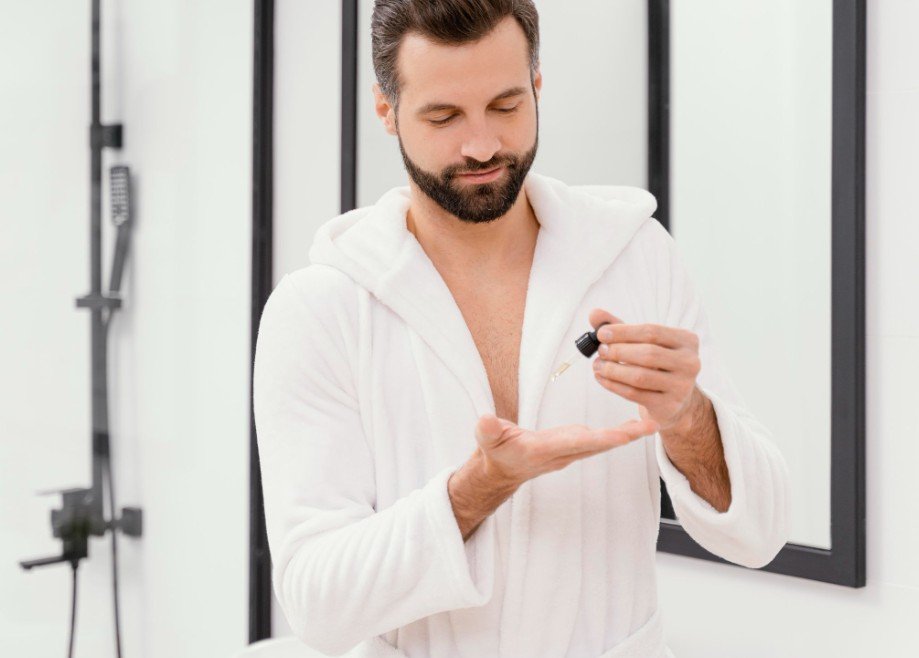
Dry flakes can prevent moisturizer from spreading evenly, but aggressive scrubbing may compromise the moisture barrier. I avoid jagged salt, sugar, or nut-shell scrubs, along with rough loofahs and stiff brushes.
Instead, I exfoliate once a week with a gentle chemical exfoliant. Lactic acid works particularly well for winter body care because it loosens dead skin cells while acting as a humectant. Urea can also smooth thick, rough areas and support hydration.
I never exfoliate skin that feels raw, inflamed, cracked, or painful. When irritation appears, I pause active ingredients and return to gentle cleansing and moisturizing until the area feels comfortable again.
Step 3: Leave the Skin Slightly Damp
After showering, I pat my body gently instead of rubbing it with a towel. I remove dripping water but leave a light layer of dampness on the skin.
I apply my first moisturizing product within three minutes of leaving the shower. This timing matters because a moisturizer can help trap surface water before it evaporates. Waiting until my arms and legs feel completely dry makes it harder to replace the lost hydration.
Step 4: Apply Hydrating Products From Lightest to Thickest
If my skin feels dehydrated, I begin with a lightweight body serum containing glycerin, hyaluronic acid, beta-glucan, or another humectant. These ingredients attract water, but they need a richer product over them to reduce evaporation.
I then apply a thick body cream containing ceramides, fatty acids, or shea butter. Following the best clean beauty routine for dry body skin can make winter layering more effective by combining gentle hydration, barrier-supporting ingredients, and a reliable moisture seal.
Ceramides support the protective barrier, while emollients fill the spaces between rough skin cells and create a smoother feel.
A body serum is optional. For mild dryness, applying a rich cream directly to damp skin may provide enough hydration. I reserve multiple layers for periods when central heating, freezing temperatures, or winter wind make my skin unusually dry.
Step 5: Seal Moisture With Body Oil
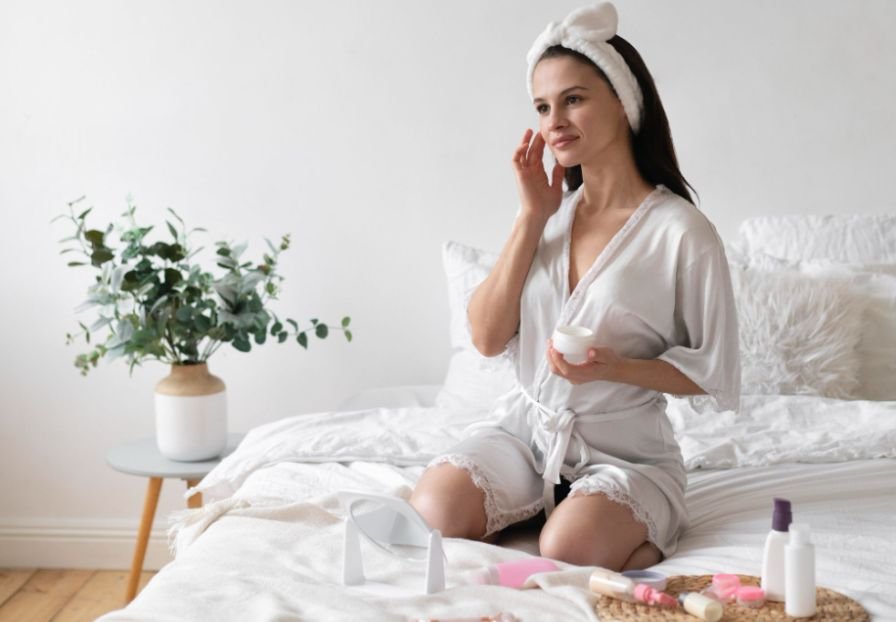
Body oil acts primarily as a moisture-sealing layer, so I apply it after my body cream rather than using it alone. A few drops over the legs, arms, or torso can help slow water loss and improve softness.
I use only enough oil to create a light protective finish. Applying too much can feel greasy and make bathroom flooring dangerously slippery. I apply it away from wet tile and allow it to settle before getting dressed.
If my skin is mildly dry, I may stop after the cream. If it feels moderately dry, I add oil. This adjustable approach keeps the routine practical rather than forcing every product into every shower.
Step 6: Treat Hands, Feet, Elbows, and Knees Separately
Some areas need more protection than the rest of the body. Frequent washing and hand sanitizer can leave hands particularly vulnerable, so I keep fragrance-free hand cream beside my kitchen and bathroom sinks. I reapply it after washing and wear gloves outdoors.
For rough elbows, knees, and heels, I use a thicker balm or petrolatum-based ointment. At bedtime, I may apply ointment to my feet and cover them with clean cotton socks. This overnight treatment keeps the product in place and gives severely dry areas more time to soften.
Step 7: Reduce Environmental Moisture Loss
A clean cool-mist humidifier can improve comfort when indoor heating dries the air. I follow the manufacturer’s cleaning directions because poorly maintained equipment can develop unwanted buildup. Managing outdoor and indoor heat environments also helps me reduce the sudden temperature changes that can leave dry skin feeling tight and uncomfortable.
I protect exposed skin from wind with gloves and comfortable clothing. When my arms, neck, or legs remain uncovered during daylight, I use broad-spectrum SPF 30 or higher. Winter clouds and colder temperatures do not eliminate ultraviolet exposure.
Which Winter Body-Care Mistakes Make Dryness Worse?
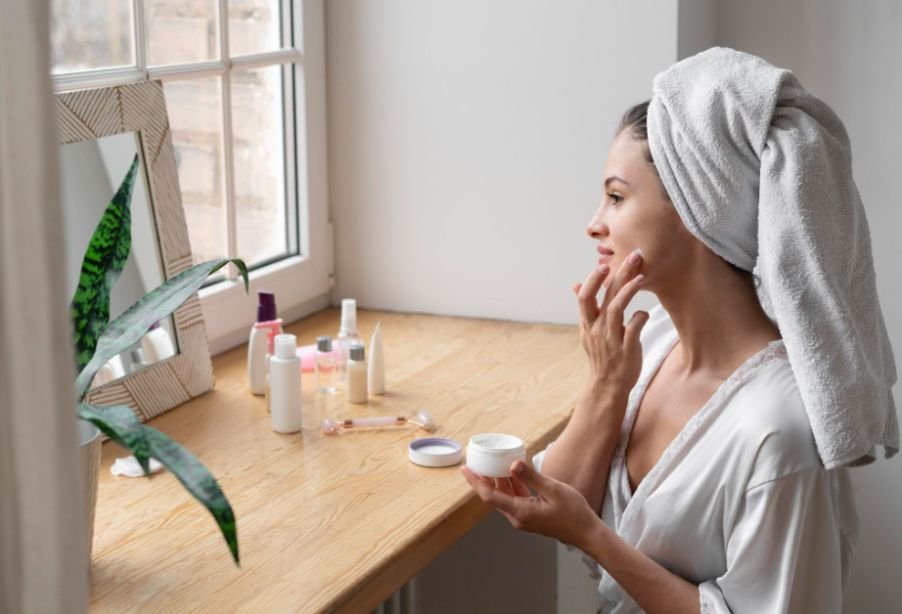
The most common mistake I make is turning up the shower temperature because the room feels cold. Other problems include scrubbing flakes aggressively, applying oil without a water-based moisturizer, using strongly fragranced products on irritated skin, and introducing several exfoliating acids at once.
Consistency matters more than intensity. A gentle routine used daily usually supports dry skin better than an occasional aggressive treatment.
Frequently Asked Questions
1. How often should I moisturize my body during winter?
I moisturize at least once daily and immediately after showering. I reapply cream to my hands, elbows, or other dry areas whenever tightness returns.
2. Is body cream better than lotion for dry winter skin?
Body cream usually contains more oil and has a thicker texture than lotion, making it more suitable for seasonal dryness. Very rough areas may benefit from a balm or ointment.
3. Can I use body oil without moisturizer?
Oil can reduce moisture loss, but it does not replace the water and humectants supplied by a lotion or cream. For better results, I apply moisturizer first and oil second.
4. How long does a body care routine for dry skin in winter take to work?
Comfort may improve after the first few applications, but roughness and barrier damage can take longer. If cracking, bleeding, severe itching, or a persistent rash continues, I consult a board-certified dermatologist.
A Softer Finish to Winter
I do not need an overflowing bathroom shelf to keep my skin comfortable during cold weather. Short lukewarm showers, a gentle body wash, weekly exfoliation, damp-skin moisturization, and a targeted moisture lock address the main causes of winter dryness.
I adjust the number of layers according to how my skin feels. Cream handles everyday dryness, oil adds protection when conditions become harsher, and ointment supports stubborn areas such as heels and knuckles. That flexible approach helps me maintain soft, comfortable skin through winter without over-treating it.