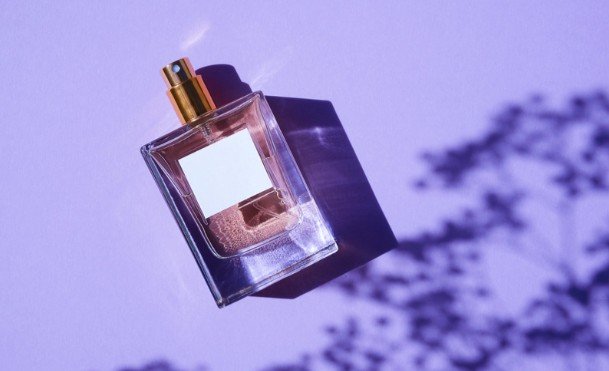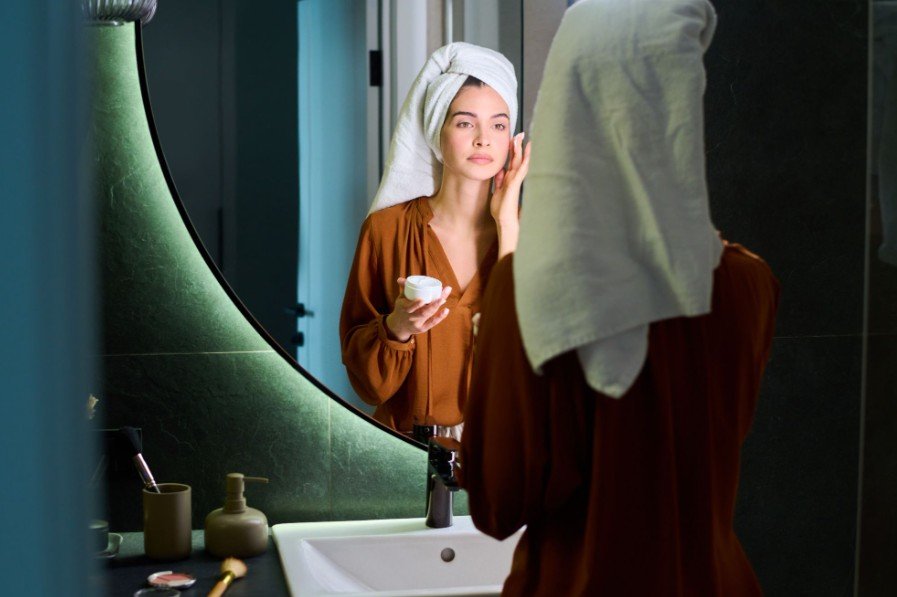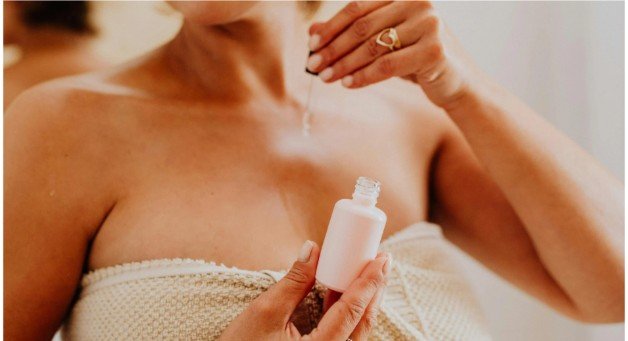
I used to think a perfume either lasted all day or it did not. If the scent disappeared by lunchtime, I blamed the bottle and reached for another spray. Over time, I noticed that my skin felt tight after showering, especially in colder weather, and fragrance seemed to fade faster on those days. Adding body lotion made my routine feel better, and it gave perfume a more comfortable place to settle.
I also found that a matching lotion was not always necessary. A rich vanilla cream could soften a bright floral perfume, while a fragrance-free moisturizer let a crisp citrus scent stay clear. The difference came from choosing products with intention instead of piling on whatever smelled good in the moment. Body lotion and perfume layering for long-lasting fragrance is less about using more product and more about building a balanced base that suits the weather, your skin, and your plans.
Why Moisturized Skin Helps Fragrance Wear
Dry skin can make fragrance feel as if it fades quickly. Lotion softens the skin and can make perfume more comfortable to wear, but it cannot guarantee extra hours. Longevity also depends on the formula, skin chemistry, temperature, and activity.
Think of lotion as a foundation, not a seal that traps scent indefinitely. Fragrance-free lotion lets perfume lead, while a compatible scented lotion can add a subtle trail. Matching products are an easy starting point, not a requirement.
A Simple Layering Routine That Works
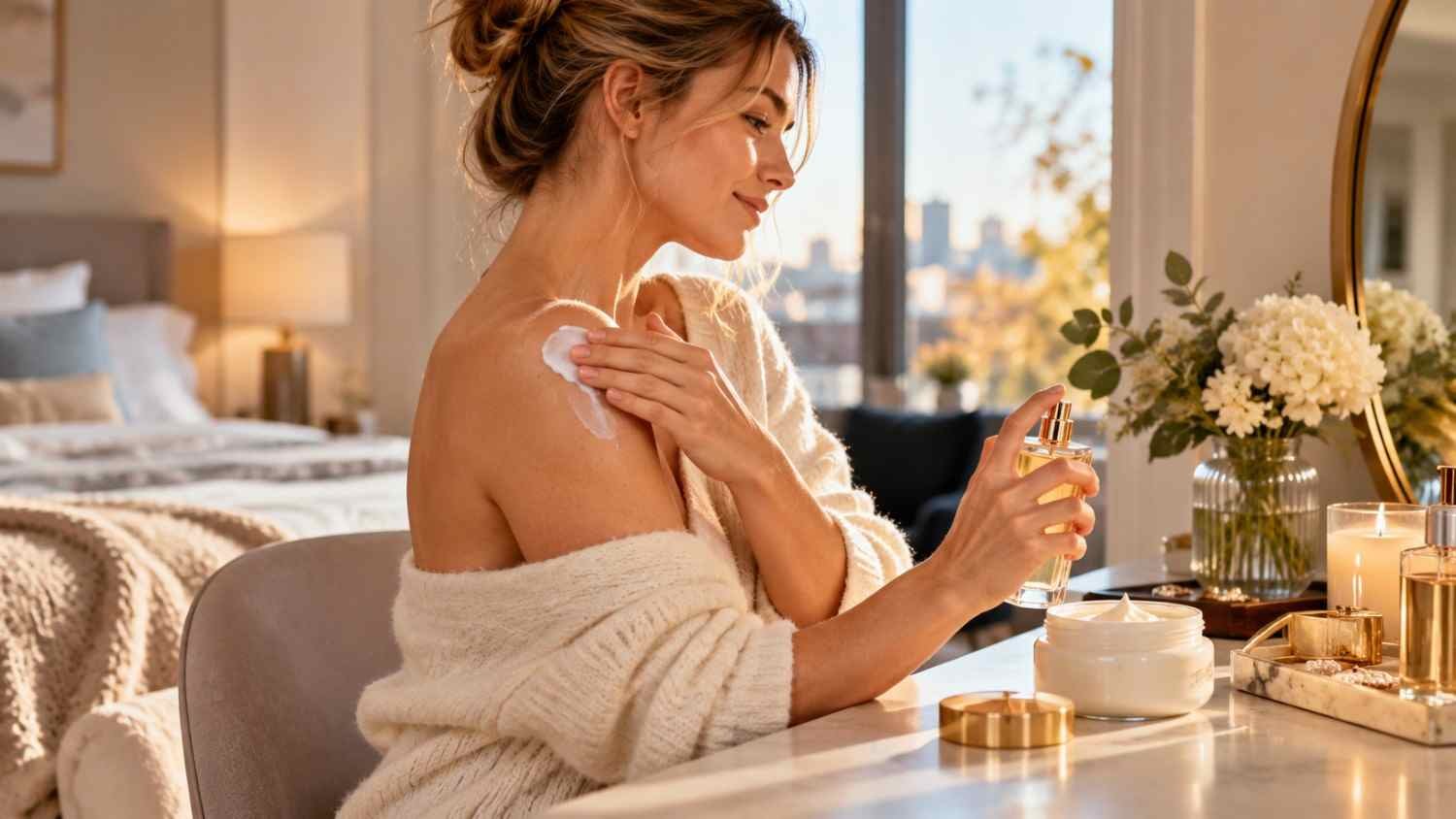
After a shower, pat skin dry and apply lotion while it is slightly damp. Let it absorb before spraying perfume; if skin still feels slick, wait a little longer.
Apply a modest amount of perfume to the neck, inner elbows, or wrists. Avoid rubbing your wrists together, and start lightly before deciding if you need more.
A body mist or fragrance oil is optional; extra products can compete. Test combinations on skin and give them 30 minutes to develop. For ideas, explore fragrance layering combinations for a personalized signature scent without treating them as strict rules.
Pairing Scents Without Creating a Clash
Easy pairings share a note or fragrance family. Citrus works with light woods, rose with musk, vanilla with florals, and green notes with airy blossoms. Amber can add depth to a clean skin scent.
Unscented lotion offers flexibility when perfume already has several notes. Keep scented pairings simple: strong coconut cream may overwhelm a delicate green scent, while subtle vanilla can warm a soft floral. Judge the fragrance as it develops, since bright top notes often fade before deeper notes emerge.
If you enjoy sweet scents, balance is especially useful. A gourmand perfume with caramel, vanilla, or tonka can feel richer over a neutral moisturizer than over another sugary product. For a softer effect, how to layer skin scents with warm gourmand perfumes is a useful direction to explore. Keep one product quiet so the other has room to breathe.
Adjust Your Routine for Every Season
In spring, try quick-absorbing lotion with citrus, pear, green tea, or airy florals. If your perfume is already bright, unscented lotion may be enough.
In summer, heat can intensify fragrance and humidity can change its projection. Choose lightweight lotion with crisp citrus, aquatic, or sheer floral scents. Apply sparingly before commuting or exercising, and refresh only when needed.
In fall, subtle vanilla, fig, or amber cream can complement woody, spicy, or softly gourmand perfumes without feeling too heavy.
In winter, indoor heating and cold air can dry skin. A richer cream or oil may help, paired with woods, musk, resin, or vanilla. Use richer products where needed and keep the fragrance balanced.
Keep a scent journal. Note the lotion, perfume, weather, amount applied, and when you stopped noticing the fragrance. You may find that lighter application performs better in heat, or a cream makes woody perfume feel smoother. Change one thing at a time to identify what helps. This habit can prevent impulse purchases: before buying another lotion, test whether something you own creates the effect you want. Fragrance should be enjoyable, not a project.
Mistakes That Can Weaken the Result
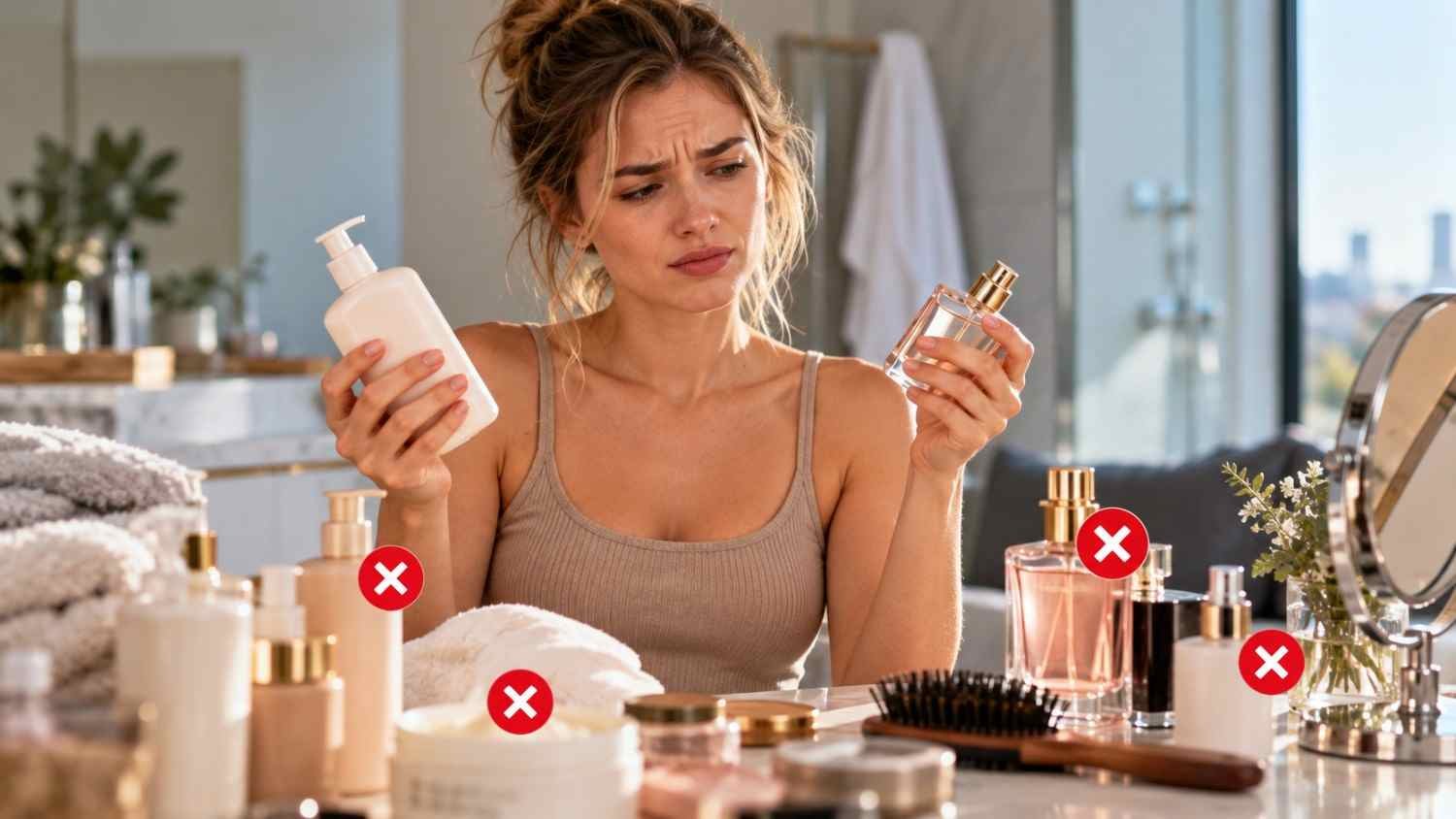
Several heavily scented products can compete. Choose one dominant fragrance and keep shower gel, body butter, mist, and other layers subtle.
Avoid spraying perfume on irritated or freshly shaved skin; fragrance can sting or cause irritation. Stop using products that cause redness. Sensitive skin may do better with fragrance-free lotion, and a costly cream will not automatically improve performance.
Do not judge a pairing immediately. Let it develop for several hours and check again later; a scent that smells lovely at first may become too sweet or dense.
FAQs: Body Lotion and Perfume Layering for Long-Lasting Fragrance Across Every Season
1. Should I apply lotion before or after perfume?
Apply lotion first and let it absorb, then spray perfume. This creates a comfortable base without leaving the fragrance sitting on wet cream. Apply when skin feels moisturized, not wet.
2. Is unscented lotion better for perfume layering?
Often, yes. Unscented lotion lets your perfume stay clear and makes it easier to experiment with different scent profiles. A compatible scented lotion can work well, too. Check its scent before combining it with perfume.
3. Does body lotion make perfume last all day?
Not necessarily. Moisturized skin may help fragrance wear more comfortably, but longevity depends on the formula, application, skin chemistry, and environment. Some lighter scents naturally fade sooner.
4. Should I change my perfume layering routine by season?
Yes. Lightweight lotion and fresh scents can feel better in hot weather, while richer moisturizers and warmer notes may suit colder, drier months. Indoor heating can also leave skin feeling dry.
A Scent Routine Worth Keeping
The most reliable fragrance routine is one that fits your real life. A light lotion and two careful sprays may be enough for a warm day, while dry winter skin may appreciate a richer cream and a deeper perfume. There is no need to buy a matching set for every bottle or follow a complicated sequence. Pay attention to how your skin feels, how the scent changes, and whether the combination suits the places you will go. Small adjustments often make a routine feel more personal and less wasteful.
Let your fragrance work with you, not announce itself before you arrive. A thoughtful layer, chosen for the season and applied with a light hand, can be memorable without being overwhelming.