
Your heart doesn’t beat at perfectly equal intervals, and that is usually a good thing. Those tiny differences between heartbeats reveal how your nervous system responds to stress, rest, and recovery.
If you’re wondering how to improve heart rate variability overnight, the answer may begin hours before your head touches the pillow. Avoiding evening alcohol, eating earlier, practicing slow breathing, and maintaining consistent sleep habits can support healthier nighttime HRV.
The important distinction? You cannot force your HRV higher in one night, but you can create conditions that help your body recover more effectively.
What Happens to Heart Rate Variability While You Sleep?
Heart rate variability (HRV) measures the changing time intervals between consecutive heartbeats, usually expressed in milliseconds.
Unlike resting heart rate, which counts beats per minute, HRV reflects how your autonomic nervous system regulates cardiovascular activity.
This system has two major branches:
- The sympathetic nervous system supports alertness and responses to physical or emotional stress.
- The parasympathetic nervous system supports relaxation, digestion, and recovery.
During restful sleep, parasympathetic activity often becomes more prominent, particularly during non-REM sleep. HRV patterns also change throughout different sleep stages.
Cortisol levels also follow a daily rhythm, typically changing between morning and evening. Understanding the potential role of phosphatidylserine for high evening cortisol can provide additional context about hormonal regulation and nighttime rest.
According to Cleveland Clinic, HRV varies with age, health conditions, stress, and other individual factors.
Higher HRV often suggests greater autonomic flexibility, but higher isn’t automatically better in every situation. Your personal baseline matters more than another person’s reading.
9 Practical Ways to Support Higher HRV During Sleep
1. Finish Dinner Earlier
A large dinner immediately before bedtime can interfere with comfortable, uninterrupted sleep. Your digestive system remains active after eating, and heavy meals may contribute to discomfort or nighttime awakenings.
Try finishing your main evening meal approximately two to three hours before sleeping. Choose balanced foods containing protein, fiber-rich carbohydrates, and vegetables. Avoid particularly heavy, greasy meals if they trigger reflux.
If you’re genuinely hungry later, a small snack is reasonable. Going to bed hungry can also disrupt sleep.
2. Avoid Alcohol Before Bedtime
Alcohol is among the clearest modifiable factors associated with reduced nighttime HRV.
A laboratory study of 26 healthy adults found that evening alcohol consumption increased nighttime heart rate and reduced measures of parasympathetic-related HRV, particularly at higher doses.
Alcohol may initially make you sleepy, but that sensation does not guarantee restorative sleep.
For a practical experiment, compare several alcohol-free evenings with your usual sleep patterns while keeping other habits consistent.
3. Move Your Caffeine Cutoff Earlier
That afternoon iced coffee could still influence your sleep hours later. Caffeine blocks adenosine, a chemical involved in building sleep pressure. Its effects can persist even when you no longer feel noticeably stimulated.
The National Heart, Lung, and Blood Institute notes that caffeine’s effects may last up to eight hours.
If bedtime is 10:30 p.m., consider finishing caffeinated drinks by approximately 2:30 p.m., or earlier if you’re sensitive.
Nicotine is another stimulant that can interfere with sleep. Avoiding it near bedtime may help, although quitting offers broader health benefits.
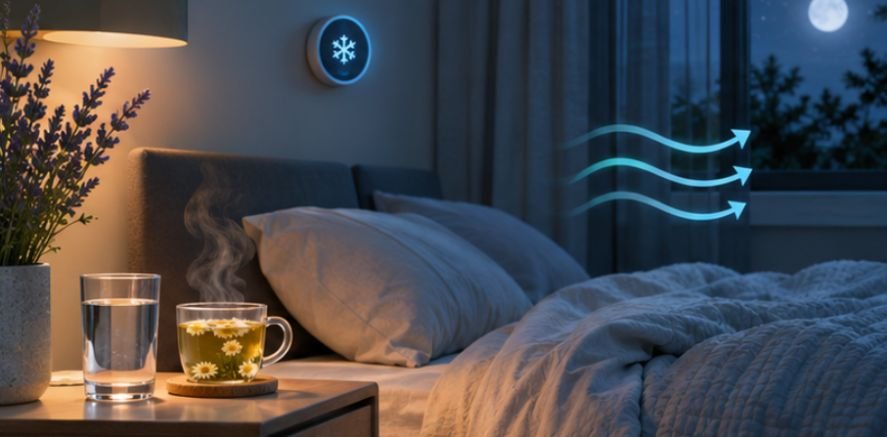
4. Cool Down Your Sleeping Environment
Body temperature normally decreases as your body prepares for sleep.
An overheated bedroom can interfere with that process, contributing to restless sleep and frequent awakenings.
A temperature around 65°F to 68°F may be a comfortable starting point for many adults, although individual preferences differ.
Use breathable bedding, adjust your thermostat, and reduce unnecessary heat sources.
The objective isn’t to make yourself cold. It’s to maintain a comfortably cool environment that supports uninterrupted sleep.
5. Reduce Bright Light Before Sleeping
Bright evening lighting can interfere with the body’s natural sleep-wake rhythm. Instead of scrolling beneath bright overhead lights, gradually create a calmer environment.
Dim household lighting during the final hour or two before bedtime. Reduce screen brightness and avoid stimulating online activities.
The CDC’s sleep recommendations suggest turning off electronic devices at least 30 minutes before bed. A predictable transition into darkness helps signal that your active day is ending.
Alongside reducing evening stimulation, certain dietary approaches may also support sleep quality. Learn more about how glycine for deep sleep latency may help promote relaxation and improve the transition into restful sleep.
6. Practice the 4-6 Breathing Technique
Slow breathing is one of the simplest ways to influence HRV during a relaxation session.
A systematic review and meta-analysis published in Neuroscience & Biobehavioral Reviews examined 223 studies and found that voluntary slow breathing increased vagally mediated HRV during breathing sessions, immediately afterward, and following repeated practice.
Try this five-minute routine:
- Sit comfortably or lie on your back.
- Inhale gently through your nose for four seconds.
- Exhale slowly for six seconds.
- Repeat for five minutes without forcing your breathing.
This creates approximately six breathing cycles per minute. The longer exhalation may encourage relaxation, while the slower rhythm influences breathing-related changes in heartbeat intervals.
However, an immediate HRV increase during breathing does not necessarily mean your overnight HRV will improve. If you become dizzy or uncomfortable, return to normal breathing.
7. Exercise Regularly, but Respect Recovery
Consistent physical activity supports cardiovascular fitness and autonomic health. Walking, cycling, swimming, and moderate resistance training are practical options.
However, unusually intense workouts can temporarily reduce HRV because your body needs time to recover.
If your wearable shows lower readings after strenuous exercise, consider your training load, sleep, soreness, and fatigue together.
Avoid treating one low measurement as proof that exercise is harming your health.
8. Keep Your Sleep Schedule Consistent
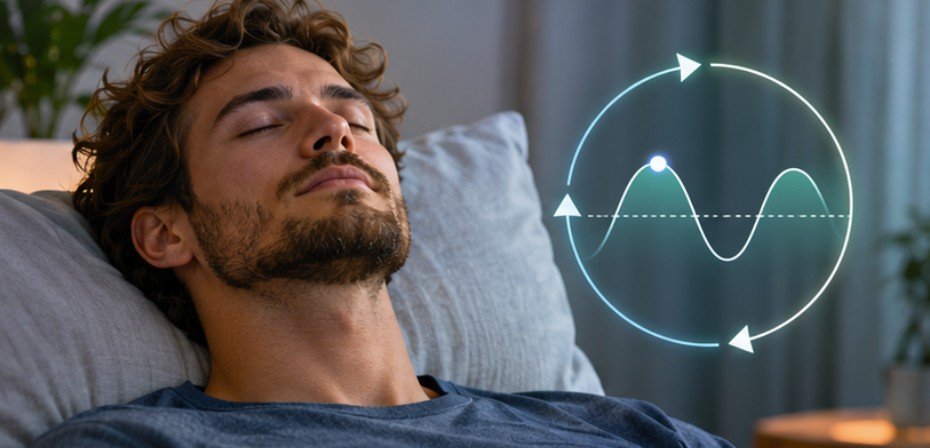
Your circadian rhythm responds to repeated patterns of light exposure, activity, and sleep. Irregular bedtime schedules can make restorative sleep more difficult.
Aim for a reasonably consistent bedtime and wake-up time, including weekends. Most adults need at least seven hours of sleep, although individual requirements vary.
Morning daylight exposure can also reinforce your biological clock, making it easier to feel sleepy at an appropriate evening hour.
Managing stress hormones is another part of supporting a healthy sleep-wake rhythm. Explore these practical ways to lower morning cortisol naturally and support a more balanced daily routine.
9. Be Cautious About Magnesium Supplements
Magnesium bisglycinate is frequently promoted as a nighttime relaxation supplement. However, evidence that it reliably increases overnight HRV remains insufficient.
Magnesium supports normal nerve and muscle function, but supplementation is not automatically beneficial when dietary intake is adequate.
The NIH Office of Dietary Supplements identifies 350 milligrams daily as the upper limit for magnesium from supplements and medications for adults unless directed by a healthcare professional.
People with kidney problems or those taking certain medications should seek medical advice before supplementation.
How to Tell Whether Your HRV Is Actually Improving
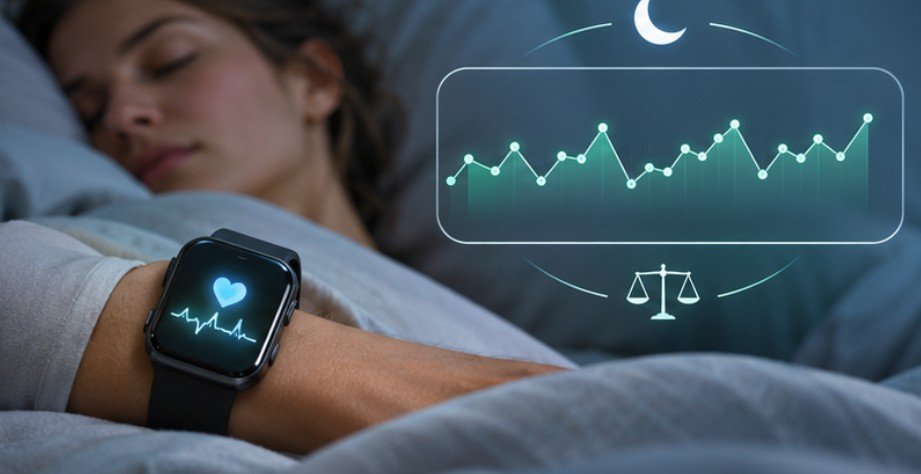
A single night’s measurement cannot establish meaningful progress. Start by recording your usual overnight HRV for seven nights. Then maintain the same tracking device and introduce one or two changes.
Monitor your nightly HRV, resting heart rate, sleep duration, and subjective energy for another two weeks. Compare weekly averages instead of reacting to isolated readings.
Also remember that illness, dehydration, medications, menstrual cycle changes, and underlying medical conditions can affect HRV.
Consumer wearables estimate HRV using different sensors and algorithms, so numbers from different brands aren’t necessarily interchangeable.
If low readings persist alongside palpitations, dizziness, unusual fatigue, or breathing problems during sleep, consult a healthcare professional.
Frequently Asked Questions
1. Can HRV increase after one night?
Yes. Nighttime HRV can change after improved sleep or reduced stress, but a single increase does not establish lasting improvement.
2. What is a healthy overnight HRV?
There is no universal target. Age, individual physiology, medical conditions, and measurement methods affect HRV. Compare readings against your own established baseline.
3. Does deep breathing improve nighttime HRV?
Slow breathing can increase HRV during practice. Whether that improvement continues throughout the night is less certain.
4. How long does it take to improve heart rate variability overnight?
Some changes may appear within days, but establishing a meaningful trend generally requires consistent habits and repeated measurements over several weeks.
Better Recovery Starts Before Bedtime
Improving nighttime HRV isn’t about chasing the highest possible number on your smartwatch. It’s about giving your body a dependable opportunity to recover from daily physical and emotional demands.
Start with the habits most likely to interfere with your sleep: late caffeine, evening alcohol, inconsistent schedules, and unnecessary stimulation. Then introduce gentle breathing, comfortable bedroom temperatures, and sustainable exercise.
Remember that HRV is only one measurement of recovery. Feeling rested, maintaining daytime energy, and sleeping consistently matter just as much.
Your best nighttime recovery strategy may simply be making tomorrow’s healthier evening easier to repeat.