
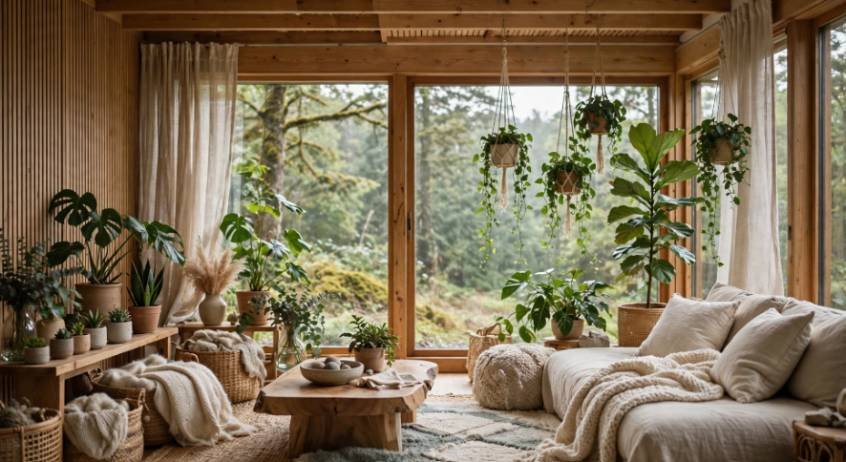
What if the secret to feeling calmer after a stressful day was hidden in the way your home looks, sounds, and feels? I’ve noticed that even the most beautifully decorated spaces can become exhausting when bright lights, constant noise, strong fragrances, and clutter compete for attention. A home should offer comfort, not add to the pressure of everyday life.
That’s why I believe learning how to create a sensory friendly home for stress relief is about much more than interior design. It’s about creating an environment that works with your senses instead of overwhelming them.
From softer lighting and comforting textures to peaceful corners and mindful decorating choices, a few thoughtful changes can turn your everyday living space into a relaxing retreat without requiring an expensive makeover.
What Makes a Home Sensory Friendly?
A sensory-friendly home minimizes uncomfortable stimulation while providing pleasant sensory experiences. It considers how your surroundings affect sight, hearing, touch, smell, temperature, and movement.
Sensory overload at home can happen when several distractions compete for your attention. Bright lights, background conversations, strong fragrances, and crowded rooms may leave you feeling mentally drained.
The goal isn’t complete silence or an empty room. Instead, I recommend creating an environment that supports personal comfort, flexibility, and relaxation.
How Can You Identify Sensory Triggers in Your Home?
Before changing anything, observe when your surroundings feel uncomfortable.
Does your kitchen feel overwhelming when multiple appliances run? Do bright bedroom lights make it harder to unwind? Perhaps certain fabrics or cleaning fragrances cause irritation.
I suggest keeping a simple sensory journal for several days. Identify your biggest triggers and focus on improvements that address them directly.
This approach prevents unnecessary purchases and makes creating a calming home environment more personal.
How Can You Reduce Visual Overstimulation at Home?
Choose Warm Lighting and Calming Colors
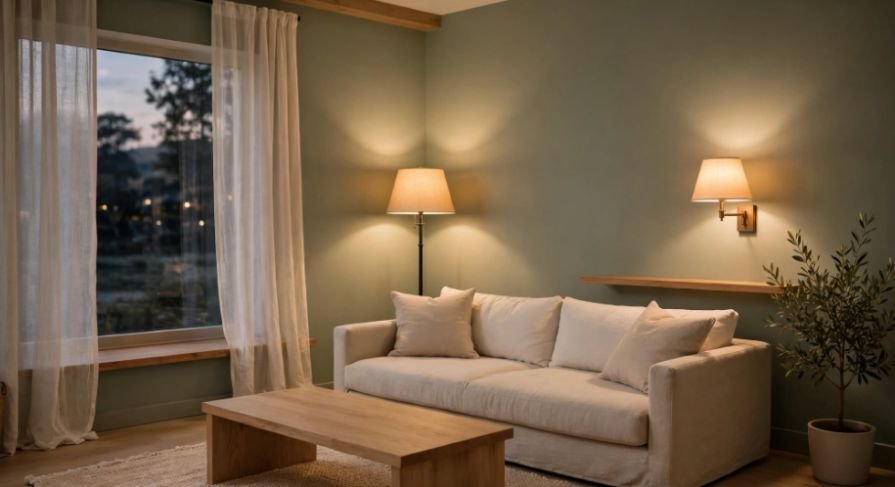
Harsh overhead lighting can create glare and discomfort. Replace excessively bright bulbs with warm, adjustable LEDs, preferably flicker-free options if you’re sensitive to flickering.
Layer table lamps, floor lamps, and dimmable lighting to create softer illumination. Use curtains to manage natural daylight without making rooms unnecessarily dark.
For a relaxing atmosphere, consider low-saturation colors such as sage green, pale blue, warm beige, and muted earth tones. These shades may feel less visually demanding than high-contrast patterns.
Reduce Clutter and Introduce Natural Elements
Cluttered surfaces can make relaxation difficult. Organize frequently used belongings inside cabinets, storage ottomans, or decorative baskets.
Keep walkways clear and furniture arrangements predictable.
I also enjoy biophilic design elements, including rounded furniture, natural wood, and houseplants with broad leaves. These details can make interiors feel softer and more welcoming.
How Can You Make Your Home Quieter and More Peaceful?
Unpredictable sounds can disrupt concentration and relaxation, especially in busy American households and apartment buildings.
Thick curtains, upholstered furniture, canvas wall hangings, and area rugs help absorb echoes. They won’t eliminate outside traffic noise, but they can make indoor spaces feel quieter.
Consider steady background sounds from a white noise machine, quiet fan, or small indoor fountain if you find them soothing.
I recommend keeping noise-reducing headphones nearby and establishing quiet hours with household members.
These simple stress-relief home ideas help create a more comfortable soundscape.
Can Comfortable Textures and Weighted Blankets Support Relaxation?
Tactile comfort plays an important role in a sensory-friendly environment.
Choose breathable cotton sheets, soft blankets, smooth upholstery, or plush throws depending on your preferences. Remove irritating clothing tags and avoid fabrics that feel scratchy against your skin.
Some adults enjoy weighted blankets, weighted lap pads, or heavy cushions because gentle pressure feels grounding.
Although research suggests weighted blankets may help some people with anxiety, results vary. Choose a manageable weight, make sure you can remove it independently, and consult a healthcare professional if you have breathing or mobility concerns.
How Do Scents and Temperature Affect Sensory Comfort?
Strong fragrances can become overwhelming, particularly in smaller rooms.
I recommend fragrance-free laundry detergents, dish soaps, and cleaning products to reduce unwanted odors.
If you enjoy aromatherapy, consider subtle lavender, chamomile, or eucalyptus fragrances. However, their stress-relieving effects aren’t guaranteed, and essential oils may irritate sensitive individuals or pose risks to pets.
Maintain ventilation and adjust your thermostat for personal comfort. Slightly cooler bedrooms may support sleep, while comfortable airflow helps prevent stuffiness.
Along with creating a comfortable bedroom environment, practicing easy ways to reduce stress before bedtime can help calm your mind and make the transition from daily activities to sleep more relaxing.
How Do You Create a Calming Corner for Adults?
A dedicated relaxation area can become your personal retreat after stressful days.
Choose a quiet corner, a ventilated pop-up tent, or another comfortable low-stimulation space. Position a beanbag chair, supportive armchair, or floor cushions against a wall if that arrangement feels reassuring.
Add soft lighting, a favorite blanket, and a small basket containing stress balls, smooth stones, or kinetic sand.
I prefer keeping this area separate from work and household responsibilities.
A thoughtfully arranged calming corner for adults provides a familiar place to read, practice mindfulness, or simply enjoy quiet moments.
Creating a relaxing space is only one part of winding down; adopting healthy evening habits for better sleep can also help you build a consistent nighttime routine and make your transition from daily stress to rest more comfortable.
You can make this personal retreat even more effective by incorporating simple self-care activities for stressful days, such as mindful breathing, journaling, gentle stretching, or taking a few quiet minutes for yourself.
What Are the Best Sensory-Friendly Ideas for Different Rooms?
How Can You Make Your Bedroom More Relaxing?
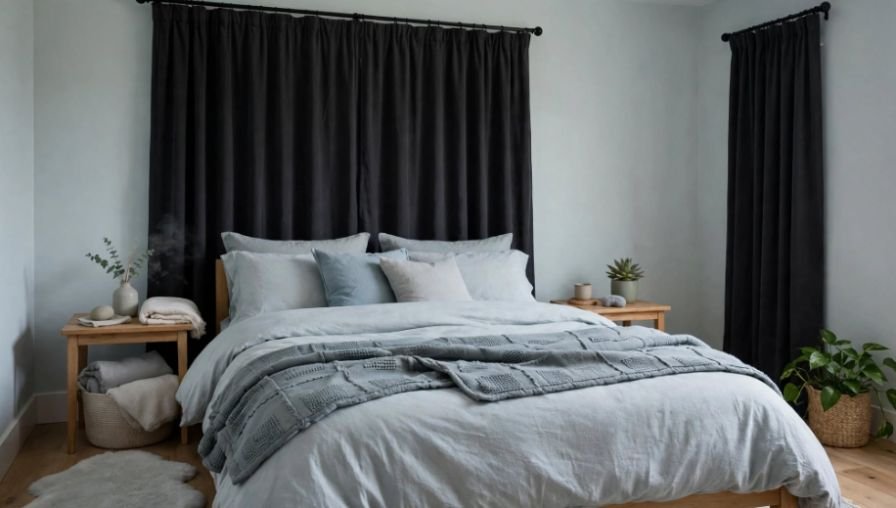
Sensory-friendly bedroom ideas include blackout curtains, comfortable bedding, adjustable lamps, and reduced electronic distractions.
Keep your sleeping environment quiet, organized, and comfortably cool.
How Can You Improve Your Living Room and Home Office?
Arrange living room furniture to create clear walking paths and comfortable seating.
In your home office, minimize screen glare, organize cables, and reduce distracting notifications.
For kitchens and bathrooms, control appliance noise, improve ventilation, and choose fragrance-free products when possible.
How Can You Make a Sensory-Friendly Home on a Budget?
Understanding how to create a sensory-friendly home for stress relief doesn’t mean spending thousands of dollars on specialized furniture.
Start with changes that cost little or nothing. Rearrange existing lamps, organize clutter, reuse comfortable blankets, and move noisy appliances away from resting areas.
For renters, portable lighting, washable rugs, removable curtains, and freestanding storage offer practical improvements without permanent alterations.
Maintain your progress through predictable cleaning routines, quiet evenings, and respectful household agreements.
Avoid assuming everyone prefers minimalism, silence, or dim lighting. Personal sensory preferences should guide your decisions.
Frequently Asked Questions
1. How to Create a Sensory-Friendly Home for Stress Relief in a Small Apartment?
Use adjustable lighting, soft furnishings, closed storage, and a dedicated relaxation corner. Focus on reducing your strongest sensory triggers rather than redesigning the entire apartment.
2. What Colors Make a Sensory-Friendly Home Feel Calmer?
Muted blues, sage greens, warm neutrals, and earthy shades are popular choices. However, choose colors that match your personal comfort and preferences.
3. Do Weighted Blankets Help With Sensory Overload?
Some people find weighted blankets comforting because they provide consistent pressure. Research suggests possible anxiety benefits, but individual responses and safety considerations vary.
4. What Is the Cheapest Way to Reduce Sensory Overload at Home?
Start by decluttering visible surfaces, reducing unnecessary noise, adjusting existing lighting, and removing irritating fragrances.
Final Thoughts
I’ve learned that a peaceful home isn’t about achieving perfect interior design. It’s about understanding which surroundings help you feel comfortable, settled, and refreshed.
Small changes to lighting, sound, furniture, textures, and daily habits can transform how you experience your living space.
Begin with one room, experiment with affordable improvements, and adjust your environment as your needs change. Over time, these thoughtful decisions can turn an ordinary home into a personal retreat where relaxation feels natural.