

Working from home should make life easier, right? No commute, flexible schedules, and more time with family sound wonderful. But I’ve noticed that when your home becomes your office, work can slowly take over your personal time. Suddenly, you’re checking emails during dinner or thinking about unfinished tasks before bed.
Learning how to create a healthy work life balance at home starts with setting boundaries that protect your time, energy, and well-being. Whether you’re a remote employee, freelancer, or working parent, a few practical changes can help you enjoy professional success without sacrificing your personal life.
Why Is Work-Life Balance Important When Working From Home?
A healthy work-life balance allows you to manage professional responsibilities while making time for family, hobbies, relaxation, and physical health.
Without clear boundaries, remote workers may experience increased stress, reduced concentration, irregular sleep, and emotional exhaustion. Constantly switching between work assignments and household responsibilities can also make it difficult to feel fully present in either area.
I believe the goal isn’t to divide every day perfectly between work and personal activities. Instead, it’s about establishing sustainable habits that support productivity while preventing burnout.
How Can You Build a Healthy Work-Life Balance at Home?
1. Create a Dedicated Workspace That Separates Work From Relaxation
One of the easiest work life balance tips is to create a physical boundary between your professional and personal spaces.
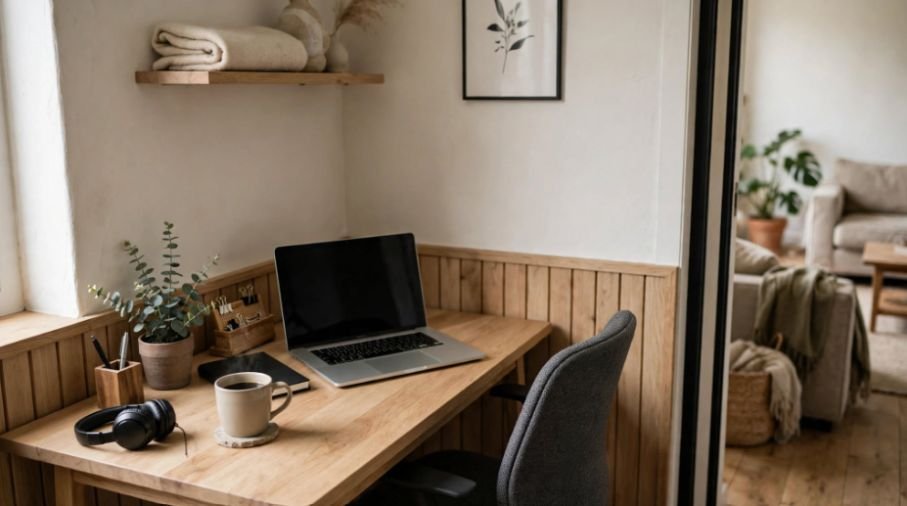
Choose a quiet corner, spare room, or small desk specifically for work. Avoid working from your bed or favorite relaxation spot whenever possible.
If you live in a small apartment, consider using a folding desk or organizing work supplies in a portable container.
When your shift ends, close your laptop, turn off your monitor, and put away paperwork. Keeping office equipment out of sight helps establish a clearer separation between work and relaxation.
2. Set Fixed Working Hours and Disconnect Completely
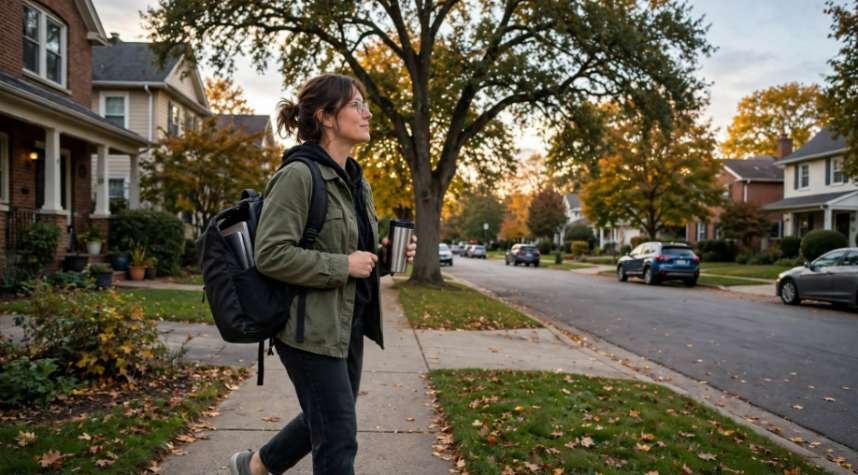
Setting boundaries while working from home becomes easier when you establish consistent starting and finishing times.
For example, if you work from 9 a.m. to 5 p.m., communicate those hours to your manager, coworkers, and family members.
Avoid checking work messages during evenings and weekends unless your position genuinely requires after-hours availability.
I also recommend using separate devices for professional and personal activities whenever practical. If you share one device, create separate user profiles and disable nonessential work notifications outside office hours.
These habits help prevent your professional responsibilities from following you throughout the day.
3. Replace Your Daily Commute With a Simple Transition Routine
Without a daily commute, switching between professional responsibilities and personal activities can feel surprisingly difficult.
Creating a “fake commute” offers a practical solution.
Before starting work, take a short neighborhood walk, enjoy coffee away from your desk, or spend 10 minutes stretching.
Repeat a similar routine after your shift ends. You might walk your dog, listen to music, or spend a few minutes outdoors.
I like this approach because it creates a clear transition between work mode and personal time without requiring an elaborate schedule.
4. Manage Your Time With Separate Personal and Professional Task Lists
Effective time management plays an important role in maintaining work life balance while working from home.
Instead of mixing grocery shopping, laundry, meetings, and deadlines into one overwhelming list, organize professional assignments and personal responsibilities separately.
Start each morning by identifying your three most important work priorities.
Use time blocking to reserve periods for focused assignments, meetings, and administrative activities.
Keep household chores for planned breaks or personal hours unless your schedule allows otherwise.
Separating these responsibilities helps reduce unnecessary multitasking and makes your daily routine more manageable.
5. Take Regular Screen-Free Breaks During Your Workday
Working continuously without breaks can leave you mentally drained, even when you’re sitting comfortably at home.
Try stepping away from your workstation for five to ten minutes periodically throughout the day.
During lunch, aim for at least 20 minutes away from screens. Eat without answering emails, browsing social media, or reviewing unfinished projects.
Short walks, stretching, or spending time outside can also provide a refreshing change of environment.
I recommend treating breaks as an essential part of your healthy work-from-home routine rather than something you earn after completing every assignment.
6. Protect Your Sleep, Exercise, and Eating Habits

Understanding how to avoid burnout while working from home requires paying attention to your physical well-being.
Most adults should aim for seven to nine hours of sleep, depending on their individual needs and age.
Establishing healthy evening habits for better sleep can also help create a consistent routine after your workday ends.
The CDC also recommends at least 150 minutes of moderate-intensity physical activity weekly, along with muscle-strengthening activities on two days.
You can incorporate movement through walking, cycling, home workouts, or outdoor activities.
Prepare nutritious meals, drink water regularly, and avoid constantly snacking while working.
These simple self-care habits support your overall health and help make demanding workdays more manageable.
7. Set Family Boundaries and Create an End-of-Day Shutdown Ritual
Balancing work and family at home requires communication and realistic expectations.
Explain your work schedule to family members and establish quiet periods when you need uninterrupted concentration.
If you share household responsibilities, discuss childcare, meal preparation, and chores in advance.
At the end of your workday, review completed assignments, prepare tomorrow’s priorities, and shut down your computer.
Make time for meaningful personal activities, whether that’s cooking with family, meeting friends, reading, or enjoying a hobby.
Maintaining social connections is especially important when remote work limits everyday face-to-face interactions.
What Does a Balanced Work-From-Home Routine Look Like?
A realistic schedule can make healthy habits easier to follow.
If you’re struggling to fit healthy habits around professional responsibilities, these tips can help you build a healthy routine with a busy schedule.
For someone working traditional office hours, mornings might begin around 7 a.m. with breakfast, light exercise, and personal preparation.
Focused work could begin at 9 a.m., followed by short breaks and a screen-free lunch around noon.
Afternoons can include meetings, assignments, and preparation for the following day.
After finishing work at 5 p.m., switch off professional notifications and focus on personal commitments.
This schedule should remain flexible for working parents, caregivers, freelancers, and employees with nontraditional shifts.
What Are the Warning Signs of Poor Work-Life Balance?
Common warning signs include checking emails late at night, regularly skipping meals, feeling exhausted after work, and struggling to enjoy personal activities.
If workday exhaustion continues even after logging off, these practical strategies can help you stop feeling tired after work.
Difficulty concentrating, irritability, and neglecting relationships may also indicate that your current routine needs attention.
Avoid common mistakes such as working from bed, scheduling too many tasks, skipping breaks, and remaining constantly available.
Remember that unrealistic workloads sometimes require conversations with your employer rather than additional personal productivity strategies.
Frequently Asked Questions
1. How can I separate work and personal life while working remotely?
Establish consistent office hours, create a dedicated workspace, disable after-hours notifications, and follow a simple shutdown routine.
2. What is the best daily routine for remote workers?
A practical routine includes regular working hours, focused task periods, short breaks, nutritious meals, physical activity, and sufficient sleep.
3. How can I prevent burnout while working from home?
Set realistic expectations, communicate workload concerns, take regular breaks, maintain personal relationships, and protect your time outside work.
4. Can I maintain work-life balance without a separate home office?
Yes. A designated desk, portable workspace, organized equipment, and consistent working hours can help create boundaries in smaller homes.
Final Thoughts: Make Room for Life Beyond Work
I’ve learned that a balanced lifestyle doesn’t come from following a perfect schedule. It develops through consistent decisions that protect your personal time without compromising professional responsibilities.
Understanding how to create a healthy work-life balance at home means knowing when to focus, when to disconnect, and when to prioritize yourself.
Start with one manageable change, whether it’s creating a dedicated workspace, taking screen-free breaks, or ending your workday at a consistent time.
Small habits can gradually transform your daily routine, helping you stay productive, maintain stronger relationships, and enjoy a healthier life outside work.