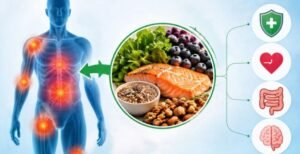

A meal that leaves you flushed, bloated, dizzy, or unusually congested may be causing more than ordinary digestive discomfort. Some people experience these reactions after eating foods containing histamine, a naturally occurring chemical involved in immune responses, digestion, and communication between nerve cells.
The symptoms of high histamine after eating can resemble food allergies, digestive disorders, or even migraines. They may develop within 30 minutes to several hours after a meal, making the connection difficult to recognize.
Understanding the possible triggers, symptom patterns, and medical explanations can help you investigate recurring reactions without unnecessarily restricting your diet.
8 Common Symptoms of High Histamine After Eating
Histamine-related reactions can affect multiple body systems simultaneously. Some people primarily experience digestive problems, while others notice skin changes, headaches, or nasal congestion.
1. Facial Flushing and Sudden Warmth
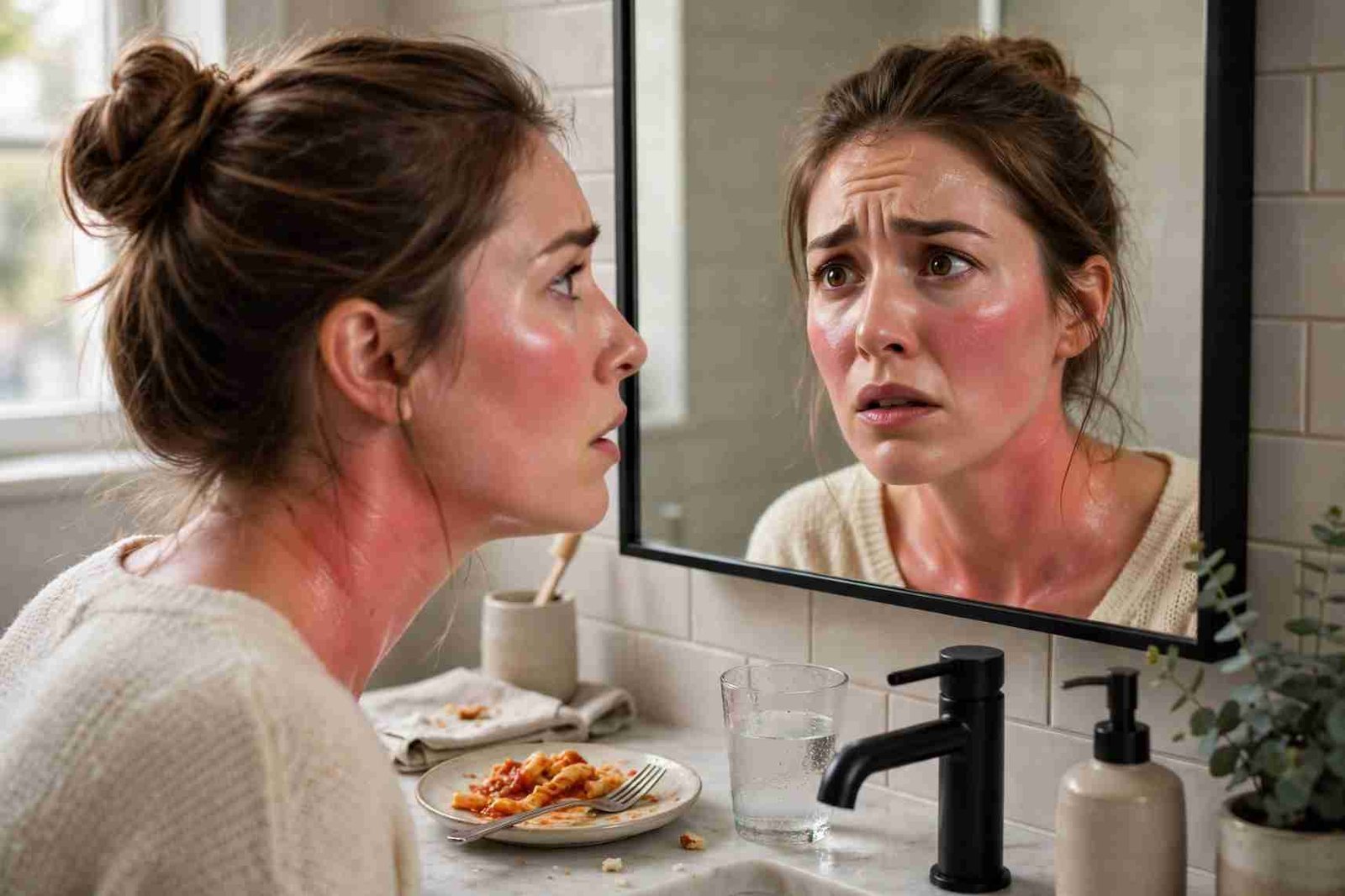
Unexpected redness across the cheeks, neck, or upper chest is a frequently reported reaction.
Histamine can widen blood vessels, producing a temporary sensation of warmth or visible flushing.
These episodes may occur after drinking wine, eating aged cheese, or consuming fermented foods. However, alcohol sensitivity, medications, and other conditions can produce similar effects.
2. Bloating, Abdominal Pain, and Diarrhea

Digestive complaints are among the most commonly discussed symptoms.
Possible reactions include:
- Abdominal bloating or pressure
- Loose stools or diarrhea
- Stomach cramps
- Nausea or occasional vomiting
- Increased digestive discomfort after certain meals
These symptoms overlap substantially with irritable bowel syndrome (IBS), lactose intolerance, and other gastrointestinal disorders.
People exploring ways to support digestive health may also wonder about probiotic timing and effectiveness. This overview explains whether you should take probiotics on an empty stomach and the factors that can influence when to take them.
3. Headaches and Migraines

Some individuals report headaches after consuming red wine, fermented products, or aged foods.
Histamine may influence blood vessels and nerve signaling involved in headache pathways.
However, not every food-related headache involves histamine. Alcohol, dehydration, skipped meals, and individual migraine triggers may also contribute.
4. Itchy Skin, Hives, and Rashes
Histamine plays a major role in itching and allergic skin reactions.
Following a meal, a person might notice raised welts, skin irritation, or temporary redness.
Because hives can indicate a genuine food allergy, recurring episodes deserve medical evaluation rather than an automatic assumption of intolerance.
5. Nasal Congestion and Sneezing
A stuffy nose immediately after dinner may seem unrelated to digestion.
Yet histamine can affect nasal tissues, potentially contributing to sneezing, watery discharge, and congestion.
Similar symptoms also occur with environmental allergies and nonallergic rhinitis, making timing and accompanying symptoms important diagnostic clues.
6. Heart Palpitations and Dizziness
Some people report a pounding heartbeat, lightheadedness, or changes in blood pressure during suspected reactions.
These symptoms should never be dismissed as routine food sensitivity.
Persistent palpitations, fainting, chest discomfort, or significant dizziness require prompt medical assessment.
7. Brain Fog and Difficulty Concentrating
People sometimes describe feeling mentally sluggish or unusually tired following particular meals.
Although brain fog appears in personal accounts of suspected histamine sensitivity, research has not established it as a reliable diagnostic sign.
Sleep problems, blood sugar changes, medications, and numerous medical conditions can cause similar experiences.
8. Breathing Changes or Wheezing
Histamine can affect the respiratory system, potentially producing coughing or wheezing during certain reactions.
However, breathing difficulty after eating may indicate a serious allergic emergency.
Call 911 immediately for difficulty breathing, throat tightness, tongue swelling, fainting, or rapidly worsening symptoms. Use prescribed epinephrine if anaphylaxis is suspected.
The nonprofit organization Food Allergy Research & Education emphasizes that severe allergic reactions require immediate epinephrine and emergency medical assistance.
How Quickly Can Symptoms Begin?
Reports of suspected dietary histamine reactions commonly describe symptoms beginning approximately 30 minutes to several hours after eating.
The timing varies, and symptoms alone cannot establish the cause.
For example, someone might experience facial flushing shortly after drinking red wine, followed by stomach discomfort later that evening.
Another person might develop headaches after eating fermented foods without experiencing any digestive symptoms.
The most useful clue is whether similar reactions repeatedly follow particular meals, rather than whether a single symptom occurs at a specific time.
Which Foods Are Common Histamine Triggers?

Histamine concentrations often increase during food fermentation, aging, or improper storage.
Commonly discussed dietary sources include:
- Aged cheeses such as parmesan, cheddar, and blue cheese
- Fermented foods including sauerkraut, kimchi, miso, and kefir
- Processed meats such as salami, bacon, and pepperoni
- Alcoholic beverages, particularly wine and beer
- Certain fish, including tuna, sardines, and mackerel
- Tomatoes, spinach, avocado, and eggplant
Strawberries, bananas, citrus fruits, and chocolate also appear on some histamine-restriction lists, although evidence for consistently excluding these foods is less established.
Freshness matters, particularly with fish.
The Centers for Disease Control and Prevention explains that improperly chilled fish can accumulate histamine and cause scombroid poisoning.
Unlike suspected chronic histamine intolerance, scombroid poisoning is a well-established foodborne illness. It commonly begins within 10–60 minutes and may affect several people who shared the same fish.
Cooking does not reliably eliminate histamine already formed in contaminated fish.
Is It Histamine Intolerance or a Food Allergy?
Although symptoms overlap, the underlying explanations differ.
A genuine food allergy involves an immune response to a particular food protein. Reactions may occur after very small exposures and can become life-threatening.
Suspected histamine intolerance, by contrast, describes reactions potentially associated with dietary histamine exposure or impaired breakdown.
However, scientific uncertainty is substantial.
The American Academy of Allergy, Asthma & Immunology reviewed a study involving 59 people who suspected histamine intolerance. Controlled food challenges excluded the diagnosis in approximately 85% of participants.
This finding highlights why symptom matching alone can be misleading. Other possible explanations include IBS, food allergies, medication reactions, and mast cell disorders.
A Practical Way to Investigate Reactions
Instead of immediately eliminating numerous foods, begin by collecting useful information.
Step 1: Keep a Detailed Food Diary
Record your meals and symptoms for approximately two weeks.
Include meal ingredients, portion sizes, eating times, symptom onset, severity, medications, and alcohol consumption.
Look for repeated patterns rather than isolated incidents.
Step 2: Discuss Possible Causes With a Clinician
A healthcare professional may recommend allergy testing, digestive evaluation, or other investigations depending on your symptoms.
Blood DAO testing is sometimes marketed for histamine intolerance, but its accuracy remains insufficient for a stand-alone diagnosis.
Step 3: Consider a Supervised Dietary Trial
If other explanations have been assessed, a clinician or registered dietitian may suggest a temporary, targeted reduction in suspected trigger foods.
Foods can then be reintroduced systematically to determine whether they consistently produce symptoms.
Avoid prolonged restrictive diets without professional guidance.
If dietary changes are recommended, choosing affordable, nutrient-rich foods can help maintain variety without overspending. These practical tips on how to start eating healthier on a tight budget can help you make balanced food choices while managing grocery costs.
Step 4: Evaluate Treatments Carefully
Antihistamines may relieve certain symptoms, but improvement does not prove histamine intolerance.
DAO supplements are also promoted for dietary histamine reactions, although clinical evidence remains limited.
A scientific review available through the National Institutes of Health emphasizes the limitations of diagnostic testing and the importance of avoiding unnecessary dietary restrictions.
Frequently Asked Questions
1. Can high histamine cause symptoms immediately after eating?
Yes. Some histamine-related reactions begin within minutes, although suspected dietary intolerance symptoms may develop over several hours. Immediate reactions can also indicate food allergies or poisoning.
2. How long do histamine-related symptoms last?
Duration varies depending on the cause. Some reactions resolve within hours, while others persist longer. Severe or worsening symptoms require medical attention.
3. Can drinking water lower histamine levels?
Normal hydration supports overall health, but drinking extra water has not been shown to reliably remove excess histamine or treat histamine intolerance.
4. What is the best test for histamine intolerance?
There is no universally validated diagnostic test. Medical evaluation typically considers symptoms, alternative diagnoses, dietary patterns, and carefully supervised elimination and reintroduction.
Look for Patterns, Not Just Symptoms
Experiencing facial flushing, headaches, or digestive discomfort after eating can be frustrating, especially when reactions seem unpredictable.
However, identifying a possible histamine connection is only the beginning. Similar symptoms can develop from allergies, digestive disorders, medication effects, and foodborne illness.
Rather than cutting out entire food groups, focus on documenting consistent reactions and discussing your findings with a qualified healthcare professional.
A thoughtful investigation can reveal what genuinely triggers discomfort while protecting nutritional variety. The goal isn’t to eliminate every food containing histamine. It’s to understand why your body reacts and find a safe, sustainable way to feel better.