

Eight hours in bed should leave you refreshed, but sometimes you wake up feeling as though you barely slept. If you’re asking, why am I tired after 8 hours of sleep, the problem may not be how long you sleep. It could be how well you sleep.
Interrupted sleep, breathing difficulties, hormonal changes, and everyday habits can prevent your body from recovering overnight. Even if you don’t remember waking up, your brain may have experienced repeated disruptions.
Understanding these hidden causes can help you identify what’s draining your energy and what to do about it.
9 Hidden Reasons You’re Still Exhausted After Sleeping
1. Obstructive Sleep Apnea
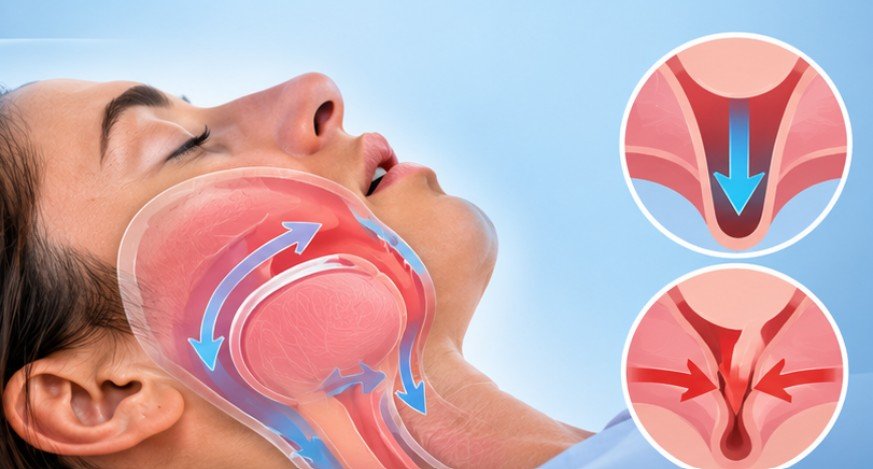
Sleep apnea is an important medical explanation for persistent morning exhaustion.
During sleep, the upper airway repeatedly narrows or closes, temporarily disrupting breathing. Your brain responds with brief awakenings that you may never remember.
The National Heart, Lung, and Blood Institute identifies several warning signs:
- Loud, frequent snoring
- Gasping or choking during sleep
- Morning headaches or dry mouth
- Excessive daytime sleepiness
- Difficulty concentrating
Sleep apnea can occur even in people who don’t fit the stereotypical profile of someone with the condition.
A healthcare provider may recommend a home sleep apnea test or an overnight sleep study.
Some people also explore mouth taping as a sleep-related practice, but it is important to understand the mouth taping for sleep benefits and risks before considering it, particularly because it may be unsafe for people with nasal obstruction or sleep-disordered breathing.
2. Restless Legs and Unnoticed Movements
Restless legs syndrome creates uncomfortable sensations and an urge to move your legs, particularly during evening rest.
Periodic limb movements can also cause repetitive leg jerking during sleep. When these movements disrupt sleep, daytime fatigue may follow.
Johns Hopkins Medicine explains that restless legs syndrome can be associated with iron deficiency, pregnancy, certain medications, and other health conditions.
If your legs feel unusually restless before bedtime, mention these symptoms during a medical evaluation.
3. Stress and Fragmented Sleep
You don’t need to experience complete awakenings for stress to interfere with sleep quality.
Work deadlines, financial concerns, and emotional strain can increase nighttime alertness. Chronic pain, bedroom noise, and temperature changes may create additional interruptions.
Someone might sleep from 10 p.m. until 6 a.m. but experience repeated brief awakenings throughout the night.
The result can be an apparently normal sleep schedule that doesn’t provide adequate recovery.
4. Thyroid Problems and Anemia
Sometimes fatigue has little to do with your sleeping environment. Hypothyroidism can produce persistent tiredness because insufficient thyroid hormone affects many bodily functions.
Iron deficiency and anemia may also reduce energy and physical endurance.
According to MedlinePlus, fatigue can accompany thyroid disease, anemia, diabetes, depression, chronic illness, and certain medications.
A doctor may recommend a complete blood count, thyroid testing, or additional investigations based on your symptoms.
5. Nutritional Deficiencies
Iron, vitamin B12, and vitamin D deficiencies may contribute to fatigue in some individuals.
Low B12 can interfere with healthy red blood cell production and neurological function. Iron deficiency can cause exhaustion even before anemia develops.
However, magnesium or vitamin D supplements aren’t universal solutions for poor sleep.
Testing should depend on symptoms, diet, medical history, and risk factors. Taking unnecessary supplements can introduce new health problems without addressing the actual cause.
6. Late Caffeine and Evening Alcohol
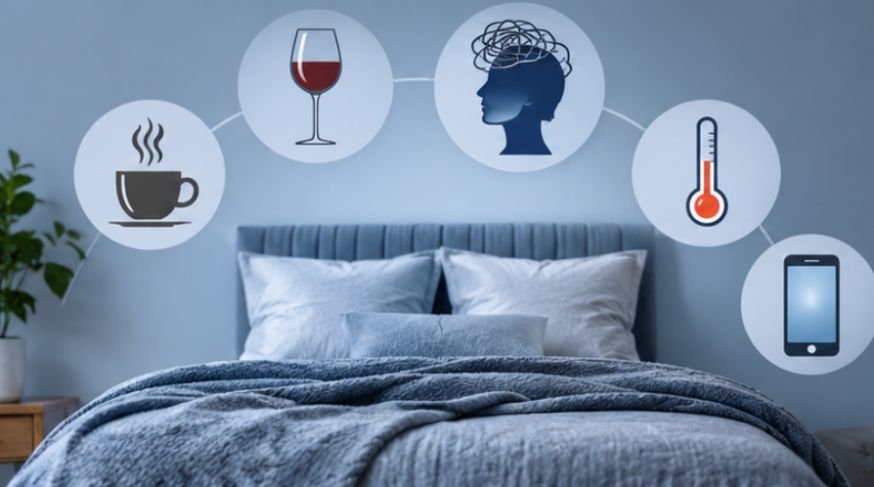
Your afternoon coffee may affect your nighttime rest more than you realize. Caffeine blocks the effects of adenosine, a chemical involved in building sleep pressure. Its effects can persist for hours, depending on individual sensitivity.
Alcohol creates a different problem. Although it may initially make you sleepy, it can increase sleep disruptions later in the night. The result is potentially lighter, less refreshing sleep despite spending sufficient time in bed.
7. An Irregular Body Clock
Your circadian rhythm regulates when you naturally become sleepy and alert. Changing your bedtime dramatically between weekdays and weekends can shift that rhythm, producing a form of social jet lag.
Night-shift schedules, inconsistent morning light exposure, and bright evening lighting can create similar problems.
Establishing consistent nighttime habits can also help reinforce a healthier sleep-wake pattern. Explore this best evening routine for circadian rhythm reset for practical guidance on lighting, meal timing, and relaxing before bed.
Maintaining a consistent wake-up time helps reinforce your body’s daily sleep-wake pattern.
8. Poor Bedroom Conditions
A warm bedroom, outside traffic, hallway lights, or phone notifications can repeatedly interrupt sleep.
Bright screens before bedtime may also delay sleep onset by influencing circadian signals.
The National Institutes of Health recommends a cool, quiet, dark sleeping environment alongside regular physical activity and consistent sleep schedules.
Blackout curtains, quieter surroundings, and reduced nighttime notifications are simple adjustments worth testing.
Beyond improving bedroom conditions, making your overall living environment more comfortable can also support relaxation. Explore how to create a sensory-friendly home for stress relief through thoughtful lighting, noise reduction, calming colors, and comfortable textures.
9. Sleep Inertia or Longer-Than-Needed Time in Bed
Sleep inertia is the temporary grogginess that can occur immediately after waking. It may last longer following sleep deprivation or waking during certain sleep stages.
Sleeping more than nine hours isn’t automatically harmful. However, regularly needing unusually long sleep while remaining exhausted can indicate an underlying condition. Persistent fatigue shouldn’t simply be blamed on oversleeping.
How to Identify What’s Actually Making You Tired
If you’re wondering why am I tired after 8 hours of sleep, start by distinguishing sleepiness from fatigue.
Sleepiness means you struggle to stay awake. Fatigue means you lack energy, even when you don’t necessarily want to sleep. This difference can help guide medical evaluation.
Try a Seven-Day Sleep Quality Check
For one week, record the following each morning:
- Bedtime and actual wake-up time.
- Estimated minutes spent falling asleep.
- Nighttime awakenings and their possible causes.
- Caffeine, alcohol, medication, and nap timing.
- Morning energy rated from 1 to 10.
- Daytime sleepiness, headaches, or concentration problems.
Look for patterns rather than judging one difficult night.
For example, noticeably worse mornings after late coffee may suggest caffeine sensitivity. Persistent exhaustion accompanied by snoring deserves medical attention.
Consumer sleep trackers can reveal trends, but their sleep-stage estimates cannot reliably diagnose disorders.
Practical Ways to Wake Up Feeling Rested

Improving sleep quality often begins with several manageable changes rather than completely rebuilding your routine.
Establish a Consistent Schedule
Choose a realistic bedtime and wake-up time that allow sufficient sleep. Keep weekend variations relatively small.
Prioritize Morning Light
Spend time outdoors soon after waking. Natural daylight helps strengthen circadian timing and supports daytime alertness.
Change Your Evening Habits
Reduce bright lighting before bed, avoid late caffeine, and limit alcohol near bedtime.
Consider reading, gentle stretching, or another relaxing activity instead of scrolling through your phone.
Review Your Sleep Environment
Keep the bedroom comfortably cool and dark. Address disruptive noise and use bedding that supports comfortable sleep.
Know When Lifestyle Changes Aren’t Enough
Seek medical advice if fatigue persists for several weeks, interferes with daily activities, or occurs alongside snoring, breathing pauses, or significant mood changes.
A clinician may investigate sleep disorders, medication effects, thyroid function, anemia, and other appropriate causes.
Never drive while struggling to stay awake.
Frequently Asked Questions
1. Why do I wake up exhausted even after sleeping all night?
Sleep apnea, fragmented sleep, circadian disruption, stress, or medical conditions may prevent restorative rest even when your sleep duration appears adequate.
2. Can vitamin deficiencies cause tiredness after eight hours of sleep?
Yes. Iron deficiency, vitamin B12 deficiency, and sometimes low vitamin D may contribute to fatigue. Testing can identify whether supplementation is appropriate.
3. Is nine hours of sleep better than eight?
Some adults naturally need nine hours. More sleep isn’t automatically better; consistent, sufficient, high-quality sleep matters more than reaching a particular number.
4. Why am I tired after 8 hours of sleep every day?
Daily exhaustion may indicate poor sleep quality, insufficient individual sleep duration, an underlying sleep disorder, or another medical condition. Persistent symptoms deserve professional evaluation.
The Real Goal Is Restorative Sleep
Eight hours of sleep is a useful benchmark, but it isn’t a guarantee of waking up energized.
I believe the most useful approach is to pay attention to how sleep affects daily functioning rather than focusing exclusively on the clock. Repeated morning exhaustion, afternoon sleepiness, and difficulty concentrating can reveal problems that sleep duration alone misses.
Start with a consistent schedule, monitor your sleep patterns, and make reasonable changes to your environment. If exhaustion continues, consider a medical evaluation rather than increasing your time in bed indefinitely.
Ultimately, successful sleep isn’t simply measured in hours. It’s reflected in how well you function after waking.