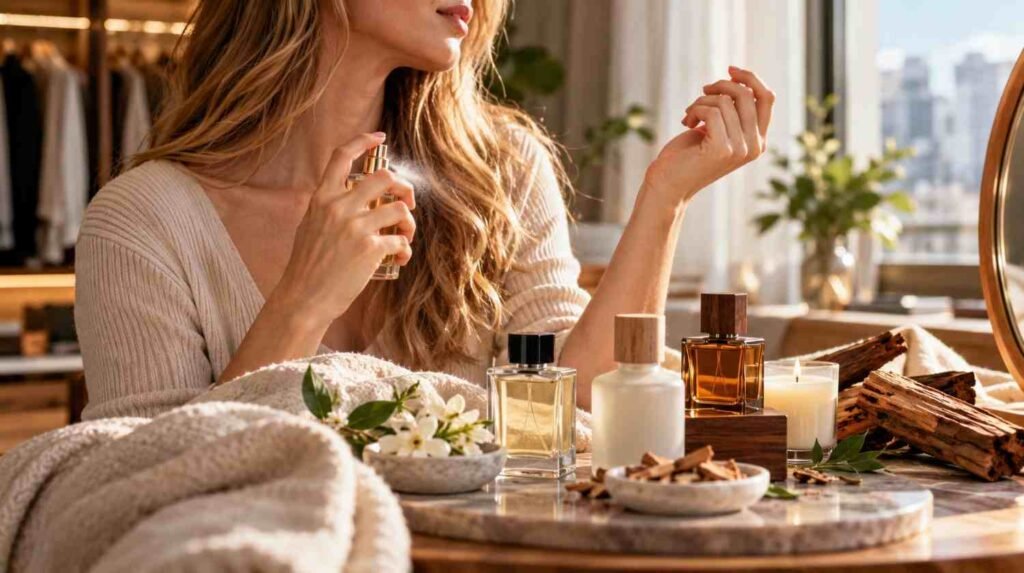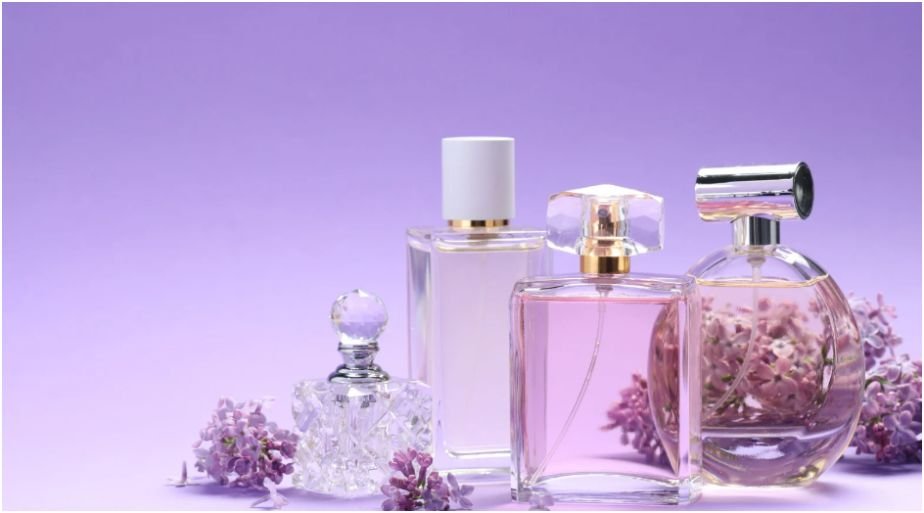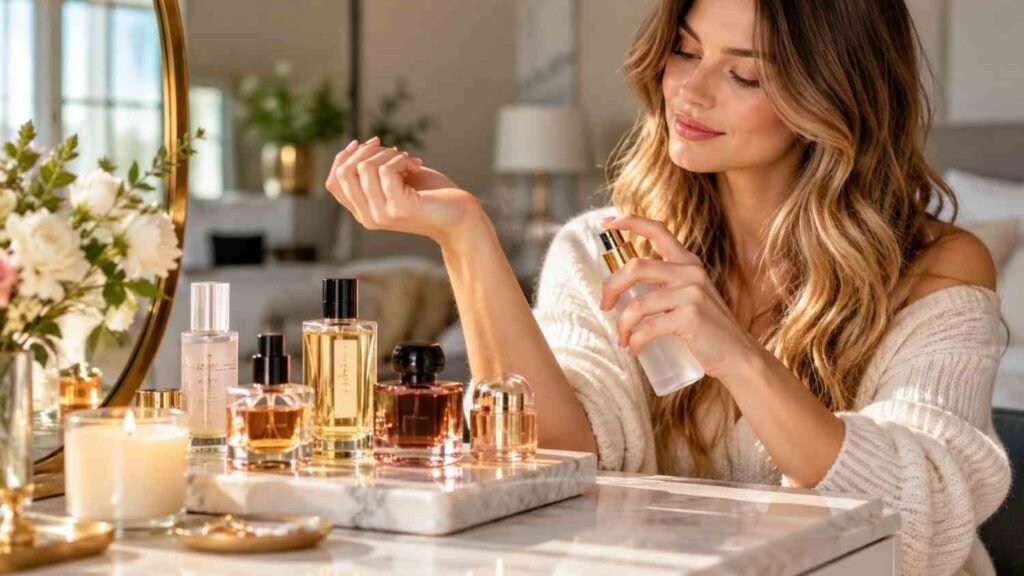
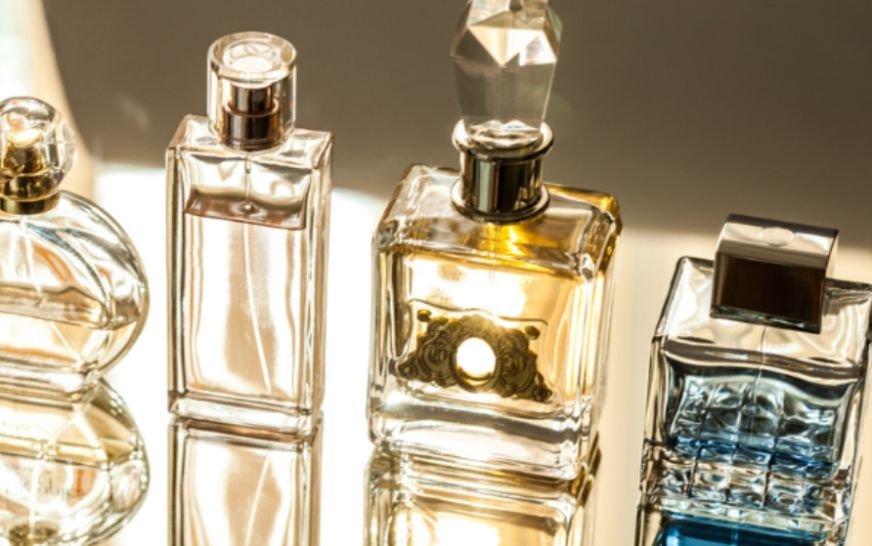
I love the idea of having a fragrance for different moods, but I don’t want my bathroom shelf turning into a collection of expensive regrets. When I think about how to build a perfume collection on a budget, I focus on what I’ll actually wear rather than how impressive the bottles look together.
A satisfying collection can begin with one versatile perfume and a few samples. The goal is to discover your preferences, control spending, and add variety gradually. Here’s how to make every purchase earn its place.
Set a Spending Limit Before Shopping
Choose an amount you can comfortably spend after everyday expenses and savings. There is no required starting budget, and collecting perfume should never create pressure to borrow.
Include More Than the Bottle Price
Your limit should cover samples, shipping, and applicable sales tax. A hypothetical $40 perfume becomes a $51 purchase if shipping costs $7 and tax adds $4.
You could set aside $20 monthly and let the balance accumulate. Unspent money stays available for something you genuinely want, instead of becoming an excuse to buy another discounted bottle.
Review What You Already Own
Gather your perfumes, travel sprays, minis, and samples before buying anything. Include fragrances received as gifts.
Notice which ones you reach for and which remain untouched. Perhaps you love vanilla but dislike very sweet drydowns. Maybe your favorite floral feels perfect for errands yet too noticeable in close quarters.
Write down those observations. An inventory helps you avoid buying another perfume that duplicates something you already own—or repeating a purchase you barely enjoy.
Give Your First Fragrances a Purpose

A beginner collection does not need separate bottles for every season, activity, and occasion. Start with your actual routine.
Choose an Everyday Favorite
Prioritize something you enjoy wearing frequently.
If you prefer a fragrance for casual daily activities, explore this selection of clean perfumes for everyday errands to find options that suit your regular routine.
It might suit working from home, weekend outings, or everyday errands. Follow any fragrance restrictions at your workplace rather than assuming a particular scent is universally office-appropriate.
For anyone who prefers a more subtle fragrance, exploring the best perfume for people sensitive to strong smells can help narrow down options that feel more comfortable for regular wear.
Add Variety Only When Needed
Your second fragrance could offer a different mood, such as a warm evening scent alongside a fresh everyday option. Seasonal preferences can guide you, but they are personal choices rather than rules.
One perfume can serve several purposes. Leave a category empty when you don’t need it.
Sample Before Committing
The most useful habit behind how to build a perfume collection on a budget is testing before buying a bottle.
Try fragrances at department-store counters or beauty retailers such as Sephora and Ulta Beauty, where testers are available. Availability and sampling policies vary, so ask staff before expecting take-home samples.
Wear a candidate during normal activities and revisit it on another day. Assess the opening, the scent after several hours, and whether you still enjoy it later.
Record your impressions. Online praise cannot tell you whether you’ll want to wear something repeatedly.
Compare Samples, Travel Sprays, and Bottles

Different formats solve different problems.
Samples and Discovery Sets
Small samples help narrow your preferences. Discovery sets can introduce several fragrances, but check the quantity included and whether you’re interested in most of them. Any advertised redemption offer deserves a careful look at its conditions.
Travel Sprays and Decants
Travel sprays offer variety with a smaller initial commitment. Third-party decants are portions transferred from larger bottles; review seller transparency, labeling, and return terms before ordering.
Full Bottles
Buy a bottle when repeated testing confirms you enjoy the fragrance. A larger size may cost less per milliliter, but that advantage disappears if much of it goes unused.
Measure Value by Actual Use
A low price does not automatically make perfume a bargain.
For an illustrative comparison, a $30 fragrance worn 60 times costs $0.50 per wear. A $15 fragrance worn twice costs $7.50 per wear.
Divide the purchase price by the number of occasions you wear it. Keep the calculation consistent, especially if you include shipping and tax.
Longevity matters when it affects enjoyment or reapplication, but stronger performance isn’t everyone’s priority. Judge the complete fragrance rather than assuming eau de parfum always offers better value than eau de toilette.
Shop Deals Without Letting Deals Choose
Compare the same fragrance, concentration, and bottle size across retailers. Include delivery charges and check return restrictions, particularly for opened products.
Department-store promotions, brand sales, and gift sets may offer savings. However, matching lotion or shower gel adds value only when you want those products.
Explore affordable original fragrances and inspired alternatives without expecting identical results. Treat resale listings, partial bottles, and unusually cheap offers cautiously; seller reputation and purchase protection matter. A coupon saves money only when the purchase already fits your plan.
Protect Your Collection and Control Growth
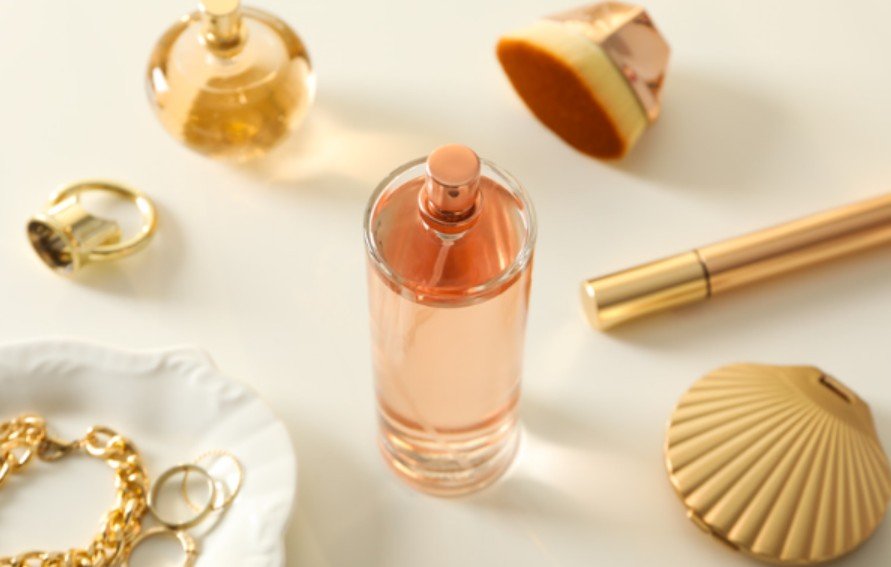
Store perfume away from direct sunlight and heat. A drawer or cabinet away from steamy bathroom conditions is a practical option.
Keep samples labeled and note purchase dates. Review your collection occasionally to see what you actually use.
Before adding anything, ask whether you have tested it, identified a meaningful difference, and checked the full checkout price. Give impulse purchases a waiting period.
You can also experiment with combinations of products you already own, if you enjoy layering.
For inspiration, explore these perfume layering combinations that smell luxurious all day to discover new scent pairings using fragrances you already own.
There is no need to buy extra body products simply to make a collection feel complete.
Frequently Asked Questions
1. What is the first step in how to build a perfume collection on a budget?
Set a spending limit, review what you own, and sample fragrances before choosing your first bottle.
2. How many perfumes should a beginner own?
There is no required number; one versatile favorite and a few samples can provide a satisfying start.
3. Are perfume gift sets always better value?
Only when their contents, sizes, and final price suit what you actually want.
4. Should I buy affordable perfumes without sampling?
Sampling remains useful at any price because several inexpensive mistakes can consume your entire budget.
Build Slowly and Enjoy Every Choice
I’d rather own a small selection I look forward to wearing than a crowded shelf of almost-right purchases. My approach is to sample patiently, track spending, and let experience guide the next addition. When every fragrance suits my taste and comfortably fits my budget, the collection already feels complete.