I used to think a useful perfume collection meant finding one scent I loved and wearing it everywhere. Over time, I noticed that the fragrance that felt right for a quiet morning could seem too sweet in a crowded office or too light for dinner. I started paying attention to how scent matched the setting, not just how it smelled in the bottle.
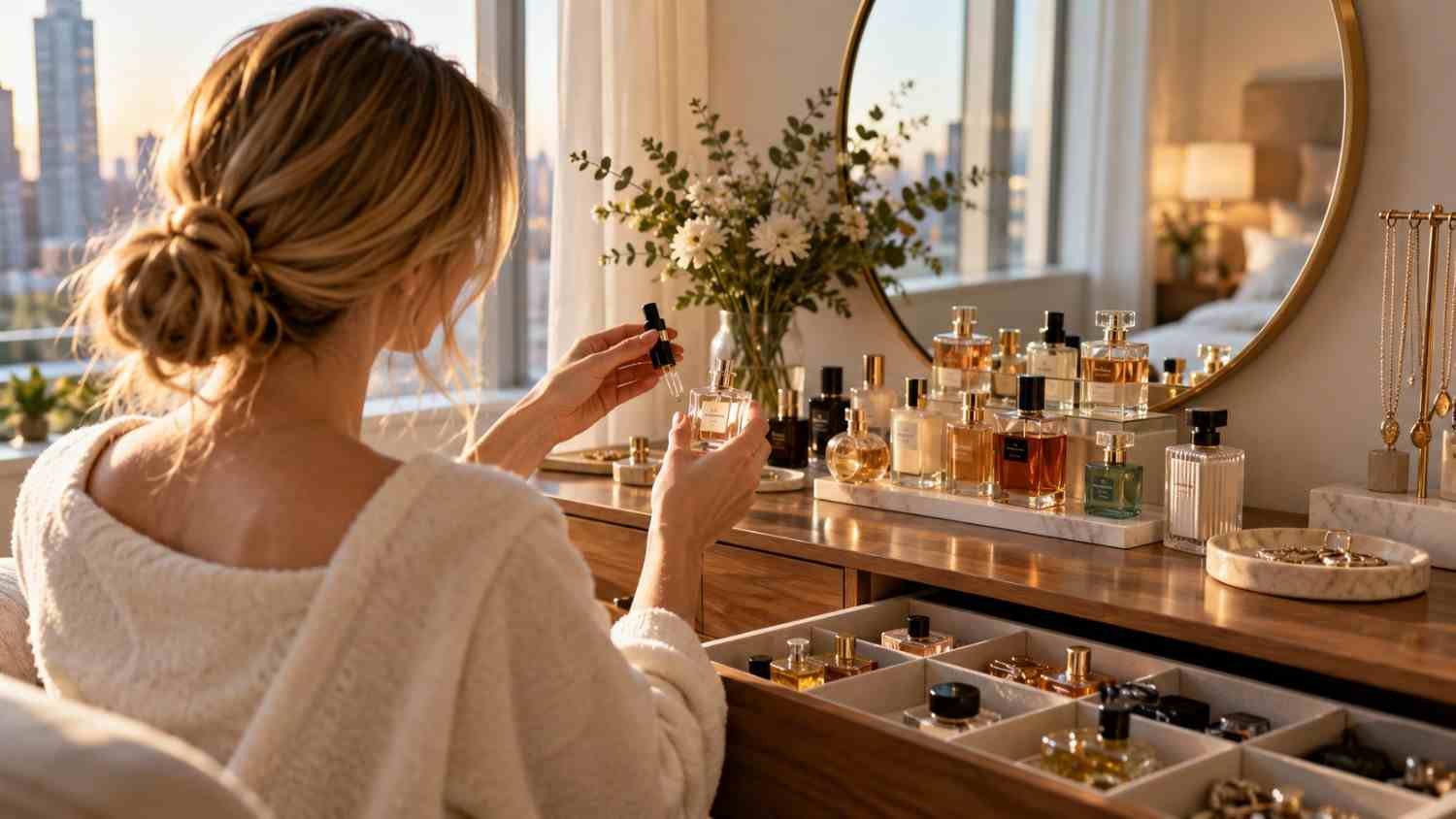
That shift made fragrance feel less like a shopping hobby and more like getting dressed. A few well-chosen perfumes can cover most plans, and thoughtful layering adds variety without filling a dresser with bottles. The trick is to give each scent a purpose, then learn which notes help them work together.
Build Around Five Useful Fragrance Roles
Start with three to five scents, each offering something different. An everyday fragrance might be balanced citrus, soft iris, or modern musk for errands and casual plans.
For work, choose clean musks, sheer florals, or green notes that feel polished without dominating a shared office. Apply lightly. An evening scent can bring depth through amber, woods, spice, leather, or rich florals. Reserve a distinctive fruit, rose, or resin fragrance for celebrations. Add a seasonal wild card, such as airy citrus for warm months or cozy vanilla for cooler weather.
These roles are flexible. A soft rose may suit both work and dinner; the goal is contrast, not rigid rules. A small wardrobe also makes getting ready faster because each bottle has a clear job. You can still break your own system; a favorite evening perfume may be perfect on a cold afternoon. Let real use, rather than a checklist, decide which roles deserve space.
Choose Notes That Speak to Each Other
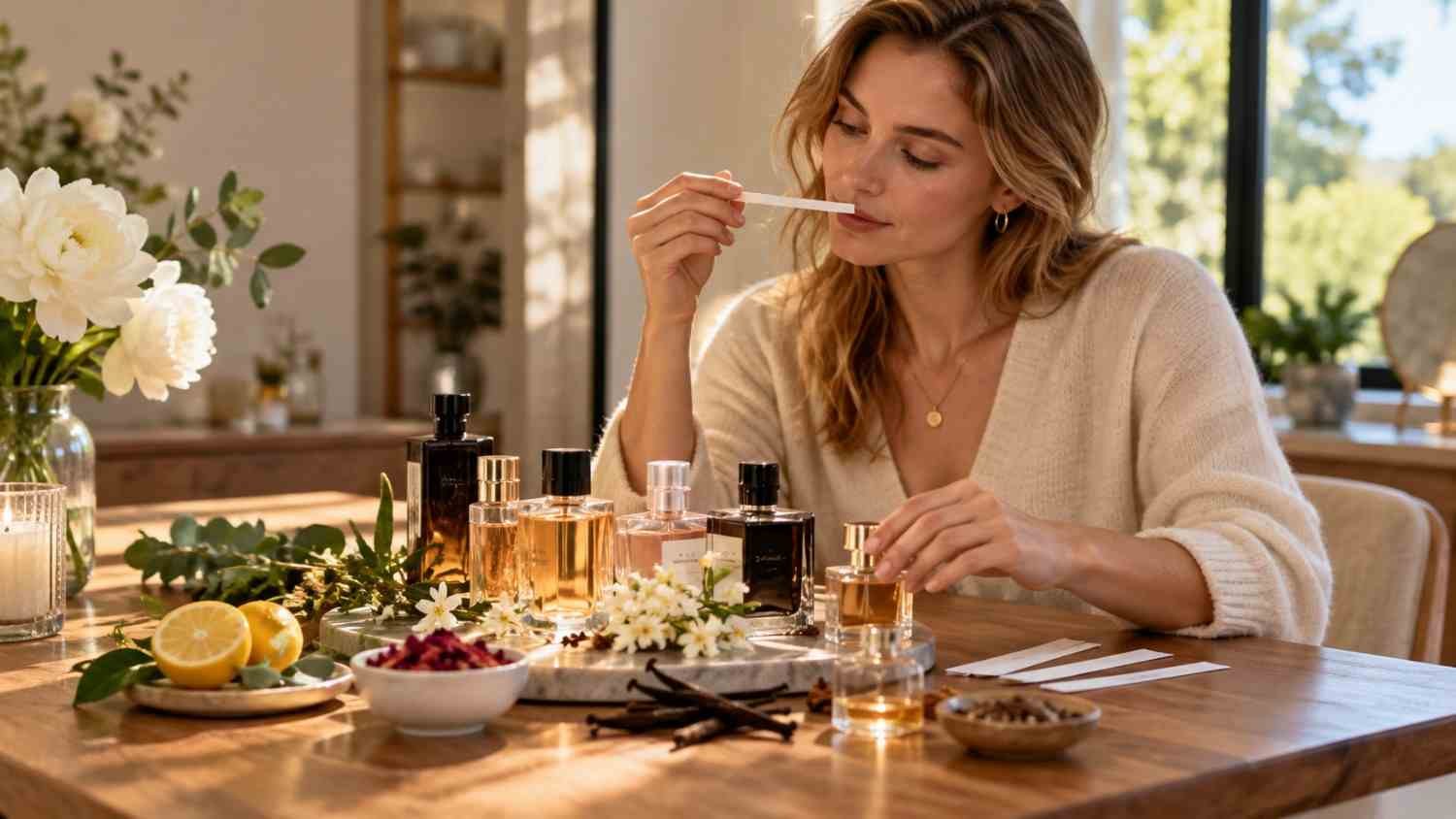
Look beyond bottle names. Citrus and green scents feel fresh, florals range from airy to rich, woods add structure, and amber or gourmand notes bring warmth. Top notes create the first impression, heart notes shape the character, and base notes tend to linger.
A shared note can bridge different fragrances. Sandalwood can connect a creamy scent with a fresh floral; musk can soften citrus or make rose feel intimate. Vanilla may round off sharp edges, but can make a sweet perfume feel heavy. Test rather than assume.
Try citrus with light jasmine for daytime, or musk with rose for dinner. A restrained vanilla layer can soften dry woods for evening. The result depends on proportions and how each perfume develops on your skin.
Layer With Intention, Not More Sprays
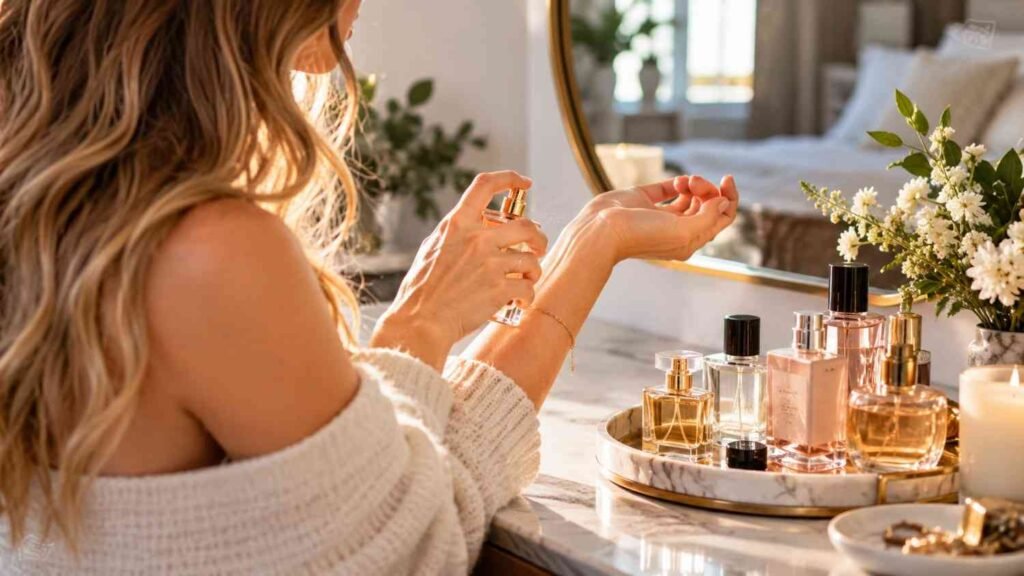
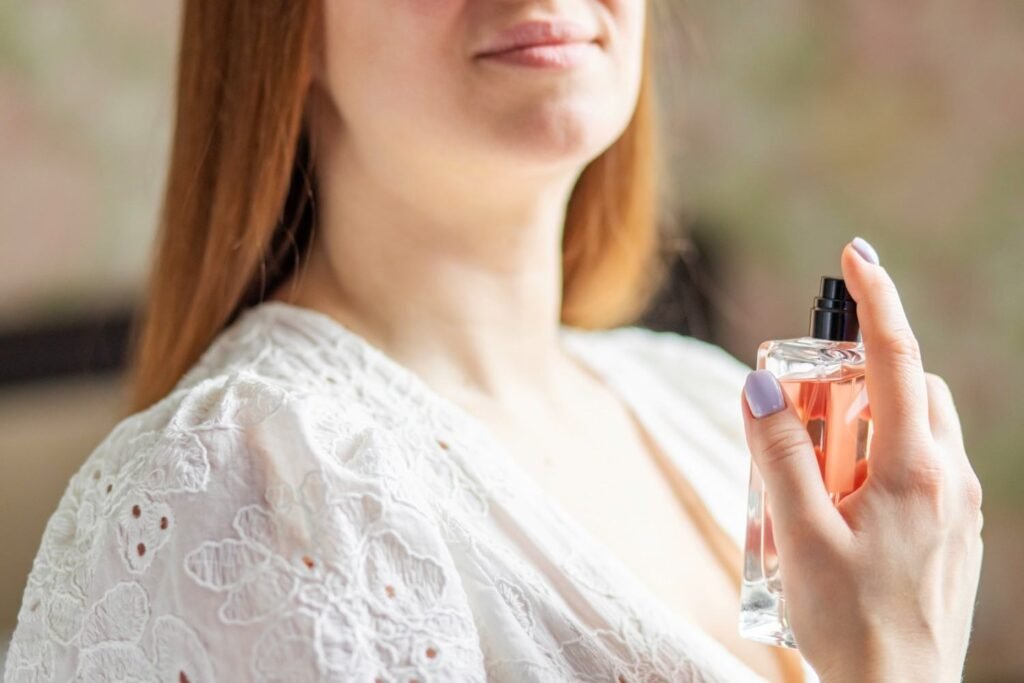
Begin with two products. A lightly scented moisturizer or perfume oil can provide a foundation; add a complementary fragrance after it settles. With two sprays, try the deeper scent first and the brighter one second, though some pairings work better in reverse.
Apply scents to separate areas at first so you can notice how they interact. Avoid rubbing your wrists together. Wait at least 30 minutes before judging the dry down.
Use modest amounts. Two balanced scents are easier to manage than three competing ones. Test at home before wearing a new blend to work or an event. If it smells muddy or overpowering, use less or return to one fragrance.
Match the Combination to the Occasion
For work, try clean musk with soft floral or citrus. For brunch or errands, citrus with green notes feels relaxed. Keep application subtle around other people.
For date night, rose with vanilla feels warm, while amber with musk can be understated. For celebrations, try fruit over soft woods or a deeper floral with a restrained resinous base. Choose one focal point.
Fresh notes may feel energizing, woods grounding, and creamy notes comforting. Explore perfume layering combinations for different moods and occasions for inspiration, not fixed recipes. A pairing should feel personal.
Adjust for Weather and Wear Time

Heat can increase projection, while humidity can change how a scent feels. In warm weather, use fewer sprays and try citrus, green, or aquatic profiles. Woods, amber, and vanilla may feel comforting in cooler conditions, but the formula matters more than the season.
For tips on muggy days, see how to layer fragrance in hot and humid weather. Concentration alone does not determine strength; a fresh perfume can project more than a woody one. Reapply only if needed, and consider those around you.
Buy Slowly and Let the Wardrobe Evolve
Test samples on skin for several hours before buying a full bottle. Notice the opening, dry down, and whether the scent fills a gap. Keep a note of what feels comfortable after several hours, too. A scent that smells beautiful at first spray may become too sweet or intense later. The best choices are the ones you enjoy throughout their development and can wear confidently in the places you actually go. That is a better test than chasing trends. If two perfumes smell similar and serve the same purpose, choose the more versatile one.
Store bottles away from sunlight, heat, and bathroom humidity. Note successful pairings and the amounts used so you can repeat them.
FAQs: Building a Fragrance Wardrobe With Complementary Scent Layers for Different Occasions
1. How many perfumes do I need for a fragrance wardrobe?
Three to five versatile fragrances are enough for many people. Choose scents with different roles rather than buying several that smell nearly alike.
2. Can I layer any two perfumes?
You can experiment, but not every pairing will feel balanced. Start with two scents that share a note or have compatible intensity, then test them on skin.
3. Should I apply the strongest perfume first?
Often, a deeper fragrance works well as the base, followed by a lighter scent. However, test the order because formulas behave differently together.
4. How can I make a layered fragrance last longer?
Apply fragrance to clean, moisturized skin, use a modest amount, and avoid rubbing the area. Store bottles away from heat and sunlight.
Let Your Collection Reflect Real Life
A thoughtful fragrance wardrobe does not need to be expensive or extensive. It works when every bottle earns its place, whether by making busy mornings easier, adding warmth to an evening, or giving a familiar scent a new direction. Let your routine, climate, and personal taste guide the choices, and give combinations time to develop before deciding what belongs together.
The best wardrobe is not the biggest one. It is the one you enjoy wearing.