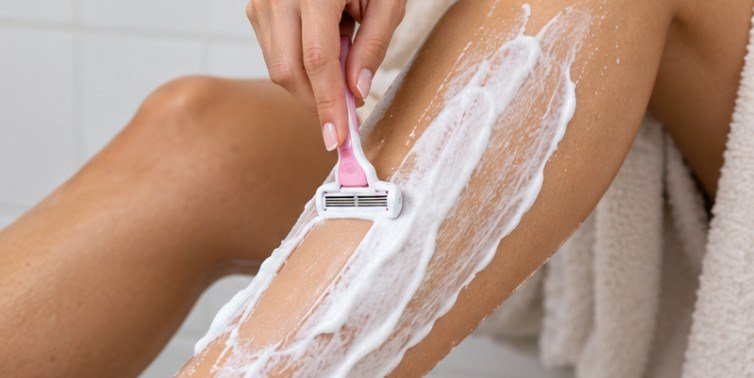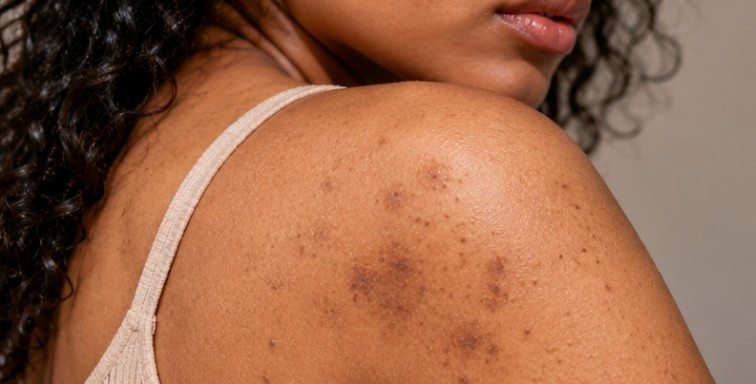
A dark mark on your thigh, shoulder, back, or underarm may have more to do with inflammation than with “dirty,” damaged, or unhealthy skin. Acne, shaving, scratching, eczema, insect bites, friction, and even an irritating body product can trigger extra melanin production after the skin heals.
That means effective body care for pigmentation and dark spots starts before the brightening serum. You first have to identify what keeps provoking the pigment. This matters especially for people with medium to deep skin tones. The American Academy of Dermatology notes that post-inflammatory hyperpigmentation can be more noticeable and persistent in darker skin.
The best strategy is therefore surprisingly simple: stop new inflammation, protect exposed skin from light, then introduce ingredients that gradually improve uneven tone.
Why Body Dark Spots Keep Coming Back
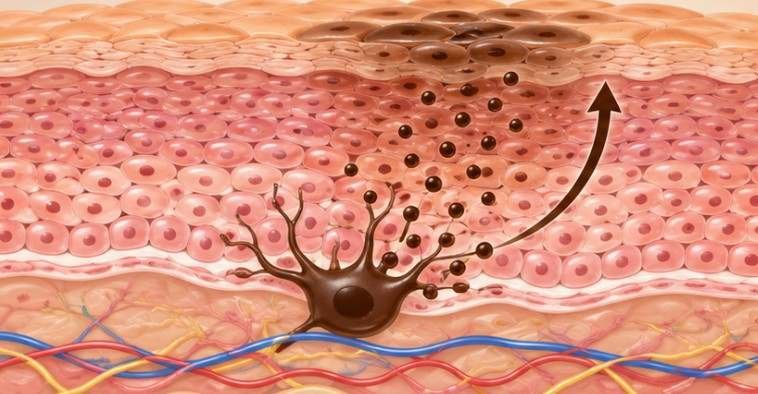
Hyperpigmentation develops when melanocytes—the cells responsible for producing melanin—increase pigment production or when pigment becomes deposited unevenly after inflammation.
Post-inflammatory dark patches, commonly shortened to PIH, can follow body acne, folliculitis, razor bumps, burns, dermatitis, scratching, or repeated friction.
Harvard Health specifically identifies scratching and friction in areas such as the underarms and inner thighs as potential triggers. If irritation continues, the discoloration can continue as well.
That is why aggressively scrubbing an already dark elbow or using a harsh exfoliating glove on discolored thighs can backfire. You may remove surface cells temporarily while creating more inflammation underneath.
Start by Identifying the Type of Pigmentation
Not every brown patch should automatically be treated with acids. Look at what happened before the discoloration appeared. If marks developed after pimples, ingrown hairs, shaving irritation, eczema, scratching, or bites, PIH is a likely explanation.
Flat spots concentrated on chronically sun-exposed shoulders, arms, chest, and hands may instead reflect cumulative sun exposure.
Dark, thick or velvety patches around the neck, groin, or underarms deserve more caution. Some pigmentation patterns may be associated with underlying medical conditions rather than ordinary cosmetic discoloration.
The Cleveland Clinic notes that hyperpigmentation can have many causes, including inflammation, medications, hormonal changes, sun damage, and certain health conditions.
See a clinician for a new or rapidly changing patch, bleeding or painful lesions, widespread unexplained darkening, or pigmentation accompanied by other symptoms.
The Ingredients That Earn a Place in a Body Routine
You do not need six brightening treatments layered over one another. A few well-chosen ingredients usually make more sense.
Niacinamide for Daily, Low-Irritation Care
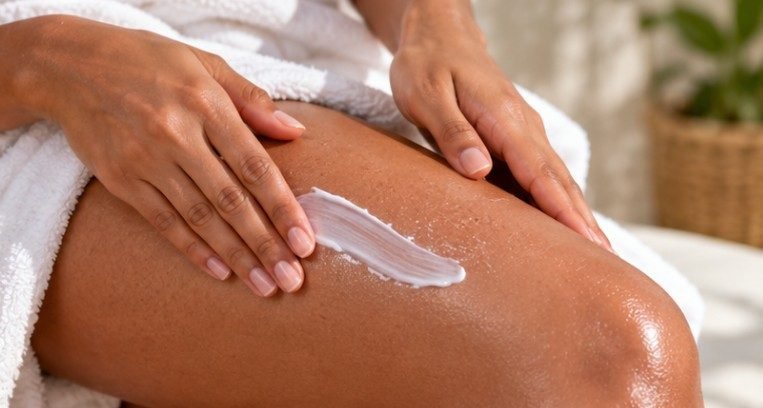
Niacinamide, a form of vitamin B3, is useful because it can support the skin barrier while helping improve uneven pigmentation.
It works well in body lotions because it is generally easier to tolerate than aggressive exfoliating acids. That makes it particularly practical for larger areas such as the chest, arms, shoulders, and legs. Think of niacinamide as a steady routine ingredient rather than a rapid spot remover.
Tranexamic Acid for Persistent Marks
Topical tranexamic acid has become increasingly popular for stubborn discoloration. A systematic review examining post-inflammatory hyperpigmentation found promising results for tranexamic acid, although researchers also emphasized that available studies remain relatively limited.
For home body care, topical formulas make considerably more sense than attempting to use oral tranexamic acid for cosmetic pigmentation without medical supervision.
AHAs Can Handle Texture and Pigment Together
Glycolic and lactic acids are alpha-hydroxy acids that loosen dead surface cells and encourage more even-looking skin turnover.
They can be particularly useful when discoloration appears alongside roughness, keratosis pilaris, clogged follicles, or marks left after body breakouts.
But more acid is not automatically better.
DermNet warns that inflammation itself contributes to PIH, meaning an exfoliant that repeatedly burns or irritates the skin can work against the goal you are trying to achieve.
Kojic Acid and Alpha Arbutin Target Pigment Formation
Kojic acid and alpha arbutin are common ingredients in discoloration treatments because they influence pathways involved in melanin production.
They are reasonable alternatives or additions when niacinamide alone is not producing enough improvement. Sensitive skin should still introduce them gradually.
Retinoids Improve Cell Renewal
Retinol and prescription retinoids can help improve pigmentation by influencing cell turnover while also addressing acne and clogged follicles. The drawback is irritation.
Starting retinol, glycolic acid, and multiple brightening serums during the same week makes it almost impossible to identify what caused burning, dryness, or a new rash.
A Practical Body-Pigmentation Routine
Use this simple framework instead of continuously switching products.
| Step | What to Use | Main Purpose |
| Morning | Gentle wash + niacinamide or brightening lotion | Support barrier and improve uneven tone |
| Exposed areas | Broad-spectrum SPF 30+ | Reduce UV-driven darkening |
| Evening | Moisturizer or targeted pigment treatment | Maintain consistency |
| 2–3 nights weekly | Glycolic/lactic acid OR retinol | Improve turnover and texture |
| Other nights | Plain moisturizer | Reduce irritation risk |
Start with one active treatment and clean beauty dupes for high-end makeup to monitor your skin for roughly two weeks before adding another.
If an exfoliating lotion is already powerful enough to sting, adding a retinoid that evening is unlikely to make pigmentation disappear twice as quickly.
Why Sunscreen Matters Even for Body Pigmentation

If the affected skin is normally covered by clothing, sunscreen may not be the most important part of every indoor routine.
But arms, shoulders, chest, hands, legs, and the back can receive substantial sunlight outdoors. Ultraviolet exposure can deepen existing pigment and make fading more difficult.
Use broad-spectrum SPF 30 or higher on exposed areas and reapply when outdoor exposure warrants it.
For people prone to pigmentation, tinted sunscreens containing iron oxides may offer additional protection from visible light, although tinted formulas are usually much easier to find for the face than for large body areas.
The Biggest Mistake: Treating Pigmentation by Creating More Inflammation
A useful rule is the “no-sting test.” After applying a product, your skin should not repeatedly burn, become intensely red, itch, peel heavily, or remain tender. If that happens, stop escalating your routine.
Physical scrubs, pumice stones, stiff brushes, lemon juice, undiluted essential oils, and repeated high-strength acid treatments can all damage the barrier. Darker skin tones can be especially vulnerable to visible PIH following irritation. Give the skin time to recover before introducing another treatment.
Be Careful With Skin-Lightening Products Sold Online
Pigmentation treatments are one category where buying an unknown product from an unverified marketplace deserves extra caution.
The U.S. Food and Drug Administration says hydroquinone skin-lightening products are not legally marketed as over-the-counter drugs in the United States. The FDA has also reported adverse events associated with hydroquinone and warns against skin-lightening products containing mercury. FDA skin-lightening product safety guidance tells y0u about it.
Avoid products with incomplete ingredient labels, mystery “bleaching” blends, or promises of dramatic whitening within days. Prescription hydroquinone is different: a dermatologist may recommend it for selected patients under appropriate supervision.
Give the Routine Enough Time to Work
Skin pigment rarely behaves like a stain that can simply be scrubbed away. The American Academy of Dermatology notes that some PIH only a few shades darker than the surrounding skin may naturally take six to 12 months to fade after the trigger is controlled. Deeper pigmentation may last substantially longer.
You can evaluate whether your routine appears to be helping after roughly eight to 12 weeks, but complete fading may require considerably more patience. Take a photograph under similar lighting once every four weeks. Daily mirror checking makes gradual improvement difficult to notice.
If your beauty routine extends beyond skin treatments, keeping the rest of it simple can also reduce unnecessary product experimentation. Our guides to affordable clean makeup brands that actually work offer additional options for streamlining everyday beauty purchases.
Frequently Asked Questions
1. What is the best ingredient for dark spots on the body?
There is no single best ingredient. Niacinamide suits gentle daily care, while glycolic acid, retinoids, tranexamic acid, kojic acid, or alpha arbutin may help persistent pigmentation.
2. How long does body pigmentation take to fade?
Minor surface pigmentation may gradually improve over several months. Deeper or repeatedly inflamed areas can take much longer, particularly if friction, acne, eczema, or sun exposure continues.
3. Can I exfoliate body dark spots every day?
Usually, aggressive daily exfoliation is unnecessary. Begin chemical exfoliation a few times weekly and reduce frequency if you develop burning, itching, excessive peeling, or increased discoloration.
4. Should I use sunscreen on dark spots on my legs and arms?
Yes, when those areas are exposed to daylight. Broad-spectrum SPF 30 or higher helps prevent UV exposure from reinforcing pigmentation while your other treatments work.
The Takeaway
Successful body care for pigmentation and dark spots is less about finding the strongest fading ingredient and more about breaking the cycle that created the mark.
Control shaving irritation, acne, eczema, scratching, and friction first. Then use one or two evidence-supported ingredients consistently, moisturize well, and protect exposed areas from sunlight. Give the routine months rather than days to prove itself.
Most importantly, do not mistake irritation for effectiveness. If treating a dark spot repeatedly makes the surrounding skin angry, the treatment may simply be creating tomorrow’s pigmentation while trying to erase yesterday’s.